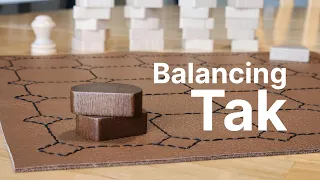
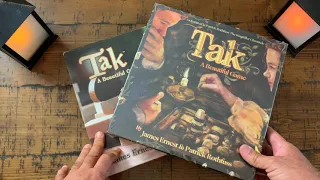
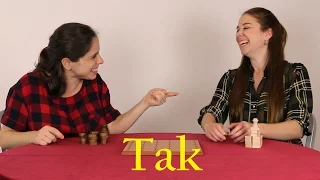
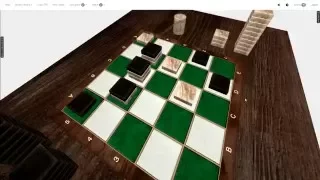
Watch “Balancing Tak with the Black Stack Setup,” a board game video for Tak from ScooterMc11 on BoardGameVideo.
Description provided by ScooterMc11 on YouTube:
Tak is a delightful 2-player abstract strategy game with incredible depth and an elegant ruleset. Yet one of the biggest issues players have faced over the years has been dealing with first player's advantage. This video explores a simple solution for addressing this longstanding difficulty: the black stack setup.
0:00 Introduction
1:26 What is the black stack setup?
2:39 Agenda for this video
3:46 Part 1: Breaking Down FPA
5:00 The three advantages in Tak
8:45 Balancing the reserve advantage
10:56 What is FCD?
12:27 Balancing the flat count advantage
16:03 Balancing the tempo advantage
16:28 What is tempo?
31:13 Part 2: Benefits and Strengths
33:30 Balancing all board sizes
40:13 Expanding the opening meta
45:47 Making the swap rule highly significant
52:37 Highlighting Tak's unique identity
53:56 Preserving Tak's elegance
58:27 Beginner friendliness
1:05:20 Part 3: Addressing Concerns
1:05:42 Can white just ignore the stack?
1:08:38 Would the hug opening be too strong?
1:13:16 Would this be more restrictive than komi?
1:17:30 Summary
Mostly playthroughs. Tak is covered on BoardGameVideo.com by 13 reviews, 5 how-to-play guides, 179 recorded sessions, 3 unboxings, and 5 other videos.
2 players
20 - 60 min
Medium weight: Teach it in one sitting
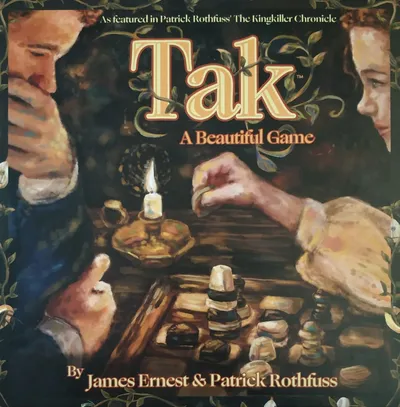
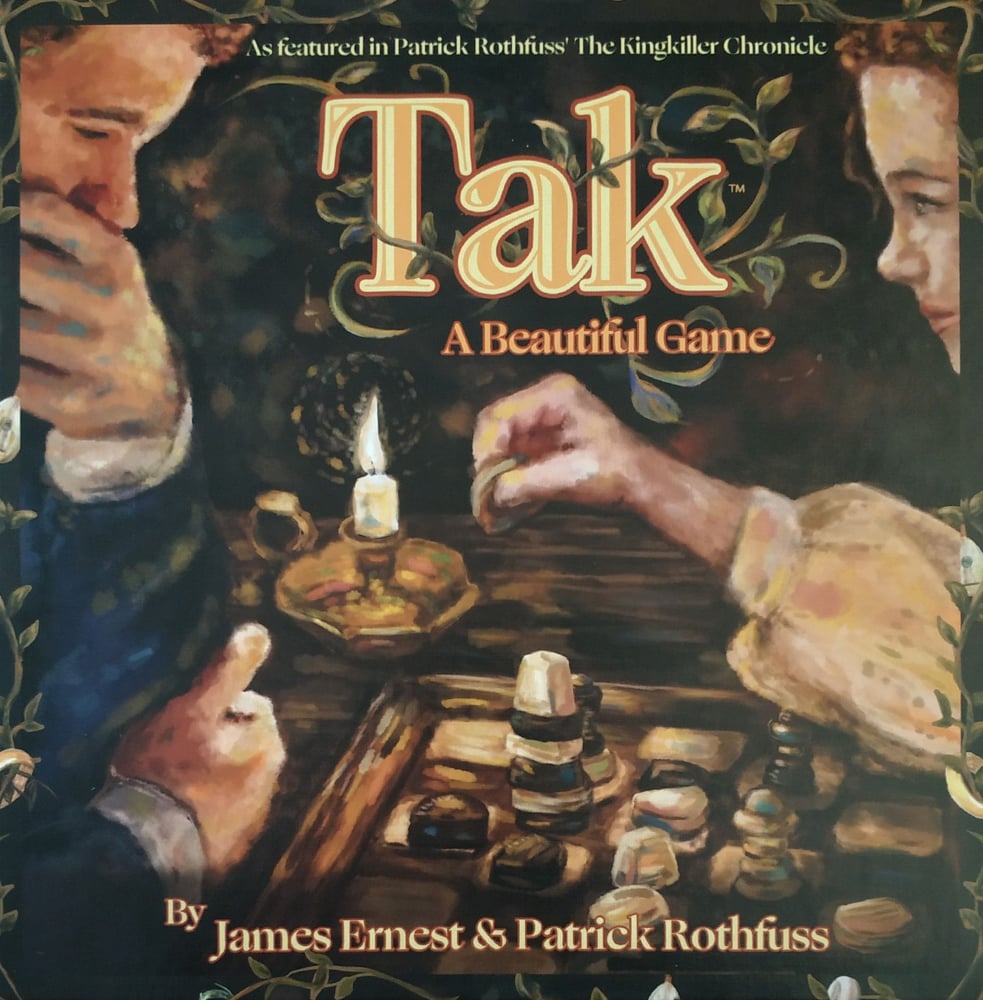
About Tak, from BoardGameGeek:
"My next several hours were spent learning how to play tak. Even if I had not been nearly mad with idleness, I would have enjoyed it. Tak is the best sort of game: simple in its rules, complex in its strategy. Bredon beat me handily in all five games we played, but I am proud to say that he never beat me the same way twice." -Kvothe
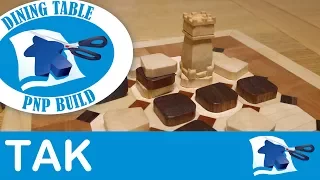
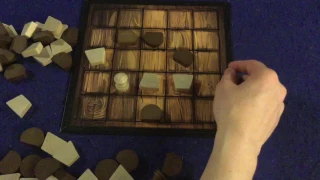
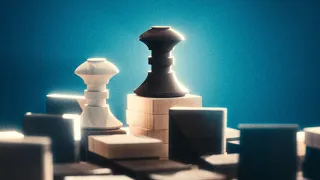
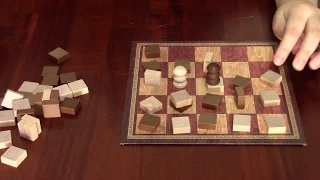
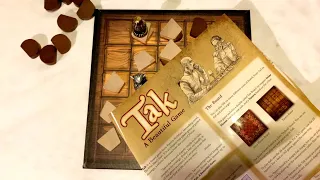
Tak is a two-player abstract strategy game where players attempt to make a road of their pieces connecting two opposite sides of the board.
To win a game of Tak, a player must be the first to create a “road” of stones connecting opposite sides of the board.
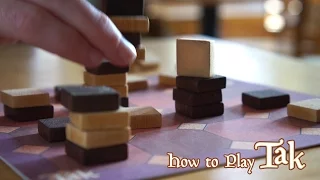
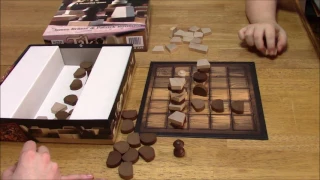
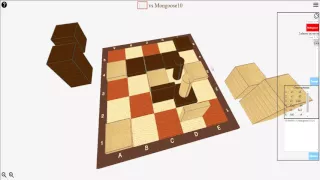
Stones can be laid flat or stood on end. When played flat, they are called “flat stones.” In this orientation, other stones can be stacked on them. If they are stood on end, they are called “standing stones” or “walls.” Nothing can be stacked atop a standing stone, but these do not count as part of a player's road.
Depending on the size of the game, players may also have capstones, which can can come in many decorative shapes. Capstones serve as both a flat stone and a wall, and can also flatten standing walls.