![STONE OF MADNESS : The Game Kitchen va-t-il reproduire l'exploit ? - [Review FR]](https://img.youtube.com/vi_webp/Rp6jL5K8gdc/hqdefault.webp)



![STONE OF MADNESS : The Game Kitchen va-t-il reproduire l'exploit ? - [Review FR]](https://img.youtube.com/vi_webp/Rp6jL5K8gdc/mqdefault.webp)





/pic8400983.jpg)
2025Eric Rodriguez
- Videos
- 6
- Creators
- 6
Mostly reviews and how-to-play
1 - 4 players45 - 60 min2.5 weight
2027Eric Rodriguez
Some how-to-play. The Stone of Madness: Dicefall is covered on BoardGameVideo.com by 1 reviews, 3 how-to-play guides, and 1 recorded sessions.
From BoardGameGeek
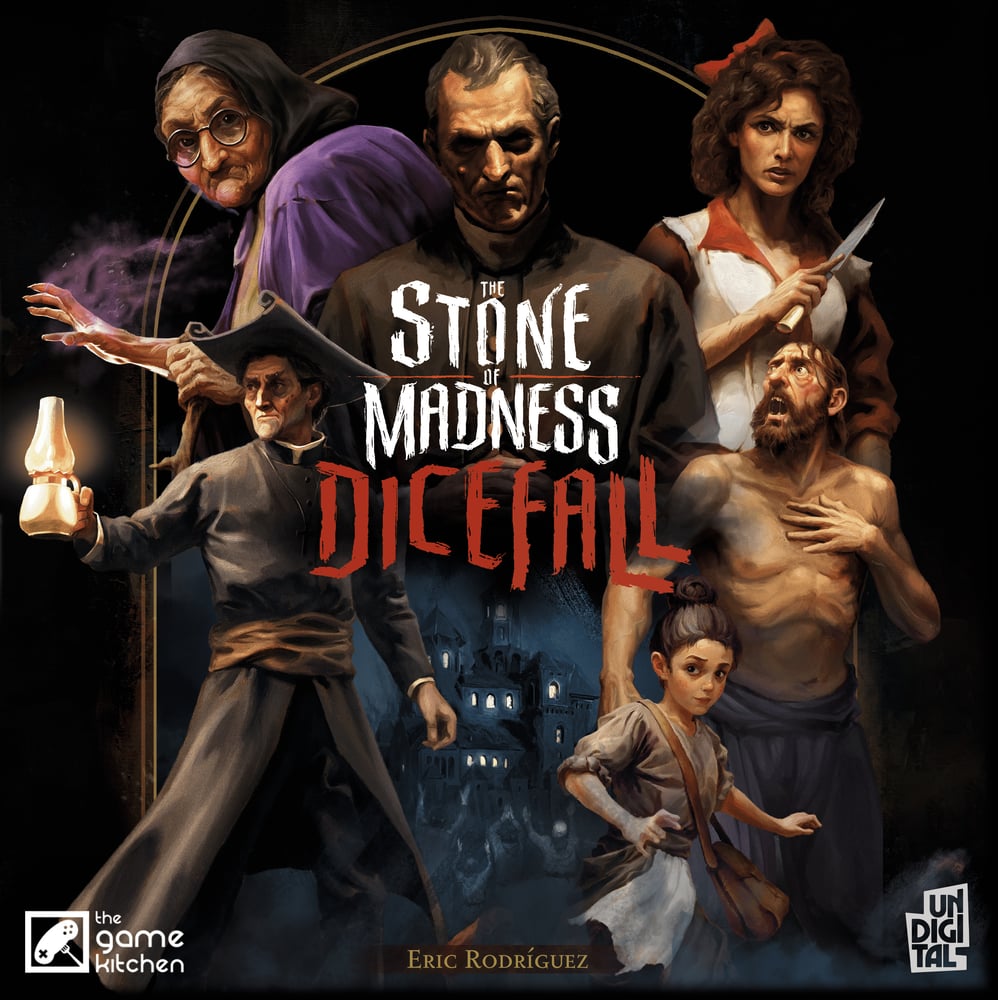
The Stone of Madness Dicefall is a cooperative tactical stealth board game for one to five players. Players jointly control five prisoners confined within an isolated monastery ruled by the Inquisition. Each prisoner has distinct abilities, restrictions, and mental conditions. The game is played in structured rounds where players assign actions to the prisoners, move them through the monastery, and interact with rooms, objects, and objectives. Actions are resolved using dice. Dice represent uncertainty under pressure and are tightly linked to the character performing the action and the current situation. Stealth is the core of the experience. Many actions create noise, which increases tension and causes Inquisition patrols to react and reposition. Patrol movement and behavior respond to player decisions and accumulated alerts, turning the monastery into an active threat rather than a static board. Avoiding detection requires coordination, timing, and restraint. As the game progresses, prisoners are affected by madness and phobias represented through cards. These effects restrict available actions, impose compulsory behaviors, or disrupt carefully planned strategies. Mental deterioration is a central pressure and must be managed collectively, as ignoring it can quickly spiral into failure. The monastery is built using modular tiles and narrative elements, ensuring that objectives, layouts, and challenges vary between sessions. Players win the game by successfully completing the mission objectives defined by that scenario. Players lose if the monastery reaches a critical alert state or if the prisoners are no longer able to continue the escape due to accumulated consequences, containment, or mental collapse. Victory depends on coordination, careful planning, and managing both physical exposure and psychological pressure throughout the mission.


2025Eric Rodriguez
1 - 4 players45 - 60 min2.5 weight
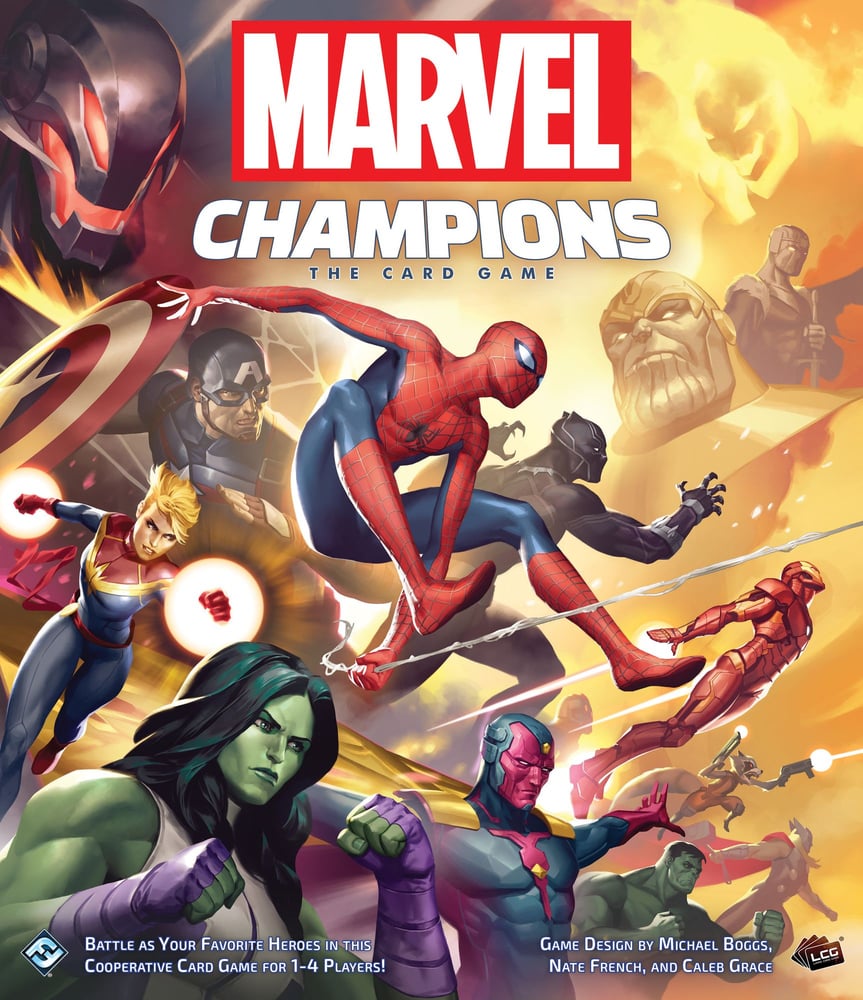
2019Michael Boggs, Nate French, Caleb Grace
1 - 4 players45 - 90 min3.0 weight
From BoardGameGeek:
Designer
Eric Rodriguez
Categories
Mechanics
/pic9562696.jpg)