The Royal Game of Ur
- Videos
- 18
- Creators
- 14
Mainly how-to-play. The Royal Game of Ur is covered on BoardGameVideo.com by 3 reviews, 10 how-to-play guides, 2 recorded sessions, and 3 other videos.
2 players
30 min
Light weight: Learn it in minutes
From BoardGameGeek
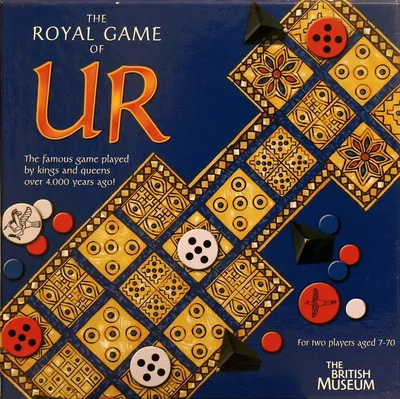
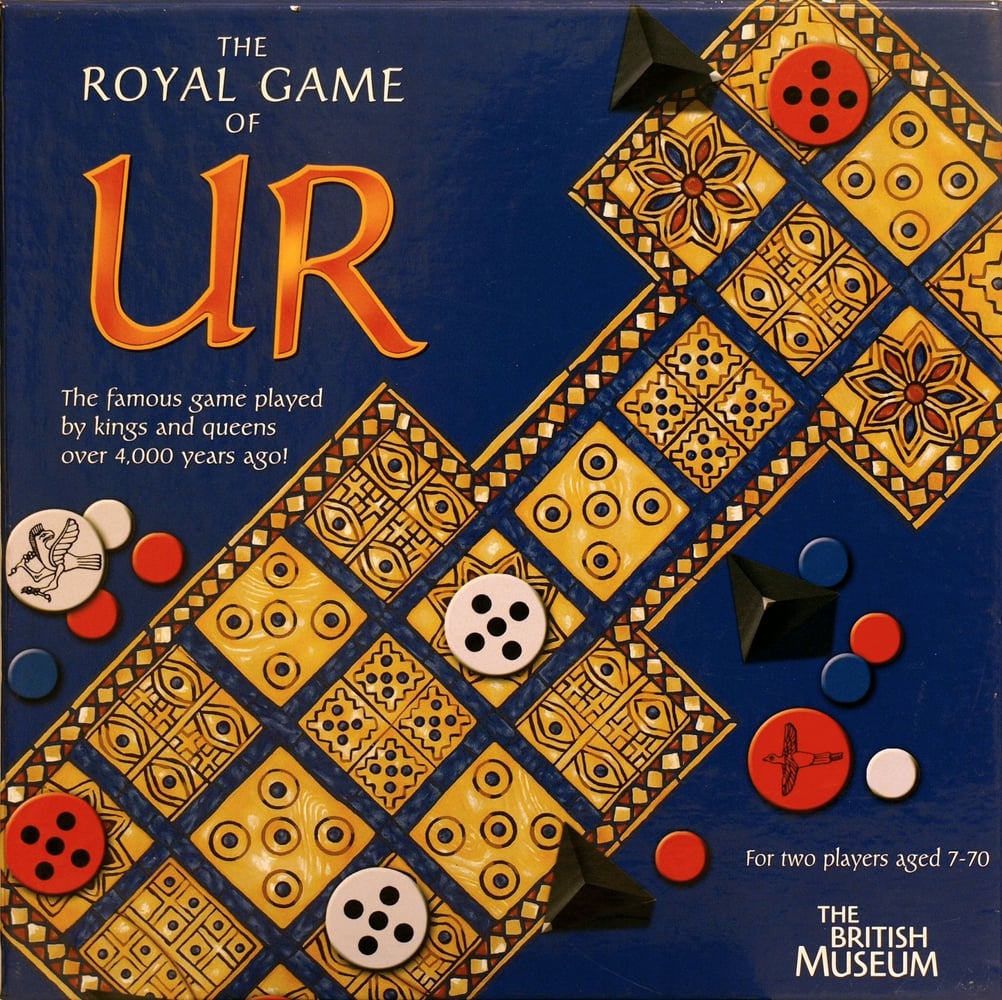
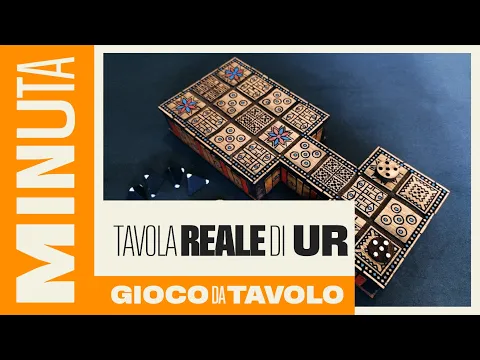
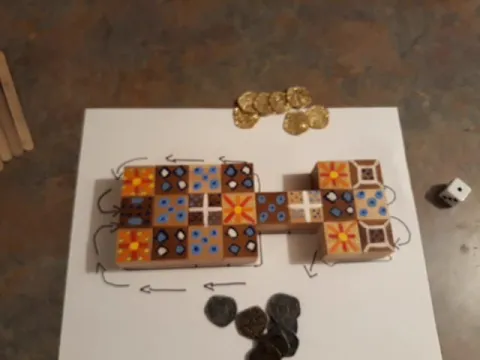
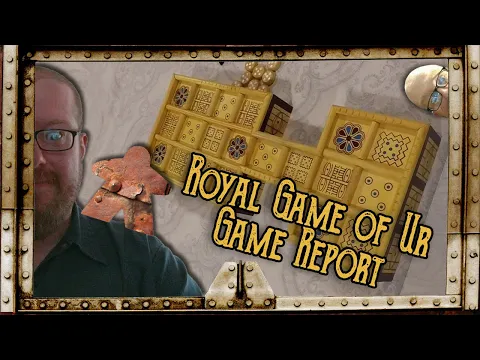
The game has been published under different names but it is a simple race game very much like Backgammon. This edition has a board that is a reproduction of the original found in the Mesopotamian city of Ur. Each player brings their 7 pieces in to play and takes them off of their outer track. Opposing pieces come into conflict on the inner track that they must travel on to the exit. If you land on a space occupied by a single opponent's piece you send it back to the start. If you land on a space occupied by 2 or more opponent's pieces then your piece goes back to the start. The four dice give a marked or blank result. They are tetrahedral (four-sided) dice. Each die gives a "1" or a "0". You can roll 0,1,2,3, or 4. Statistically, 2 is most common- a good thing to bear in mind. The rosette in the central track is a "safe" place from which you cannot be bumped, but you can be bumped on others. Landing on any rosette allows you to roll again, but you don't need to move that same piece. All moves must be made by one piece only. First to bear off all 7 of his pieces wins. Note - Rules update in line with guidance from Irving Finkel from British Museum. The game may be a relative of Senet and Aseb.
Watch first

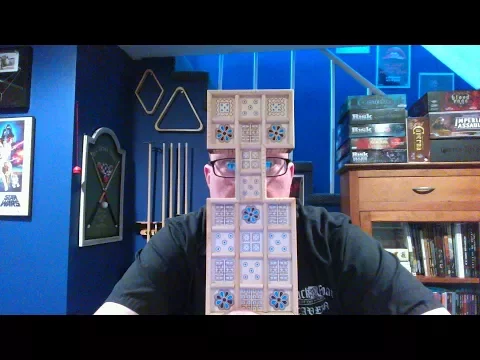
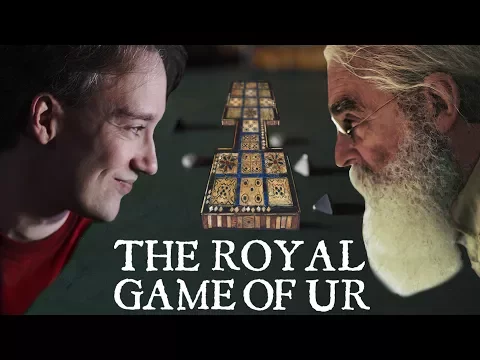
Which video should I watch for The Royal Game of Ur?
The Royal Game of Ur has 18 videos from 14 creators: 3 reviews, 10 how-to-play guides, 2 playthroughs and 3 other videos. They date from 2014 to December 2025.
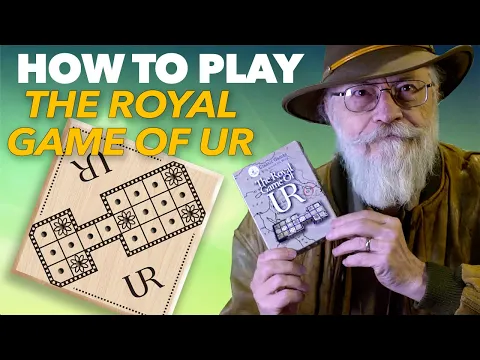
To learn the rules, start with "The 5,000-year-old Royal Game of UR!" by NewVenture Games, which runs 7 min.
For an opinion before you buy, start with "The Board Game Kaptain's review and tutorial for The Royal Game of Ur" by The Board Game Kaptain. 3 creators have reviewed it. To see it played, watch "Tom Scott vs Irving Finkel: The Royal Game of Ur" by The British Museum, one of 2 playthroughs.
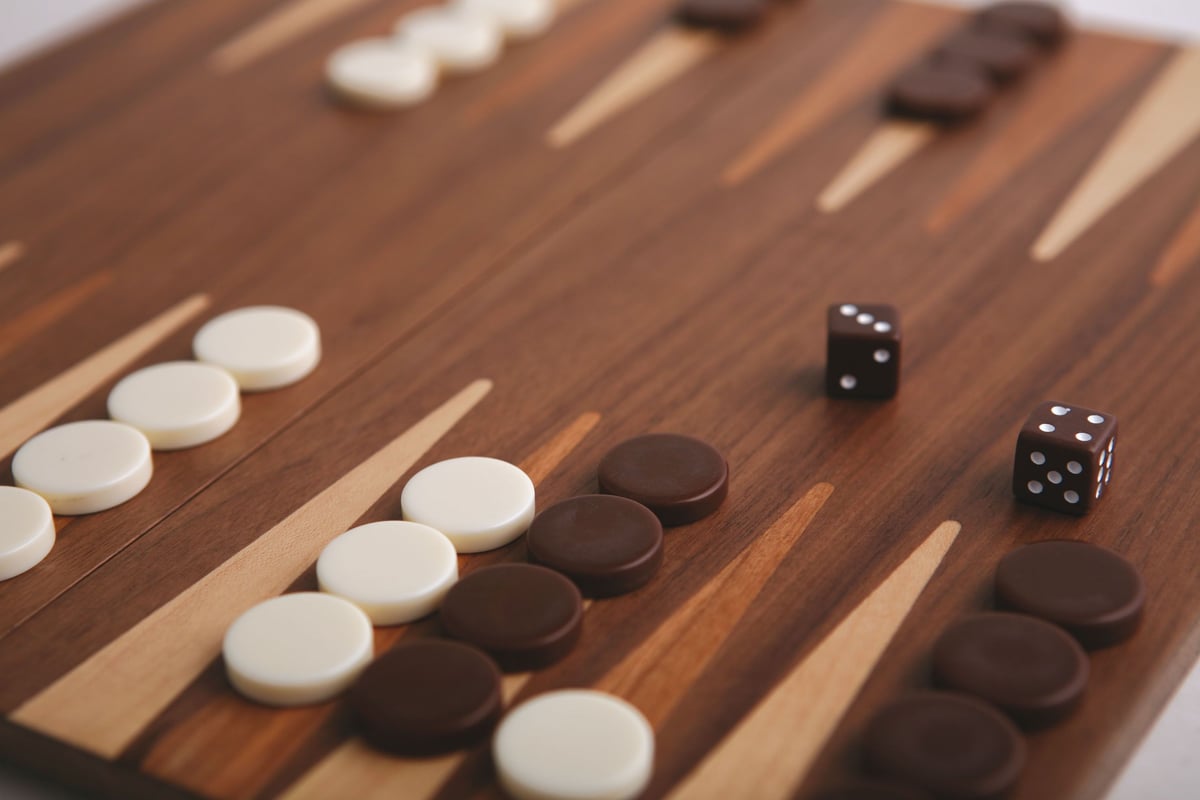
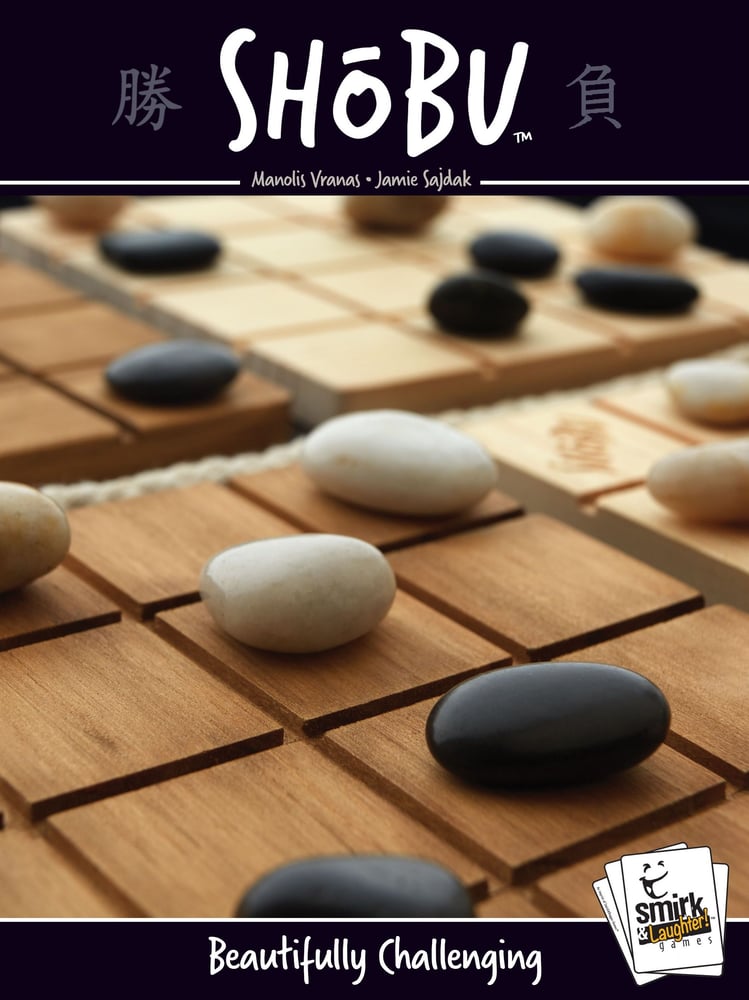
If you like it, try Backgammon, SHŌBU, Checkers or boop., which share several of its mechanics.
All videos
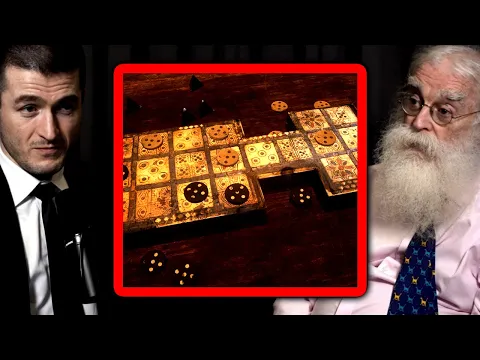

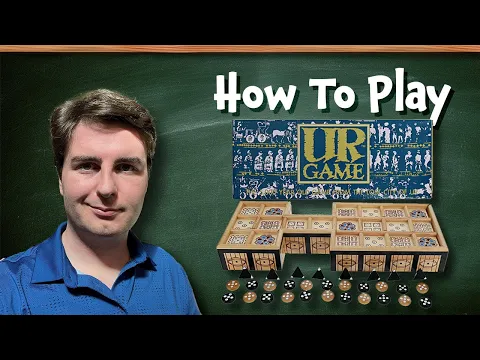






8 of 14
Creators who cover this

GAMES AND PUZZLES CALI
2 videos of this game

HnefataflModern
2 videos of this game

The Board Game Kaptain
2 videos of this game

The British Museum
2 videos of this game

3D Printing Professor
1 video of this game

Deny Us Not Game Night
1 video of this game

Game Night Picks
1 video of this game

Geek Night Games
1 video of this game
Games like this
About The Royal Game of Ur
From BoardGameGeek:
The game has been published under different names but it is a simple race game very much like Backgammon. This edition has a board that is a reproduction of the original found in the Mesopotamian city of Ur. Each player brings their 7 pieces in to play and takes them off of their outer track. Opposing pieces come into conflict on the inner track that they must travel on to the exit. If you land on a space occupied by a single opponent's piece you send it back to the start. If you land on a space occupied by 2 or more opponent's pieces then your piece goes back to the start. The four dice give a marked or blank result. They are tetrahedral (four-sided) dice. Each die gives a "1" or a "0". You can roll 0,1,2,3, or 4. Statistically, 2 is most common- a good thing to bear in mind. The rosette in the central track is a "safe" place from which you cannot be bumped, but you can be bumped on others. Landing on any rosette allows you to roll again, but you don't need to move that same piece. All moves must be made by one piece only. First to bear off all 7 of his pieces wins. Note - Rules update in line with guidance from Irving Finkel from British Museum. The game may be a relative of Senet and Aseb.
Artists
Mariela Arratia, Vlad Korniuk, Mathew Sisson
Categories
Mechanics
RaceRoll and MoveGrid MovementAbstract Movement & Capture