

Caylus
2005William Attia
- Videos
- 7
- Creators
- 5
Mainly how-to-play. Caylus is covered on BoardGameVideo.com by 1 reviews, 3 how-to-play guides, 1 recorded sessions, and 2 other videos.
2 - 5 players
60 - 150 min
Heavy weight: Expect a long teach
From BoardGameGeek
Once upon a time ... 1289. To strengthen the borders of the Kingdom of France, King Philip the Fair decided to have a new castle built. For the time being, Caylus is but a humble village, but soon, workers and craftsmen will be flocking by the cartload, attracted by the great prospects. Around the building site, a city is slowly rising up. The players embody master builders. By building the King's castle and developing the city around it, they earn prestige points and gain the King's favor. When the castle is finished, the player who has earned the most prestige wins the game. The expansion Caylus: Jeweler promo tile was included in the 2nd Edition. Each turn, players pay to place their workers in various buildings in the village. These buildings allow players to gather resources or money, or to build or upgrade buildings with those resources. Players can also use their resources to help build the castle itself, earning points and favors from the king, which provide larger bonuses. Building a building provides some immediate points, and potentially income throughout the game, since players receive bonuses when others use their buildings. The buildings chosen by the players have a heavy impact on the course of the game, since they determine the actions that will be available to all the players. As new buildings are built, they stretch along a road stretching away from the castle, and not all buildings can be used every turn. Players have some control over which buildings are active by paying to influence the movement of the Provost marker. The final position of the marker is the newest building that can be used that turn. The Provost marker also helps determine the movement of the Bailiff marker, which determines the end of the game. Generally, if players are building many buildings and the Provost is generous in allowing them to be used, the game ends more quickly.

Watch first
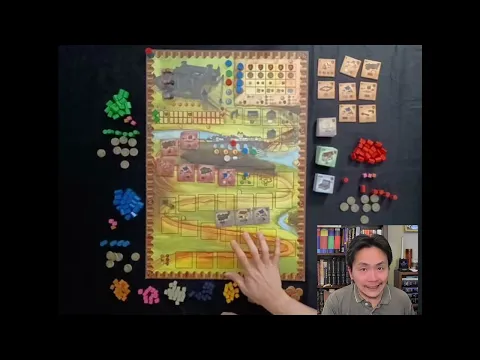

Which Caylus video should I watch?
Caylus has 7 videos from 5 creators: 1 review, 3 how-to-play guides, 1 playthrough and 2 other videos. They date from 2022 to August 2025.
To learn the rules, start with "Strategy Blitz - Caylus" by Board Game Express, which runs 9 min.
For an opinion before you buy, start with "Caylus Review - Chairman of the Board" by Chairman of the Board. To see it played, watch "Ambie and Crystal play Caylus | Twitch VOD" by Board Game Blitz.
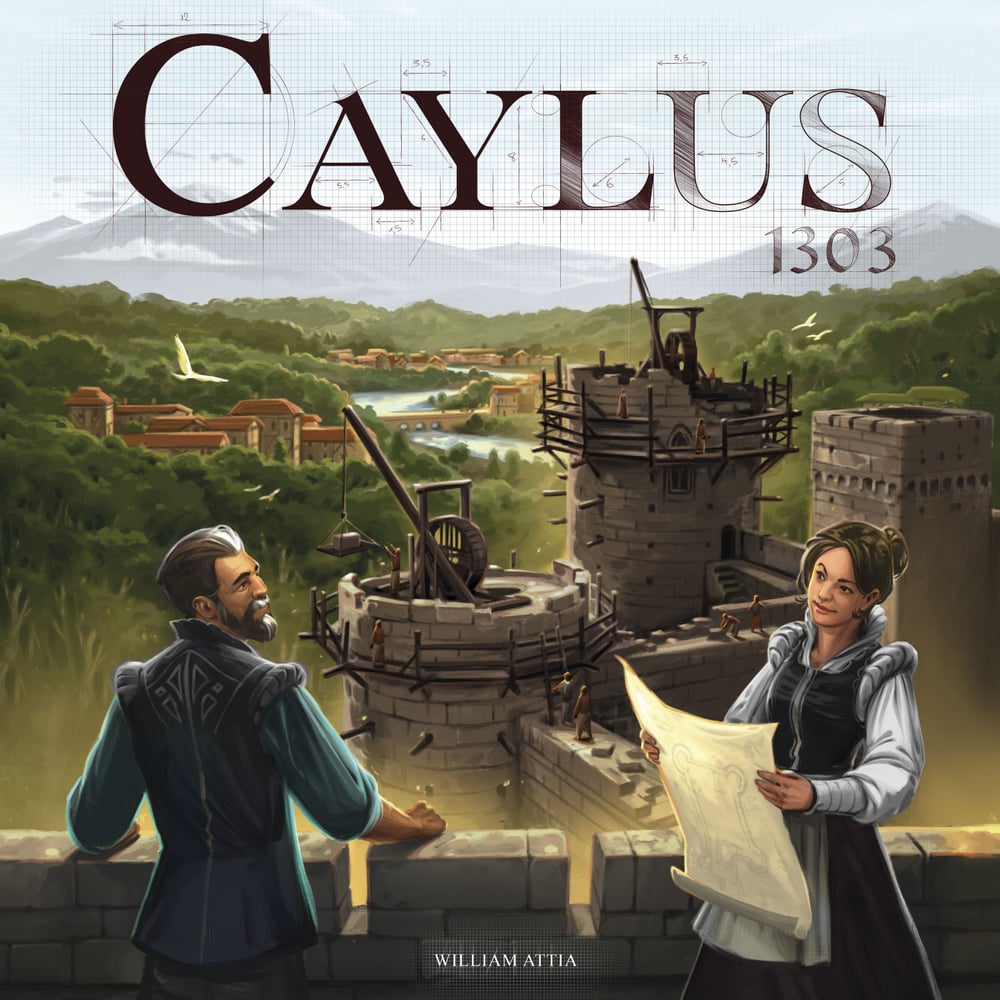
If you like it, try Greylune, House of Cats and Caylus 1303, also by William Attia, or Mombasa, which shares several of its mechanics.
All videos
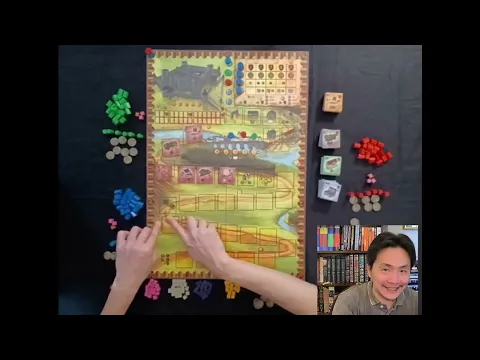
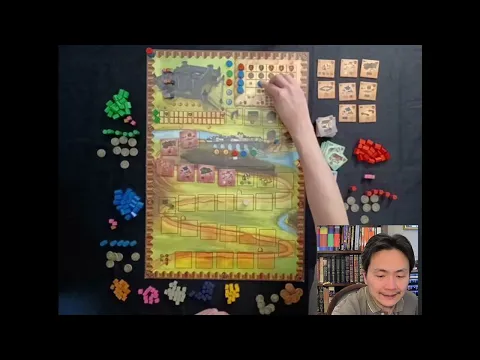
Creators who cover this

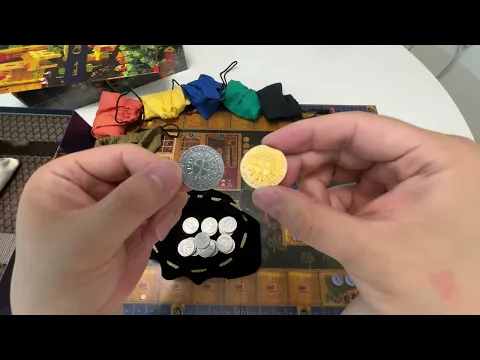
Board Game Express
3 videos of this game

Board Game Blitz
1 video of this game

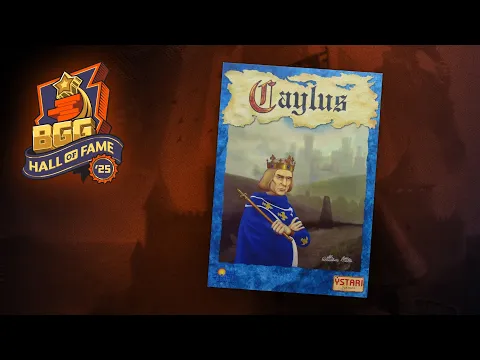
BoardGameGeek
1 video of this game

Chairman of the Board
1 video of this game

Die Cut Sheet Punch
1 video of this game
Games like this


2023William Attia, Kristian Amundsen Østby
- Videos
- 8
- Creators
- 6
Mostly reviews
1 - 6 players15 - 20 minLight weight
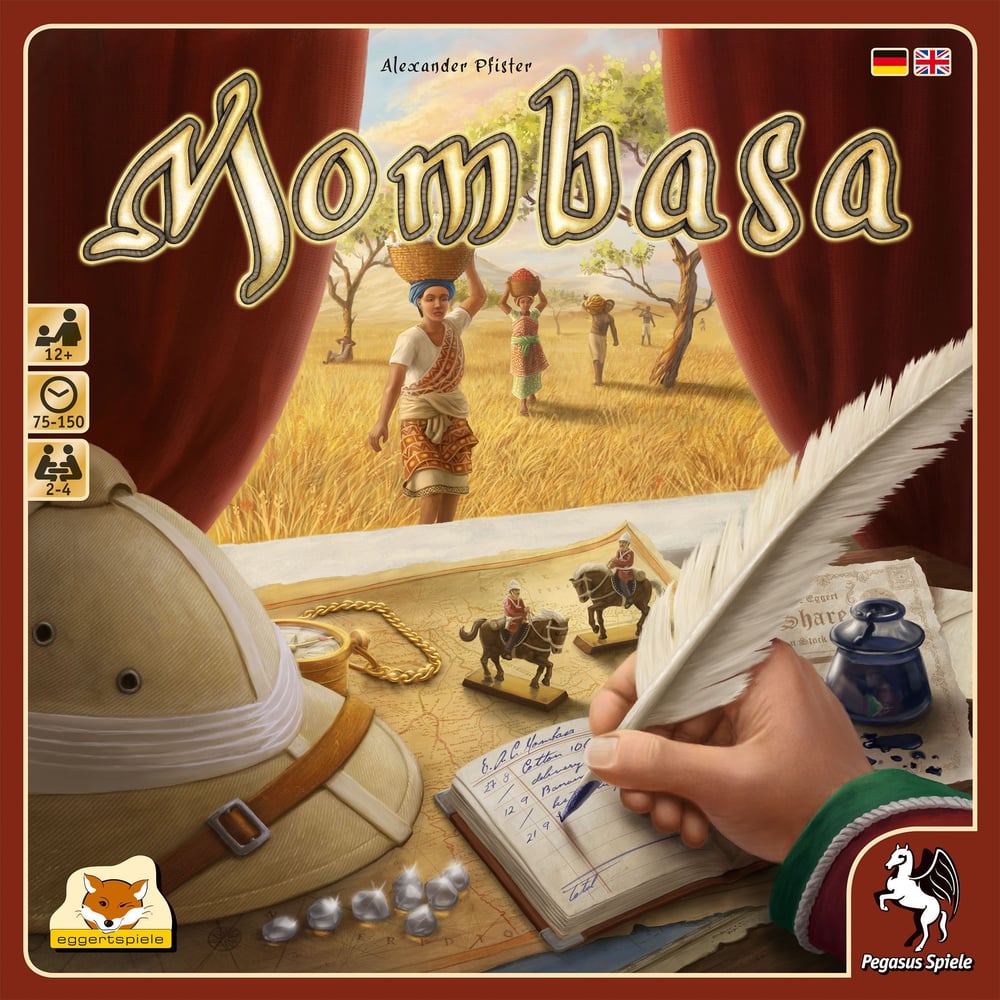
2015Alexander Pfister
- Videos
- 48
- Creators
- 3
Mostly reviews and how-to-play
2 - 4 players75 - 150 minHeavy weight
About Caylus
From BoardGameGeek:
Once upon a time ... 1289. To strengthen the borders of the Kingdom of France, King Philip the Fair decided to have a new castle built. For the time being, Caylus is but a humble village, but soon, workers and craftsmen will be flocking by the cartload, attracted by the great prospects. Around the building site, a city is slowly rising up. The players embody master builders. By building the King's castle and developing the city around it, they earn prestige points and gain the King's favor. When the castle is finished, the player who has earned the most prestige wins the game. The expansion Caylus: Jeweler promo tile was included in the 2nd Edition. Each turn, players pay to place their workers in various buildings in the village. These buildings allow players to gather resources or money, or to build or upgrade buildings with those resources. Players can also use their resources to help build the castle itself, earning points and favors from the king, which provide larger bonuses. Building a building provides some immediate points, and potentially income throughout the game, since players receive bonuses when others use their buildings. The buildings chosen by the players have a heavy impact on the course of the game, since they determine the actions that will be available to all the players. As new buildings are built, they stretch along a road stretching away from the castle, and not all buildings can be used every turn. Players have some control over which buildings are active by paying to influence the movement of the Provost marker. The final position of the marker is the newest building that can be used that turn. The Provost marker also helps determine the movement of the Bailiff marker, which determines the end of the game. Generally, if players are building many buildings and the Provost is generous in allowing them to be used, the game ends more quickly.
Designer
William Attia
Artists
Cyril Demaegd, Arnaud Demaegd, Mike Doyle (I)
Publisher
Ystari Games
Categories
Mechanics
Programmed ActionsStocks & InvestmentTurn Order ManipulationModular Board & Variable Setup