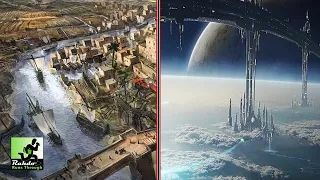
Top 28 Civilization Games ►►► The R&R Show Episode 115 with Ashton of @Shelfside !

Watch “Top 28 Civilization Games ►►► The R&R Show Episode 115 with Ashton of @Shelfside !,” a gameplay video for 10 games on BoardGameVideo.
2019· 276 videos·Jamey StegmaierMainly reviews
- Videos
- 276
- Creators
- 178
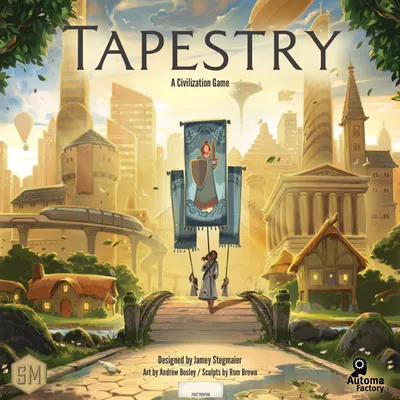
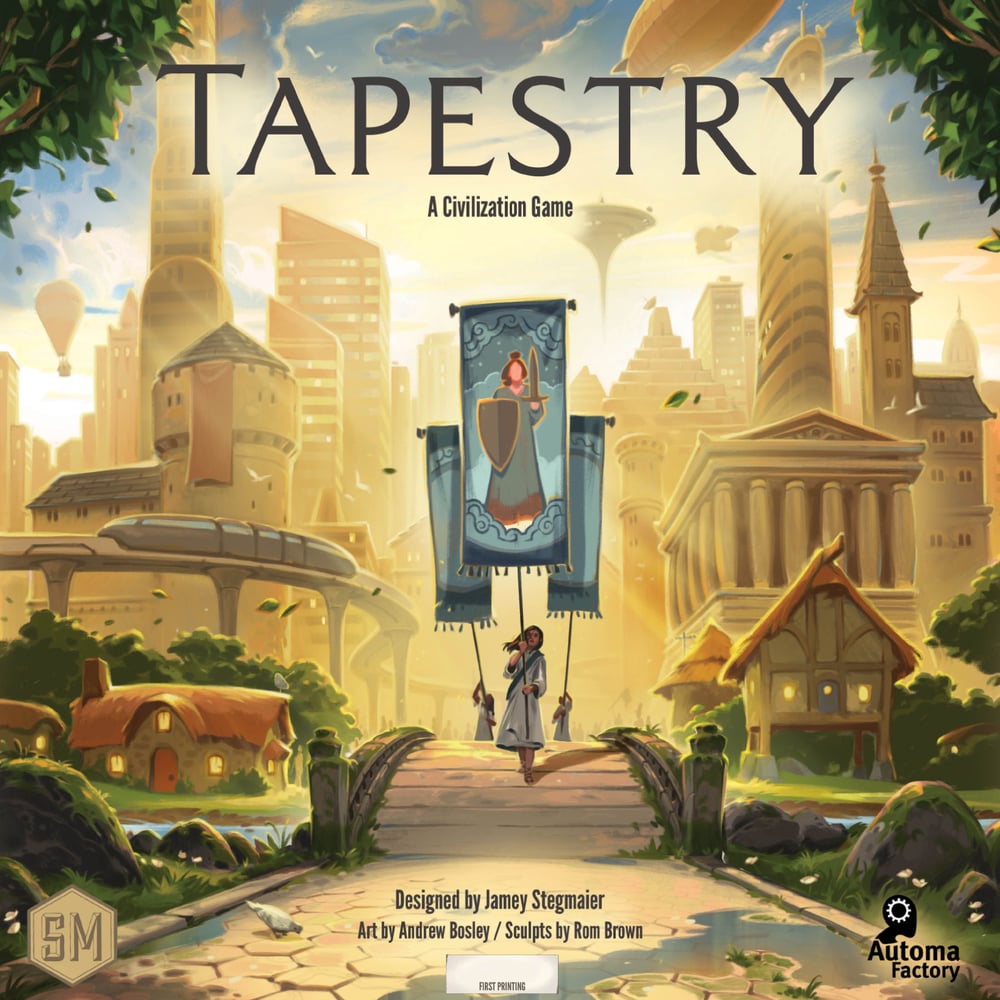
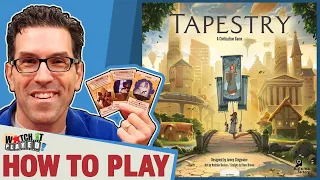
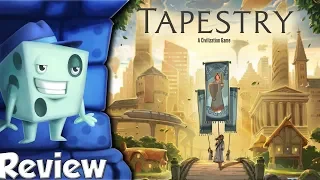
Tapestry is covered on BoardGameVideo.com by 120 reviews, 45 how-to-play guides, 43 recorded sessions, 39 unboxings, and 29 other videos.
1 - 5 players90 - 120 minMedium weight: Teach it in one sittingView on BoardGameGeek ›About Tapestry, from BoardGameGeek:
Tapestry is a two-hour game for 1-5 players designed by Jamey Stegmaier. Create the civilization with the most storied history, starting at the beginning of humankind and reaching into the future. The paths you choose will vary greatly from real-world events or people - your civilization is unique! In Tapestry, you start from nothing and advance on any of the four advancement tracks (science, technology, exploration, and military) to earn progressively better benefits. You can focus on a specific track or take a more balanced approach. You will also improve your income, build your capital city, leverage your asymmetric abilities, earn victory points, and gain tapestry cards that will tell the story of your civilization. -description from the publisher
2023· 118 videos·Nigel Buckle, Dávid TurcziMainly reviews
- Videos
- 118
- Creators
- 76
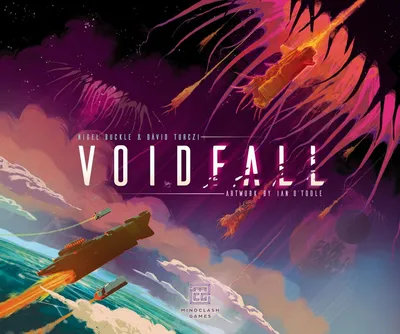
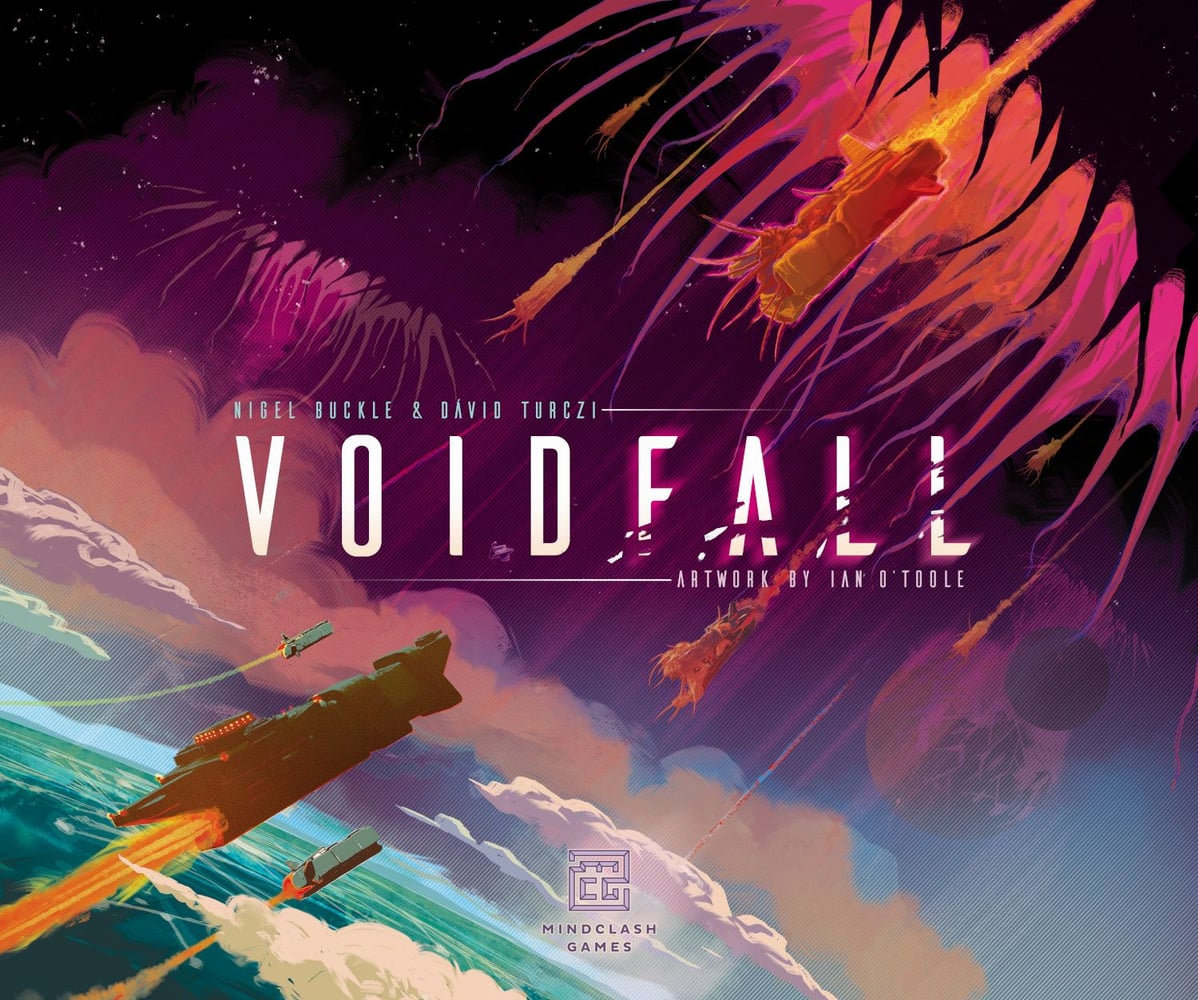
Voidfall is covered on BoardGameVideo.com by 57 reviews, 12 how-to-play guides, 25 recorded sessions, 18 unboxings, and 6 other videos.
1 - 4 players90 - 240 minVery heavy weight: Rules-dense, long sessionsView on BoardGameGeek ›About Voidfall, from BoardGameGeek:
For centuries, the Novarchs, descendants of the royal House of Novarchon, have ruled with an iron fist over the feudalistic galactic empire of humankind, the Domineum. During this time, they brought stunning technological innovation and scientific advancements to their domain. This accelerated progression helped the Domineum reach - and eventually inhabit - even the farthest segments of the known galaxy, where new Houses emerged to govern the outer sectors of the empire. As the House of Novarchon grew in power, so grew the religious cult that surrounded them, proclaiming grim prophecies about an ancient cosmic being from another dimension: the Voidborn. Many thought it to be only a myth, but in truth, it was the Voidborn's dark influence that granted the Novarchs the sheer knowledge to achieve rapid expansion for the empire. While the cult of the Novarchs envisaged eternal life through the otherworldly entity, the Voidborn's only intention was satiating its eternal hunger. And so, when the Domineum had achieved a vastness fitting the Voidborn's craving, interdimensional rifts opened at the heart of the Domineum to unleash cosmic corruption. As the House of Novarchon and its followers welcomed the Voidborn and sought their false salvation, the entity infected and spread and seized control over the inner worlds. Now, it is time for the remaining Great Houses to purge the galactic corruption, prevent the Voidborn from fully manifesting in our dimension, and to ultimately overcome the chaos as the new rulers of the Domineum. Voidfall is a space 4X game that brings the genre to Euro enthusiasts' tables. It combines the tension, player interaction, and deep empire customization of the 4X genre with the resource management, tight decisions, and minimum-luck gameplay of an economic Euro. Win by pushing back the Voidborn in the solo/coop mode, or by overcoming your rivals' influence in restoring the Domineum in the competitive mode - both using the same rule set and game system. Variability is ensured not only by multiple playable houses with their own strengths and weaknesses, but also by many different map set-ups for all game modes. As the leader of a defiant Great House, you play through three cycles, each with a game-altering galactic event, a new scoring condition, and a set number of focus cards that can be played. Focus card decisions and sequencing is the centerpiece of the gameplay. By selecting two of their three impactful actions as you play them, you develop and improve techs; advance on your three house-specific civilization tracks; manage your sectors' infrastructure, population, and production; and conquer new sectors with up to five different types of space fleets. Space battles are fought either against the Voidborn's infected forces (which are present as neutral opponents even in the competitive mode) or against other players. Instead of relying on the luck of a die roll, battles in Voidfall are fully deterministic and reward careful preparation and outsmarting your opponents. -description from the publisher

2019· 84 videos·Frédéric GuérardMainly reviews
- Videos
- 84
- Creators
- 68
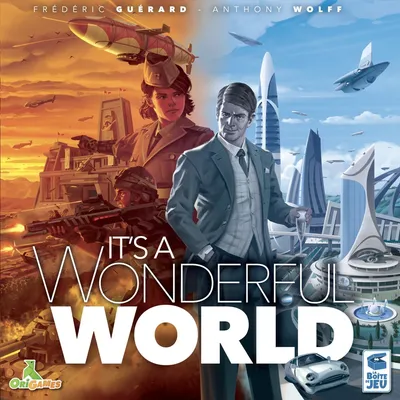
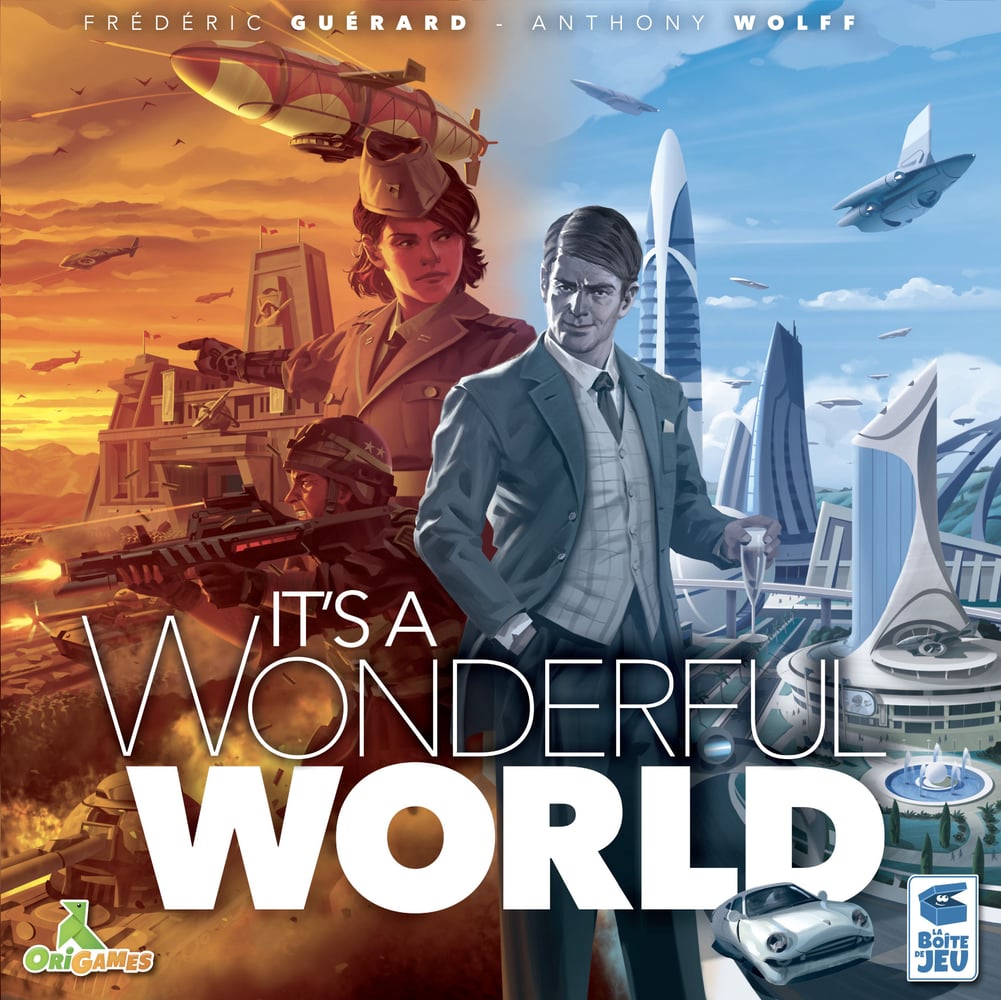
It's a Wonderful World is covered on BoardGameVideo.com by 38 reviews, 15 how-to-play guides, 16 recorded sessions, 6 unboxings, and 9 other videos.
1 - 5 players45 minMedium weight: Teach it in one sittingView on BoardGameGeek ›About It's a Wonderful World, from BoardGameGeek:
In It's a Wonderful World, you are an expanding Empire and must choose your path to your future. You must develop faster and better than your competitors. You'll carefully plan your expansion to develop your production power and rule over this new world. It's a Wonderful World is a cards drafting and engine building game from 1 to 5 players. Each round, players will draft 7 cards and then choose which ones will be recycled to immediately acquire Resources, and which ones will be kept for construction to produce Resources each round and/or gain victory points. When a card is fully built, it's added to the player's Empire to increase the player's production capacity for each round. The mechanical twist being that the production phase works in a specific order. You'll have to plan your constructions carefully! For a deeper insight of the gameplay, please follow this link : It's a Wonderful World - First steps In addition to the base game, players can also enjoy expansions boxes introducing an innovative Campaign mode. Each Campaign offers a storyline to follow and many gameplay twists. At the end of each campaign, players will open a reward booster to unlock new cards, enhance their base game and keep a memory of what happened during the campaign. All the campaigns can be replayed and don't imply game components destruction. More info on the Campaign mode : It's a Wonderful World - Campaign Mode -description from the publisher

2010· 79 videos·Antoine BauzaMainly reviews
- Videos
- 79
- Creators
- 65
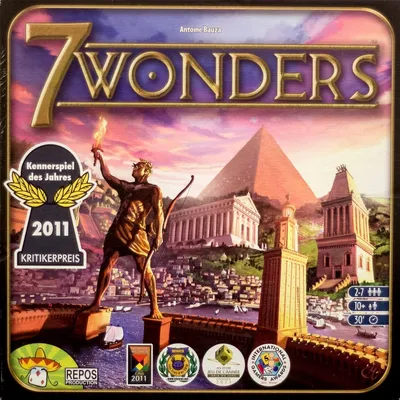
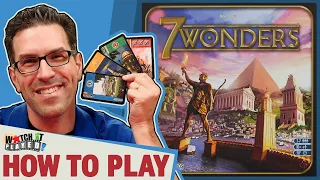
7 Wonders is covered on BoardGameVideo.com by 40 reviews, 14 how-to-play guides, 5 recorded sessions, 2 unboxings, and 18 other videos.
2 - 7 players30 minMedium weight: Teach it in one sittingView on BoardGameGeek ›About 7 Wonders, from BoardGameGeek:
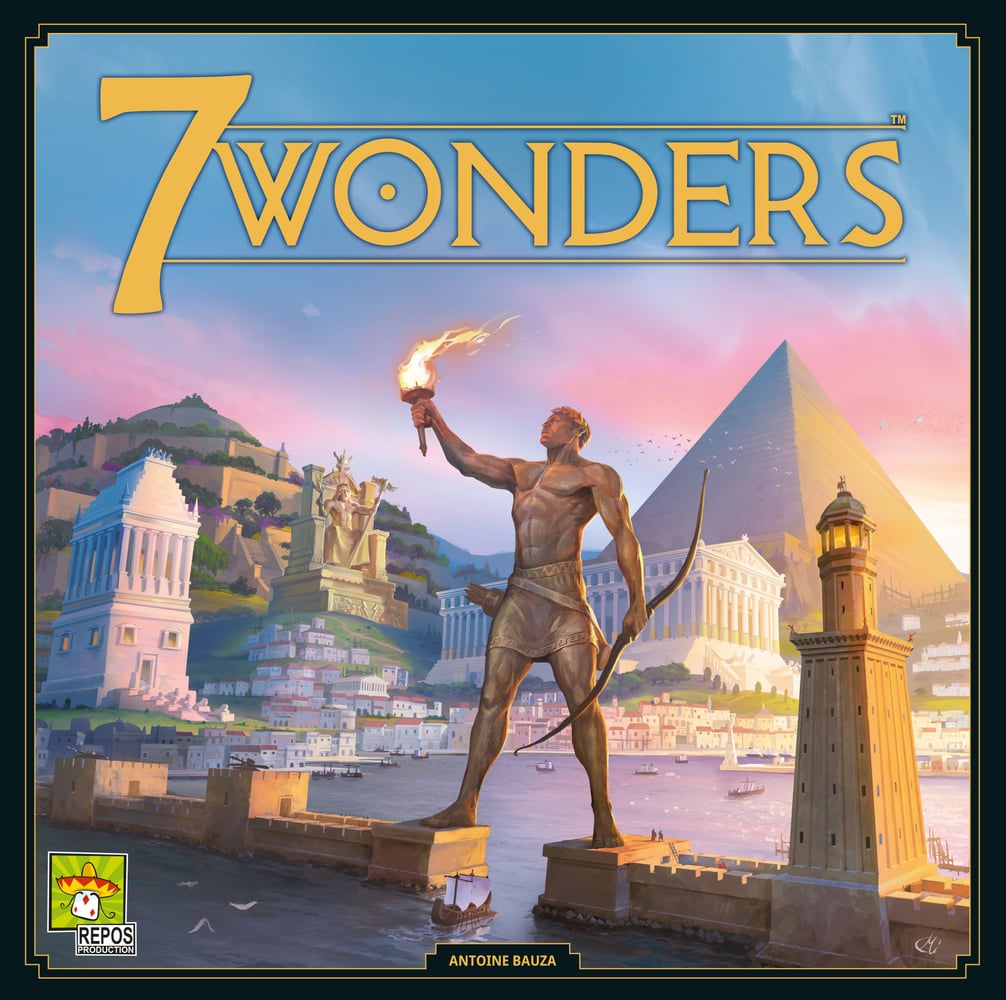
You are the leader of one of the 7 great cities of the Ancient World. Gather resources, develop commercial routes, and affirm your military supremacy. Build your city and erect an architectural wonder which will transcend future times. 7 Wonders lasts three ages. In each age, players receive seven cards from a particular deck, choose one of those cards, then pass the remainder to an adjacent player. Players reveal their cards simultaneously, paying resources if needed or collecting resources or interacting with other players in various ways. (Players have individual boards with special powers on which to organize their cards, and the boards are double-sided). Each player then chooses another card from the deck they were passed, and the process repeats until players have six cards in play from that age. After three ages, the game ends. In essence, 7 Wonders is a card development game. Some cards have immediate effects, while others provide bonuses or upgrades later in the game. Some cards provide discounts on future purchases. Some provide military strength to overpower your neighbors and others give nothing but victory points. Each card is played immediately after being drafted, so you'll know which cards your neighbor is receiving and how her choices might affect what you've already built up. Cards are passed left-right-left over the three ages, so you need to keep an eye on the neighbors in both directions. Though the box of earlier editions is listed as being for 3–7 players, there is an official 2-player variant included in the instructions.
2021· 47 videos·Channing JonesMainly how-to-play and reviews
- Videos
- 47
- Creators
- 22
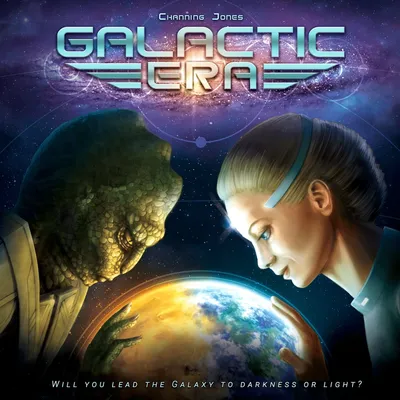
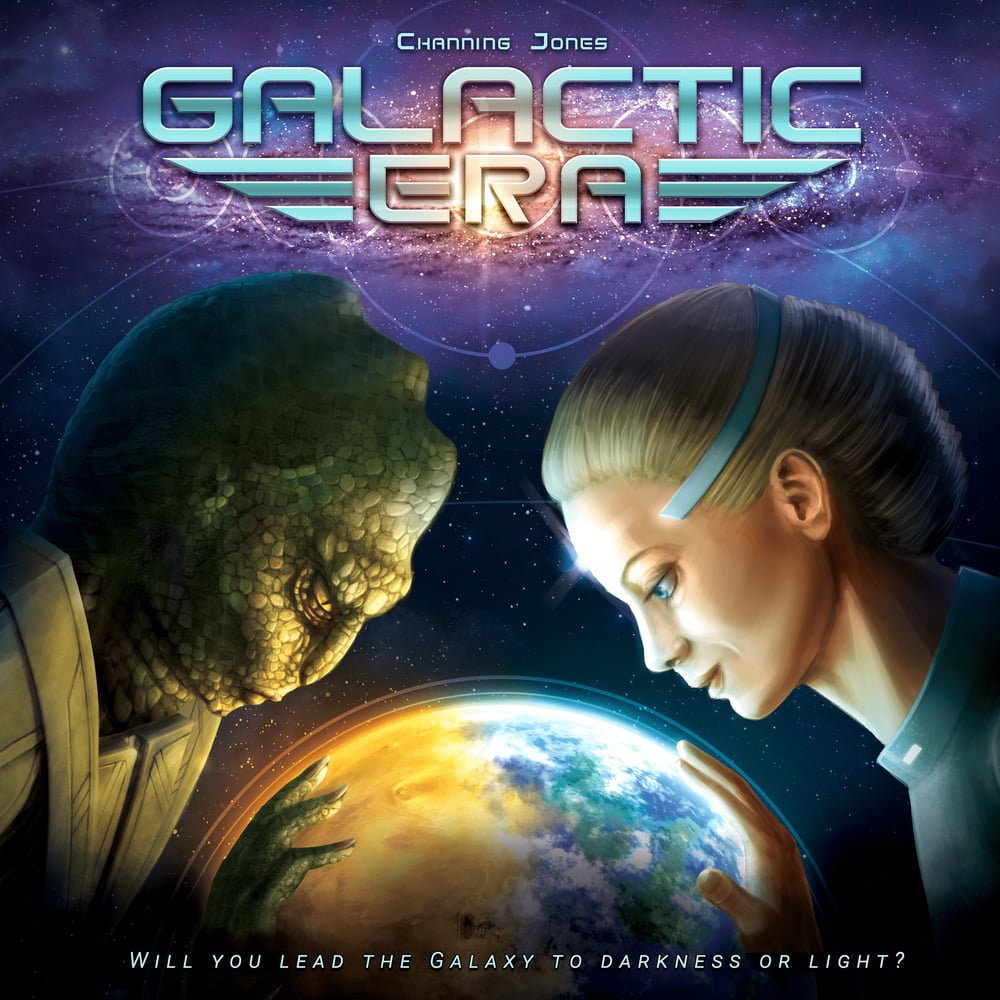
Galactic Era is covered on BoardGameVideo.com by 13 reviews, 14 how-to-play guides, 8 recorded sessions, 3 unboxings, and 9 other videos.
1 - 6 players180 minHeavy weight: Expect a long teachView on BoardGameGeek ›About Galactic Era, from BoardGameGeek:
Galactic Era is an epic space strategy board game with a focus on exploration, expansion and combat. The most innovative feature of the game is that you can choose to play as the “dark” or the “light” side with the appropriate consequences. You can switch your alignment during the game though, too. The amount of luck involved in this game is very low. Combat is deterministic with hidden information (no dice are used). Further features: Many paths to victory, from peaceful to warlike. Alignment determines how you can interact with other players: “Light” (STO) factions can ally with advanced civilizations encountered but may not interfere with primitive civilizations, are peaceful towards other STO players, are peaceful with STS players unless attacked first. “Darkness” (STS) factions can be as peaceful to aggressive as they wish, and are able to subjugate primitive planets. Develop your civilization in across five different technology fields: Military, Spirituality, Propulsion, Robotics and Genetics. Those who are committed a single area of specialty are rewarded with epic powers, at the highest level. Cooperate with other players by trading technologies. Choose from 17 unique factions, each with a unique power, sometimes even two (one for each alignment). Fog of war creates uncertainty by hiding fleets with their tactical options and advantages. Fleets have advantages over others in a Rock-Paper-Scissors fashion. Secret objectives give each player a surprise power, while encouraging different avenues of play. Highly variable game setup that influences objectives. A detailed and rich background story, based on testimony from secret space program whistle-blowers, UFO/ET witness accounts and channeled material. -description from the publisher
2020· 40 videos·Antoine BauzaMainly reviews and how-to-play
- Videos
- 40
- Creators
- 30
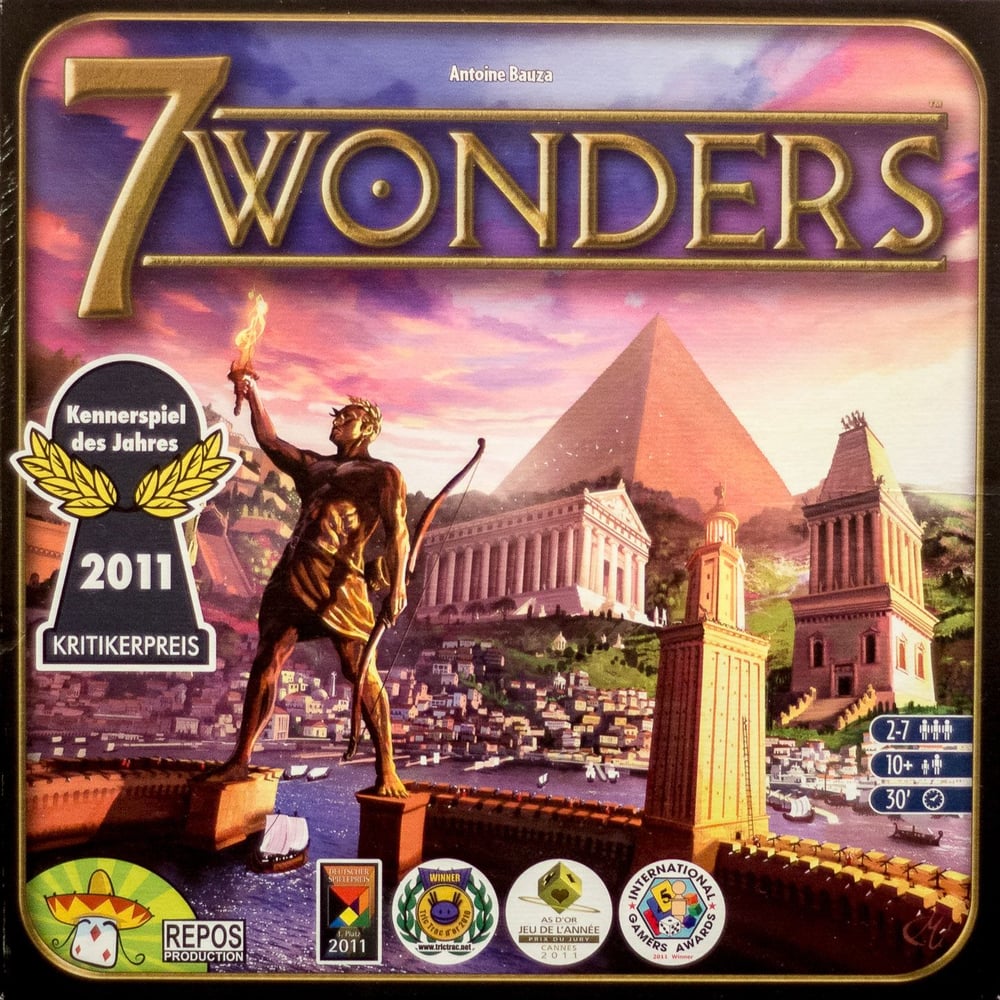
7 Wonders (Second Edition) is covered on BoardGameVideo.com by 12 reviews, 8 how-to-play guides, 5 recorded sessions, 7 unboxings, and 8 other videos.
3 - 7 players30 minMedium weight: Teach it in one sittingView on BoardGameGeek ›About 7 Wonders (Second Edition), from BoardGameGeek:
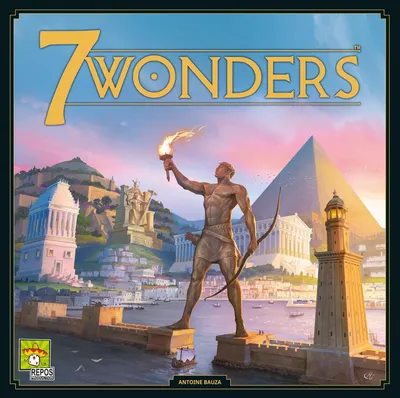
7 Wonders The board game with more awards than any other game on the planet. With over 30 international awards, and over a million copies sold throughout the world, rediscover 7 Wonders, the game which has won more awards than any other game in the world, in a whole new version. Lauded by both the public and critics, 7 Wonders has claimed its place as an unmissable reference point in modern board gaming. 7 Wonders is based on a simple and elegant mechanic (drafting) which allows up to 7 players to play with no dead time. Players make their choice and apply all of them at the same time. These choices are varied and their impact is real. Finally, the game is divided into 3 Ages which little by little increase the importance of these choices and thus the tension in the game. The global mechanics and the care given to the artwork are used to immerse the player in Antiquity and have contributed to the game's success. A game plays out over 3 rounds, called Ages, during which you simultaneously play cards, one at a time, to develop your City. These cards represent the various Buildings you can construct: resource producers, civilian, commercial, military, scientific structures, and guilds. At the end of each Age, you go to war with your nearest neighbours. At the end of all 3 Ages, you tally up all of the victory points earned by your City, your wonder, your military prowess, and your treasury. The player with the highest score wins the game. Content: 7 Wonder boards 148 Age cards: 49 Age I cards, 49 Age II cards, and 50 Age III cards 78 Coins: 54 Coins of value 1, and 24 Coins of value 3 48 Military Conflict tokens: 24 Defeats and 24 Victories (8 per Age) 1 pad of score sheets 3 quick reference sheets describing the effects of the cards 1 List of cards and chaining leaflet 1 rulebook
1980· 38 videos·Francis TreshamMainly playthroughs
- Videos
- 38
- Creators
- 4
Civilization is covered on BoardGameVideo.com by 6 reviews, 3 how-to-play guides, 24 recorded sessions, 2 unboxings, and 3 other videos.
2 - 7 players360 minHeavy weight: Expect a long teachView on BoardGameGeek ›About Civilization, from BoardGameGeek:
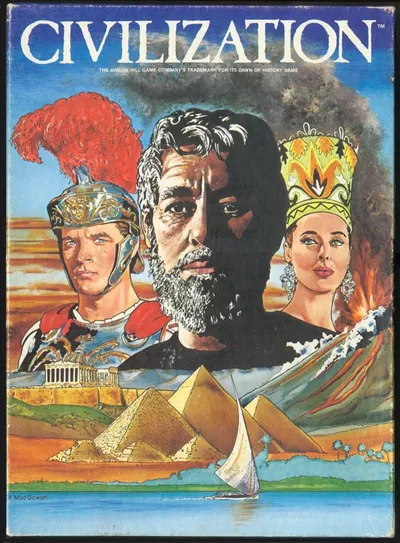
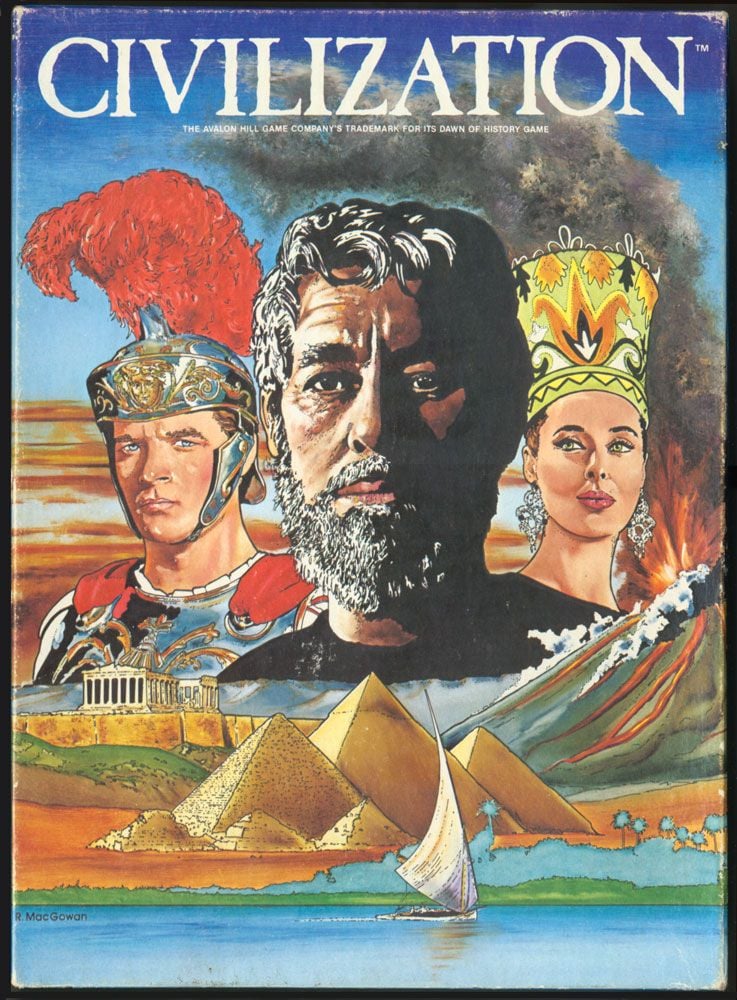
Civilization is a game of skill for 2 to 7 players. It covers the development of ancient civilizations from the invention of agriculture c. 8000 B.C. to the emergence of Rome around the middle of the third century B.C. Each player leads a nation of peoples over a map board of the Eastern Mediterranean and Near East as they attempt to carve a niche for themselves and their culture. Although battles and territorial strategy are important, this is not a war game because it is not won by battle or conquest. Instead, the object of play is to gain a level of overall advancement involving cultural, economic, and political factors so that such conflicts that do arise are a result of rivalry and land shortage rather than a desire to eliminate other players. Nomad and farmer, warrior and merchant, artisan and citizen all have an essential part to play in the development of civilization. It is the player who most effectively changes emphasis between these various outlooks who will achieve the best balance and win. (from the Introduction to the Avalon Hill edition rulebook) This game has a huge following and is widely regarded as one of the best games about ancient civilizations. Each player takes on the role of leader of an ancient civilization, such as the Illyrians or Babylonians. Your task is to guide your people through the ages by expanding your empire and using its proceeds to finance new technological advances, such as Literacy, Metalworking, or Law. The advancements help your civilization better cope with its problems as well as help bring new advancements. Civilization is widely thought to be the first game ever to incorporate a "technology tree," allowing players to gain certain items and abilities only after particular other items were obtained. This influential mechanism has been adopted by countless other board games, card games, and computer games.
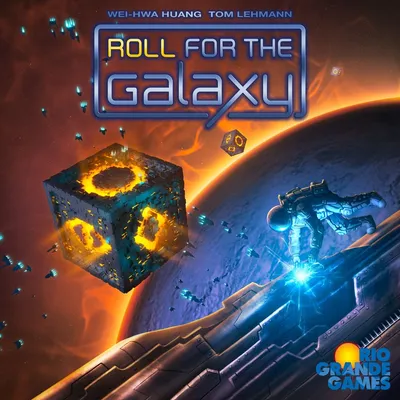
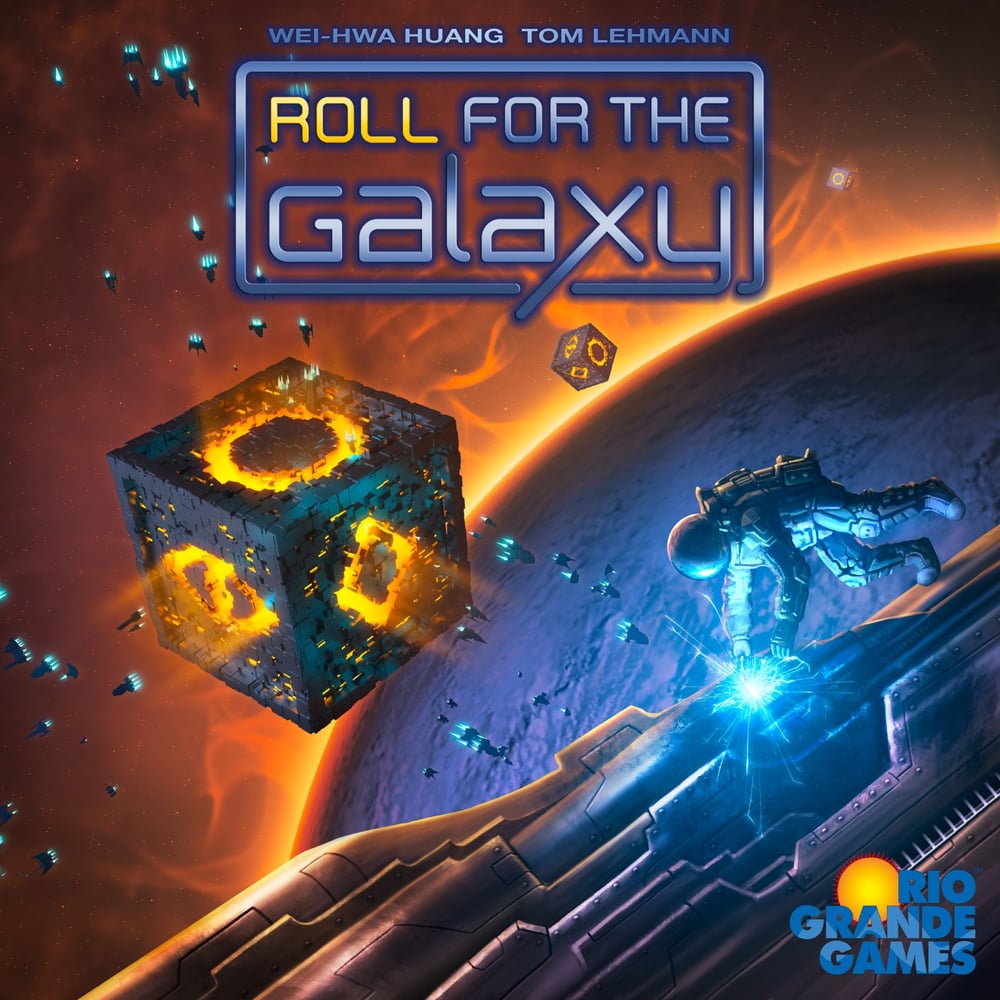
2014· 16 videos·Wei-Hwa Huang, Thomas LehmannSome playthroughs
- Videos
- 16
- Creators
- 11
Roll for the Galaxy is covered on BoardGameVideo.com by 2 reviews, 1 how-to-play guides, 5 recorded sessions, 2 unboxings, and 6 other videos.
2 - 5 players45 minMedium weight: Teach it in one sittingView on BoardGameGeek ›About Roll for the Galaxy, from BoardGameGeek:
Game description from the publisher: Roll for the Galaxy is a dice game of building space empires for 2–5 players. Your dice represent your populace, whom you direct to develop new technologies, settle worlds, and ship goods. The player who best manages his workers and builds the most prosperous empire wins! This dice version of Race for the Galaxy takes players on a new journey through the Galaxy, but with the feel of the original game.

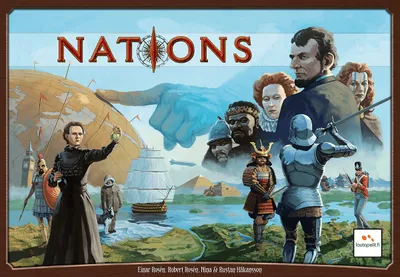
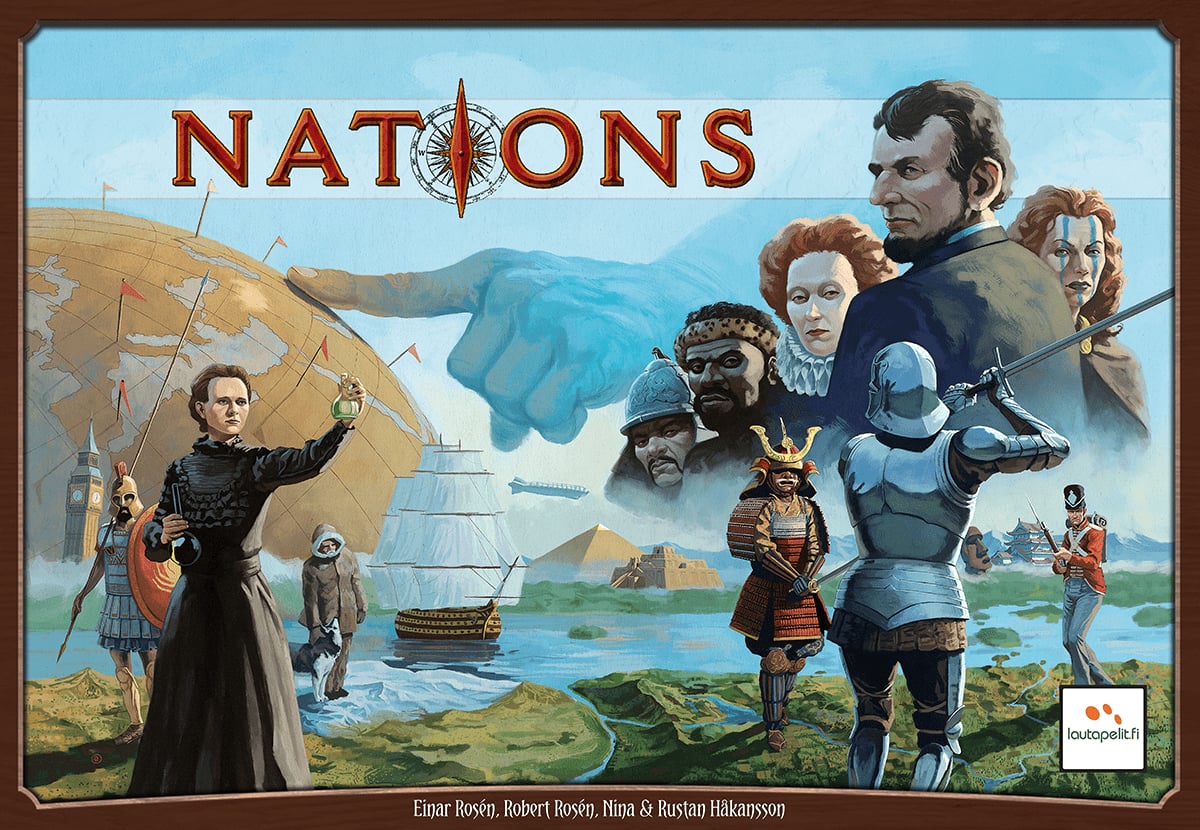
2013· 4 videos·Rustan Håkansson, Nina Håkansson, Einar Rosén, Robert Rosén
1 - 5 players40 - 200 minHeavy weight: Expect a long teachView on BoardGameGeek ›About Nations, from BoardGameGeek:
From the humble beginnings of civilization through the historical ages of progress, mankind has lived, fought, and built together in nations. Great nations protect and provide for their own, while fighting and competing against both other nations and nature itself. Nations must provide food and stability as the population increases. They must build a productive economy. And all the while, they must amaze the world with their great achievements to build up their heritage as the greatest nations in the history of mankind! Nations is an intense historical board game for 1–5 players that takes 40 minutes per player to play. Players control the fate of nations from their humble start in prehistoric times until the beginning of World War I. The nations constantly compete against each other and must balance immediate needs, long-term growth, threats, and opportunities. Gameplay introduction Players choose a Nation and a difficulty to play at, similar to the Civilization computer games series. After the growth phase, 2 historical events are revealed, which the players will compete for during the round. Then players take a single small action each, in player order, as many times as they wish until all have passed. Actions are: Buy a card Deploy a worker Hire an architect for a wonder Special action provided by a card Players each have individual boards that represent their Nation. There are many ways that players affect, compete, and indirectly interact with other players. But there is no map, no units to move around, and no direct attacks on other players. When all have passed, there is production, new player order is determined (every position is competed for), the historical events happen, and if this is the last round of an age, the books are scored. At the start of a new round, most old cards are removed and new ones are put on the display. Victory points are gained and lost during the game, and also awarded at the end of the game. The player with the most victory points is the winner. See 'More information' below for link to rules, etc.
2017· 3 videos·Stefan Risthaus
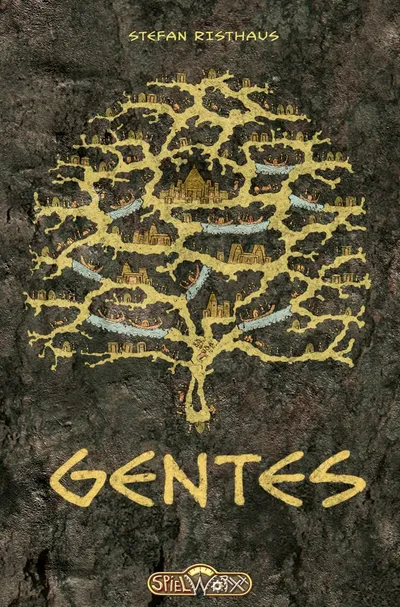
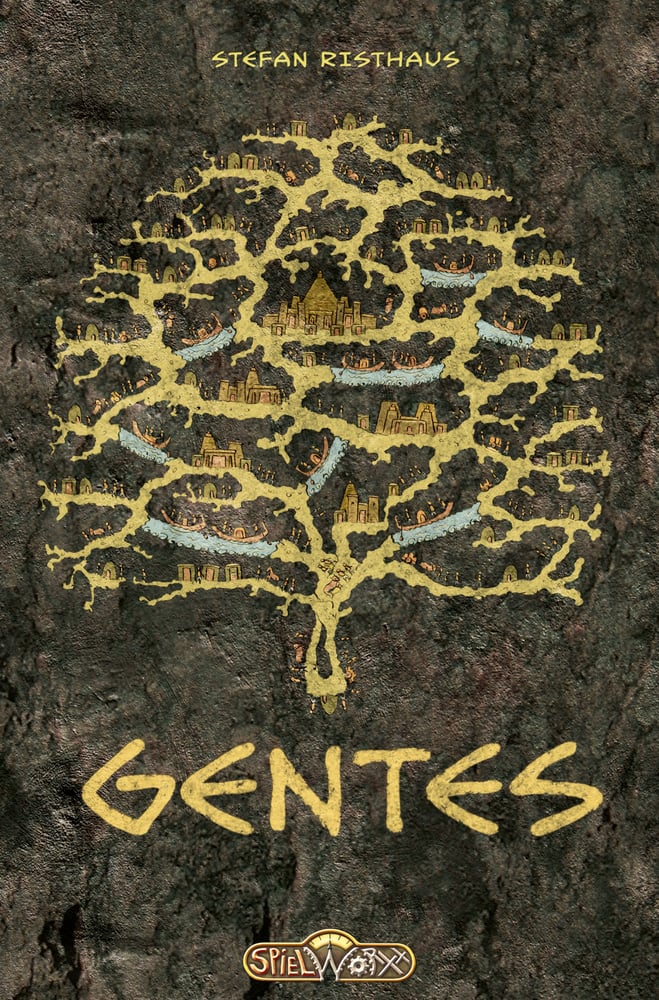
1 - 4 players90 minHeavy weight: Expect a long teachView on BoardGameGeek ›About Gentes, from BoardGameGeek:
Gentes is an interesting civilization game with an innovative timing mechanism. "Gentes" is a pleonasm of the Latin plural word for greater groups of human beings (e.g., tribes, nations, people; singular: "gens"). In this game, players take the role of an ancient people who are attempting to develop by building monuments and colonizing or founding new cities in the Mediterranean sea. The game is played in six rounds, each consisting of two phases: action phase, and tidying up. There are three eras - rounds 1-2, 3-4, 5-6 - with new monument cards entering the game at the beginning of rounds 1, 3 and 5. Each player has a personal player mat with a time track for action markers and sand timer markers. In the action phase of a round, the players take their turns in clockwise order, conducting one action per turn. Each action requires an action marker from the main board that is placed on the time track. Depending on the information on the action marker, you have to also pay some money or take sand timers that are placed on the time track. When you have no free spaces on your time track, you must pass for the remainder of the round. Therefore, the number of actions per player in a single round may vary significantly if, for example, you choose double sand timers instead of two single ones or take action markers that require more money but fewer sand timers. Single sand timers are dropped in the tidying up phase, while double sand timers are flipped to become single sand timer markers and stay for another round. The actions are: Buy new cards from the common display Build monuments (playing cards from your hand to your personal display for victory points and new options) Train/Educate your people Build/found cities Take money To play a card, you must meet the requirements printed on that card, such as having specific persons on your personal board (e.g., two priests and four soldiers). These requirements are why training - i.e., getting specific people - is important, but that is not that easy because there are six different types of people - three on the left and three on the right side of your personal player board - and you have only six spaces in total for the two types in the same line. If you have three merchants, for example, you move your marker for counting merchants three spaces toward the side of the soldiers and thus you have only three spaces left for soldiers. By educating a fourth soldier and moving your soldier marker forward to its fourth space, you automatically lose one merchant because that marker is pushed back to its second space. It is crucial to generate additional actions by using the specific functions of monuments in your display and cities you have built. Cities are expensive, but they create benefits at the end of each round or provide new options for taking an action without acquiring an action marker, gaining only a sand timer marker instead. Try to have a steady income to avoid wasting actions to take money. Pay attention to the display of common cards, which is new in every single game, because the monument cards are shuffled randomly within the decks of eras I, II and III. Collect identical achievement symbols on the cards to benefit from the increasing victory points for a series of symbols. Build cities to enlarge your options! The differences between the Deluxified and regular edition: Includes "New Cities" Expansion A foil stamped box 6 oversized meeples 24 normal sized meeples 89 metal coins 28 wood action tokens 21 wood lock tokens 60 wood hourglass tokens 4 dual layered player boards 4 custom shaped score tokens folded space custom insert 1 drawstring bag 1 upgraded round token
Explore more videos













Description provided by Rahdo Runs Through on YouTube:
Sponsored by Cohado, a game by Paulo Gregory, now on Kickstarter: https://www.kickstarter.com/projects/paulogregory/cohado-peoples-set Help Rahdo Run: http://patreon.com/rahdo ❤️ Code of conduct: http://conduct.rahdo.com 🙂 And now... A video letting everyone know our Top 10 Civilization Games. Recorded live 5/12/26. More Shelfside: https://www.youtube.com/shelfside 0:00 Intro 0:24 What's on the table? (sponsor) 6:30 Special Guest Ashton of Shelfside 7:35 Talking Civilization Games 13:02 10. Voidfall https://www.youtube.com/watch?v=-scczngCe3c 18:13 9. Tapestry https://www.youtube.com/watch?v=vHJbdLxgb3s 24:01 8. It’s A Wonderful World https://youtu.be/ZAb5cEur0MM 30:40 7. Sid Meier’s Civilization https://youtu.be/WCEMLZc-gnY 38:14 6. Nations https://www.youtube.com/watch?v=pJT-nwiZwG8 49:30 5. Galactic Era https://youtu.be/tarxrYSx-AY?si=VWsHTd1a5fSyvcNq 56:54 4. Gentes https://youtu.be/5x7KuzwZzck?si=DMk9pUCWeDCDqaUb 1:00:23 3. 7 Wonders https://www.youtube.com/watch?v=oyBdLKrxykI 1:06:49 2. Twilight Imperium 4th Edition https://www.youtube.com/watch?v=Hl9NaG4TzGM 1:16:55 1. Roll for the Galaxy https://www.youtube.com/watch?v=mDOoNy-ZTRM 1:24:51 Rahdo's Full Top 10 1:32:30 Honorable Mentions
Related Content
game
More Tapestry videos
game
More Voidfall videos
game
More It's a Wonderful World videos
game
More 7 Wonders videos
game
More Galactic Era videos
game
More 7 Wonders (Second Edition) videos
game
More Civilization videos
game
More Roll for the Galaxy videos
game
More Nations videos
game
More Gentes videos
channel
More videos from this channel