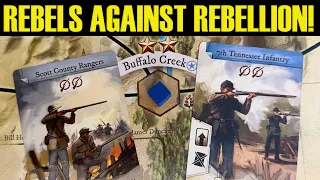
Watch “Rebels Against Rebellion (C-) I think it's a wargame - Kickstarter Critique Review,” a board game review for Rebels Against Rebellion on BoardGameVideo.
Description provided by Bower's Game Corner on YouTube:
Special thanks to ONIRO for sponsoring this episode. If you're preparing to launch a Kickstarter or Gamefound campaign, ONIRO is a name worth knowing. They specialize in cinematic trailers, 2D/3D animation, Unreal Engine storytelling, photography, campaign page graphic design and premium marketing content designed to help crowdfunding projects stand out from the crowd. They've worked with some of the biggest publishers in the tabletop industry, helping bring games to life and build excitement before launch. Whether you're a first-time creator or an established publisher, ONIRO has the experience and creative talent to help take your campaign to the next level. Be sure to check them out and see what they can do for your project.
https://oniro.com/
Interested in having your next Kickstarter project featured? Check out my Fiverr - https://www.fiverr.com/share/LBGxap
Check out the Kickstarter: https://www.kickstarter.com/projects/markhwalker/rebels-against-rebellion?ref=discover_saved_projects&category_id=34
Want To Help The Channel Get Better? Consider my Patreon: https://www.patreon.com/Bowersgamecorner
Purchase games on Amazon and support the channel!?: http://amzn.to/2rTdgsf
Get a peak behind the scenes and join my Facebook Group!: https://www.facebook.com/BowersGameCorner
For More INfo: https://boardgamegeek.com/boardgame/471903/rebels-against-rebellion
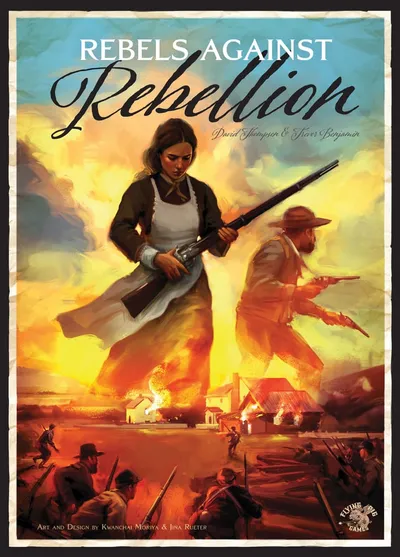
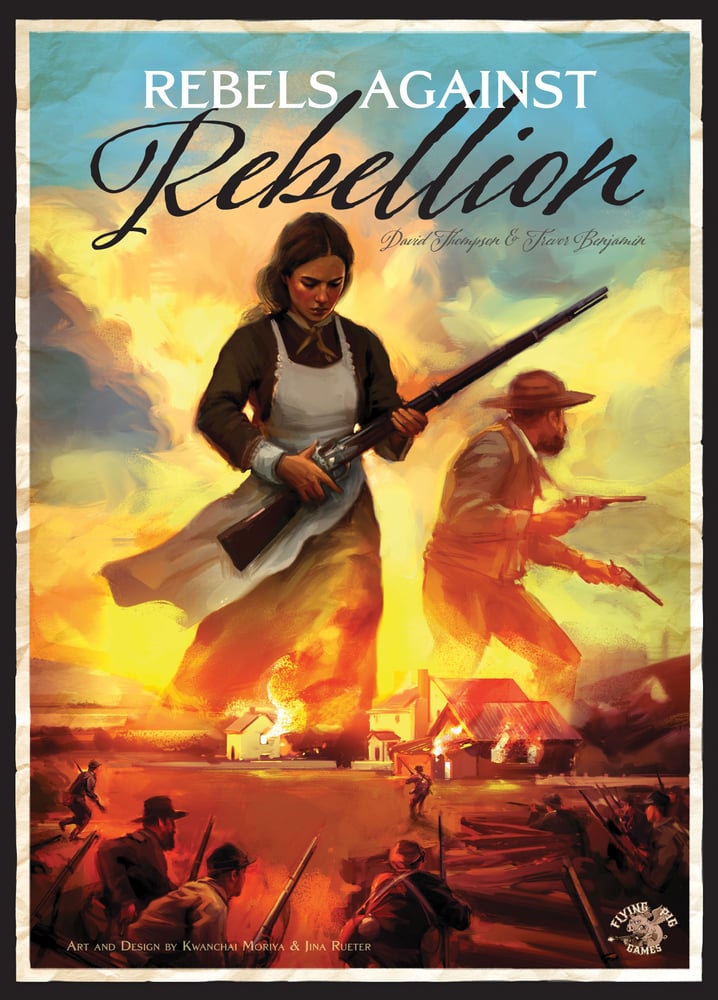
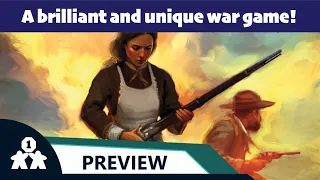
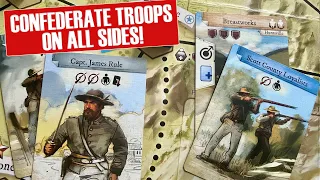
From The Publisher: Rebels Against Rebellion is a card-driven war game designed by award-winning designers, David Thompson and Trevor Benjamin. The cards in your deck represent the units and locations under your control. Each turn you will play cards to perform actions on the board and to add, remove, and improve the cards in your deck. The player who most successfully spreads their control across Scott County is the winner.
Tennessee’s role in the American Civil War and the Secession Crisis was marked by significant internal divisions between its eastern, middle, and western regions. In early 1861, when South Carolina became the first state to secede from the Union, Tennessee’s legislature resisted the idea. However, following the attack on Fort Sumter in April 1861, Tennessee was forced to readdress its position. On June 8, 1861, a state referendum resulted in a decisive vote to secede.
Despite this formal decision, Tennessee remained divided. In the eastern part of the state, loyalist sentiment was strong. East Tennessee had overwhelmingly voted against secession in the 1861 referendum, while West and Middle Tennessee overwhelmingly supported secession.
As tensions escalated, residents of East Tennessee found themselves forced to take sides, often leading to violent confrontations. Loyalist- and secessionist-aligned partisans and outlaws engaged in raids on farms, stealing livestock, and destroying property. The establishment of local militia groups known as the home guard sought to defend loyalists. These small militias acted in secret, launching surprise attacks on Confederate soldiers and secessionist raiders, but they also faced constant threats from the Confederate army and local secessionist groups.
Of the thirty-one counties in East Tennessee, none voted against succession by a higher margin than Scott County. With a vote of 521 to 19 in favor of rejecting secession, the county’s stance was clear. Local residents so opposed the Confederacy that later in 1861, the county court approved a protest resolution declaring the county’s secession from the State of Tennessee and the creation of a “Free and Independent State of Scott.”
This is the story of the Free and Independent State of Scott during the Civil War.