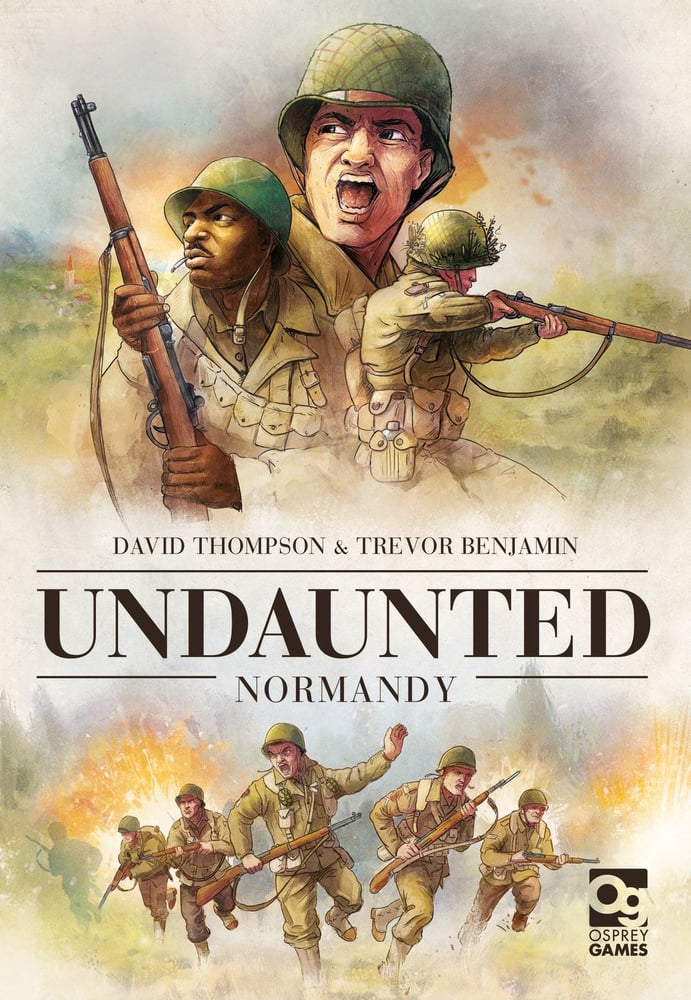
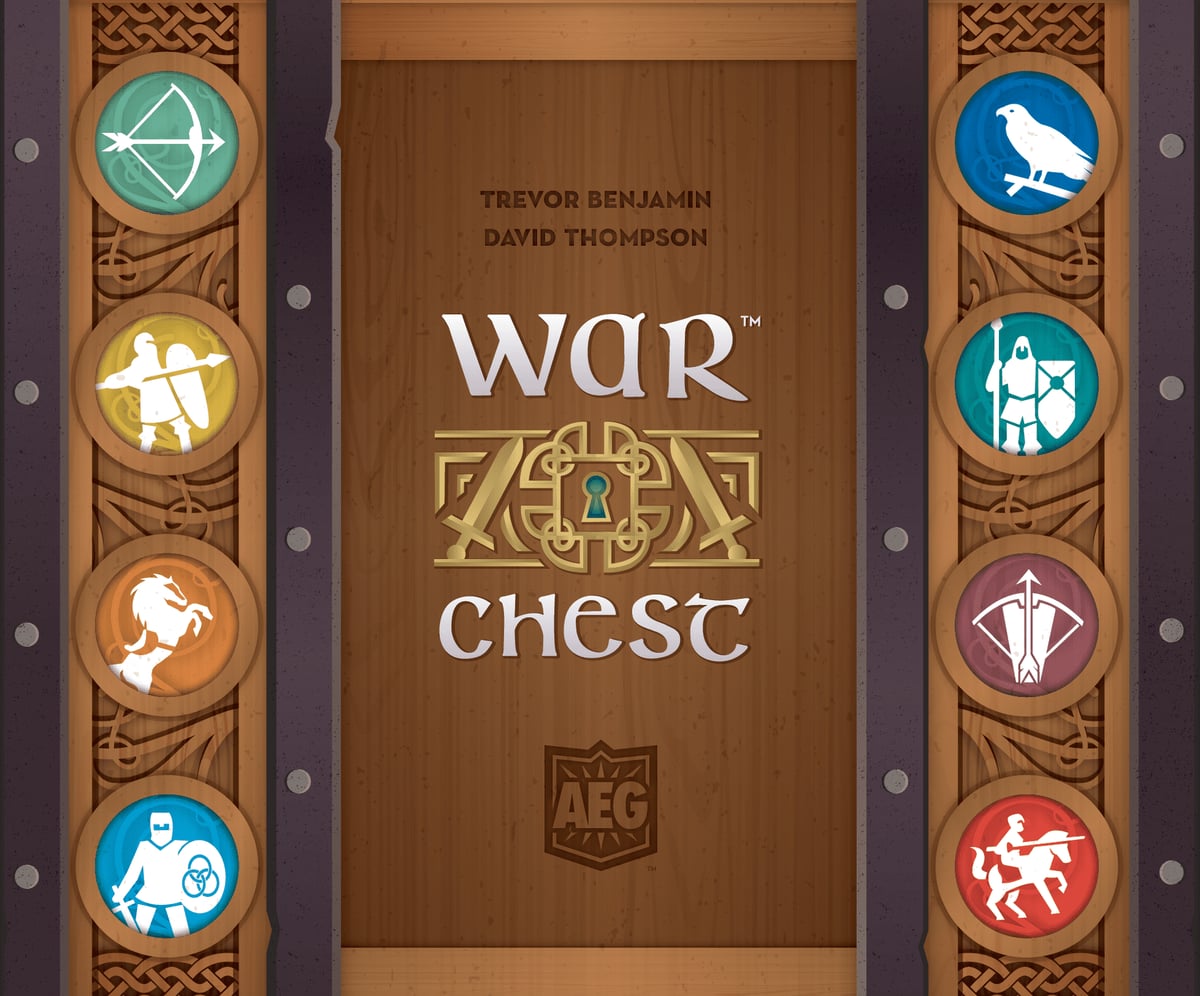
2018Trevor Benjamin, David Thompson (I)
- Videos
- 131
- Creators
- 89
Mainly reviews and playthroughs
2 - 4 players30 min2.3 weight
/pic9617514.jpg)
2026Trevor Benjamin, David Thompson (I)
From BoardGameGeek
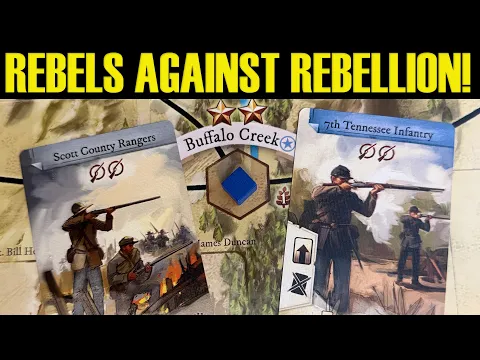
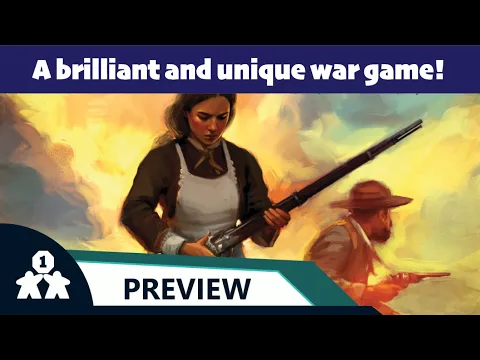
Rebels Against Rebellion is a card-driven war game designed by award-winning designers, David Thompson and Trevor Benjamin. The cards in your deck represent the units and locations under your control. Each turn you will play cards to perform actions on the board and to add, remove, and improve the cards in your deck. The player who most successfully spreads their control across Scott County is the winner. Tennessee's role in the American Civil War and the Secession Crisis was marked by significant internal divisions between its eastern, middle, and western regions. In early 1861, when South Carolina became the first state to secede from the Union, Tennessee's legislature resisted the idea. However, following the attack on Fort Sumter in April 1861, Tennessee was forced to readdress its position. On June 8, 1861, a state referendum resulted in a decisive vote to secede. Despite this formal decision, Tennessee remained divided. In the eastern part of the state, loyalist sentiment was strong. East Tennessee had overwhelmingly voted against secession in the 1861 referendum, while West and Middle Tennessee overwhelmingly supported secession. As tensions escalated, residents of East Tennessee found themselves forced to take sides, often leading to violent confrontations. Loyalist- and secessionist-aligned partisans and outlaws engaged in raids on farms, stealing livestock, and destroying property. The establishment of local militia groups known as the home guard sought to defend loyalists. These small militias acted in secret, launching surprise attacks on Confederate soldiers and secessionist raiders, but they also faced constant threats from the Confederate army and local secessionist groups. Of the thirty-one counties in East Tennessee, none voted against succession by a higher margin than Scott County. With a vote of 521 to 19 in favor of rejecting secession, the county's stance was clear. Local residents so opposed the Confederacy that later in 1861, the county court approved a protest resolution declaring the county's secession from the State of Tennessee and the creation of a “Free and Independent State of Scott.” This is the story of the Free and Independent State of Scott during the Civil War. -description from the publisher


2018Trevor Benjamin, David Thompson (I)
2 - 4 players30 min2.3 weight
2019Trevor Benjamin, David Thompson (I)
2 players45 - 60 min2.3 weight
2022Roger Tankersley, David Thompson (I)
1 - 4 players40 - 70 min2.4 weight
2022Trevor Benjamin, David Thompson (I)
2 players45 - 75 min2.7 weight
From BoardGameGeek:
Designers
Trevor Benjamin, David Thompson (I)
Artist
Kwanchai Moriya
Categories
Mechanics