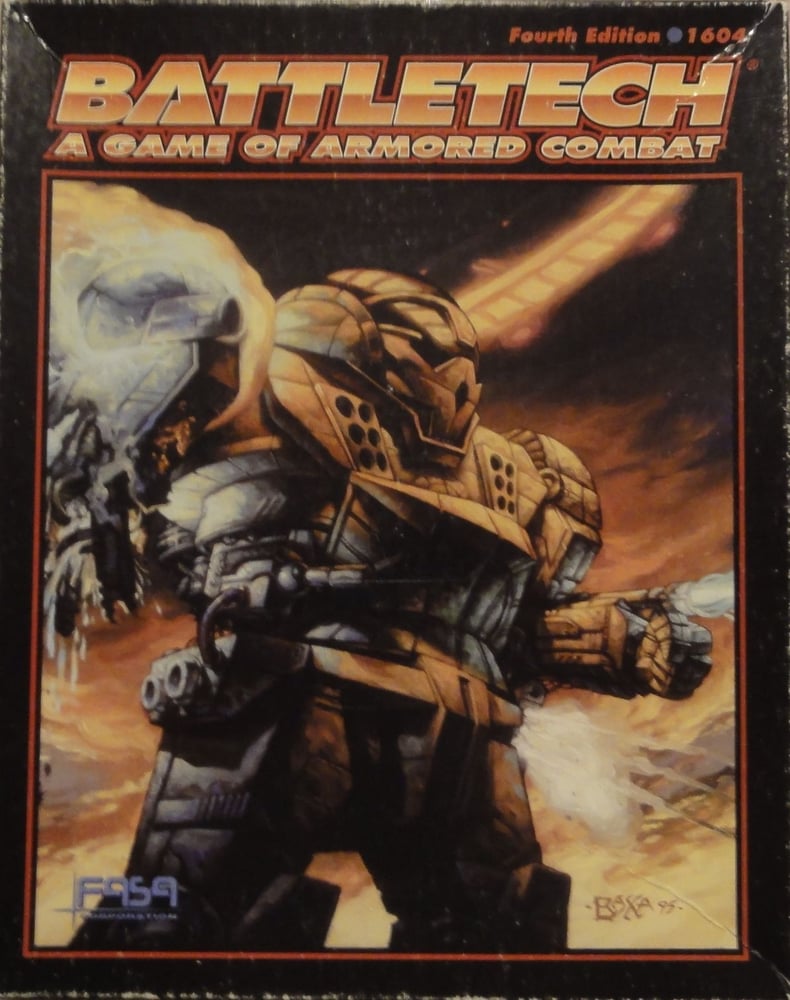
1985Forest Brown, L. R. "Butch" Leeper, Jordan Weisman
- Videos
- 60
- Creators
- 10
Some playthroughs
2 - 4 players0 min3.4 weight
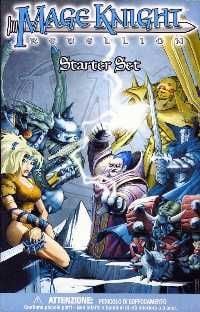
2000Kevin Barrett, Jordan Weisman
From BoardGameGeek
WizKids' first game, Mage Knight cleverly applies the CCG concept to miniatures; a "Starter Pack" contains 10 random pre-painted, plastic miniatures, while "Booster Packs" contain 5. Figures' stats are kept track of via dials on their bases, which change depending on how much damage they've taken. As in most miniatures games, players each create an army with the same number of points (with each miniature having a different point value), then take turns moving and attacking until all of the opponent's forces are dead or captured, the opponent withdraws, or your pre-determined time limit expires. The same figures could be used in two other games: Mage Knight Conquest Mage Knight Dungeons Mage Knight 2.0 Mage Knight 2.0 changed many rules which overhauled or expanded, they introduced new strategic possibilities to the game, including capabilities to customize Unique warriors and battles via styrene cards called Items, Domains, and Constructed Terrain. Later expansions introduced more options via Spellbooks, Spells, and Adventuring Companies. It was eventually counted as a new game since the old figures were ruled obsolete for all tournaments that utilized the Mage Knight 2.0 format. The two "versions" can be distinguished by their logos; the original Mage Knight sets feature a straight short sword through the logo while "2.0" and its subsequent expansions have a curved scimitar.

1985Forest Brown, L. R. "Butch" Leeper, Jordan Weisman
2 - 4 players0 min3.4 weight
2021Ryan Schapals, Zach Weisman, Jordan Weisman, Michael Kindt Dalzen
1 - 5 players40 - 160 min2.8 weight
2002Kevin Barrett, Paul Nobles, Matt Robinson
2 - 10 players60 min2.7 weight
1987L. Ross Babcock, III, Albie Fiore, Sam Lewis, Jordan Weisman, Dave Wylie
2 - 4 players120 min3.1 weight
From BoardGameGeek:
Designers
Kevin Barrett, Jordan Weisman
Artists
James Carter, Brian Dugas, Wayne England, Sandra Garavito, Kimberly Goddard, Shane Hartley, David Heutmaker, Bob Naismith, Kian Chai NG, Ethan Pasternack, Tim Prow, Steven Saunders, Shane Small, Dave Studer, Dave Summers, James Van Schaik, Dawne Weisman
Categories