













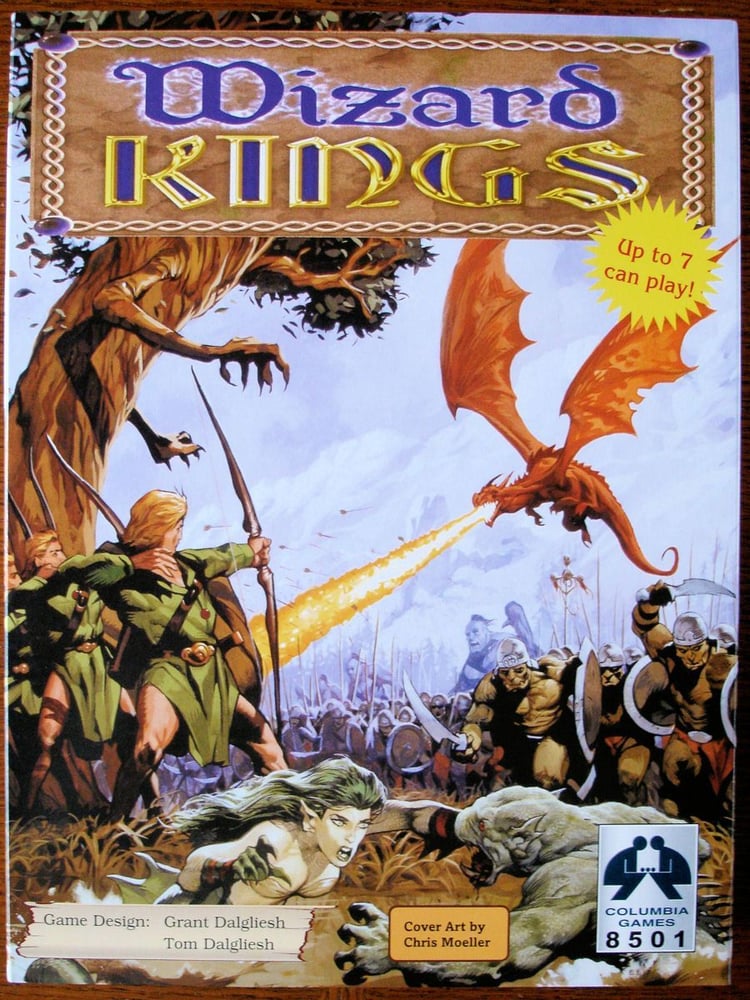
2000Tom Dalgliesh, Grant Dalgliesh
- Videos
- 26
- Creators
- 6
Mainly how-to-play
2 - 7 players150 minMedium weight
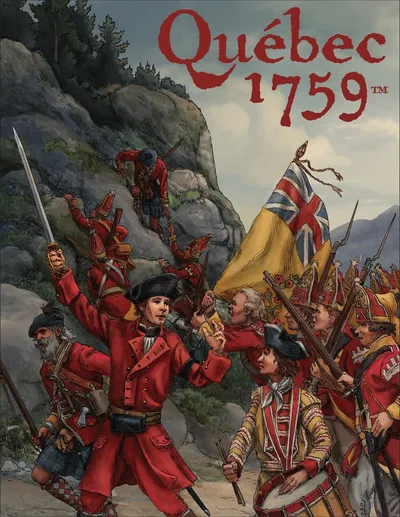
1972Steve Brewster, Tom Dalgliesh, Lance Gutteridge
Mainly reviews and unboxings. Quebec 1759 is covered on BoardGameVideo.com by 6 reviews, 3 how-to-play guides, 3 recorded sessions, 5 unboxings, and 3 other videos.
From BoardGameGeek
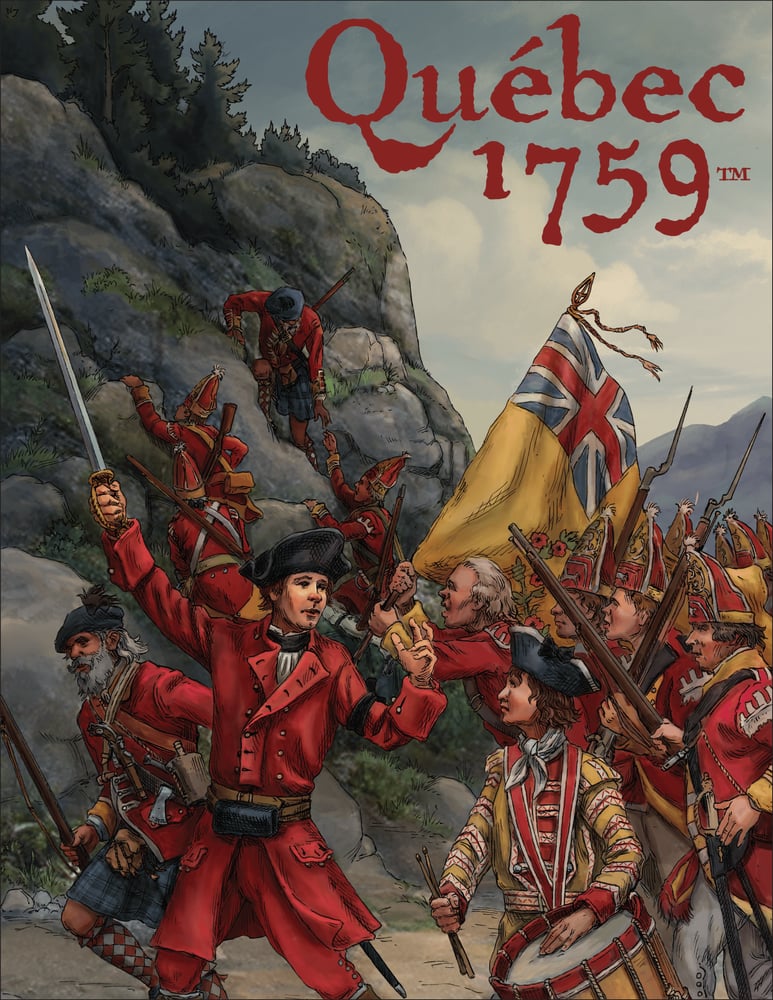
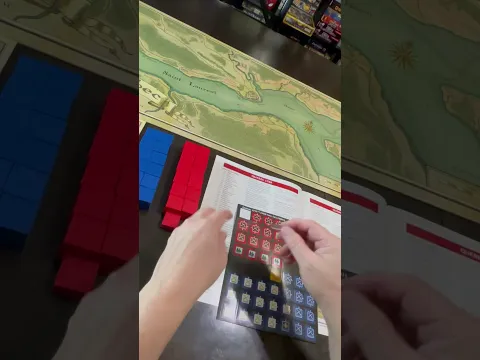
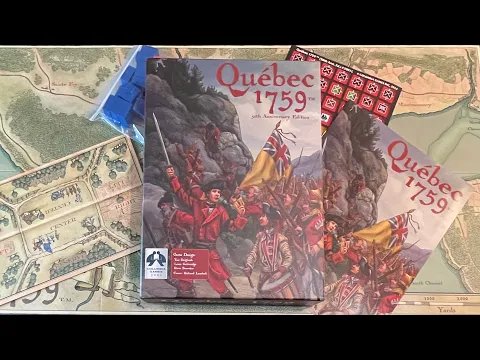
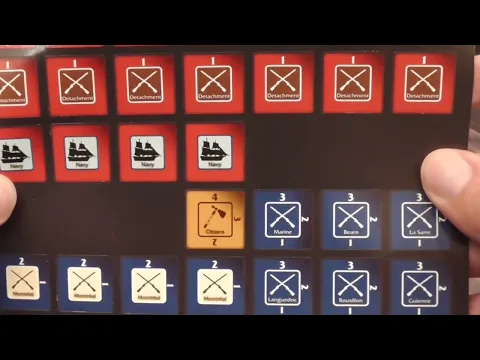
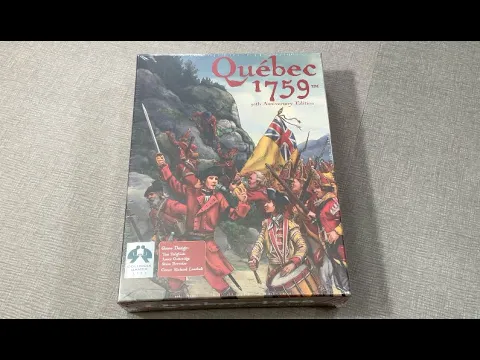
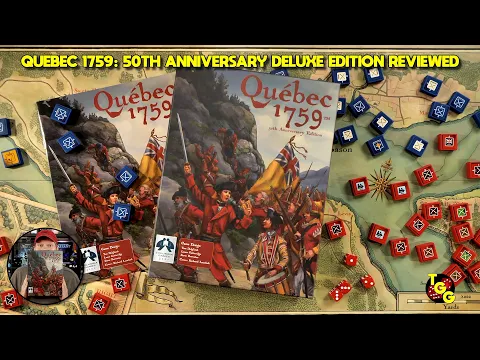
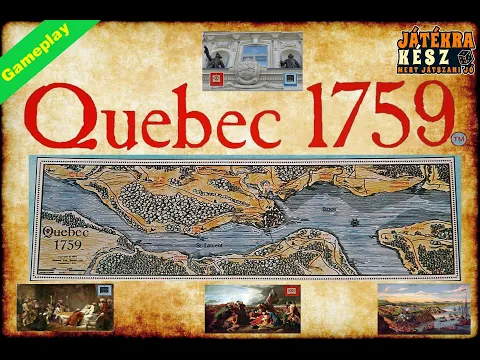
Quebec 1759 is a small, simple and short block board-wargame covering the conflict between the British and the French in Canada during the French and Indian War. The game comes with a gorgeous map drawn in the style of the period. Movement is conducted via a point-to-point system following the roads and towns in the area around Quebec. The game comes with handfuls of blocks to represent the British and French units. This title uses Columbia Games Block system. While there are variations in the rule sets, all of their wargames are based on the block system. Basically this means that rather than using the traditional counters to represent units on the map the game uses wooden blocks that stand upright with unit details only shown on one side. This does two things: First it provides an easy way of producing a "fog of war" because your opponent can not tell, save through good memory, what type of unit a specific piece is or its current strength. Second, having the blocks stand on end allows the possibility of rotating a block so the current strength is the top number. Although most war games have some type of mechanism that lets units take steps in their overall strength, counters normally have at most two steps because they only have two sides. Blocks, however, have four so you can easily keep track of twice the amount of detail that many other war games provide. With the use of blocks Columbia has provided a way of adding a good deal of depth to their war games without adding complex layers of bookkeeping, allowing interesting and relatively short sessions of play.
Quebec 1759 has 20 videos from 15 creators: 6 reviews, 3 how-to-play guides, 3 playthroughs, 5 unboxings and 3 other videos. They date from 2010 to October 2025.
To learn the rules, start with "QUEBEC 1759 / LEARN To PLAY In 17 MINUTES / RULES Walkthrough" by Legendary Tactics, which runs 18 min. For a quicker teach, "Great British Battles of the 18th Century: The Siege of Quebec and the Battle of the Plains of Abraham" by 17Gren00 runs 6 min.
For an opinion before you buy, start with "Video Review" by MarcoOmnigamer. 6 creators have reviewed it. To see it played, watch "Quebec 1759 wrap up and impressions after two plays." by Big Board Gaming, one of 3 playthroughs.
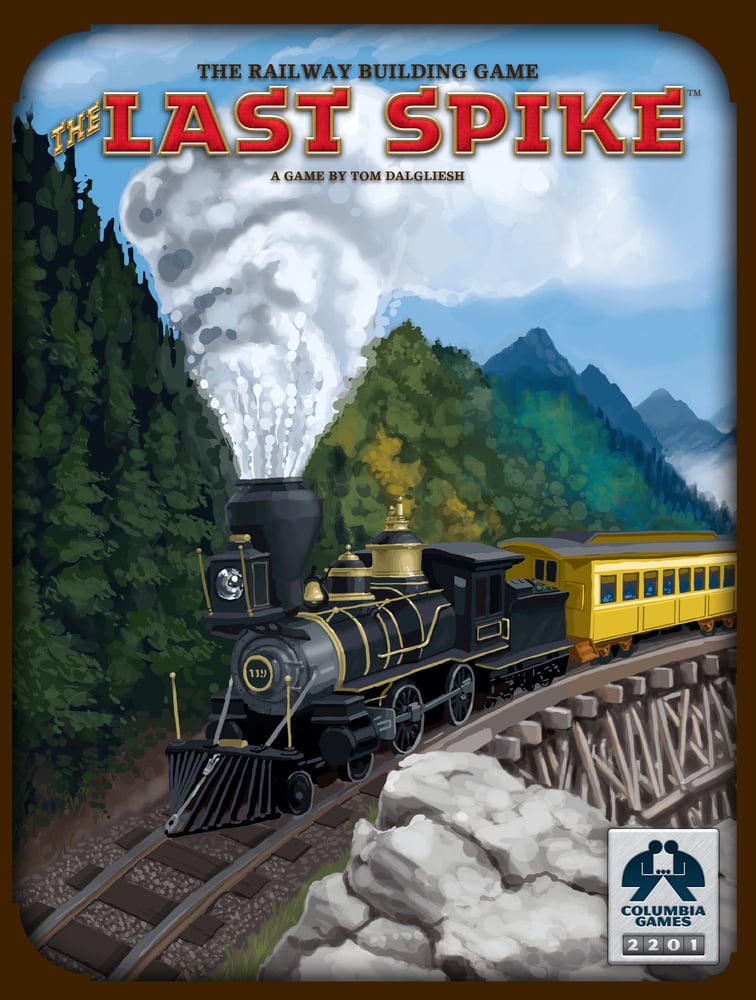
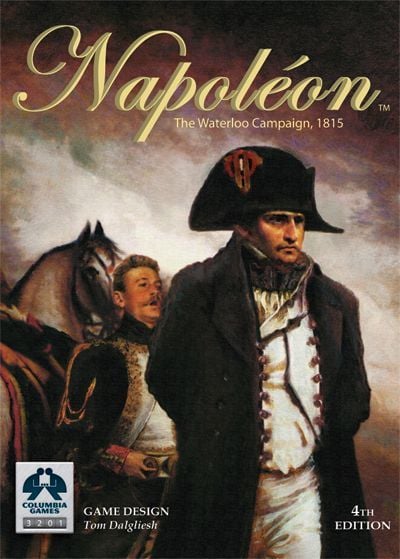
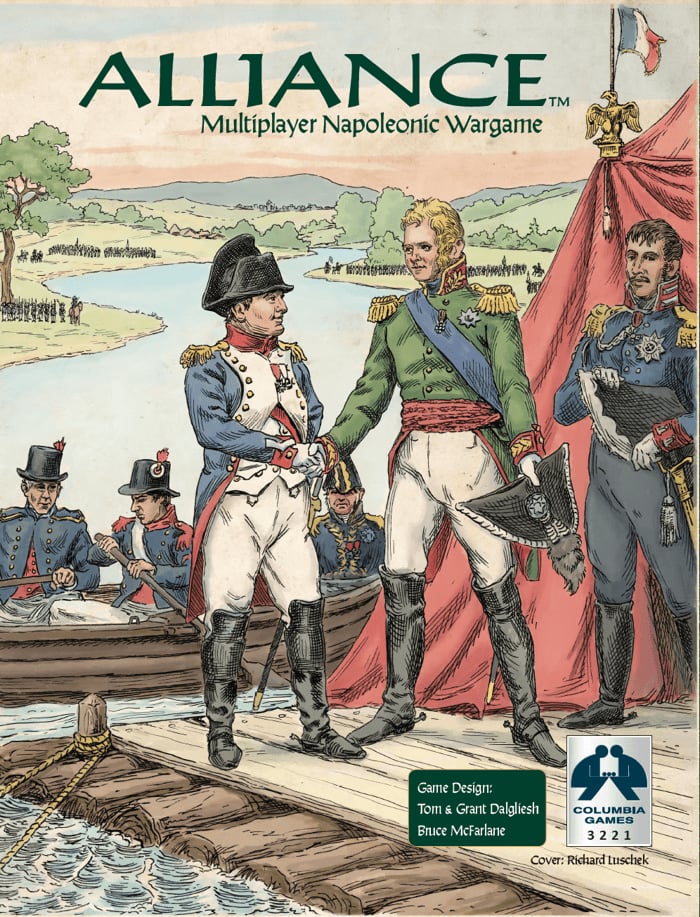
If you like it, try Wizard Kings, The Last Spike, Napoléon: The Waterloo Campaign, 1815 and Alliance, also by Tom Dalgliesh.
8 of 15


2000Tom Dalgliesh, Grant Dalgliesh
2 - 7 players150 minMedium weight
1974Tom Dalgliesh, Ron Gibson, Lance Gutteridge
2 - 3 players120 minMedium weight
2024Tom Dalgliesh, Grant Dalgliesh, Bruce McFarlane
1 - 7 players120 - 480 minMedium weight
From BoardGameGeek:
Quebec 1759 is a small, simple and short block board-wargame covering the conflict between the British and the French in Canada during the French and Indian War. The game comes with a gorgeous map drawn in the style of the period. Movement is conducted via a point-to-point system following the roads and towns in the area around Quebec. The game comes with handfuls of blocks to represent the British and French units. This title uses Columbia Games Block system. While there are variations in the rule sets, all of their wargames are based on the block system. Basically this means that rather than using the traditional counters to represent units on the map the game uses wooden blocks that stand upright with unit details only shown on one side. This does two things: First it provides an easy way of producing a "fog of war" because your opponent can not tell, save through good memory, what type of unit a specific piece is or its current strength. Second, having the blocks stand on end allows the possibility of rotating a block so the current strength is the top number. Although most war games have some type of mechanism that lets units take steps in their overall strength, counters normally have at most two steps because they only have two sides. Blocks, however, have four so you can easily keep track of twice the amount of detail that many other war games provide. With the use of blocks Columbia has provided a way of adding a good deal of depth to their war games without adding complex layers of bookkeeping, allowing interesting and relatively short sessions of play.
Designers
Steve Brewster, Tom Dalgliesh, Lance Gutteridge
Publisher
Columbia Games
Categories
Mechanics