2021John Coveyou, Paul Salomon, Ian Zang
- Videos
- 74
- Creators
- 54
Mostly reviews and unboxings
1 - 5 players45 - 90 minMedium weight
2026John Coveyou
From BoardGameGeek
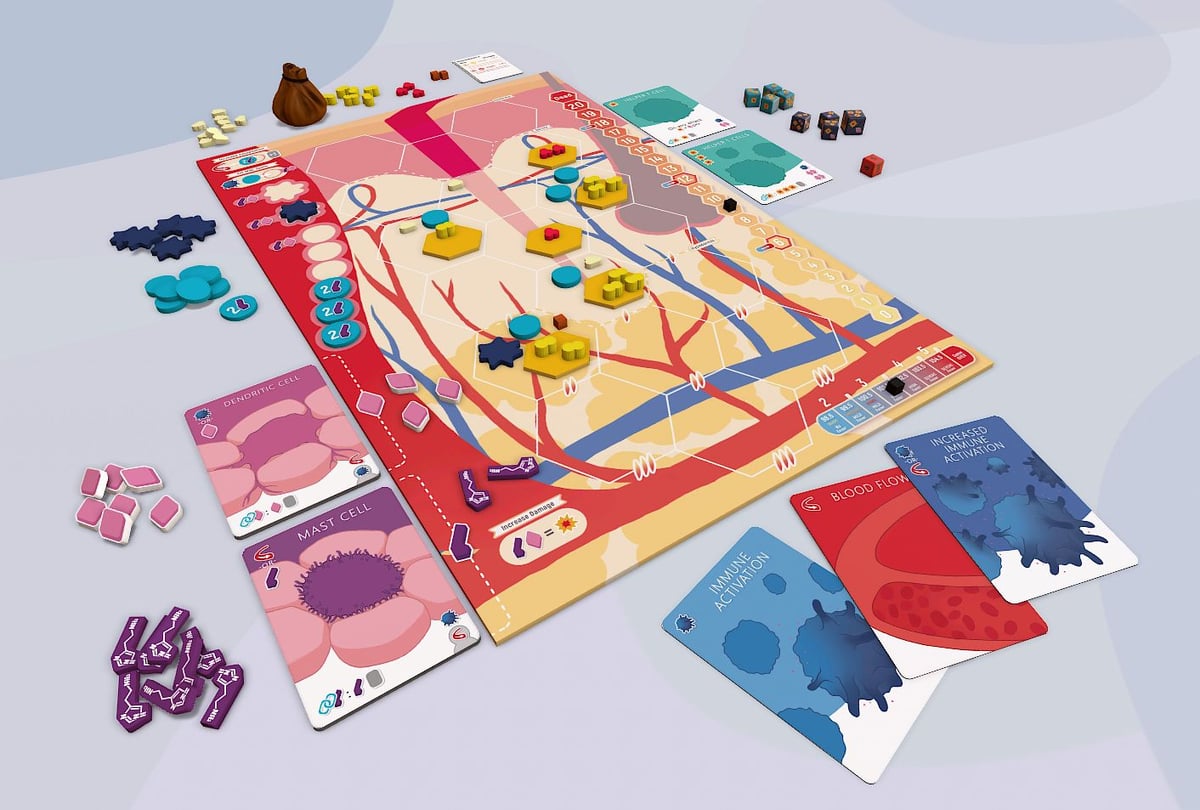
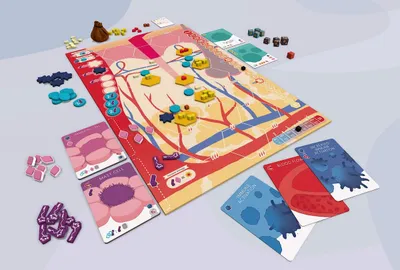
In Immunology: An Infection Defense Game, players work together as the human immune system to fight a bacterial infection spreading through a cut in the skin. Grounded in the real science of how the human immune system responds to invading bacteria, the game follows the body's escalating immune response as bacteria enter the wound, multiply, and push deeper into the surrounding tissue while players build increasingly powerful defenses to stop them. Each round begins with an Inflammation card that threatens to make the infection worse. Bacteria may replicate, spread deeper into the wound, become more difficult to eliminate, or cause additional tissue damage. Players must decide which threats need to be dealt with immediately and which can be allowed to develop while they invest in stronger defenses. Using cards and shared resources, players recruit and move white blood cells, attack bacterial colonies, increase vasodilation, produce immune signaling molecules like Cytokines or Histamine, clear accumulated pus, and upgrade the immune system. Neutrophils are plentiful first responders that can quickly attack bacteria but contribute to pus when they die, while Macrophages are more costly but can both destroy bacteria and clean up the aftermath of the immune response. Dendritic Cells produce Cytokines that help recruit additional defenders, and Mast Cells release Histamine to increase vasodilation and bring more immune cells to the infection. Different bacteria create different challenges. Streptococcus can spread rapidly through the wound, Staphylococcus is more difficult to destroy and can kill attacking Neutrophils, while Pseudomonas becomes especially dangerous deeper in the wound, where it can develop protective biofilms. As the infection grows, players face a continual choice between spending their limited resources to contain the immediate threat or investing in a stronger immune response for the rounds ahead. To win, the players must eliminate the invading bacteria and bring the infection under control before it spreads too deeply and overwhelms the body's defenses. Immunology: An Infection Defense Game is a cooperative strategy game inspired by the real biology of inflammation, bacterial infection, and the human immune response. -description from the designer and publisher
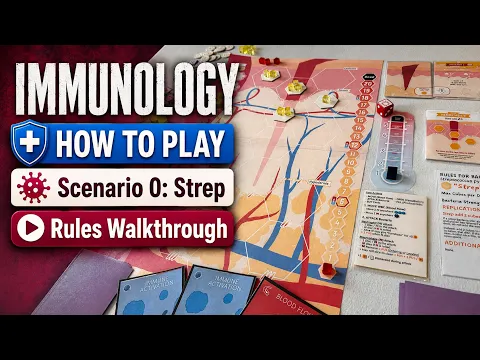
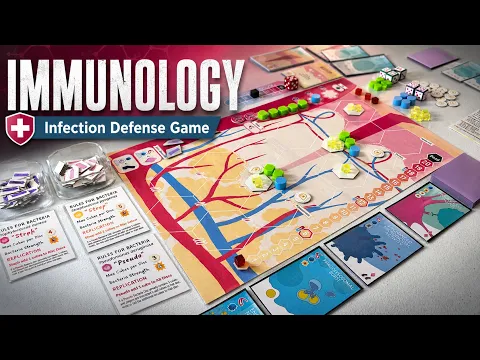
Immunology: An Infection Defense Game has 2 videos from 1 creator: 2 how-to-play guides. They date from September 2026.
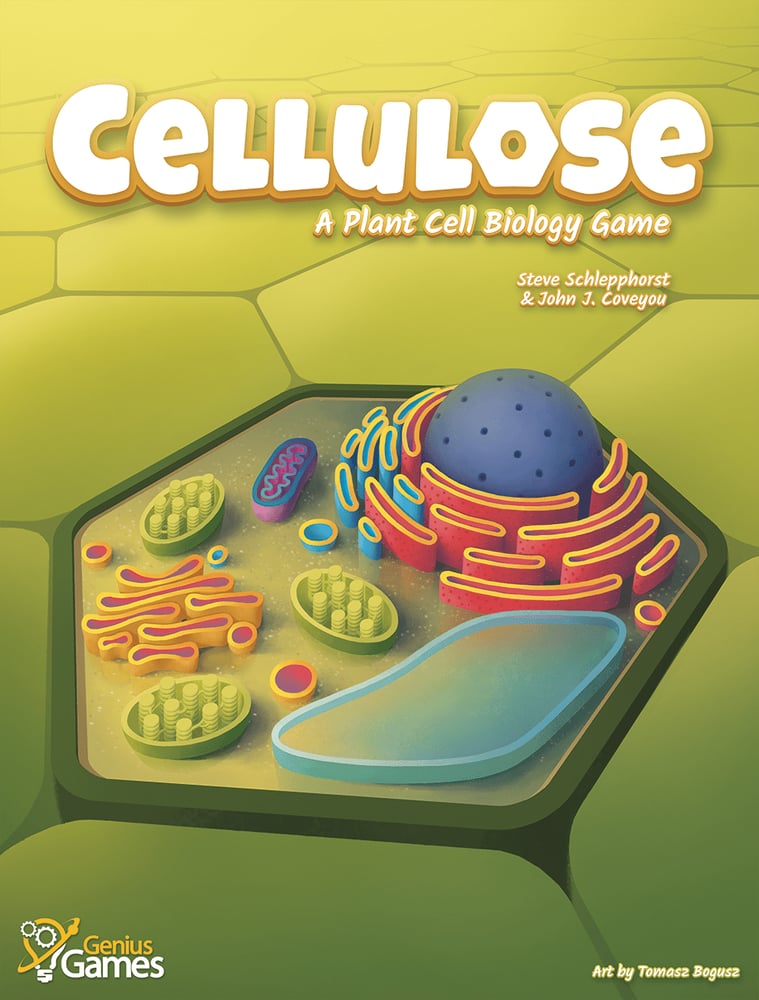
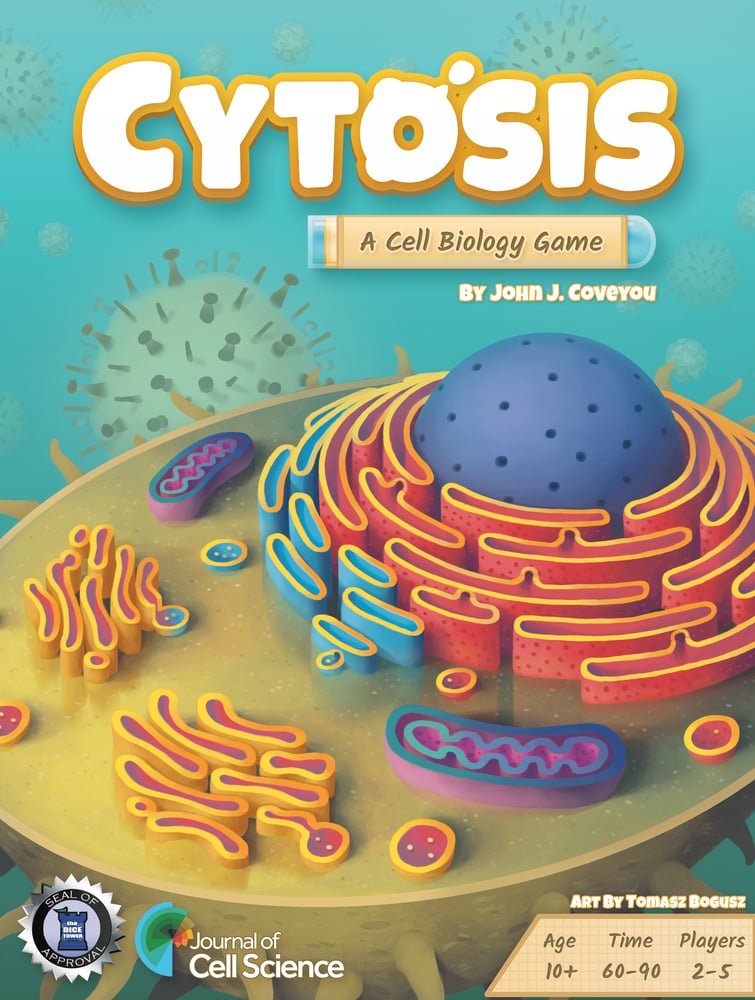
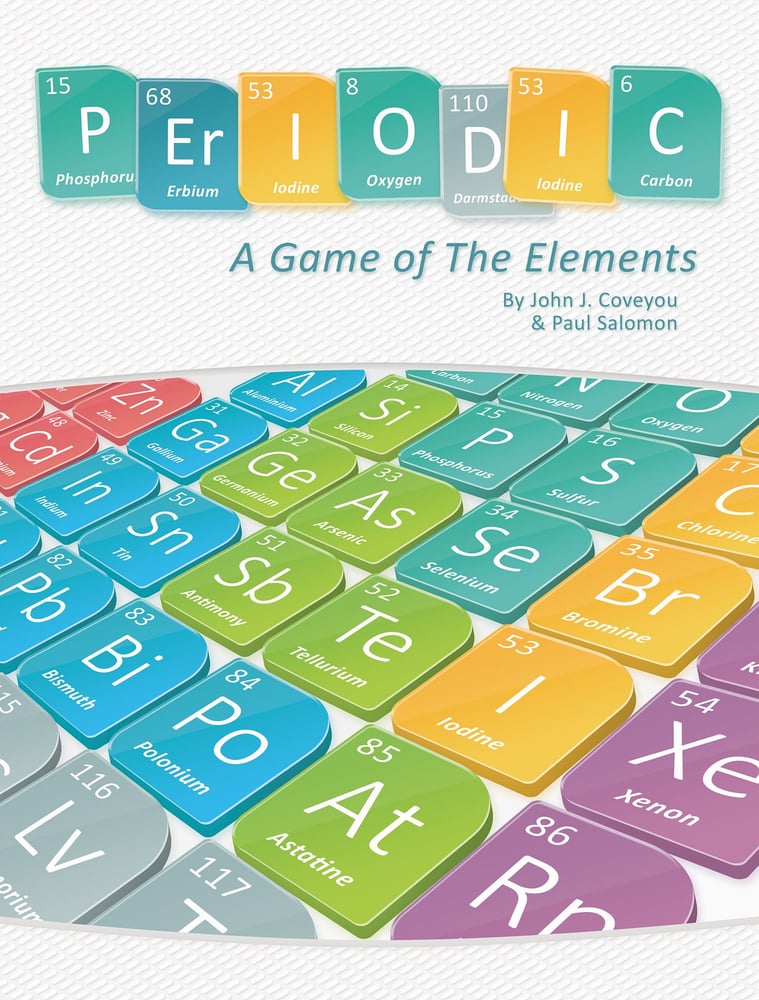
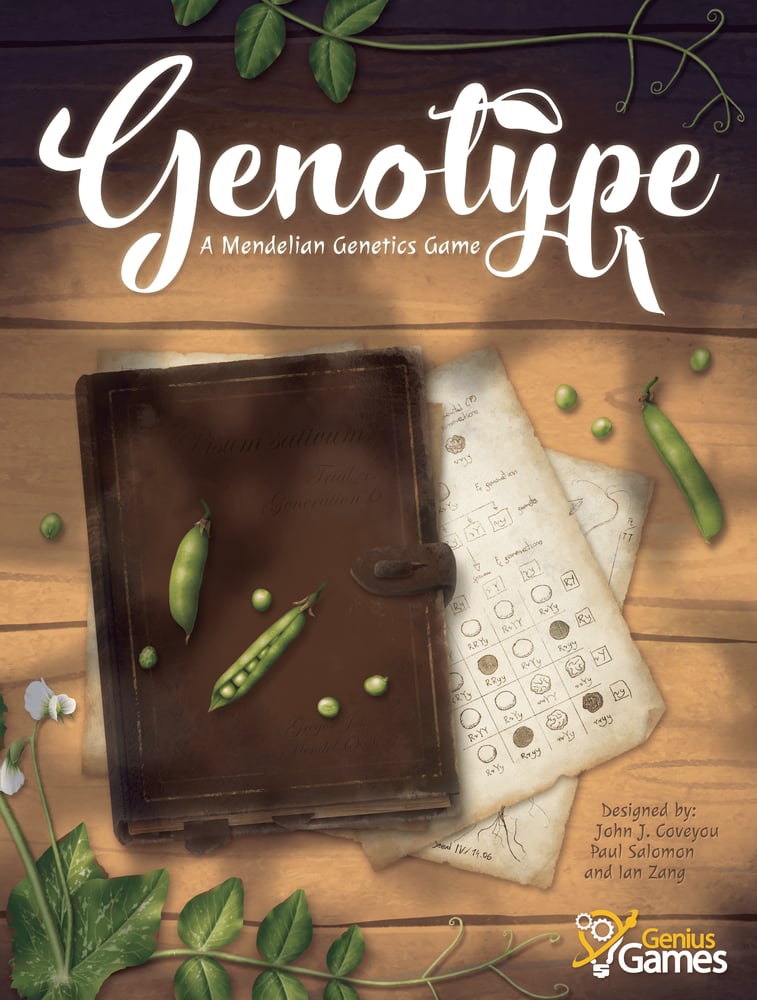
If you like it, try Genotype: A Mendelian Genetics Game, Cellulose: A Plant Cell Biology Game, Cytosis: A Cell Biology Board Game and Periodic: A Game of The Elements, also by John Coveyou.

2021John Coveyou, Paul Salomon, Ian Zang
1 - 5 players45 - 90 minMedium weight
2022John Coveyou, Steve Schlepphorst
1 - 5 players45 - 90 minMedium weight
2017John Coveyou
2 - 5 players60 - 90 minMedium weight
2019John Coveyou, Paul Salomon
2 - 5 players40 minLight weight
From BoardGameGeek:
In Immunology: An Infection Defense Game, players work together as the human immune system to fight a bacterial infection spreading through a cut in the skin. Grounded in the real science of how the human immune system responds to invading bacteria, the game follows the body's escalating immune response as bacteria enter the wound, multiply, and push deeper into the surrounding tissue while players build increasingly powerful defenses to stop them. Each round begins with an Inflammation card that threatens to make the infection worse. Bacteria may replicate, spread deeper into the wound, become more difficult to eliminate, or cause additional tissue damage. Players must decide which threats need to be dealt with immediately and which can be allowed to develop while they invest in stronger defenses. Using cards and shared resources, players recruit and move white blood cells, attack bacterial colonies, increase vasodilation, produce immune signaling molecules like Cytokines or Histamine, clear accumulated pus, and upgrade the immune system. Neutrophils are plentiful first responders that can quickly attack bacteria but contribute to pus when they die, while Macrophages are more costly but can both destroy bacteria and clean up the aftermath of the immune response. Dendritic Cells produce Cytokines that help recruit additional defenders, and Mast Cells release Histamine to increase vasodilation and bring more immune cells to the infection. Different bacteria create different challenges. Streptococcus can spread rapidly through the wound, Staphylococcus is more difficult to destroy and can kill attacking Neutrophils, while Pseudomonas becomes especially dangerous deeper in the wound, where it can develop protective biofilms. As the infection grows, players face a continual choice between spending their limited resources to contain the immediate threat or investing in a stronger immune response for the rounds ahead. To win, the players must eliminate the invading bacteria and bring the infection under control before it spreads too deeply and overwhelms the body's defenses. Immunology: An Infection Defense Game is a cooperative strategy game inspired by the real biology of inflammation, bacterial infection, and the human immune response. -description from the designer and publisher
Designer
John Coveyou
Artist
Tomasz Bogusz
Publisher
Genius Games
Mechanics