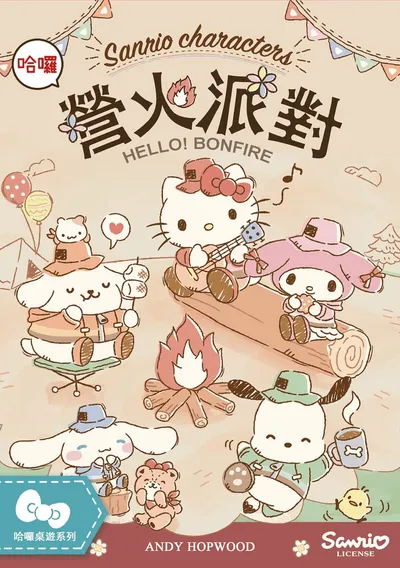
營火派對 Hello! Bonfire
2024Andy Hopwood
2 players
20 min
Medium weight: Teach it in one sitting
From BoardGameGeek
Similar to tic-tac-toe but with the need to think several moves ahead and with each piece having a particular power and control over your opponent. Try to create the most lines of 3 counters in your color. The standard game is played on a 4 x 4 square grid. Each Player has eight pieces with two of four different symbols. Each piece when played determines where your opponent can play their next piece. Each piece you play instructs your opponent to play in a straight line (either orthogonally or diagonally) from the piece just played, to play away from or to play adjacent to the piece just played. The aim is to form lines of 3 but with your opponent controlling where you can play this is harder than it sounds. If you can play so your opponent is unable to go you get a free play anywhere on the board.

Creators who cover this

eVanDiesel
1 video of this game
Games like this
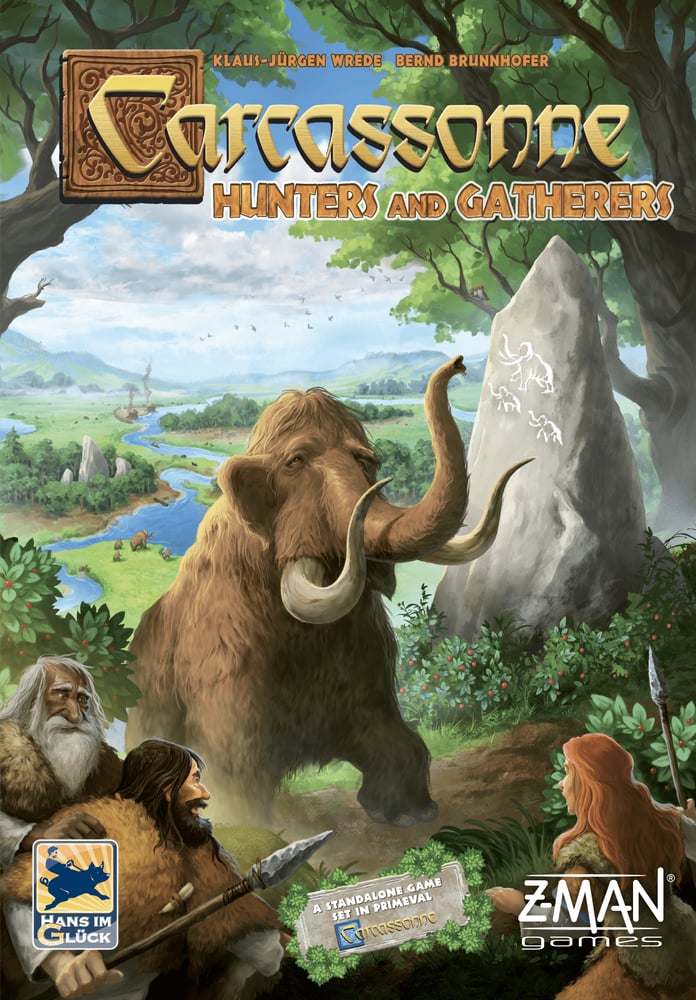
2002Klaus-Jürgen Wrede, Bernd Brunnhofer
- Videos
- 25
- Creators
- 20
Mostly how-to-play and reviews
2 - 5 players35 - 40 minLight weight
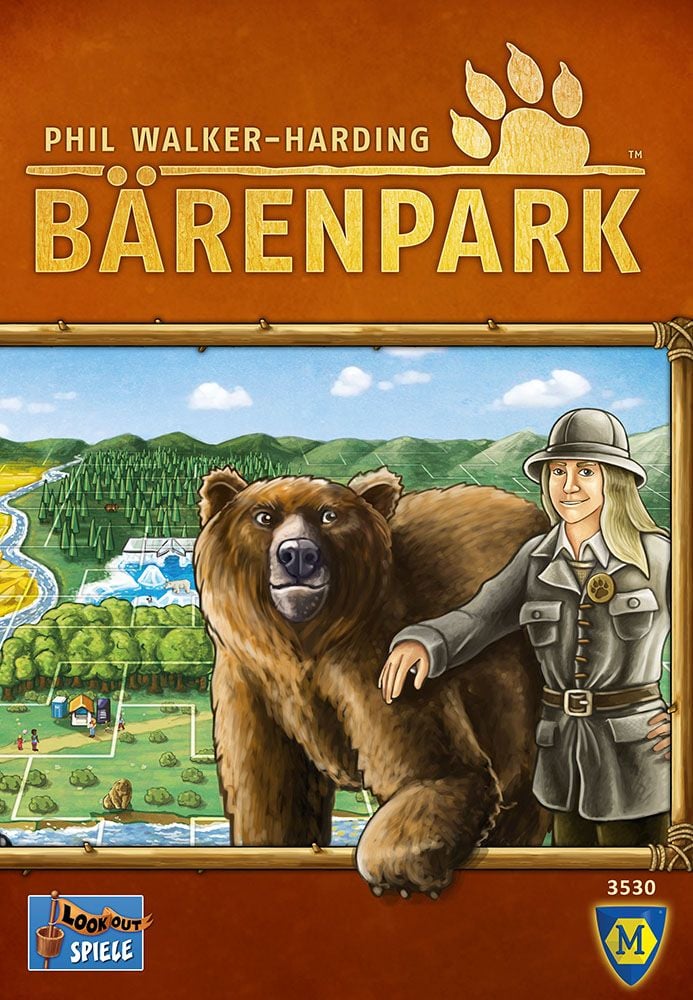
2017Phil Walker-Harding
- Videos
- 61
- Creators
- 53
Mostly reviews
2 - 4 players30 - 45 minLight weight
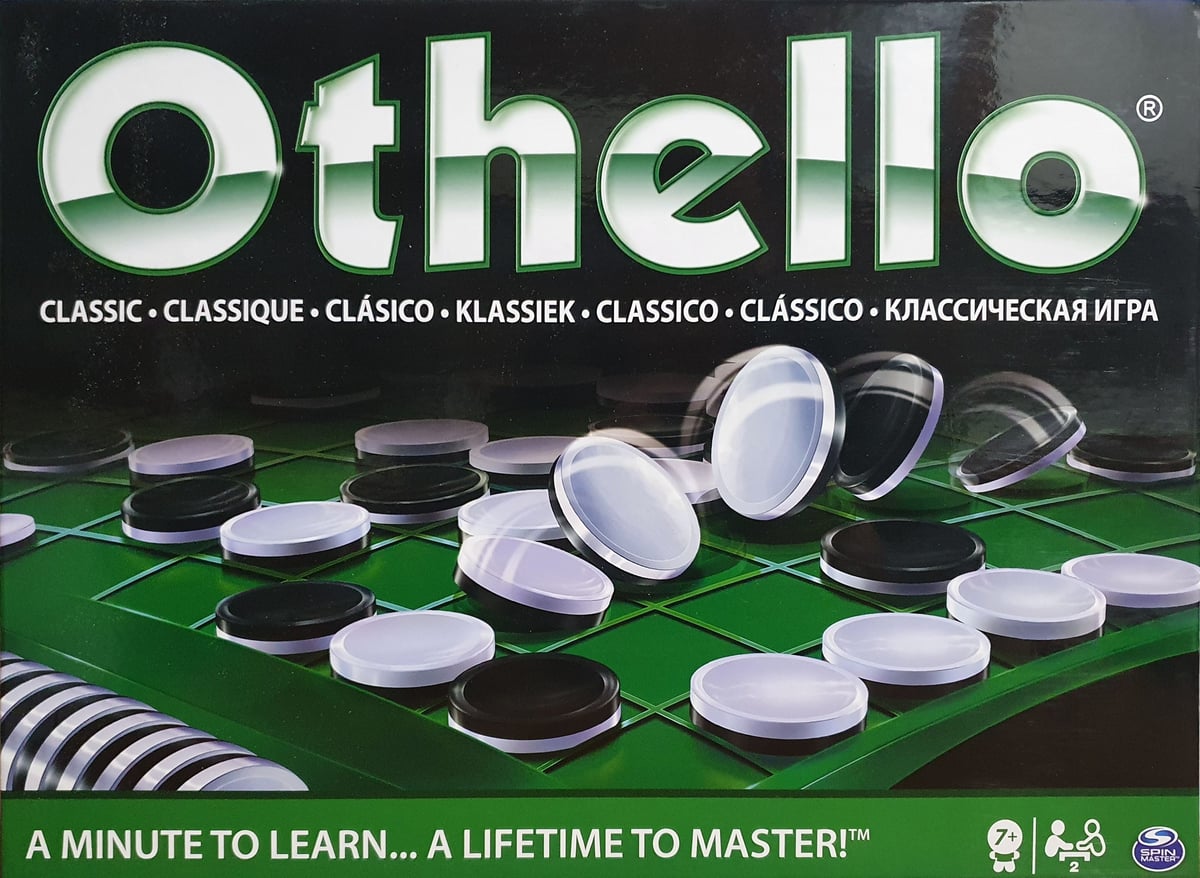
1883John W. Mollett, Lewis Waterman, Goro Hasegawa
- Videos
- 26
- Creators
- 23
Mostly how-to-play and reviews
2 players30 minMedium weight
About 營火派對 Hello! Bonfire
From BoardGameGeek:
Similar to tic-tac-toe but with the need to think several moves ahead and with each piece having a particular power and control over your opponent. Try to create the most lines of 3 counters in your color. The standard game is played on a 4 x 4 square grid. Each Player has eight pieces with two of four different symbols. Each piece when played determines where your opponent can play their next piece. Each piece you play instructs your opponent to play in a straight line (either orthogonally or diagonally) from the piece just played, to play away from or to play adjacent to the piece just played. The aim is to form lines of 3 but with your opponent controlling where you can play this is harder than it sounds. If you can play so your opponent is unable to go you get a free play anywhere on the board.
Designer
Andy Hopwood
Publisher
Taiwan Boardgame Design
Categories
Abstract StrategyMovies & TV
Mechanics
Modular Board & Variable SetupPattern BuildingGrid Movement