Chicago '68
2025Yoni Goldstein
- Videos
- 11
- Creators
- 9
Some reviews and how-to-play. Chicago '68 is covered on BoardGameVideo.com by 2 reviews, 2 how-to-play guides, 1 recorded sessions, 2 unboxings, and 4 other videos.
1 - 4 players
90 - 180 min
Heavy weight: Expect a long teach
From BoardGameGeek
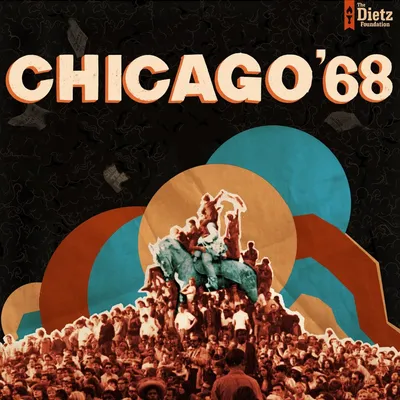
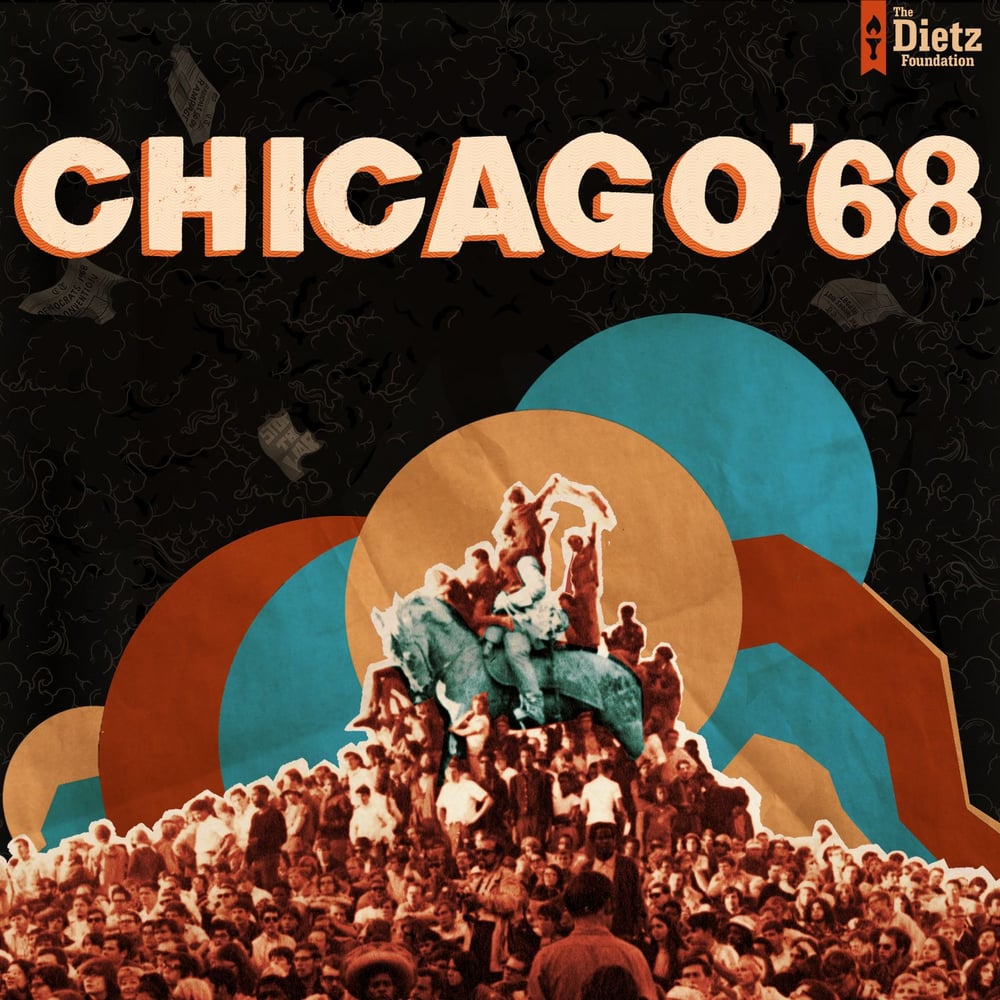
Chicago '68 pits revolutionary spectacle against civil order at the Democratic National Convention riots of 1968. Players take the role of either the Establishment or the Demonstrators in this fast-paced game of street battles and political maneuvers. Each side plays from two asymmetric decks of action cards. The Establishment positions tactical forces and police platoons to co-ordinate mass arrests while working the convention floor. The Demonstrators, on the other hand, can pivot from direct clashes to radical street theater; their tactics can be reactive and unpredictable, allowing for wild cat-and-mouse chases and mischief-making across the tear-gassed avenues of groovy downtown Chicago. In more detail, the game is played over five rounds, with two rounds representing a single day (daytime and nighttime). Each side takes turns playing cards from two decks of action cards. The first deck represents the leadership committees. For the Establishment, this is the Mayor's office, and for the Demonstrators, this is the Yippies. These decks are primarily focused on building/activating card splays and manipulating the board state. The Mayor faction can access the policy tableau with the mandate action, which include activating undercover agents, authorizing tear gas, redeploying the National Guard, and more. Then both sides alternate playing action cards from their rank-and-file decks: The National Mobilization Committee to End the War in Vietnam (MOBE) on one side, and the Chicago Police Department on the other. These actions are largely moving and confronting units on the map and claiming strategic positions. The Demonstrators may build and activate their street theater splay, which is a set of location specific one-time "mini-objectives" with unique, combinatorial powers. At the end of every round, a delegate commits a vote to either side. Demonstrators grow in number, the mayor is allocated funds, and whoever controls a majority of critical city areas is awarded exposure points. Chicago '68 supports 1-4 players in solo, competitive, co-operative, and team play modes. Game duration is 45 minutes per player, with the typical two player duel lasting 60-90 mins.
Watch first
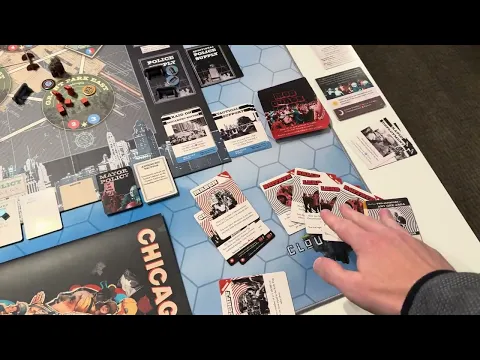
Which Chicago '68 video should I watch?
Chicago '68 has 11 videos from 9 creators: 2 reviews, 2 how-to-play guides, 1 playthrough, 2 unboxings and 4 other videos. They date from 2024 to June 2026.
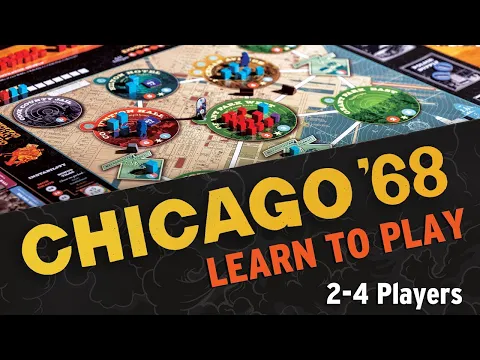
To learn the rules, start with "Learn to play Chicago '68 Board Game (2-4 players)" by The Dietz Foundation, which runs 29 min.
For an opinion before you buy, start with "Chicago ‘68 - Review" by Wargame Ramble. To see it played, watch "Chicago '68- 4p Teaching, Play-through, & Roundtable Discussion by Heavy Cardboard" by Heavy Cardboard.
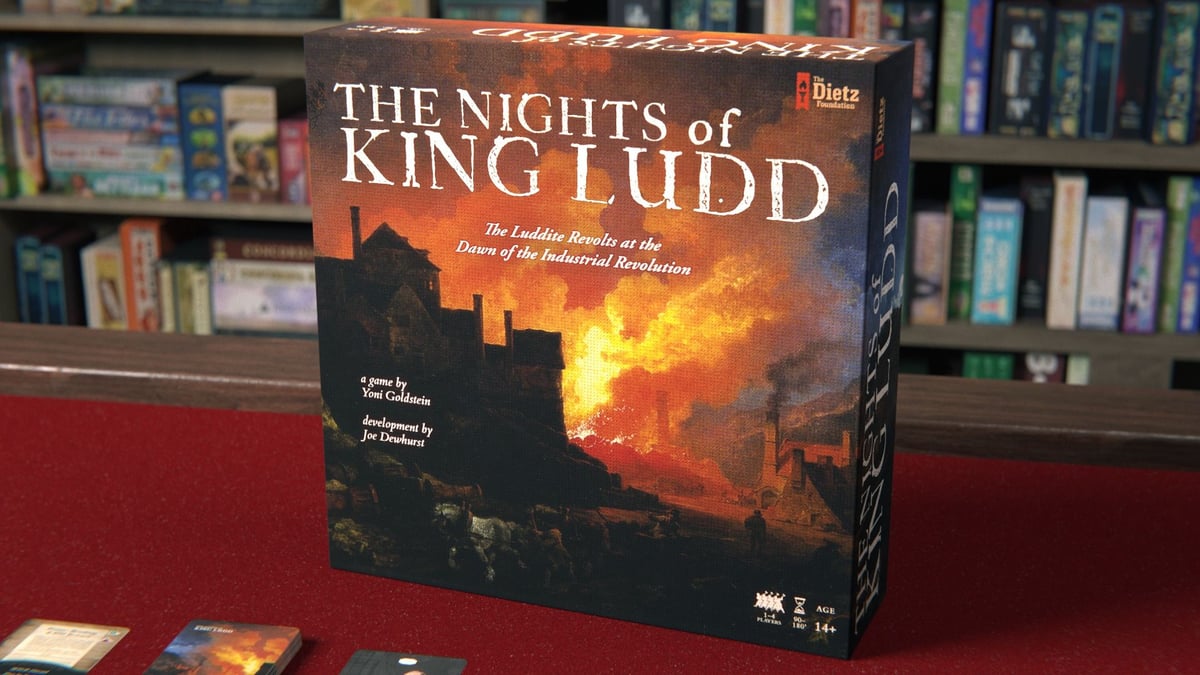
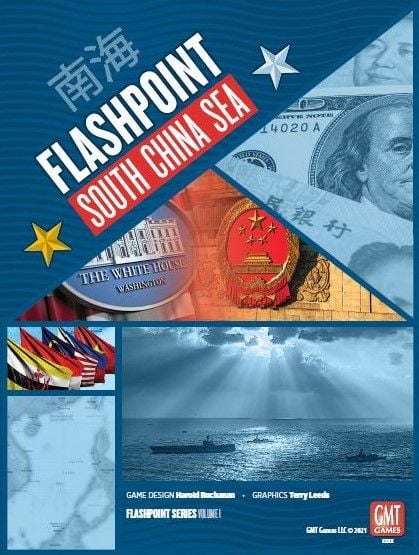
If you like it, try The Nights of King Ludd, also by Yoni Goldstein, or Flashpoint: South China Sea, Red Dust Rebellion and Frontier Wars, which share several of its mechanics.
All videos

8 of 9
Creators who cover this

The Dietz Foundation
2 videos of this game

Wargame Ramble
2 videos of this game

Breakup Gaming Society
1 video of this game

Frank N Dice
1 video of this game

Heavy Cardboard
1 video of this game

japappa
1 video of this game

Legendary Tactics
1 video of this game

What Does That Piece Do?
1 video of this game
Games like this
2022Harold Buchanan
- Videos
- 25
- Creators
- 20
Mostly reviews and unboxings
1 - 2 players30 - 60 minMedium weight
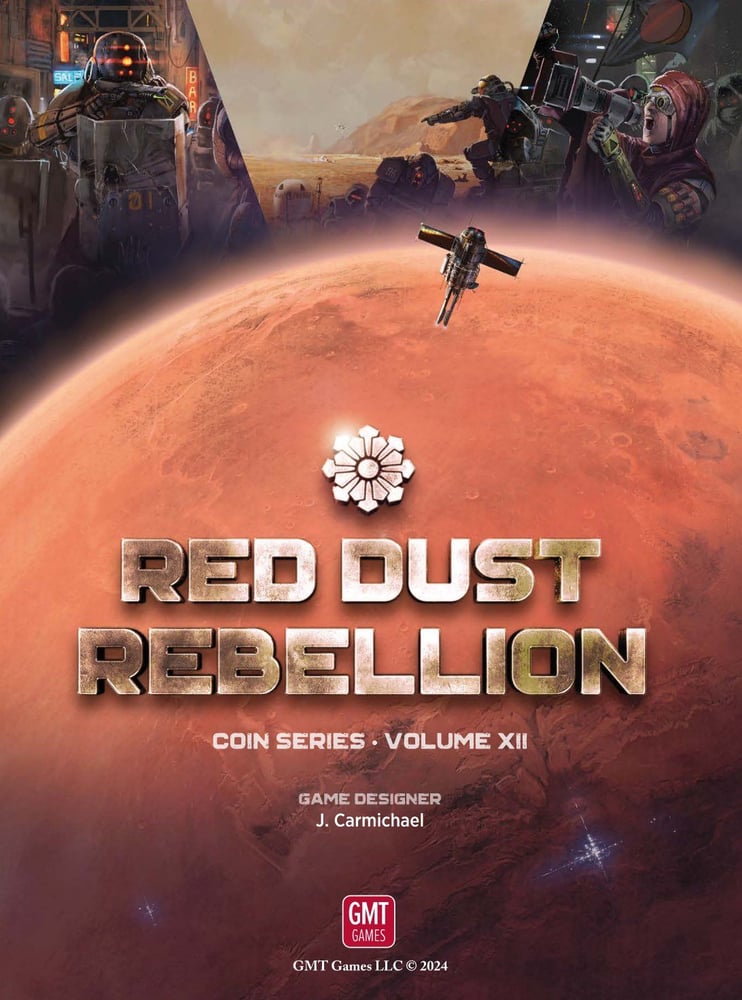
2024Jarrod Carmichael
- Videos
- 31
- Creators
- 17
Mainly how-to-play and unboxings
1 - 4 players120 - 240 minVery heavy weight
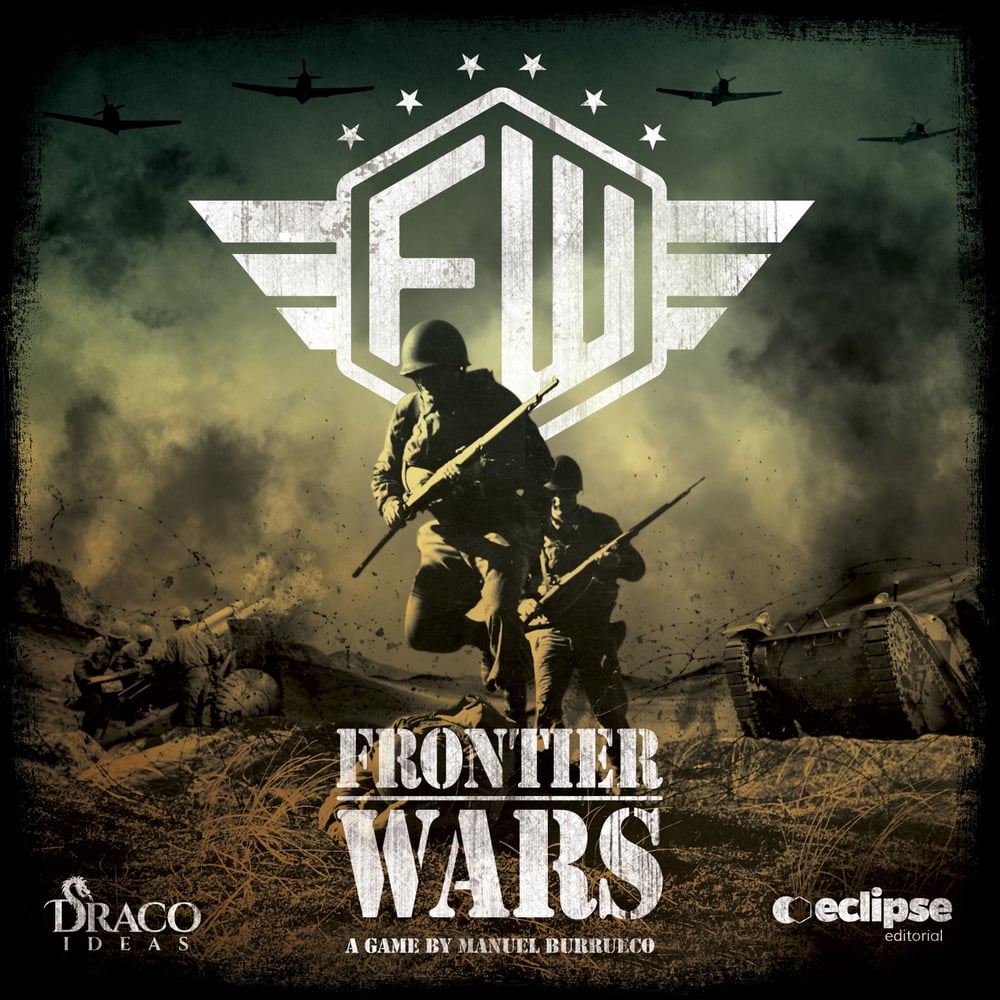
2019Manuel Agustín Burrueco Pizarro
- Videos
- 28
- Creators
- 21
Mainly reviews and how-to-play
2 - 4 players30 - 120 minMedium weight
About Chicago '68
From BoardGameGeek:
Chicago '68 pits revolutionary spectacle against civil order at the Democratic National Convention riots of 1968. Players take the role of either the Establishment or the Demonstrators in this fast-paced game of street battles and political maneuvers. Each side plays from two asymmetric decks of action cards. The Establishment positions tactical forces and police platoons to co-ordinate mass arrests while working the convention floor. The Demonstrators, on the other hand, can pivot from direct clashes to radical street theater; their tactics can be reactive and unpredictable, allowing for wild cat-and-mouse chases and mischief-making across the tear-gassed avenues of groovy downtown Chicago. In more detail, the game is played over five rounds, with two rounds representing a single day (daytime and nighttime). Each side takes turns playing cards from two decks of action cards. The first deck represents the leadership committees. For the Establishment, this is the Mayor's office, and for the Demonstrators, this is the Yippies. These decks are primarily focused on building/activating card splays and manipulating the board state. The Mayor faction can access the policy tableau with the mandate action, which include activating undercover agents, authorizing tear gas, redeploying the National Guard, and more. Then both sides alternate playing action cards from their rank-and-file decks: The National Mobilization Committee to End the War in Vietnam (MOBE) on one side, and the Chicago Police Department on the other. These actions are largely moving and confronting units on the map and claiming strategic positions. The Demonstrators may build and activate their street theater splay, which is a set of location specific one-time "mini-objectives" with unique, combinatorial powers. At the end of every round, a delegate commits a vote to either side. Demonstrators grow in number, the mayor is allocated funds, and whoever controls a majority of critical city areas is awarded exposure points. Chicago '68 supports 1-4 players in solo, competitive, co-operative, and team play modes. Game duration is 45 minutes per player, with the typical two player duel lasting 60-90 mins.
Designer
Yoni Goldstein
Artist
John Biggs (II)
Publisher
The Dietz Foundation
Categories
PoliticalWargame
Mechanics