



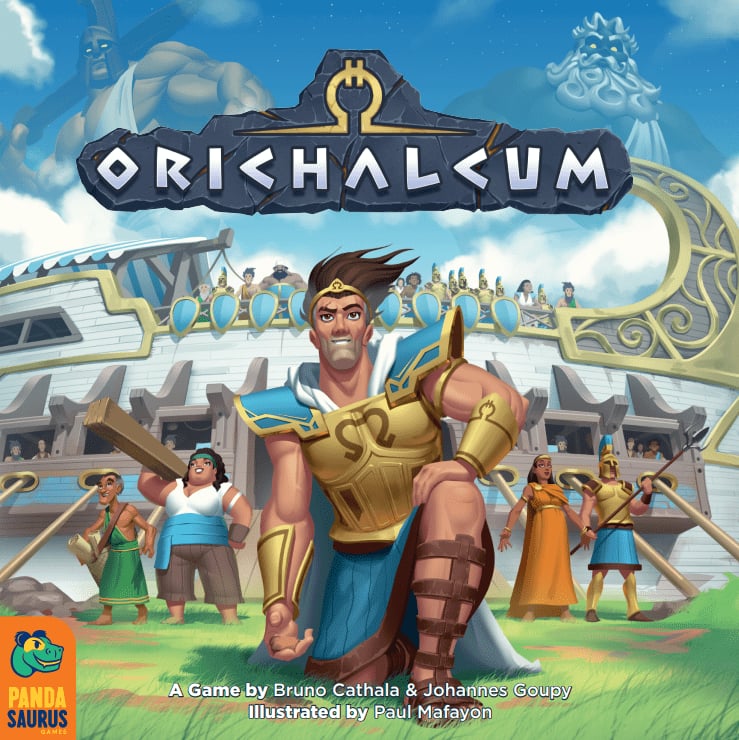
2022Bruno Cathala, Johannes Goupy
- Videos
- 57
- Creators
- 47
Mainly reviews and how-to-play
2 - 4 players45 - 60 minMedium weight
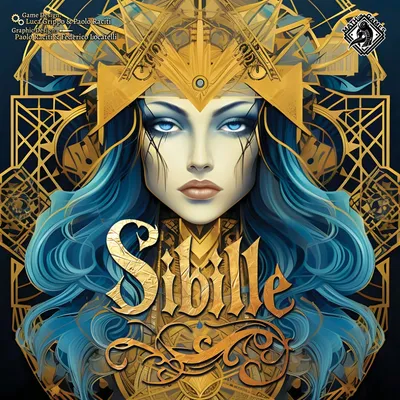
2025Luca Grippo, Paolo Raciti
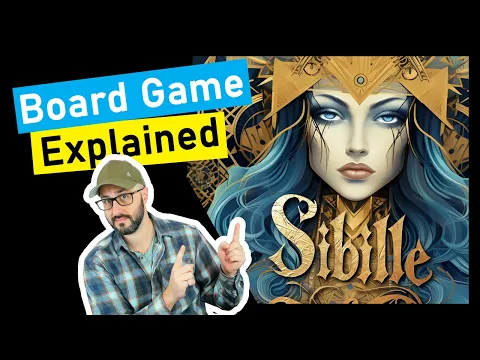
Mainly reviews and how-to-play. Sibille is covered on BoardGameVideo.com by 1 reviews, 1 how-to-play guides, 1 recorded sessions, and 2 other videos.
From BoardGameGeek
In Sibille 2 to 4 fortune tellers strive to obtain divine approval. 4 deities will be randomly extracted during the game setup, each providing a different game-ending goal. The first player to fulfill two of these four goals wins the game. Players have a personal deck of 22 almost-always available tarot cards, each related to a specific action. In a round 3 cards are chosen and played form the deck to take the related actions, and three are played face down to guess opponents plays. Taking the actions printed on the played tarot cards, players interact with the game components: Customers (resource-generating engines disputed between the players), Artifacts (power-ups to be acquired), Tarot cards (to manage their availability), tracks, resources, tokens, and many more. Most of the gaming experience is about predictive bidding, combos, chains of actions, and interaction. -description from designer
Sibille has 5 videos from 5 creators: 1 review, 1 how-to-play guide, 1 playthrough and 2 other videos. They date from February to October 2024.
To learn the rules, start with "Sibille - In Focus" by BoardGameGeek, which runs 3 min.
For an opinion before you buy, start with "Is Sibille for you? A Quick Overview!" by ShelfClutter. To see it played, watch "Sibille Gameplay - Only You Know How To Make Them Happy...No Really...You KNOW" by BoardGameCo.
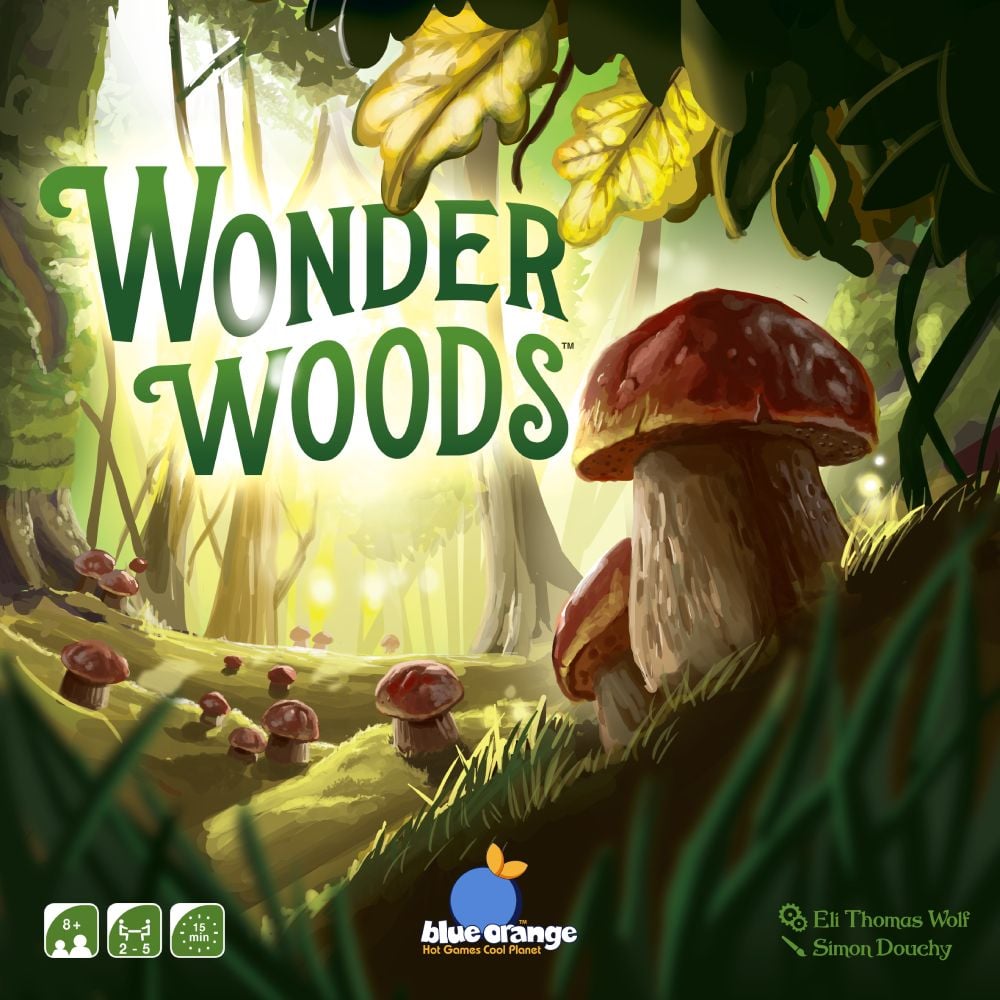
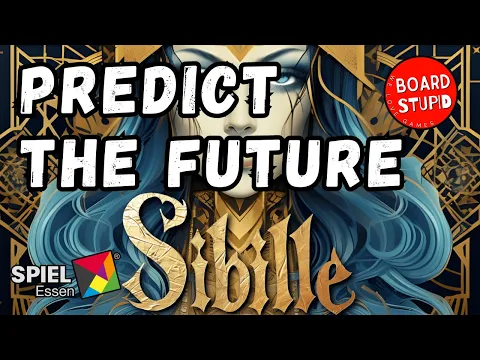
If you like it, try Orichalcum, Wonder Woods, District Noir or SCOUT, which share several of its mechanics. It appears in convention videos from Spiel Essen 2024.


2022Bruno Cathala, Johannes Goupy
2 - 4 players45 - 60 minMedium weight
2016Nobutake Dogen, Nao Shimamura (シマムラナオ)
2 players10 - 20 minLight weight
From BoardGameGeek:
In Sibille 2 to 4 fortune tellers strive to obtain divine approval. 4 deities will be randomly extracted during the game setup, each providing a different game-ending goal. The first player to fulfill two of these four goals wins the game. Players have a personal deck of 22 almost-always available tarot cards, each related to a specific action. In a round 3 cards are chosen and played form the deck to take the related actions, and three are played face down to guess opponents plays. Taking the actions printed on the played tarot cards, players interact with the game components: Customers (resource-generating engines disputed between the players), Artifacts (power-ups to be acquired), Tarot cards (to manage their availability), tracks, resources, tokens, and many more. Most of the gaming experience is about predictive bidding, combos, chains of actions, and interaction. -description from designer
Designers
Luca Grippo, Paolo Raciti
Artist
Federico Locatelli
Publisher
Math On Games
Mechanics