2024Uwe Walentin
- Videos
- 26
- Creators
- 16
Mostly unboxings and playthroughs
2 players180 - 720 minHeavy weight
2026Uwe Walentin
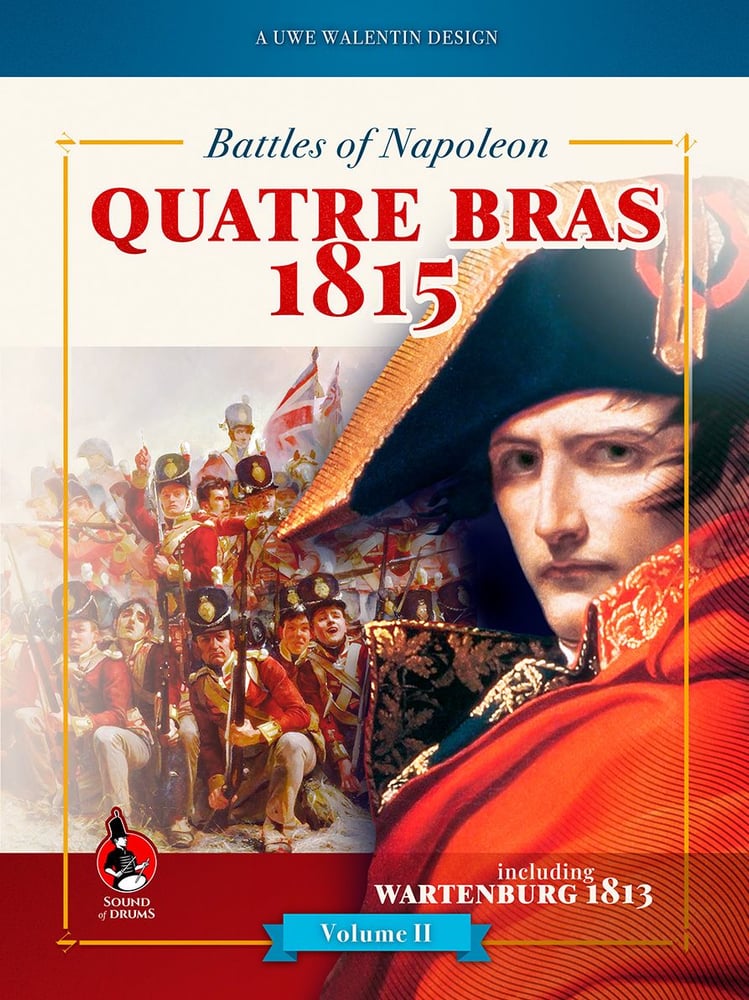
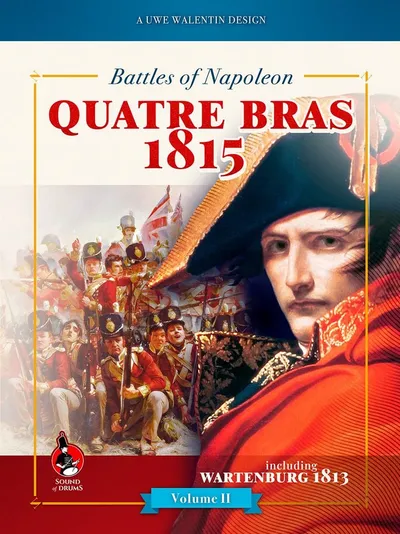
Mostly unboxings and how-to-play. Battles of Napoleon: Volume II – QUATRE BRAS 1815 is covered on BoardGameVideo.com by 2 how-to-play guides, 2 recorded sessions, and 3 unboxings.
From BoardGameGeek
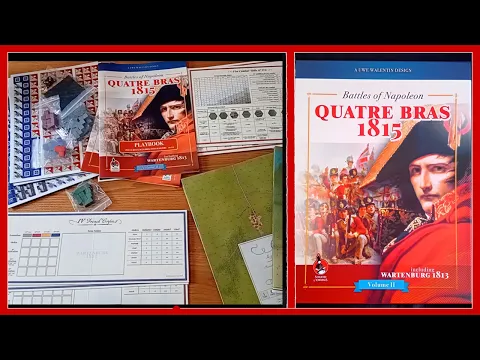
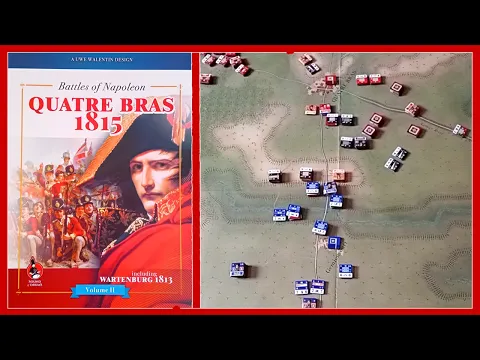
Battles of Napoleon is an epic wargame series that simulates the most famous battles of Napoleon on a Tactical level sharing the same basic rules. The series portrays the most important aspects of battles of the Napoleonic era with easy to learn and remember rules, intuitive mechanics and procedures. Players may focus on taking decisions and playing rather than consulting rules. The system focusses on the "cat-and-mouse game" of coordination and timing of the various formations of the different arms without too much crunchy chrome. Infantry was the predominant and most important element in every European army of the period. It usually formed between 60 and 90 per cent of an army in battle, and was both the cheapest and the most versatile type of troops. The foot soldiers had to endure most of the fighting and casualties. Depending on their task, they were either deployed in line (fire power), column (maneuver and assault) or square formation (protection against enemy cavalry). Cavalry were screening the own army and provided the shock element on a Napoleonic battlefield. Due to their shock power they fixed enemy infantry and forced them to take shelter in square formation. If infantry failed to form square they were overrun. If infantry was fixed in semi-static squares they were very vulnerable to artillery fire. Artillery, the queen of the battlefield, was on the one hand having devastating effects on square and closely packed formations, on the other hand artillery alone was extremely vulnerable when getting charged by enemy units. Generals are tasked with taking advantage of favorable terrain like the famous Duke of Wellington who mastered the reverse slope tactic. By a simple game mechanic, players will never know the exact strength and power of an enemy unit. Units have a number of strength points that will gradually decrease while engaged with enemy units. An innovative chit-based Command system, where players randomly draw activation chits determines which army may activate a formation, leads to highly interactive game play. Reaction follows action. We bring the chit-based Command system to a new level: In this games series, players decide which formation is activated when a chit is drawn. A formation may be activated several times per turn. But by each new activation it performs less effective. During a game turn the players are under constant pressure to decide which formation to activate. By efficient timing of activation players are in the "driver's seat" to dictate the pace of a battle. Formations are given orders at the beginning of a game turn and are therefore limited by the actions they can perform on the battlefield. The more "aggressive" orders formations will receive, the more likely is the army will collapse due to fatigue. On the other hand, an army is more likely to gain the initiative on the battlefield by "aggressive" orders. The scale of the series is appr. 150 meters per hex, infantry units are battalions, artillery is batteries and cavalry is represented as regiments. Quatre Bras 1815, depicting the encounter at the Quatre Bras crossroads, is the second volume in this series. Special rules like the possibility to activate the French light cavalry brigade, the defense of special structures, the possible arrival of d'Erlon's I Corps add distinctive flavor of the battle. -description from the publisher
Battles of Napoleon: Volume II – QUATRE BRAS 1815 has 7 videos from 4 creators: 2 how-to-play guides, 2 playthroughs and 3 unboxings. They date from August to October 2026.
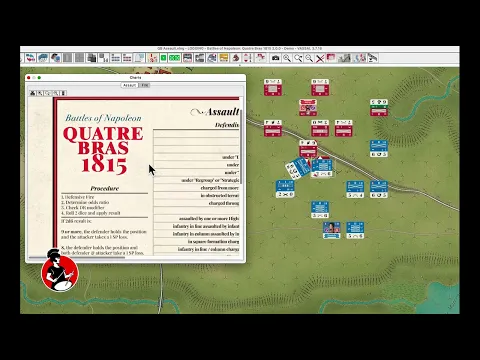
To learn the rules, start with "Quatre Bras 1815 - Assault Demo" by SoD - Battles of Napoleon, which runs 15 min.
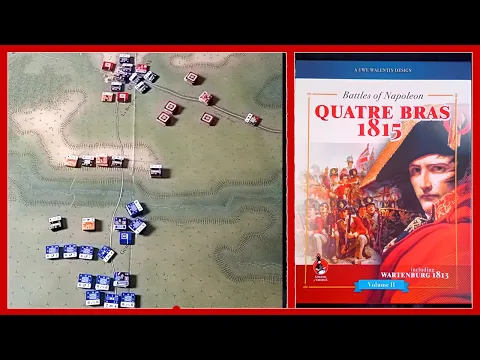
To see it played, watch "On the Table - Quatre Bras 1815 - Napoleonic Wargame" by Matt White Wargames, one of 2 playthroughs.
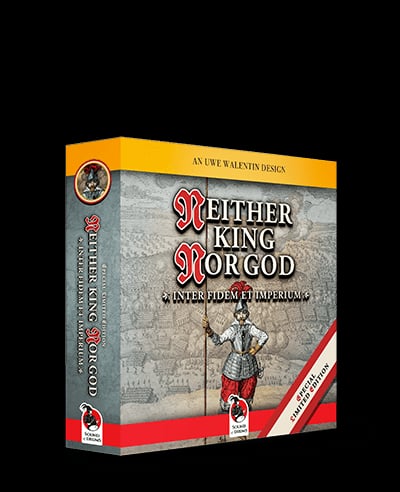
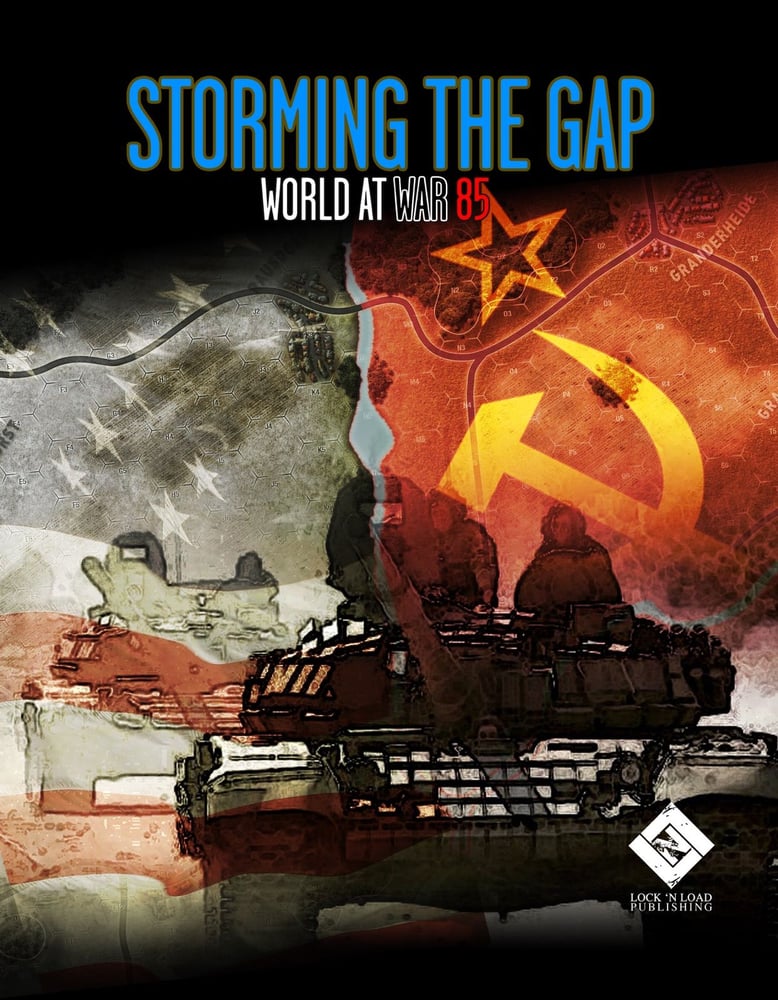
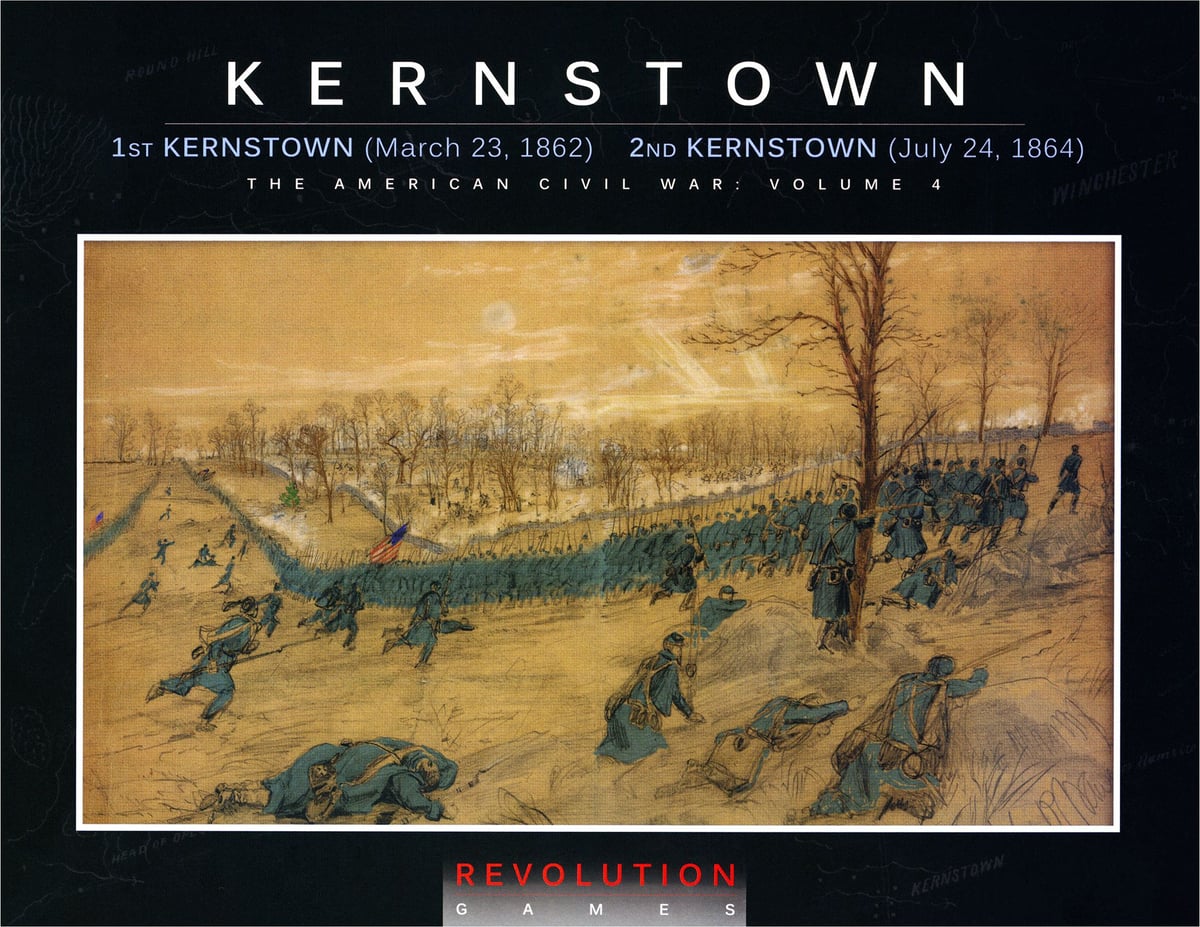
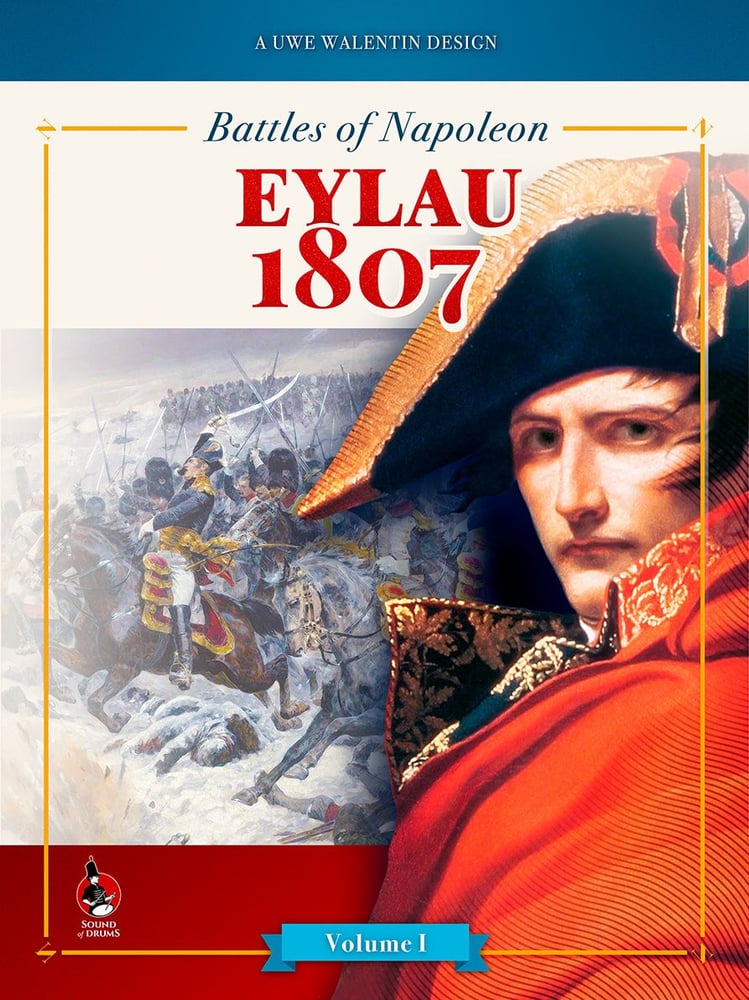
If you like it, try Battles of Napoleon: Volume I – EYLAU 1807 and Neither King Nor God LTD pilot edition, also by Uwe Walentin, or World At War 85: Storming the Gap and Kernstown, which share several of its mechanics.


2024Uwe Walentin
2 players180 - 720 minHeavy weight
2025Uwe Walentin
4 players180 - 240 minMedium weight
2019Matt Lohse, Keith Tracton
1 - 2 players60 - 120 minHeavy weight
2019Claude Whalen
1 - 2 players120 - 480 minHeavy weight
From BoardGameGeek:
Battles of Napoleon is an epic wargame series that simulates the most famous battles of Napoleon on a Tactical level sharing the same basic rules. The series portrays the most important aspects of battles of the Napoleonic era with easy to learn and remember rules, intuitive mechanics and procedures. Players may focus on taking decisions and playing rather than consulting rules. The system focusses on the "cat-and-mouse game" of coordination and timing of the various formations of the different arms without too much crunchy chrome. Infantry was the predominant and most important element in every European army of the period. It usually formed between 60 and 90 per cent of an army in battle, and was both the cheapest and the most versatile type of troops. The foot soldiers had to endure most of the fighting and casualties. Depending on their task, they were either deployed in line (fire power), column (maneuver and assault) or square formation (protection against enemy cavalry). Cavalry were screening the own army and provided the shock element on a Napoleonic battlefield. Due to their shock power they fixed enemy infantry and forced them to take shelter in square formation. If infantry failed to form square they were overrun. If infantry was fixed in semi-static squares they were very vulnerable to artillery fire. Artillery, the queen of the battlefield, was on the one hand having devastating effects on square and closely packed formations, on the other hand artillery alone was extremely vulnerable when getting charged by enemy units. Generals are tasked with taking advantage of favorable terrain like the famous Duke of Wellington who mastered the reverse slope tactic. By a simple game mechanic, players will never know the exact strength and power of an enemy unit. Units have a number of strength points that will gradually decrease while engaged with enemy units. An innovative chit-based Command system, where players randomly draw activation chits determines which army may activate a formation, leads to highly interactive game play. Reaction follows action. We bring the chit-based Command system to a new level: In this games series, players decide which formation is activated when a chit is drawn. A formation may be activated several times per turn. But by each new activation it performs less effective. During a game turn the players are under constant pressure to decide which formation to activate. By efficient timing of activation players are in the "driver's seat" to dictate the pace of a battle. Formations are given orders at the beginning of a game turn and are therefore limited by the actions they can perform on the battlefield. The more "aggressive" orders formations will receive, the more likely is the army will collapse due to fatigue. On the other hand, an army is more likely to gain the initiative on the battlefield by "aggressive" orders. The scale of the series is appr. 150 meters per hex, infantry units are battalions, artillery is batteries and cavalry is represented as regiments. Quatre Bras 1815, depicting the encounter at the Quatre Bras crossroads, is the second volume in this series. Special rules like the possibility to activate the French light cavalry brigade, the defense of special structures, the possible arrival of d'Erlon's I Corps add distinctive flavor of the battle. -description from the publisher
Designer
Uwe Walentin
Publisher
Sound of Drums GmbH
Categories
Mechanics