

Amygdala
2023Michael Kiesling, Wolfgang Kramer
- Videos
- 12
- Creators
- 12
Mainly how-to-play. Amygdala is covered on BoardGameVideo.com by 2 reviews, 7 how-to-play guides, 2 unboxings, and 1 other video.
2 - 4 players
60 - 90 min
Medium weight: Teach it in one sitting
From BoardGameGeek
Life is full of emotion, and the region of the brain primarily associated with processing these emotions is the amygdala. In the abstract strategy game Amygdala, players vie for control of different regions, each associated with an emotion. They must collect and store emotional resources in their memory bank which they will use to unlock emotions from their mind, then place these emotion tiles on the main game board. Emotion tiles can be connected in networks of like emotions to score points. The player with the most emotions in each region can score big points at the end of the game, but only if they manage to unlock and place a claim tile belonging to the region they wish to score. -description from the publisher

Watch first



Which Amygdala video should I watch?
Amygdala has 12 videos from 12 creators: 2 reviews, 7 how-to-play guides, 2 unboxings and 1 other video. They date from 2022 to October 2025.
To learn the rules, start with "Amygdala - Gamefound Preview" by Before You Play, which runs 12 min.
For an opinion before you buy, start with "Amygdala - How to Play & Preview - Boardgame Brody" by Meeple Mountain.
If you like it, try Wandering Towers, El Grande and Downforce, also by Wolfgang Kramer, or Azul, also by Michael Kiesling.
All videos




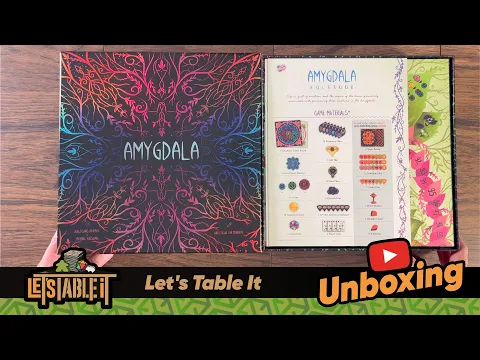


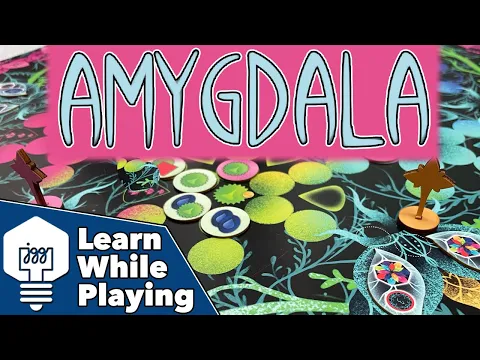


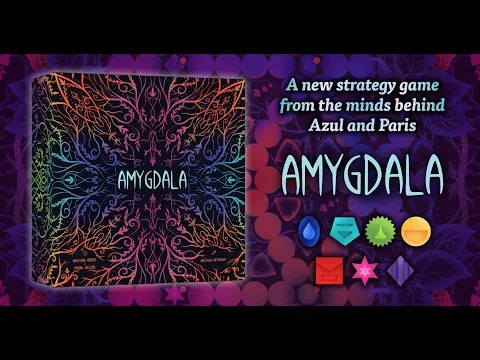
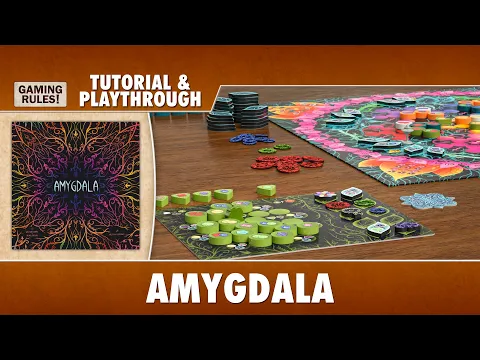
8 of 12
Creators who cover this

Before You Play
1 video of this game

Die Spieledinos
1 video of this game

Game Brewer
1 video of this game

Gaming Rules!
1 video of this game

Getting Games
1 video of this game

I Play Red
1 video of this game

Let's Table It
1 video of this game

Man vs Meeple
1 video of this game
Games like this

2022Michael Kiesling, Wolfgang Kramer
- Videos
- 81
- Creators
- 66
Mainly reviews
1 - 6 players30 minLight weight

1995Wolfgang Kramer, Richard Ulrich
- Videos
- 76
- Creators
- 60
Mainly reviews
2 - 5 players60 - 120 minMedium weight
2017Rob Daviau, Justin D. Jacobson, Wolfgang Kramer
- Videos
- 63
- Creators
- 55
Mainly reviews
2 - 6 players20 - 40 minLight weight
About Amygdala
From BoardGameGeek:
Life is full of emotion, and the region of the brain primarily associated with processing these emotions is the amygdala. In the abstract strategy game Amygdala, players vie for control of different regions, each associated with an emotion. They must collect and store emotional resources in their memory bank which they will use to unlock emotions from their mind, then place these emotion tiles on the main game board. Emotion tiles can be connected in networks of like emotions to score points. The player with the most emotions in each region can score big points at the end of the game, but only if they manage to unlock and place a claim tile belonging to the region they wish to score. -description from the publisher
Designers
Michael Kiesling, Wolfgang Kramer
Artist
Anastasia Cartovenco
Publisher
Game Brewer
Categories
Mechanics