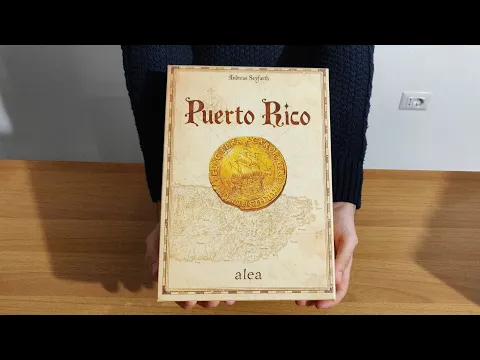


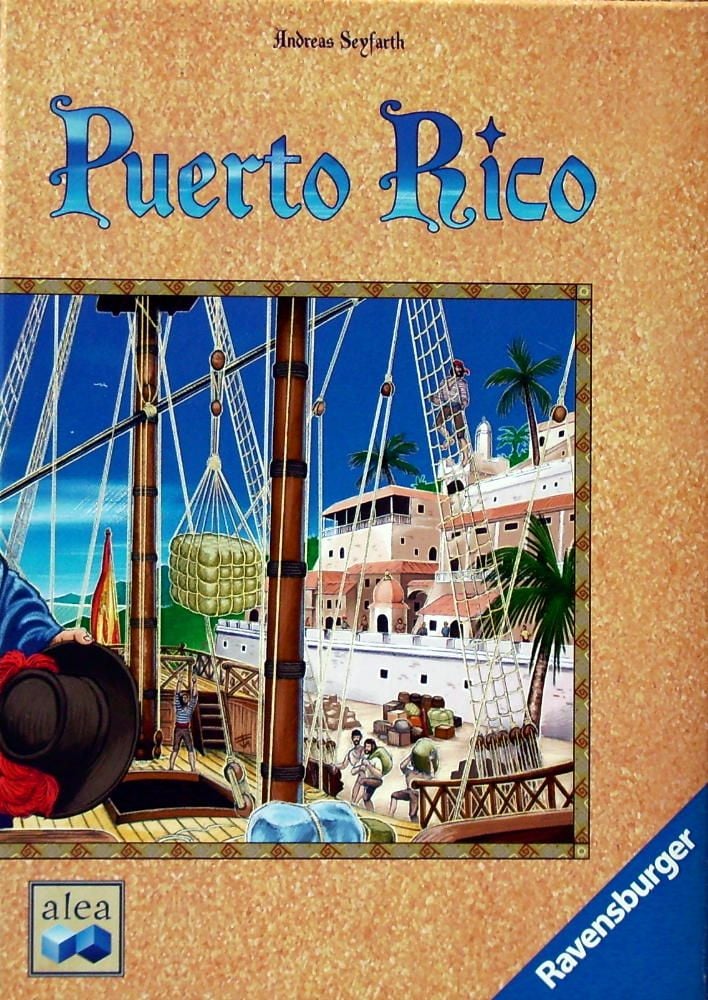
2002Andreas Seyfarth
- Videos
- 55
- Creators
- 43
Mostly how-to-play and reviews
3 - 5 players90 - 150 minHeavy weight
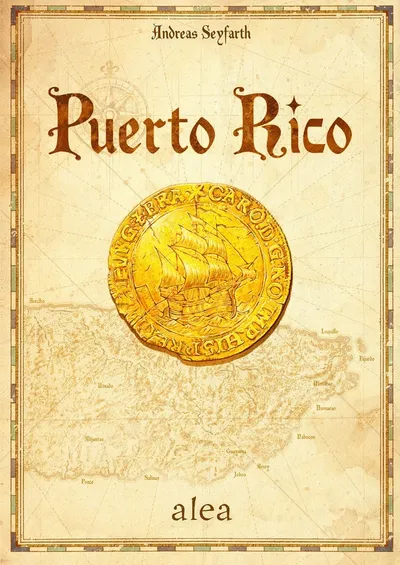
2020Andreas Seyfarth
Mostly reviews and unboxings. Puerto Rico is covered on BoardGameVideo.com by 3 reviews, 1 how-to-play guides, 2 unboxings, and 1 other video.
From BoardGameGeek
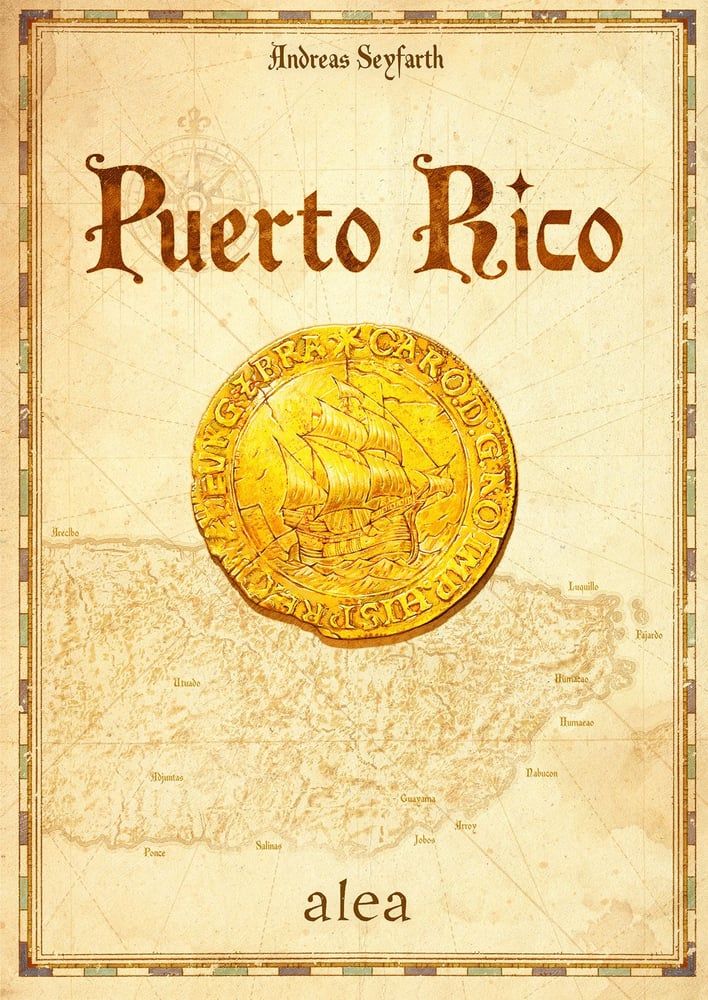
In Puerto Rico, players assume the roles of colonial governors on the island of Puerto Rico. The aim of the game is to amass victory points by shipping goods to Europe or by constructing buildings. Each player uses a separate small board with spaces for city buildings, plantations, and resources. Shared between the players are three ships, a trading house, and a supply of resources and doubloons. The resource cycle of the game is that players grow crops which they exchange for points or doubloons. Doubloons can then be used to buy buildings, which allow players to produce more crops or give them other abilities. Buildings and plantations do not work unless they are occupied by workers. During each round, players take turns selecting a role card from those on the table (such as "Trader" or "Builder"). When a role is chosen, every player gets to take the action appropriate to that role. The player that selected the role also receives a small privilege for doing so - for example, choosing the "Builder" role allows all players to construct a building, but the player who chose the role may do so at a discount on that turn. Unused roles gain a doubloon bonus at the end of each turn, so the next player who chooses that role gets to keep any doubloon bonus associated with it. This encourages players to make use of all the roles throughout a typical course of a game. Puerto Rico uses a variable phase order mechanism in which a "governor" token is passed clockwise to the next player at the conclusion of a turn. The player with the token begins the round by choosing a role and taking the first action. Players earn victory points for owning buildings, for shipping goods, and for manned "large buildings." Each player's accumulated shipping chips are kept face down and come in denominations of one or five. This prevents other players from being able to determine the exact score of another player. Goods and doubloons are placed in clear view of other players and the totals of each can always be requested by a player. As the game enters its later stages, the unknown quantity of shipping tokens and its denominations require players to consider their options before choosing a role that can end the game.
Puerto Rico has 7 videos from 6 creators: 3 reviews, 1 how-to-play guide, 2 unboxings and 1 other video. They date from 2020 to January 2022.
To learn the rules, start with "Como se juega a Puerto Rico" by Territorio Oca, which runs 19 min.
For an opinion before you buy, start with "The Game Gallery Review - Puerto Rico" by The Game Gallery Channel. 3 creators have reviewed it.
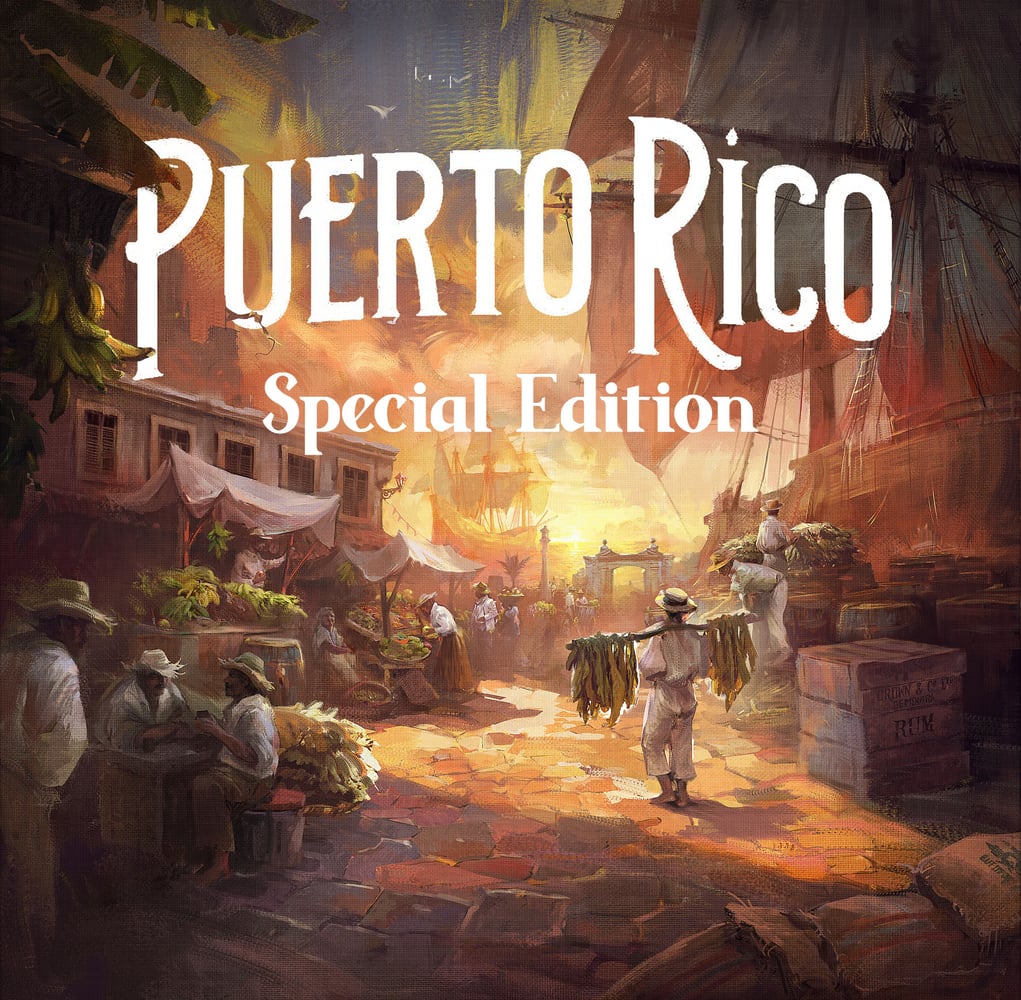
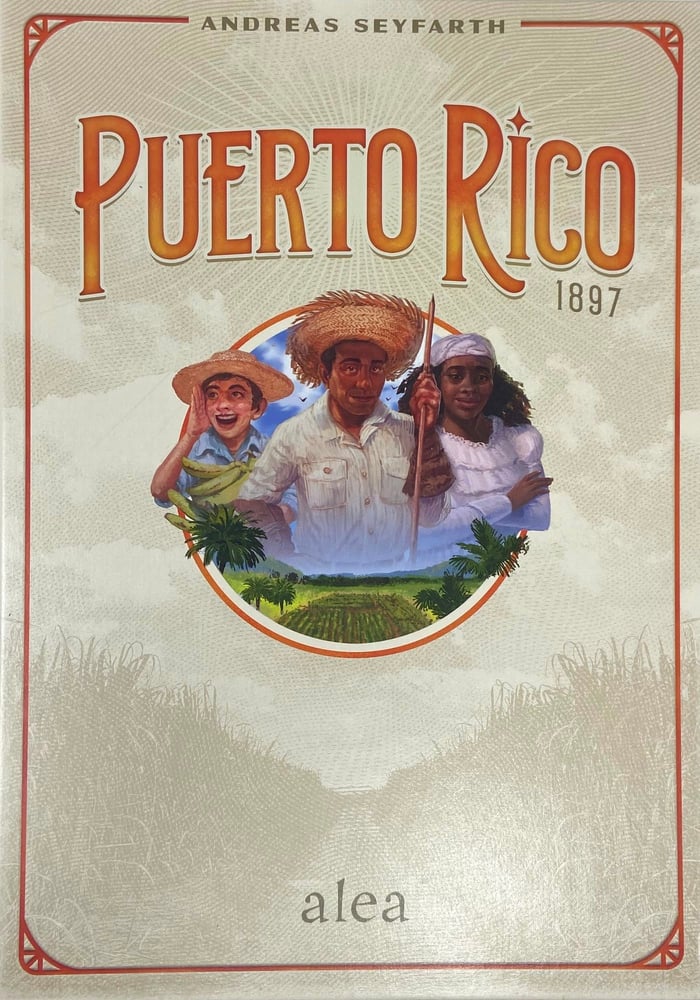
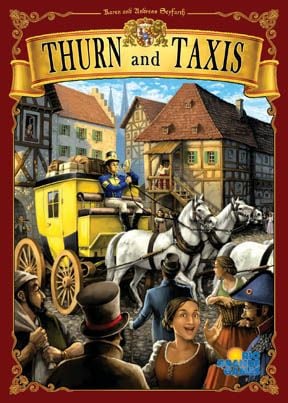
If you like it, try Puerto Rico, Puerto Rico 1897: Special Edition, Puerto Rico 1897 and Thurn and Taxis, also by Andreas Seyfarth.


2002Andreas Seyfarth
3 - 5 players90 - 150 minHeavy weight
2025Andreas Seyfarth
1 - 5 players60 - 120 minHeavy weight
2022Andreas Seyfarth
2 - 5 players70 - 120 minHeavy weight
2006Andreas Seyfarth, Karen Seyfarth
2 - 4 players60 minMedium weight
From BoardGameGeek:
In Puerto Rico, players assume the roles of colonial governors on the island of Puerto Rico. The aim of the game is to amass victory points by shipping goods to Europe or by constructing buildings. Each player uses a separate small board with spaces for city buildings, plantations, and resources. Shared between the players are three ships, a trading house, and a supply of resources and doubloons. The resource cycle of the game is that players grow crops which they exchange for points or doubloons. Doubloons can then be used to buy buildings, which allow players to produce more crops or give them other abilities. Buildings and plantations do not work unless they are occupied by workers. During each round, players take turns selecting a role card from those on the table (such as "Trader" or "Builder"). When a role is chosen, every player gets to take the action appropriate to that role. The player that selected the role also receives a small privilege for doing so - for example, choosing the "Builder" role allows all players to construct a building, but the player who chose the role may do so at a discount on that turn. Unused roles gain a doubloon bonus at the end of each turn, so the next player who chooses that role gets to keep any doubloon bonus associated with it. This encourages players to make use of all the roles throughout a typical course of a game. Puerto Rico uses a variable phase order mechanism in which a "governor" token is passed clockwise to the next player at the conclusion of a turn. The player with the token begins the round by choosing a role and taking the first action. Players earn victory points for owning buildings, for shipping goods, and for manned "large buildings." Each player's accumulated shipping chips are kept face down and come in denominations of one or five. This prevents other players from being able to determine the exact score of another player. Goods and doubloons are placed in clear view of other players and the totals of each can always be requested by a player. As the game enters its later stages, the unknown quantity of shipping tokens and its denominations require players to consider their options before choosing a role that can end the game.
Designer
Andreas Seyfarth
Artists
Vincent Dutrait, John Morrow
Publisher
alea
Categories
Mechanics