


2002Andreas Seyfarth
- Videos
- 55
- Creators
- 43
Mostly how-to-play and reviews
3 - 5 players90 - 150 minHeavy weight
2006Andreas Seyfarth, Karen Seyfarth
Mostly reviews. Thurn and Taxis is covered on BoardGameVideo.com by 6 reviews and 2 how-to-play guides.
From BoardGameGeek
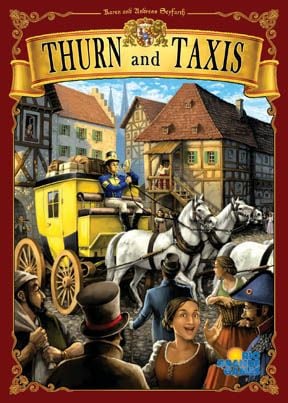
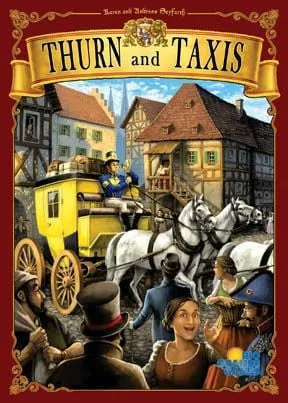
In Thurn & Taxis, players build post office routes across Bavaria and the regions around, collecting bonus points in various ways. The board shows a map of all the cities, with roads leading from each one to some of its neighbors. There are various colored regions around the board, most with two or three cities, and a large region with all the Bavarian cities in the center. Players build postal routes from city to city to city so that each city is adjacent to the next city on the route and there is a road connecting these two cities. Each route must consist of at least three cities. Players may build only one route at a time. Routes are represented by melded city cards arranged in the order of the route. Players start with a supply of 20 post offices in their color, a carriage house card, and a player aid card. The board is populated with bonus tiles, carriage cards and city cards. On a turn, a player will draw a card from a display of six, face-up city cards (or the top of the face-down deck) and meld one card, either starting a new route or adding to the current one. If after adding to the route, the length of the route is at least three cities, the player may declare it finished and score it. The player may, depending on the length of the route and which cities are in the route, place post offices in the cities, collect bonus tiles, and acquire a higher value carriage. Optionally, the player may receive support from one postal official in the form of drawing a second card, melding a second card, refreshing the six city card display, or acquiring a higher value carriage than the route length when finishing a route. Once a route is scored, the city cards of that route are discarded, and the player begins a new route on their next turn. When a player exhausts their supply of post offices or acquires a value 7 carriage, the end of the game is triggered. Play continues until the player who is last in turn order finishes their turn, and the game ends. Players score points for their highest valued carriage and bonus tiles, then lose points for unplaced post offices. The player with the most points wins. The fact that you *must* add at least one city to your route each turn or lose the whole route gives the game an enjoyable planning element.
Thurn and Taxis has 8 videos from 6 creators: 6 reviews and 2 how-to-play guides. They date from 2022 to August 2026.
To learn the rules, start with "Thurn and Taxis Learn How to Play by Purge Reviews" by Purge Reviews, which runs 5 min.
For an opinion before you buy, start with "Thurn and Taxis by Purge Reviews" by Purge Reviews. 5 creators have reviewed it.
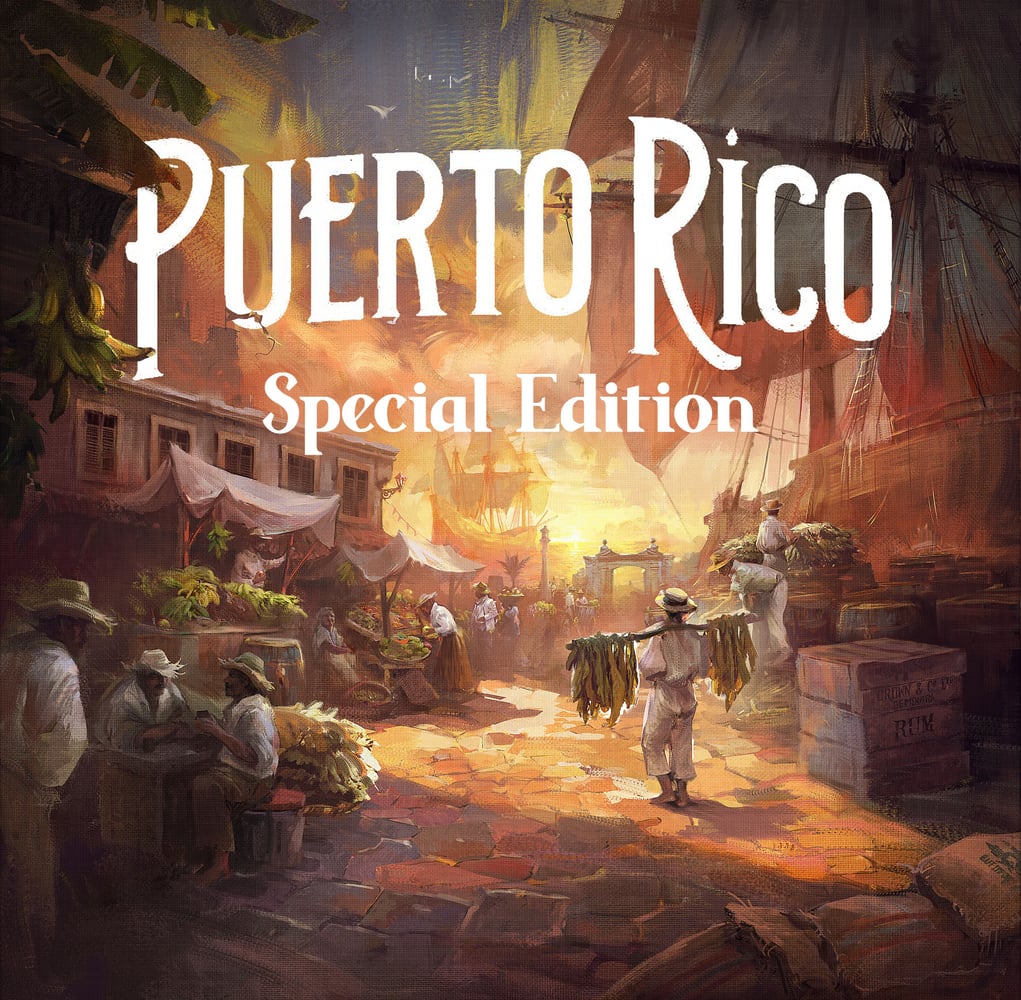
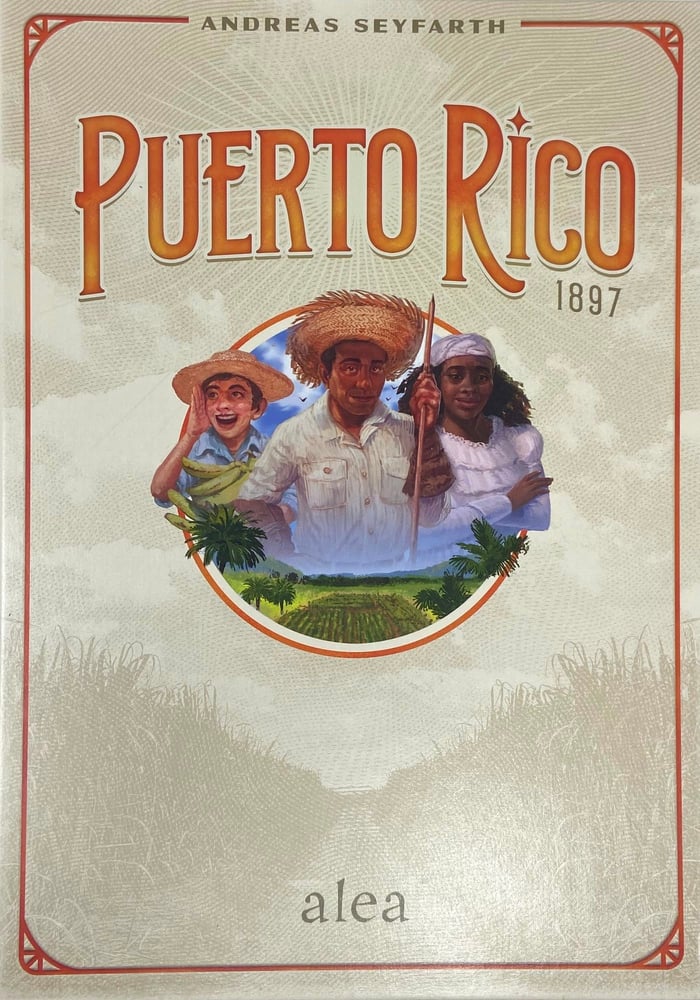
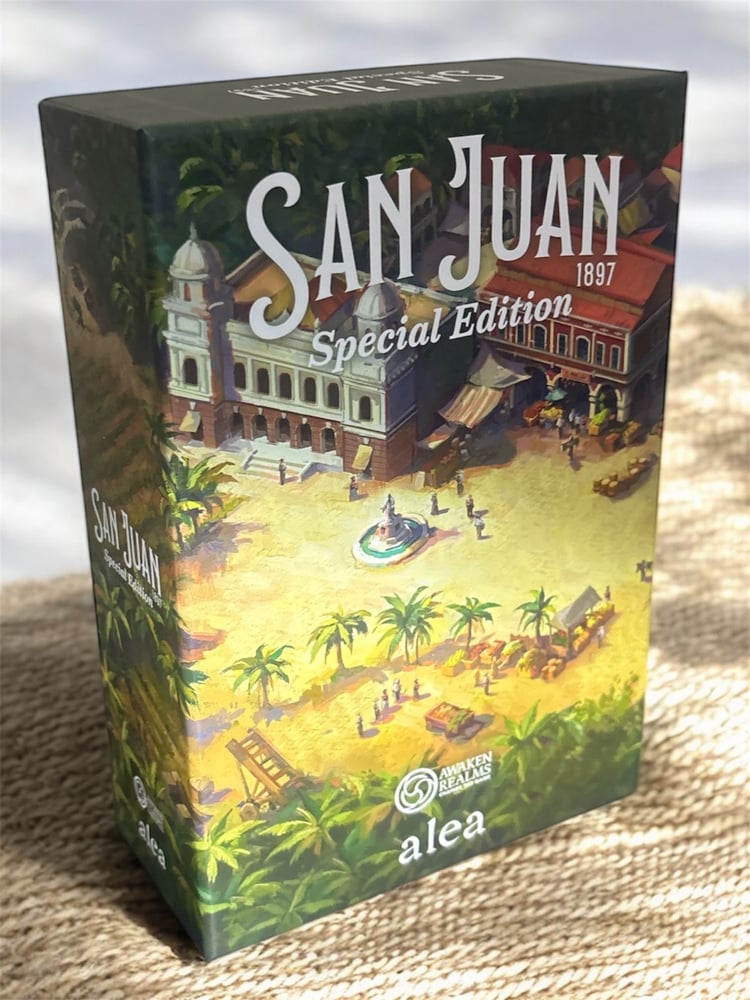
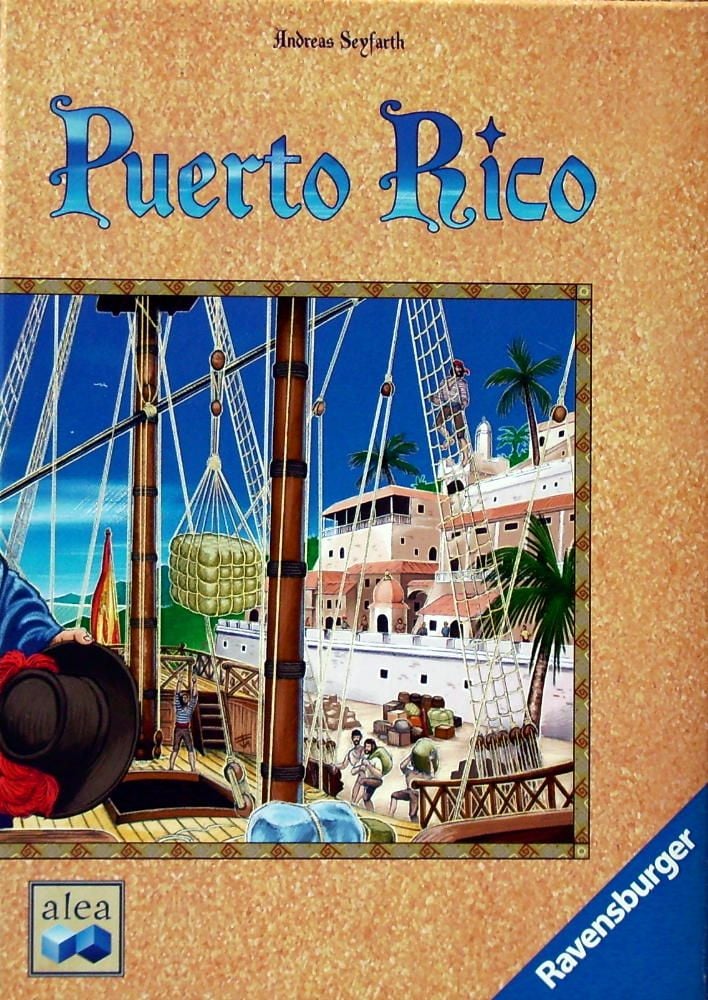
If you like it, try Puerto Rico, Puerto Rico 1897: Special Edition, Puerto Rico 1897 and San Juan 1897: Special Edition, also by Andreas Seyfarth.


2002Andreas Seyfarth
3 - 5 players90 - 150 minHeavy weight
2025Andreas Seyfarth
1 - 5 players60 - 120 minHeavy weight
2022Andreas Seyfarth
2 - 5 players70 - 120 minHeavy weight
2025Andreas Seyfarth
2 - 4 players45 - 60 minMedium weight
From BoardGameGeek:
In Thurn & Taxis, players build post office routes across Bavaria and the regions around, collecting bonus points in various ways. The board shows a map of all the cities, with roads leading from each one to some of its neighbors. There are various colored regions around the board, most with two or three cities, and a large region with all the Bavarian cities in the center. Players build postal routes from city to city to city so that each city is adjacent to the next city on the route and there is a road connecting these two cities. Each route must consist of at least three cities. Players may build only one route at a time. Routes are represented by melded city cards arranged in the order of the route. Players start with a supply of 20 post offices in their color, a carriage house card, and a player aid card. The board is populated with bonus tiles, carriage cards and city cards. On a turn, a player will draw a card from a display of six, face-up city cards (or the top of the face-down deck) and meld one card, either starting a new route or adding to the current one. If after adding to the route, the length of the route is at least three cities, the player may declare it finished and score it. The player may, depending on the length of the route and which cities are in the route, place post offices in the cities, collect bonus tiles, and acquire a higher value carriage. Optionally, the player may receive support from one postal official in the form of drawing a second card, melding a second card, refreshing the six city card display, or acquiring a higher value carriage than the route length when finishing a route. Once a route is scored, the city cards of that route are discarded, and the player begins a new route on their next turn. When a player exhausts their supply of post offices or acquires a value 7 carriage, the end of the game is triggered. Play continues until the player who is last in turn order finishes their turn, and the game ends. Players score points for their highest valued carriage and bonus tiles, then lose points for unplaced post offices. The player with the most points wins. The fact that you *must* add at least one city to your route each turn or lose the whole route gives the game an enjoyable planning element.
Designers
Andreas Seyfarth, Karen Seyfarth
Artist
Michael Menzel
Publisher
Hans im Glück
Categories
Mechanics