
Pax Pamir: Second Edition
2019Cole Wehrle
- Videos
- 83
- Creators
- 57
Mainly how-to-play and reviews. Pax Pamir: Second Edition is covered on BoardGameVideo.com by 24 reviews, 25 how-to-play guides, 21 recorded sessions, 6 unboxings, and 7 other videos.
1 - 5 players
45 - 120 min
Heavy weight: Expect a long teach
From BoardGameGeek
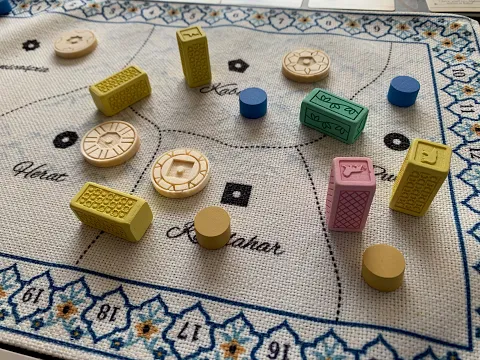
In Pax Pamir, players assume the role of nineteenth century Afghan leaders attempting to forge a new state after the collapse of the Durrani Empire. Western histories often call this period "The Great Game" because of the role played by the Europeans who attempted to use central Asia as a theater for their own rivalries. In this game, those empires are viewed strictly from the perspective of the Afghans who sought to manipulate the interloping ferengi (foreigners) for their own purposes. In terms of game play, Pax Pamir is a pretty straightforward tableau builder. Players spend most of their turns purchasing cards from a central market, then playing those cards in front of them in a single row called a court. Playing cards adds units to the game's map and grants access to additional actions that can be taken to disrupt other players and influence the course of the game. That last point is worth emphasizing. Though everyone is building their own row of cards, the game offers many ways for players to interfere with each other directly and indirectly. To survive, players will organize into coalitions. Throughout the game, the dominance of the different coalitions will be evaluated by the players when a special card, called a "Dominance Check", is resolved. If a single coalition has a commanding lead during one of these checks, those players loyal to that coalition will receive victory points based on their influence in their coalition. However, if Afghanistan remains fragmented during one of these checks, players instead will receive victory points based on their personal power base. After each Dominance Check, victory is checked and the game will be partially reset, offering players a fresh attempt to realize their ambitions. The game ends when a single player is able to achieve a lead of four or more victory points or after the fourth and final Dominance Check is resolved.
Watch first




Which Pax Pamir: Second Edition video should I watch?
Pax Pamir: Second Edition has 83 videos from 57 creators: 24 reviews, 25 how-to-play guides, 21 playthroughs, 6 unboxings and 7 other videos. They date from 2018 to July 2026.
To learn the rules, start with "1. How to Play - Pax Pamir Second Edition - Start Here!" by Modern Cardboard, which runs 46 min. For a quicker teach, "How to Play Pax Pamir Solo/2 Player Mode in 12 Minutes" by RTFM runs 12 min.
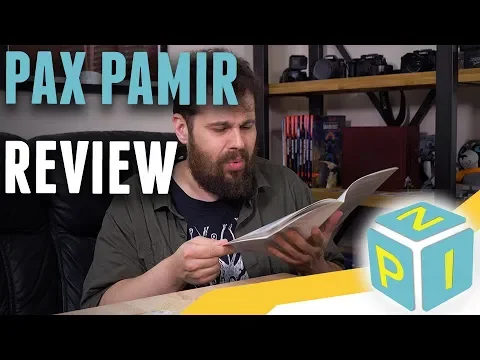
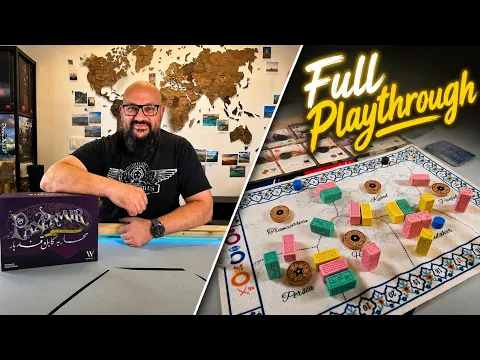
For an opinion before you buy, start with "Pax Pamir Review" by No Pun Included. 24 creators have reviewed it. To see it played, watch "A Lonely Moment with Pax Pamir 2e... Live! (Solitaire playthrough)" by Phasing Player, one of 21 playthroughs.
If you like it, try Arcs, Root, John Company: Second Edition and Oath, also by Cole Wehrle.
All videos

























































8 of 57
Creators who cover this

BoardThru
7 videos of this game

Grantos
7 videos of this game

Modern Cardboard
3 videos of this game

Bits Of Board
2 videos of this game

BoardGameBollocks
2 videos of this game

Bottom Shelf Board Games
2 videos of this game

Box of Delights
2 videos of this game

Level Up Meeples
2 videos of this game
Games like this

2018Cole Wehrle
- Videos
- 141
- Creators
- 91
Mainly reviews and how-to-play
2 - 4 players60 - 90 minHeavy weight
2022Cole Wehrle
- Videos
- 80
- Creators
- 39
Mainly playthroughs and how-to-play
1 - 6 players90 - 240 minVery heavy weight
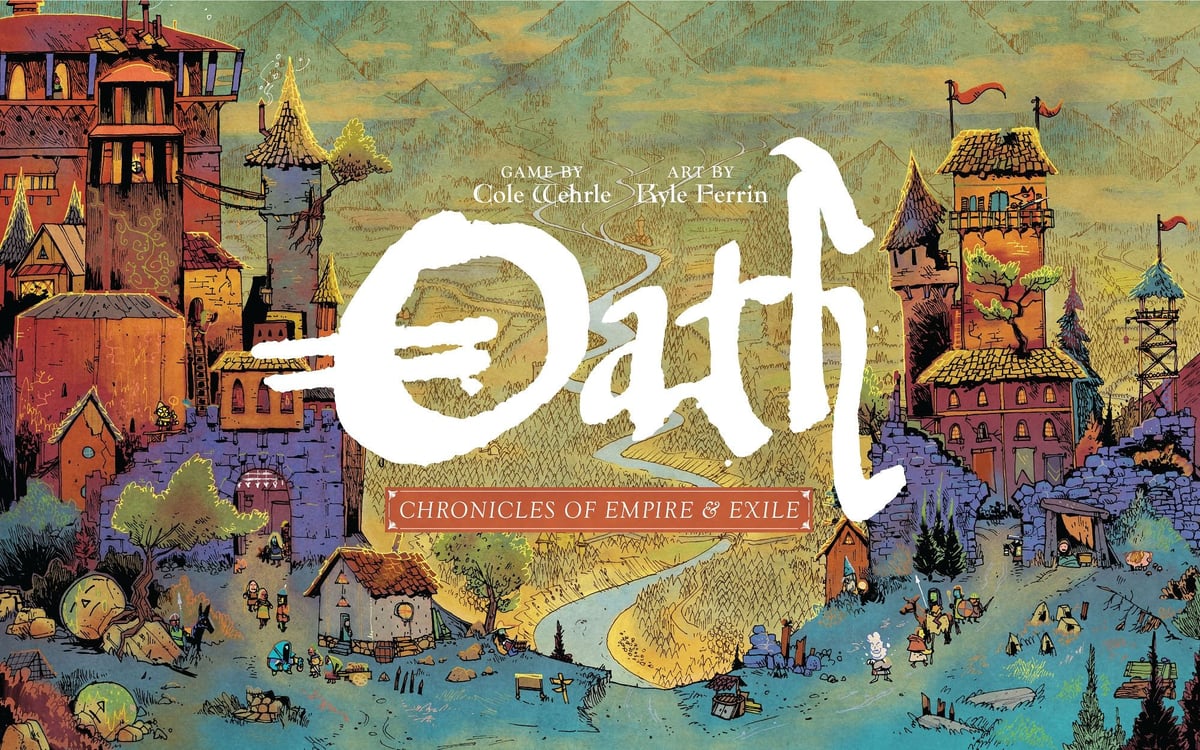
2021Cole Wehrle
- Videos
- 73
- Creators
- 47
Mostly reviews and how-to-play
1 - 6 players45 - 150 minVery heavy weight
About Pax Pamir: Second Edition
From BoardGameGeek:
In Pax Pamir, players assume the role of nineteenth century Afghan leaders attempting to forge a new state after the collapse of the Durrani Empire. Western histories often call this period "The Great Game" because of the role played by the Europeans who attempted to use central Asia as a theater for their own rivalries. In this game, those empires are viewed strictly from the perspective of the Afghans who sought to manipulate the interloping ferengi (foreigners) for their own purposes. In terms of game play, Pax Pamir is a pretty straightforward tableau builder. Players spend most of their turns purchasing cards from a central market, then playing those cards in front of them in a single row called a court. Playing cards adds units to the game's map and grants access to additional actions that can be taken to disrupt other players and influence the course of the game. That last point is worth emphasizing. Though everyone is building their own row of cards, the game offers many ways for players to interfere with each other directly and indirectly. To survive, players will organize into coalitions. Throughout the game, the dominance of the different coalitions will be evaluated by the players when a special card, called a "Dominance Check", is resolved. If a single coalition has a commanding lead during one of these checks, those players loyal to that coalition will receive victory points based on their influence in their coalition. However, if Afghanistan remains fragmented during one of these checks, players instead will receive victory points based on their personal power base. After each Dominance Check, victory is checked and the game will be partially reset, offering players a fresh attempt to realize their ambitions. The game ends when a single player is able to achieve a lead of four or more victory points or after the fourth and final Dominance Check is resolved.
Designer
Cole Wehrle
Artist
Cole Wehrle
Publisher
Wehrlegig Games
Categories
Mechanics