






















2015Jeroen Doumen, Joris Wiersinga
- Videos
- 75
- Creators
- 59
Mainly reviews
2 - 5 players120 - 240 minVery heavy weight

2005Jeroen Doumen, Joris Wiersinga
Mostly how-to-play and reviews. Indonesia is covered on BoardGameVideo.com by 10 reviews, 11 how-to-play guides, 5 recorded sessions, and 2 other videos.
From BoardGameGeek
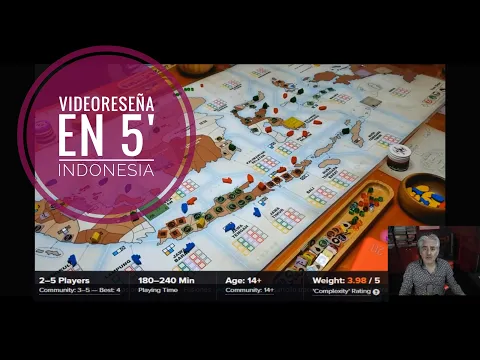
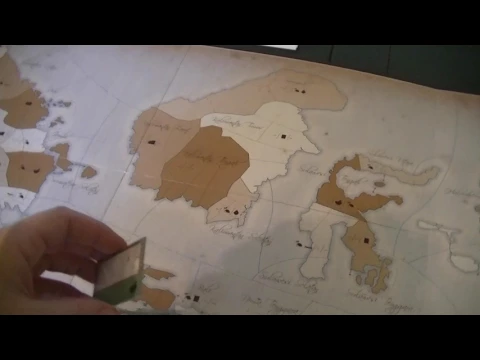
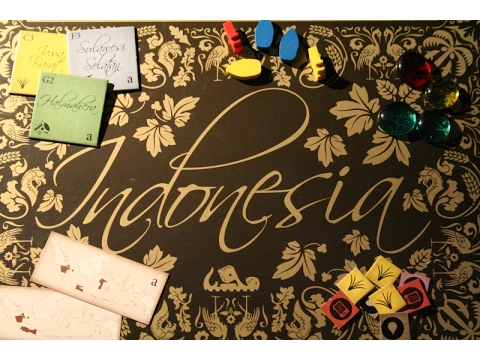
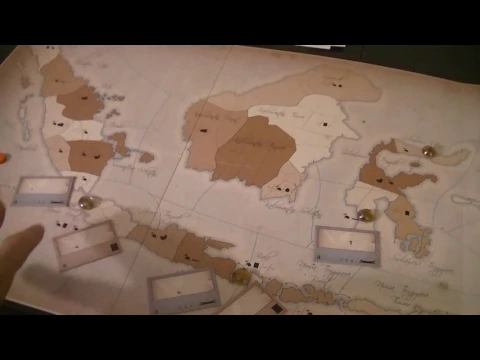
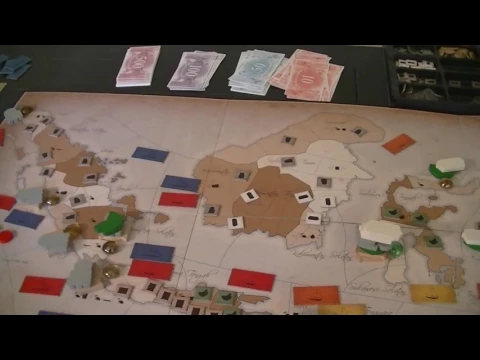
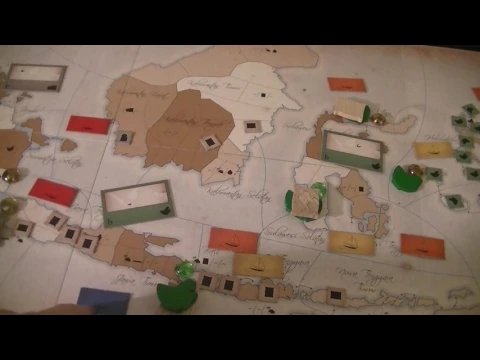
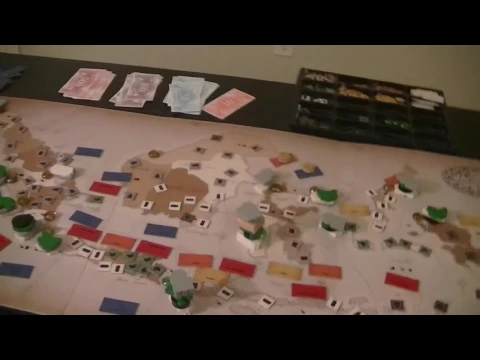
Judging by the smirk on the face of the Sultan of Solo, the businessman from North Sumatra has just made a mistake. And a costly one at that, too. He has paid way too much for merging his rubber company with the Sultan's extensive rubber plantations: there are no ships in the area to transport the rubber to the booming cities of Java. And the Sultan is now dripping in cash - he can bribe city authorities so that his ships will gain preferential access to those ports where they are competing. Or he might invest in building an oil imperium. But wait - what's that young fellow over there up to? Buying all the shipping lines? That might change the outlook … considerably, in fact … let's see… Indonesia is a game in which two to five players build up an economy, trying to acquire the most money. Players acquire production companies, which produce goods (rice, spices, microwaveable meals, rubber, and oil), and shipping companies, which deliver goods to cities. As cities receive goods, they grow, increasing their demands. Production companies earn money for each good delivered to a city, up to the city's capacity, but they must pay shipping companies for the distance traveled, even if they end up losing money. Players can research advantages, like greater shipping capacity or the ability to merge companies, possibly stealing ownership of lucrative plantations or shipping routes by buying out other players. Players keep their money hidden, trying to accumulate the most by the end of the third era. When only one type of a company is left, an era ends. New eras bring new cities, companies, and types of goods. At the end of the third era, the player with the most money wins. However, money earned from the last round of operations (selling/shipping goods) counts double, so it can be important to control the timing.
Indonesia has 28 videos from 18 creators: 10 reviews, 11 how-to-play guides, 5 playthroughs and 2 other videos. They date from 2006 to April 2026.
To learn the rules, start with "Board Games with Scott 010 - Indonesia" by Scott Nicholson, which runs 34 min. For a quicker teach, "Indonesia (NL) - Deel 2 / 2" by Nox' Spellenzolder runs 17 min.
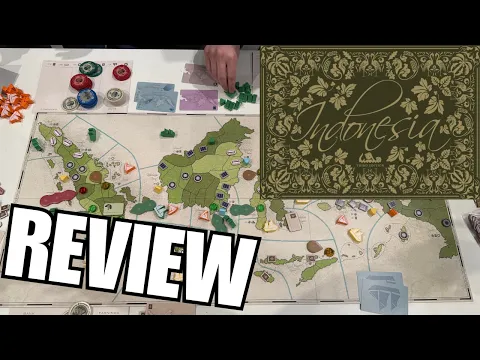
For an opinion before you buy, start with "Indonesia review" by calandale. 9 creators have reviewed it. To see it played, watch "Indonesia - 3rd Edition - 4p Teaching, Play-through & Roundtable Discussion by Heavy Cardboard" by Heavy Cardboard, one of 5 playthroughs.
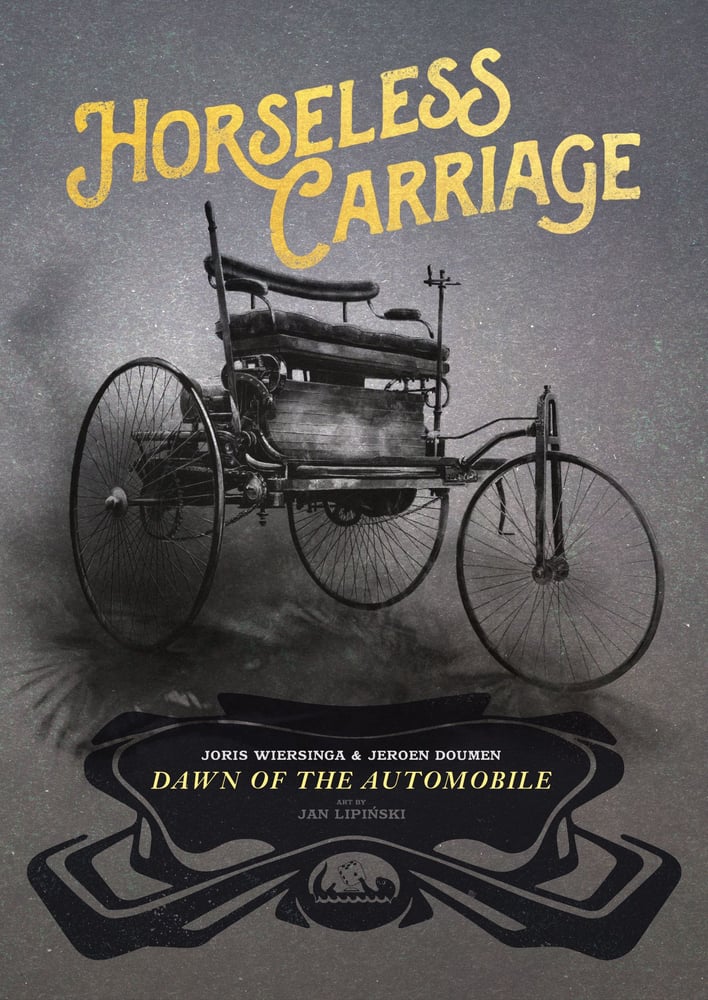
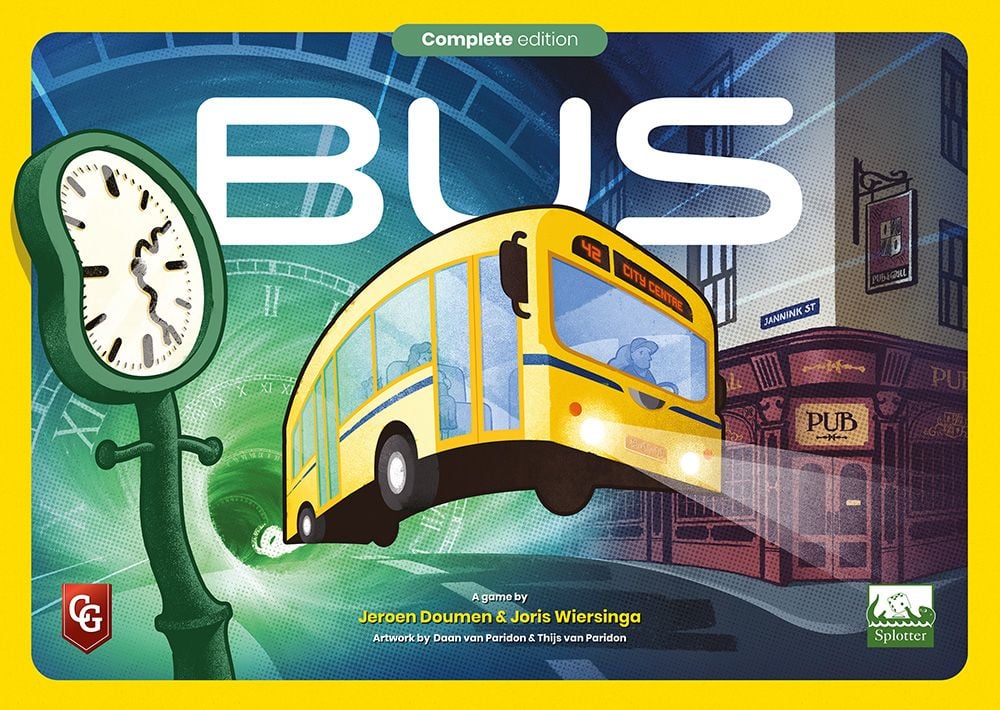
If you like it, try Food Chain Magnate, The Great Zimbabwe, Horseless Carriage and Bus, also by Jeroen Doumen.
8 of 18


2015Jeroen Doumen, Joris Wiersinga
2 - 5 players120 - 240 minVery heavy weight
2012Jeroen Doumen, Joris Wiersinga
2 - 5 players90 - 150 minHeavy weight
2023Jeroen Doumen, Joris Wiersinga
3 - 5 players180 - 240 minVery heavy weight
1999Jeroen Doumen, Joris Wiersinga
3 - 5 players120 minHeavy weight
From BoardGameGeek:
Judging by the smirk on the face of the Sultan of Solo, the businessman from North Sumatra has just made a mistake. And a costly one at that, too. He has paid way too much for merging his rubber company with the Sultan's extensive rubber plantations: there are no ships in the area to transport the rubber to the booming cities of Java. And the Sultan is now dripping in cash - he can bribe city authorities so that his ships will gain preferential access to those ports where they are competing. Or he might invest in building an oil imperium. But wait - what's that young fellow over there up to? Buying all the shipping lines? That might change the outlook … considerably, in fact … let's see… Indonesia is a game in which two to five players build up an economy, trying to acquire the most money. Players acquire production companies, which produce goods (rice, spices, microwaveable meals, rubber, and oil), and shipping companies, which deliver goods to cities. As cities receive goods, they grow, increasing their demands. Production companies earn money for each good delivered to a city, up to the city's capacity, but they must pay shipping companies for the distance traveled, even if they end up losing money. Players can research advantages, like greater shipping capacity or the ability to merge companies, possibly stealing ownership of lucrative plantations or shipping routes by buying out other players. Players keep their money hidden, trying to accumulate the most by the end of the third era. When only one type of a company is left, an era ends. New eras bring new cities, companies, and types of goods. At the end of the third era, the player with the most money wins. However, money earned from the last round of operations (selling/shipping goods) counts double, so it can be important to control the timing.
Designers
Jeroen Doumen, Joris Wiersinga
Artists
Jeroen Kesselaar, Jan Lipiński, Ynze Moedt
Publisher
Splotter Spellen
Categories
Mechanics