
2016Greg Blanchett
- Videos
- 1
- Creators
- 1
Unboxings
1 - 6 players30 - 420 minMedium weight
2025Greg Blanchett
From BoardGameGeek
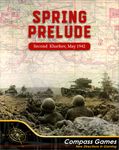
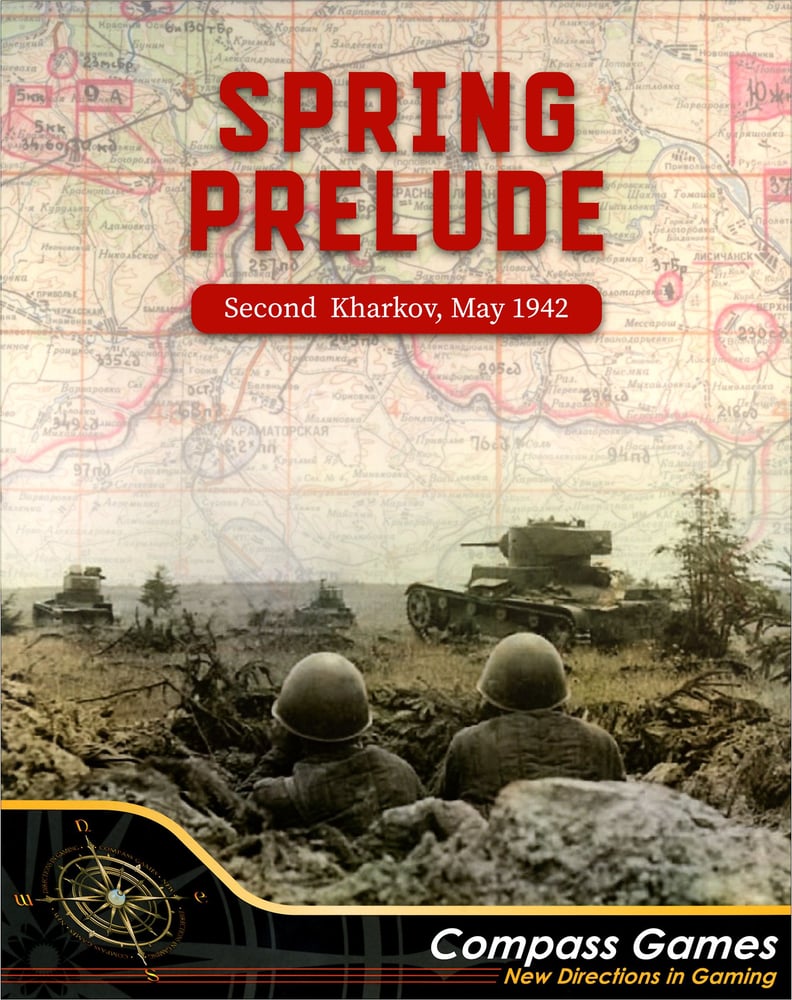
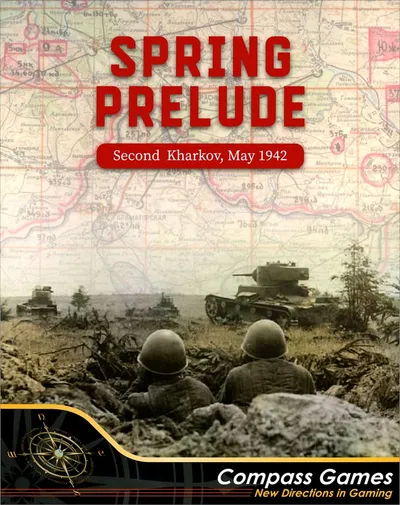
This stand alone game covers the Second Battle of Kharkov, 12-27 May 1942 and is a descendant of Nathan Kilgore's Variable Combat Series (VCS) Salerno: The 1943 Allied Invasion of Italy from MMP. With this system most of the units (usually representing the larger formations) have a variable unit strength. A strength chit is drawn during combat to determine the exact combat value of the unit; the strength chit once pulled is hidden under the unit to increase the "fog of war". The Second Battle of Kharkov is the perfect gaming situation to entice players into the world of strength chits. Spring Prelude is a simulation of the failed Soviet offensive to recapture that city, and the subsequent German counterattack, during the spring of 1942, which produced the last great pocket of Soviet prisoners. Players conduct operations as either Soviet Direction Commander Semyon Timoshenko, or as the German commander of Army Group South, Fedor von Bock. The game is based primarily on "Kharkov 1942: Anatomy of a Military Disaster" by David Glantz, with some order of battle enhancement by George Nafziger, and maps based on post-war USGS surveys (which were themselves taken from wartime Soviet surveys). It's a battle not often covered by other titles, and features actions where both sides were attacker and defender. The game scale is 3 miles per hex and one day per turn. Units are primarily German regiments and Soviet divisions. Components include two 22" x 34" maps (total area 44"x34"), and 700 1/2" counters, including over 350 units. Scenarios include: 1. Northern Pincer: This historical scenario uses a portion of one map as an introduction to the full campaign. It provides players a look at one thrust of a two-part plan designed to capture Kharkov. The goal of this scenario is to study the true threat to German intentions posed by the Soviet forces east of the city. Lasts 6 turns (12-17 May), one map. 2. Izyum Salient: This is the full historical campaign, covering both offensives, as the battle flows back and forth across the steppe. You can use all the bells and whistles for this one. Lasts 16 turns (12-27 May), both maps. 3. Aggressive Timoshenko: This is a hypothetical situation that assumes the Soviets are ready to attack on the original planned kick-off date. The scenario plays the same as the historical campaign, but is shifted to 8 days earlier. The initial setup is slightly modified and some German reinforcements take longer to arrive. Lasts 20 turns (4-23 May), both maps. 4. Passive Timoshenko: This is another hypothetical situation that places the Soviets on a stronger footing. The scenario postulates that Timoshenko did not propose his attack plans to Stalin who himself was more occupied with other sections of the front. In this case, FRIDERICUS is launched as planned by the Germans against a dug-in and defensive-minded Soviet force. Will there still be a pocket? Lasts 10 turns (18-27 May), one map. New rules include: • The effect of rain, mud, and swollen rivers on the early stages of the battle. • Stacking of Soviet units is different than that of Axis units. • The addition of headquarters is used to portray the Soviet command structure in a more accurate way. • Air missions are expanded to cover interdiction sorties. • Soviet doctrine restrictions reflect the rigidity of the Soviet command structure in the early years of the war. The game designer, Greg Blanchett, has a folder on Consimworld (http://talk.consimworld.com/WebX/.1dd4d844/831).
Spring Prelude: Second Kharkov, May 1942 has 4 videos from 3 creators: 1 playthrough and 3 unboxings. They date from May to July 2025.
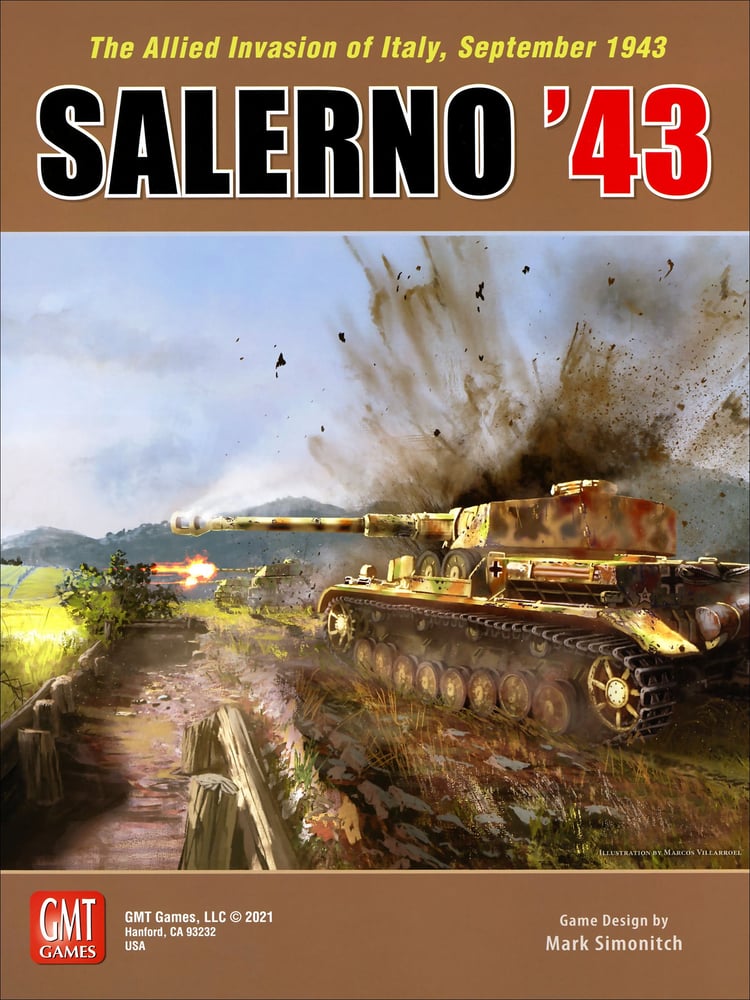
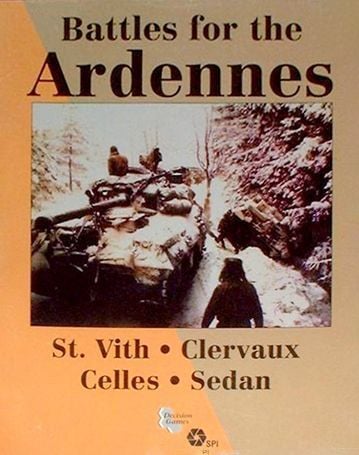
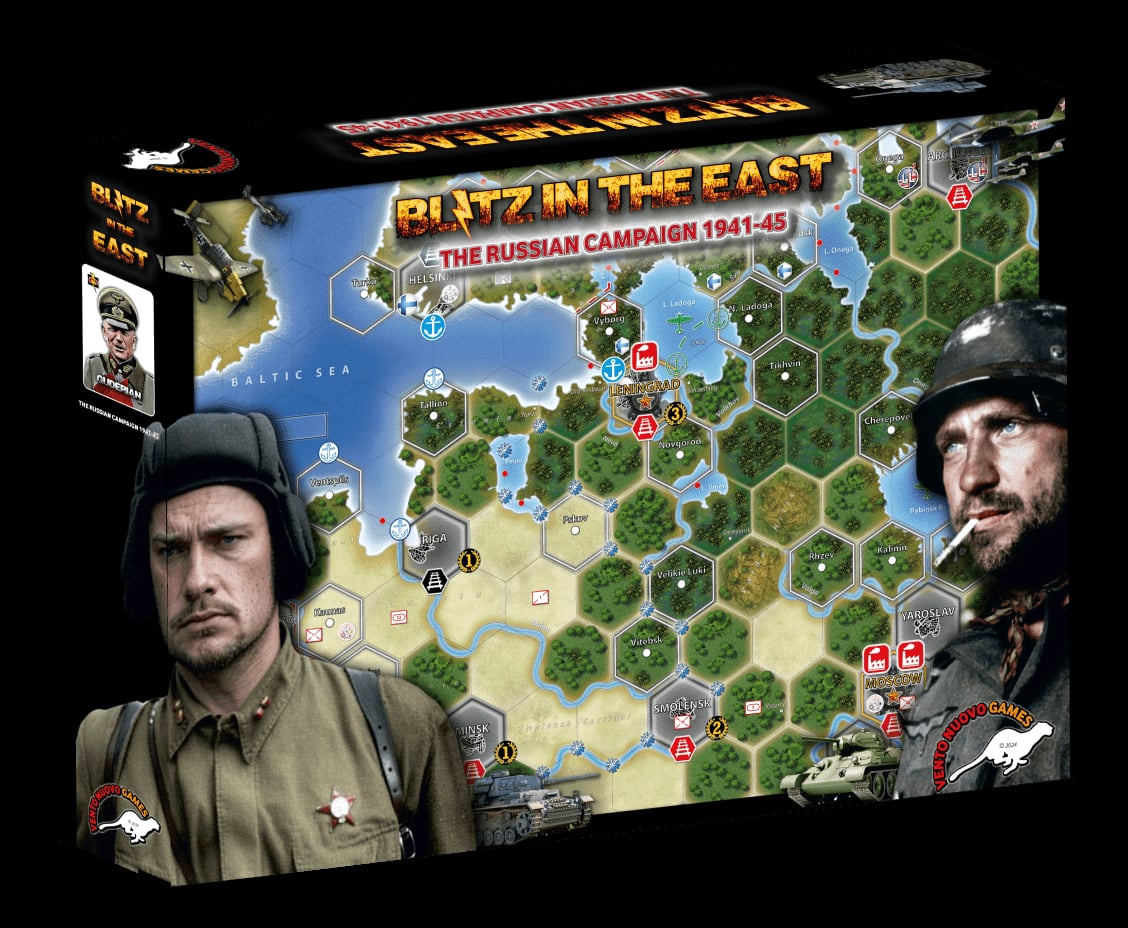
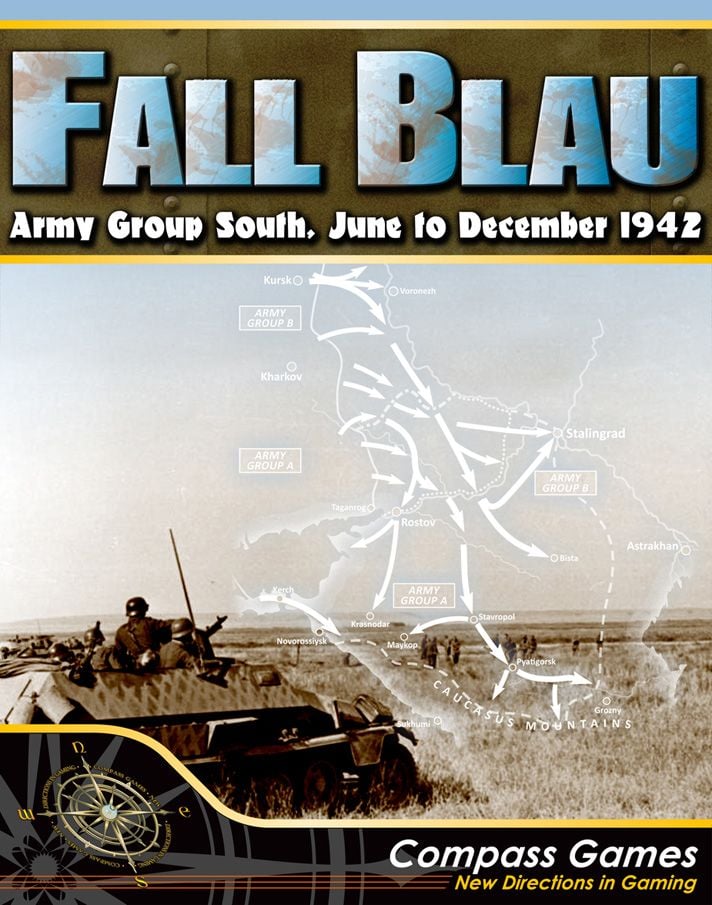
If you like it, try Fall Blau: Army Group South, June to December 1942, also by Greg Blanchett, or Salerno '43, Battles for the Ardennes and Blitz in the East, which share several of its mechanics.


2016Greg Blanchett
1 - 6 players30 - 420 minMedium weight
2022Mark Simonitch
2 players120 - 360 minHeavy weight
1978Danny S. Parker
2 - 4 players240 - 1440 minMedium weight
2024Emanuele Santandrea, Antonio Santandrea
1 - 2 players120 - 300 minHeavy weight
From BoardGameGeek:
This stand alone game covers the Second Battle of Kharkov, 12-27 May 1942 and is a descendant of Nathan Kilgore's Variable Combat Series (VCS) Salerno: The 1943 Allied Invasion of Italy from MMP. With this system most of the units (usually representing the larger formations) have a variable unit strength. A strength chit is drawn during combat to determine the exact combat value of the unit; the strength chit once pulled is hidden under the unit to increase the "fog of war". The Second Battle of Kharkov is the perfect gaming situation to entice players into the world of strength chits. Spring Prelude is a simulation of the failed Soviet offensive to recapture that city, and the subsequent German counterattack, during the spring of 1942, which produced the last great pocket of Soviet prisoners. Players conduct operations as either Soviet Direction Commander Semyon Timoshenko, or as the German commander of Army Group South, Fedor von Bock. The game is based primarily on "Kharkov 1942: Anatomy of a Military Disaster" by David Glantz, with some order of battle enhancement by George Nafziger, and maps based on post-war USGS surveys (which were themselves taken from wartime Soviet surveys). It's a battle not often covered by other titles, and features actions where both sides were attacker and defender. The game scale is 3 miles per hex and one day per turn. Units are primarily German regiments and Soviet divisions. Components include two 22" x 34" maps (total area 44"x34"), and 700 1/2" counters, including over 350 units. Scenarios include: 1. Northern Pincer: This historical scenario uses a portion of one map as an introduction to the full campaign. It provides players a look at one thrust of a two-part plan designed to capture Kharkov. The goal of this scenario is to study the true threat to German intentions posed by the Soviet forces east of the city. Lasts 6 turns (12-17 May), one map. 2. Izyum Salient: This is the full historical campaign, covering both offensives, as the battle flows back and forth across the steppe. You can use all the bells and whistles for this one. Lasts 16 turns (12-27 May), both maps. 3. Aggressive Timoshenko: This is a hypothetical situation that assumes the Soviets are ready to attack on the original planned kick-off date. The scenario plays the same as the historical campaign, but is shifted to 8 days earlier. The initial setup is slightly modified and some German reinforcements take longer to arrive. Lasts 20 turns (4-23 May), both maps. 4. Passive Timoshenko: This is another hypothetical situation that places the Soviets on a stronger footing. The scenario postulates that Timoshenko did not propose his attack plans to Stalin who himself was more occupied with other sections of the front. In this case, FRIDERICUS is launched as planned by the Germans against a dug-in and defensive-minded Soviet force. Will there still be a pocket? Lasts 10 turns (18-27 May), one map. New rules include: • The effect of rain, mud, and swollen rivers on the early stages of the battle. • Stacking of Soviet units is different than that of Axis units. • The addition of headquarters is used to portray the Soviet command structure in a more accurate way. • Air missions are expanded to cover interdiction sorties. • Soviet doctrine restrictions reflect the rigidity of the Soviet command structure in the early years of the war. The game designer, Greg Blanchett, has a folder on Consimworld (http://talk.consimworld.com/WebX/.1dd4d844/831).
Designer
Greg Blanchett
Artist
Ilya Kudriashov
Publisher
Compass Games
Categories
Mechanics