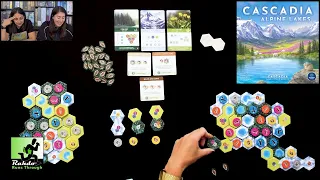
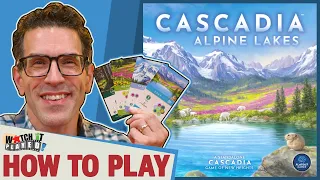
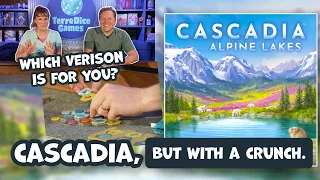
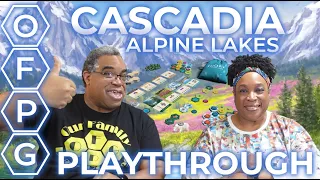
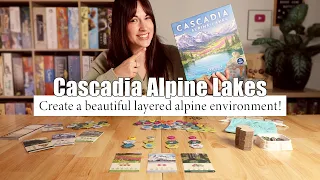
Watch “Cascadia: Alpine Lakes Kickstarter Preview | It's Time To Revisit The Pacific Northwest,” a how-to-play guide on BoardGameVideo.
Description provided by BlackBoardGaming on YouTube:
It's time to revisit the Pacific Northwest! In today's video, we give you the heads-up on Cascadia: Alpine Lakes, including a how-to set up & play overview. Cascadia: Alpine Lakes is the stand-alone sequel to the 2022 Spiel des Jahres winner, Cascadia and designed by Randy Flynn and being published by Flatout Games.
Cascadia: Alpine Lakes also comes with a family variant as well as a solo mode.
#boardgames #howtoplay #boardgame
You can follow this link to the Kickstarter page for Cascadia: Alpine Lakes:
https://www.kickstarter.com/projects/flatoutgames/cascadia-alpine-lakes
You can follow this link to check out our merchandise:
https://blackboardgaming.creator-spring.com/
Please follow us on Instagram and Facebook and Bluesky
https://www.instagram.com/blck_boardgaming/
https://www.facebook.com/BlckBoardGaming
https://bsky.app/profile/blackboardgaming.bsky.social
Mainly reviews and how-to-play. Cascadia: Alpine Lakes is covered on BoardGameVideo.com by 12 reviews, 10 how-to-play guides, 7 recorded sessions, 3 unboxings, and 4 other videos.
1 - 4 players
30 - 45 min
Medium weight: Teach it in one sitting
About Cascadia: Alpine Lakes, from BoardGameGeek:
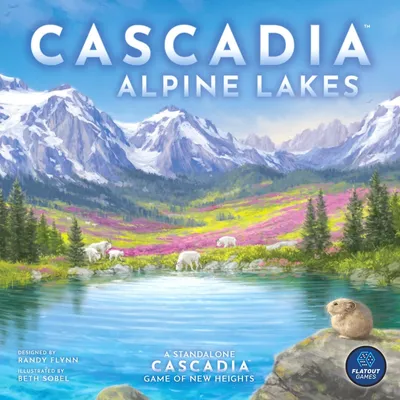
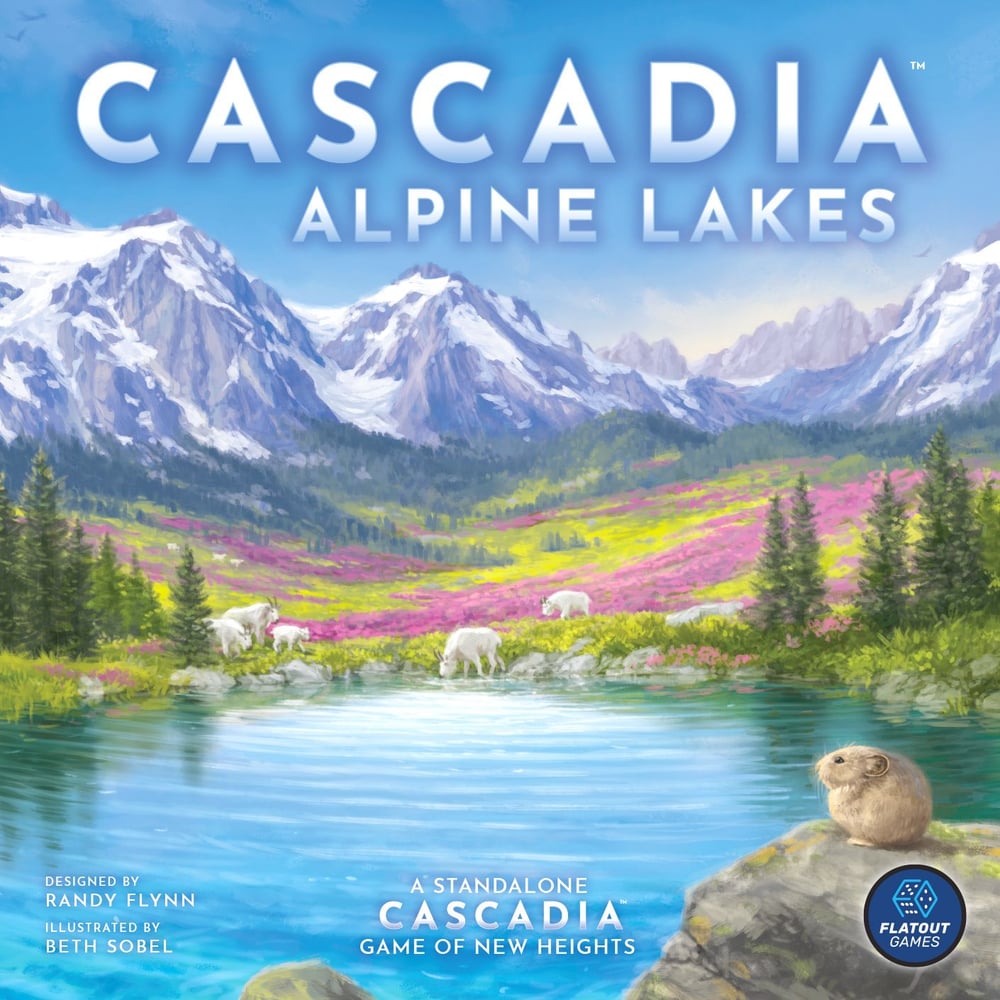
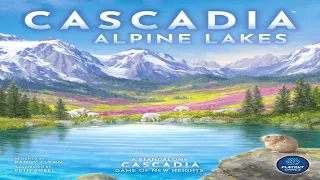
Cascadia: Alpine Lakes is a standalone follow-up to the hit spatial puzzle game Cascadia!
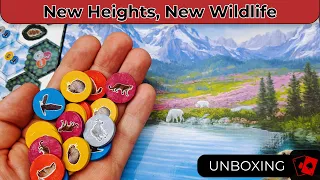
In this puzzly tile-layering game, players continue the journey started in Cascadia to create the most diverse Pacific Northwest environment as they draft new double-hexagon habitat tiles and unique new wildlife tokens to build out - and up - their beautiful landscape mosaic.
Each game of Cascadia: Alpine Lakes features unique combinations of scoring objectives linked to how the five wildlife species are arranged across three different alpine habitats. Players also score for how well surrounded and elevated their lakes and wildlife are. Habitat and environment scoring cards add unique scoring conditions so that each game provides a new spatial challenge with thousands of possible combinations.
Turns are simple: Choose a habitat tile and wildlife token pair, then place them into your expanding environment. This time, each habitat tile is a double-hexagon and tiles can be stacked. Many of the core game mechanisms are similar to Cascadia, but the twist is that each habitat scores in different ways and your environment is now a three-dimensional spatial puzzle with new stacking and adjacency challenges.