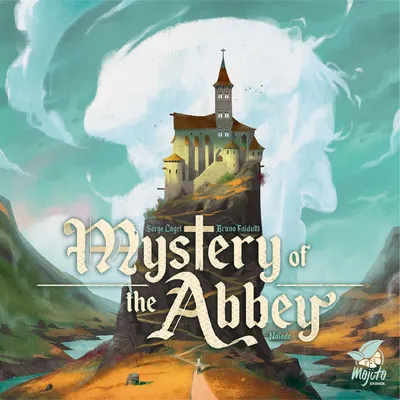
Mystery of the Abbey
1995Bruno Faidutti, Serge Laget
- Videos
- 15
- Creators
- 13
Mostly reviews. Mystery of the Abbey is covered on BoardGameVideo.com by 10 reviews, 4 how-to-play guides, and 1 unboxings.
3 - 6 players
60 - 90 min
Medium weight: Teach it in one sitting
From BoardGameGeek
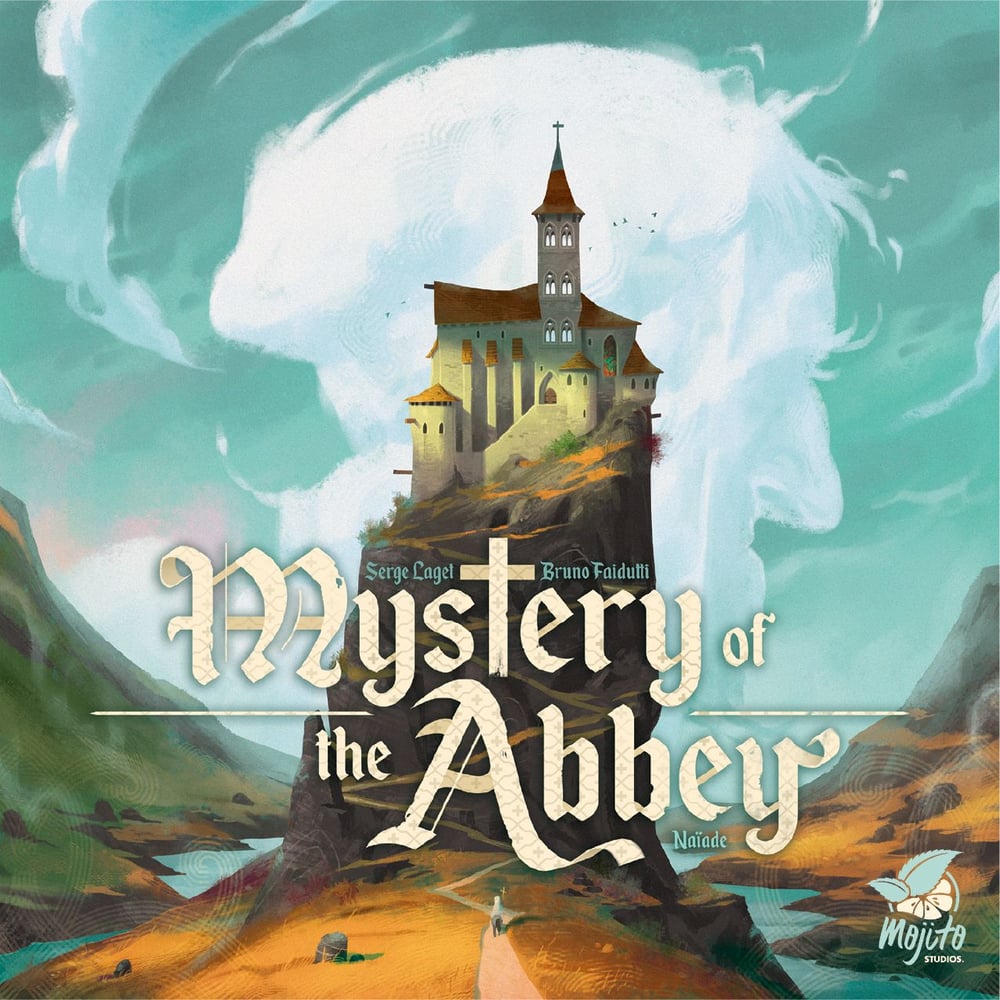
Mystery of the Abbey is a whodunit deduction game in the spirit of Clue. A monk has been murdered in a medieval French Abbey. Players maneuver their way through the Abbey examining clues and questioning each other to find out who is the culprit. Monks are of three orders, three titles, fat/thin, bald/hooded, and bearded/clean shaven. One monk card is hidden, and the rest of the cards are distributed. Turns consist of moving up to two spaces, and then asking a question of any other monks who are present there. (For instance, "how many fat monks do you have in your hand of cards?".) Players may either take a "vow of silence" or answer truthfully; they then in turn get to ask the accuser a question if they answered the accuser's question. "Mass" occurs every four turns: all players go back to the Sanctuary, an event card is read, and they then pass an ever growing number of cards to their left neighbor. Various rooms have special events or cards associated with them, e.g. in a Cell you get to pick a card from a neighbor, in the Cryptorum you get to pick up a card to take an extra turn later. Unlike Clue, you don't automatically win by making a correct Accusation: you get 4 points for getting it right, but you also get 2 points for each correct Declaration of a single trait, and lose points for incorrect declarations and accusations. So, e.g. a person could correctly Declare the culprit but lose the game. Unique Events cards add randomness to each play, and the game begs for House rules to limit the questions.
Watch first
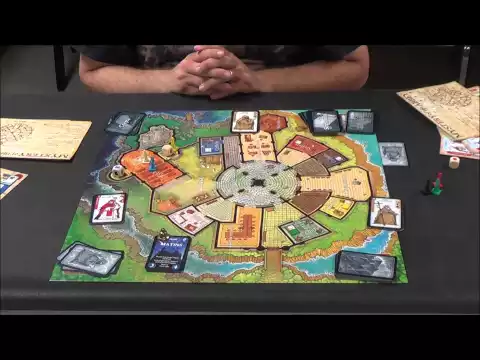


Which Mystery of the Abbey video should I watch?
Mystery of the Abbey has 15 videos from 13 creators: 10 reviews, 4 how-to-play guides and 1 unboxing. They date from 2011 to April 2026.
To learn the rules, start with "How to play Mystery of the Abbey" by Rundlii Gaming, which runs 19 min. For a quicker teach, "Como Jugar a el Misterio De La Abadia" by La Mazmorra de Pacheco - Juegos de mesa y rol runs 6 min.
For an opinion before you buy, start with "Board Game Review: Mystery of the Abbey" by TheBoardGameFamily. 8 creators have reviewed it.
If you like it, try Diamant, Citadels and Raptor, also by Bruno Faidutti, or Nidavellir, also by Serge Laget.
All videos






8 of 13
Creators who cover this

The Dice Tower
3 videos of this game

boardgamecloset
1 video of this game

Board Game Cultures
1 video of this game

Board Gems
1 video of this game

Game Boy Geek
1 video of this game

JugandoConKetty
1 video of this game

Lava Lamp Lounge
1 video of this game

Nox' Spellenzolder
1 video of this game
Games like this
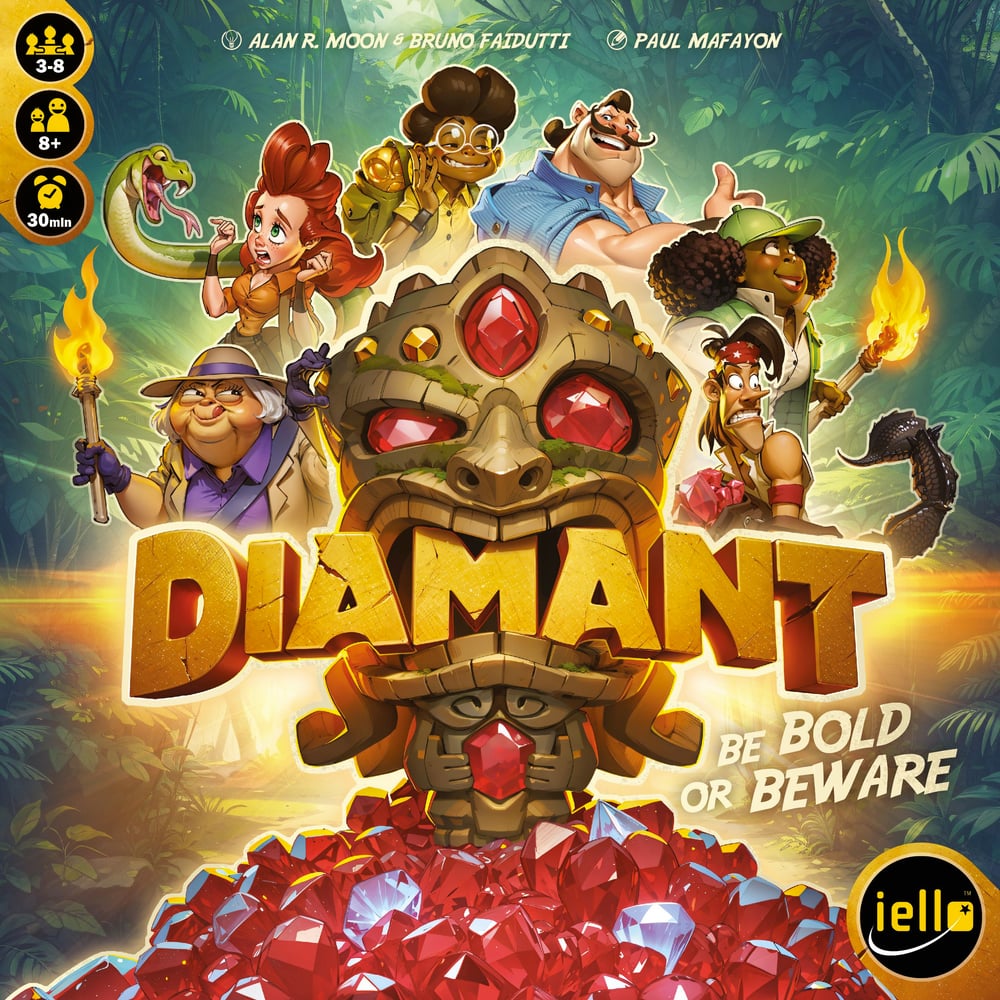
2005Bruno Faidutti, Alan R. Moon
- Videos
- 59
- Creators
- 51
Mainly reviews
3 - 8 players20 - 40 minLight weight

About Mystery of the Abbey
From BoardGameGeek:
Mystery of the Abbey is a whodunit deduction game in the spirit of Clue. A monk has been murdered in a medieval French Abbey. Players maneuver their way through the Abbey examining clues and questioning each other to find out who is the culprit. Monks are of three orders, three titles, fat/thin, bald/hooded, and bearded/clean shaven. One monk card is hidden, and the rest of the cards are distributed. Turns consist of moving up to two spaces, and then asking a question of any other monks who are present there. (For instance, "how many fat monks do you have in your hand of cards?".) Players may either take a "vow of silence" or answer truthfully; they then in turn get to ask the accuser a question if they answered the accuser's question. "Mass" occurs every four turns: all players go back to the Sanctuary, an event card is read, and they then pass an ever growing number of cards to their left neighbor. Various rooms have special events or cards associated with them, e.g. in a Cell you get to pick a card from a neighbor, in the Cryptorum you get to pick up a card to take an extra turn later. Unlike Clue, you don't automatically win by making a correct Accusation: you get 4 points for getting it right, but you also get 2 points for each correct Declaration of a single trait, and lose points for incorrect declarations and accusations. So, e.g. a person could correctly Declare the culprit but lose the game. Unique Events cards add randomness to each play, and the game begs for House rules to limit the questions.
Designers
Bruno Faidutti, Serge Laget
Artists
Cyrille Daujean, Julien Delval, Xavier Gueniffey Durin, Emmanuel Roudier
Publisher
Days of Wonder
Categories
MedievalMurder / MysteryReligious
Mechanics