





2025Tomáš Holek
- Videos
- 33
- Creators
- 30
Mainly playthroughs and reviews
1 - 4 players20 - 35 minMedium weight

2003Zach Greenvoss, Amanda Greenvoss
From BoardGameGeek
Your goal in Ada's Library - first published as Phoenix - is to arrange all of the books in your personal display in an order that matches the books in the "master display". The game includes larger "master" book cards in a six colors, as well as smaller books in these six colors. To set up, each player draws ten books from the bag, then places them in a row in front of themselves in the order drawn. Shuffle the six master cards, then lay them out in a row, e.g., red, light blue, gray, brown, yellow, dark blue. Shuffle the deck of action cards, with each player getting a hand of five cards. On a turn, either discard a card from your hand (ignoring its effect) or play a card from your hand. Cards will: Swap the position of two books in your display, with the number of spaces between these books being specified. Move a book in your display a specified number of spaces either left or right, but never past the end of your display. Move a book to either end of your display. Swap the books on the ends of your display. Swap a book of your choice with the book in the opponent's display directly opposite. Move a book in the master display 1 or 2 spaces to the left or right. Draw a replacement card to end your turn. As soon as the ten books in your display match the order of the books in the master display - regardless of whether all the colors are present - you win. Ada's Library differs from Phoenix in two ways. First, it includes only four books of each color whereas Phoenix had five pawns of each color. Second, in Phoenix, a complete game lasted three rounds, and players scored points at the end of each round based on whether they went out, had a pawn of each color, and had 3-5 pawns of a color in a row on their display. Whoever had the most points after three rounds won.
Ada's Library has 4 videos from 4 creators: 1 review, 1 playthrough and 2 unboxings. They date from 2023 to September 2026.
For an opinion before you buy, start with "Ada's Library Review: Arrange Those Books" by The Dice Tower. To see it played, watch "Ada's Library | UKGE 2025 | How To Play + Playthrough" by Jucchee.
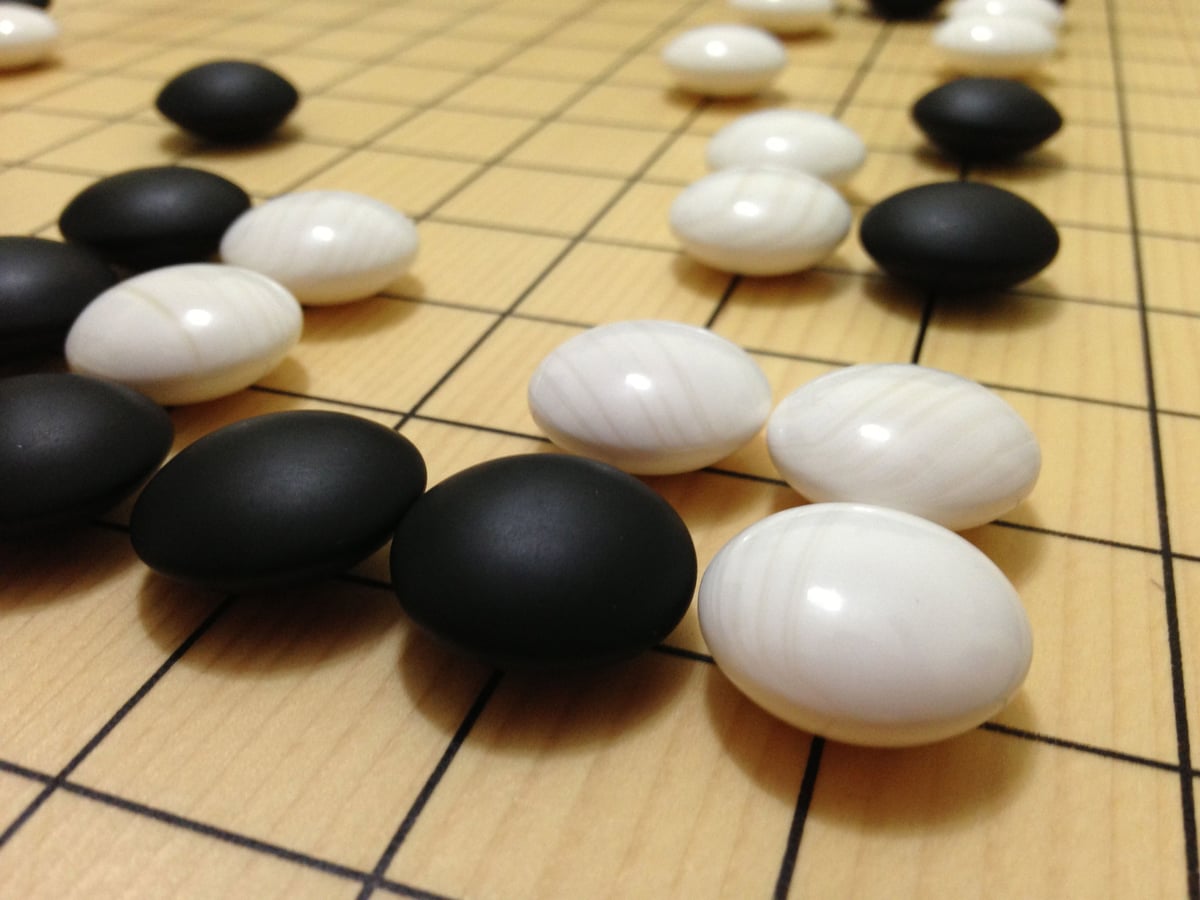
If you like it, try Pondscape, Big Sur, Abducktion or Go, which share several of its mechanics. It appears in convention videos from UK Games Expo 2025.


2025Tomáš Holek
1 - 4 players20 - 35 minMedium weight
2023Evan Katz, Josh Roberts
1 - 4 players15 minLight weight
From BoardGameGeek:
Your goal in Ada's Library - first published as Phoenix - is to arrange all of the books in your personal display in an order that matches the books in the "master display". The game includes larger "master" book cards in a six colors, as well as smaller books in these six colors. To set up, each player draws ten books from the bag, then places them in a row in front of themselves in the order drawn. Shuffle the six master cards, then lay them out in a row, e.g., red, light blue, gray, brown, yellow, dark blue. Shuffle the deck of action cards, with each player getting a hand of five cards. On a turn, either discard a card from your hand (ignoring its effect) or play a card from your hand. Cards will: Swap the position of two books in your display, with the number of spaces between these books being specified. Move a book in your display a specified number of spaces either left or right, but never past the end of your display. Move a book to either end of your display. Swap the books on the ends of your display. Swap a book of your choice with the book in the opponent's display directly opposite. Move a book in the master display 1 or 2 spaces to the left or right. Draw a replacement card to end your turn. As soon as the ten books in your display match the order of the books in the master display - regardless of whether all the colors are present - you win. Ada's Library differs from Phoenix in two ways. First, it includes only four books of each color whereas Phoenix had five pawns of each color. Second, in Phoenix, a complete game lasted three rounds, and players scored points at the end of each round based on whether they went out, had a pawn of each color, and had 3-5 pawns of a color in a row on their display. Whoever had the most points after three rounds won.
Designers
Zach Greenvoss, Amanda Greenvoss
Artists
Wanjin Gill, Cyril Saint Blancat
Publisher
Eurogames
Categories
Mechanics