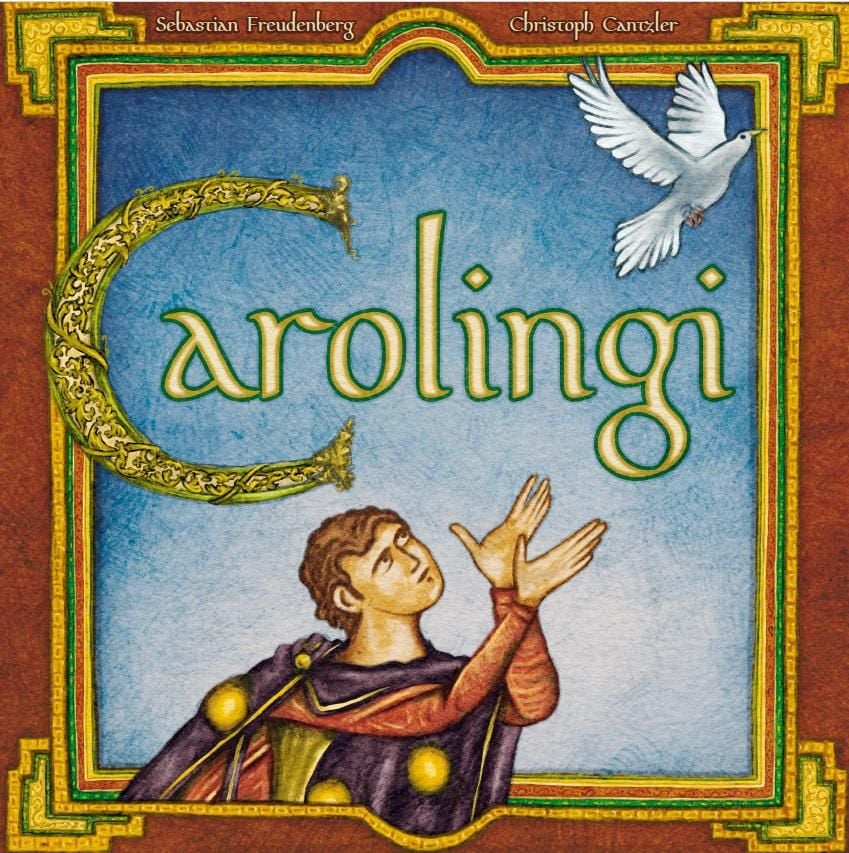
2024Christoph Cantzler, Sebastian Freudenberg
- Videos
- 19
- Creators
- 12
Mainly how-to-play and reviews
2 - 6 players60 - 180 min2.9 weight
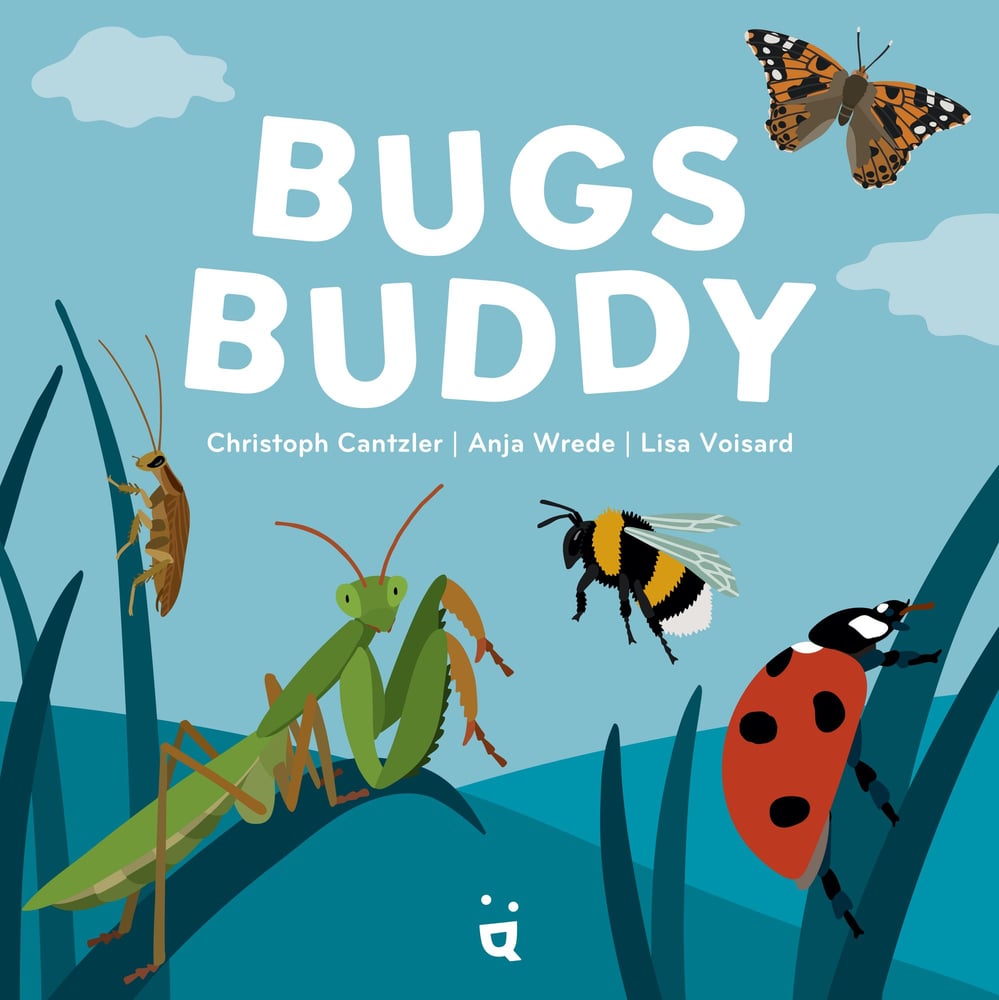
2025Christoph Cantzler, Anja Wrede
From BoardGameGeek
Insects are vital to our ecosystem, so that's why you want to take credit for putting them into play in Bugs Buddy. Each player starts with a secret hand of four double-sided insect tiles. Nine types of insects are included in the deck, each appearing eight times. On a turn, either add a new insect to the display, then place one of your colored cubes underneath it, or add an insect to the column of matching insect tiles already present, then replace another player's cube(s) underneath this insect with the same number of cubes of your color, plus one. (If you place a bee, for example, in a column that has two bees, you remove the opponent's two cubes, then place three of your own.) To end your turn, draw a tile from the deck. Each insect type will have a single column, and you cannot replace your own cubes when placing a tile. If you don't have enough cubes to play any of your tiles, skip your turn. If you have no more cubes in front of you, you win; if all players pass in turn, whoever has the fewest cubes remaining wins.

2024Christoph Cantzler, Sebastian Freudenberg
2 - 6 players60 - 180 min2.9 weight
2022Christoph Cantzler, Anja Wrede
1 - 4 players15 min1.4 weight
2026Christoph Cantzler, Anja Wrede
2 - 4 players10 - 20 min
2023Christoph Cantzler, Anja Wrede
1 - 5 players15 min1.8 weight
From BoardGameGeek:
Designers
Christoph Cantzler, Anja Wrede
Artist
Lisa Voisard
Categories
Mechanics