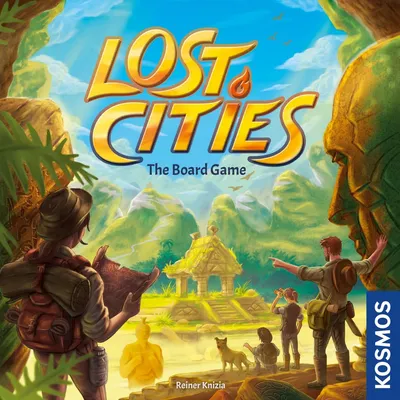
Lost Cities: The Board Game
2008Reiner Knizia
2 - 4 players
30 - 60 min
Light weight: Learn it in minutes
From BoardGameGeek
Redevelopment of Lost Cities, first published with altered rules as Keltis, and then published by Rio Grande as Lost Cities: The Board Game with Knizia's original rules and theme. Reiner Knizia: "The original version that we developed is exactly what Jay [Tummelson, owner of Rio Grande Games] has now published [LCBG]" Primary differences between Lost Cities: The Board Game and Keltis: 1. In LCBG you play 3 rounds, scoring at the end of all 3 for the monuments you collect. (Normal scoring occurs each round.) In Keltis, you only play 1 round, and score everything each round. This is not just a rule difference, as the scoring is different for the monuments/stones based on the number collected. 2. In Keltis, you may play your cards in either order, descending, high to low, or ascending, low to high. In LCBG, you must play in ascending order. Note: the rules for LCBG have the Keltis rules as variants, and have the board elements necessary for #1 above. Keltis does not have the rules nor board elements to play LCBG. Kosmos (Keltis publisher) changed the card play to ascending and descending order to lower the luck level and add balance to the game. Kosmos changed the theme to fit in with other Kosmos abstract game series. There are more differences, which are non-substantive. Lost Cities: The Board Game has a different-looking board, tiles and figures (meeples) to connect with its predecessor. Card-play in descending order is an optional variant in this edition. The numbers have been multiplied by 5 to strengthen the relation to the card game, and instead of a scoring track you collect your points as golden coins. From the Keltis entry: Players play cards to move their playing pieces along stone paths. There are cards with 5 different colors/symbols, each corresponding to one path; in addition, each card shows a number (0-10, twice each). In each color, each player can play his cards either ascending or descending. Like Lost Cities, it's better to concentrate on a few paths, since the last spaces grants high points, but ending early gives negative ones. The player in turn plays one card (out of a hand of 8), or discards one. He moves the corresponding playing piece on the path. Many of the spaces have a token that grants some bonus - either direct points (counted on the scoring track), an extra move on a path, or wish stones that are needed at game end to avoid negative points. The game ends when a total of 5 playing pieces have reached the 7th space (or more) on their paths. Now, scoring happens: Pieces which only moved 1-3 steps give negative points (-4, -3, -2). Pieces with 4+ steps grant points (1, 2, 3, 6, 7, 10). One piece of each player is higher and scores double. Fewer than two wish stones grants negative points (-3 / -4) 5+ wish stones yield a bonus of 10 points. All this is added to the points scored during the game
Which Lost Cities: The Board Game video should I watch?
Lost Cities: The Board Game has 2 videos from 2 creators: 1 how-to-play guide and 1 unboxing. They date from 2025 to January 2026.
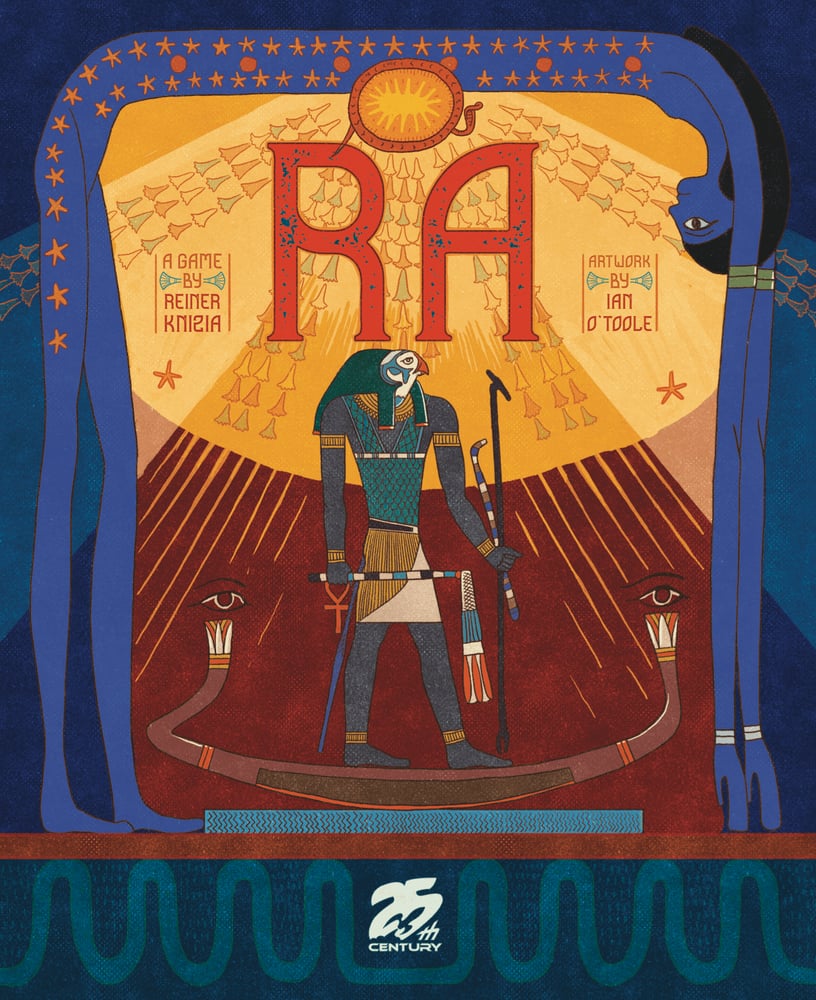
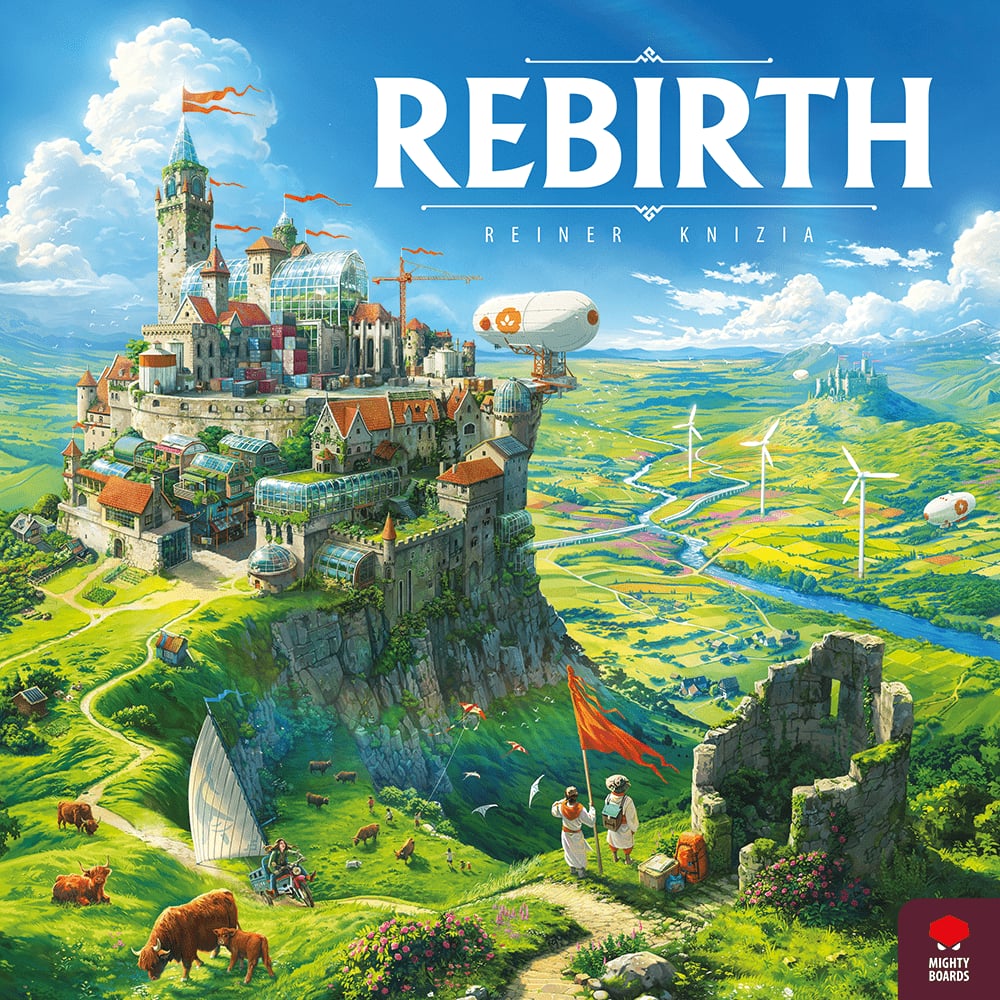
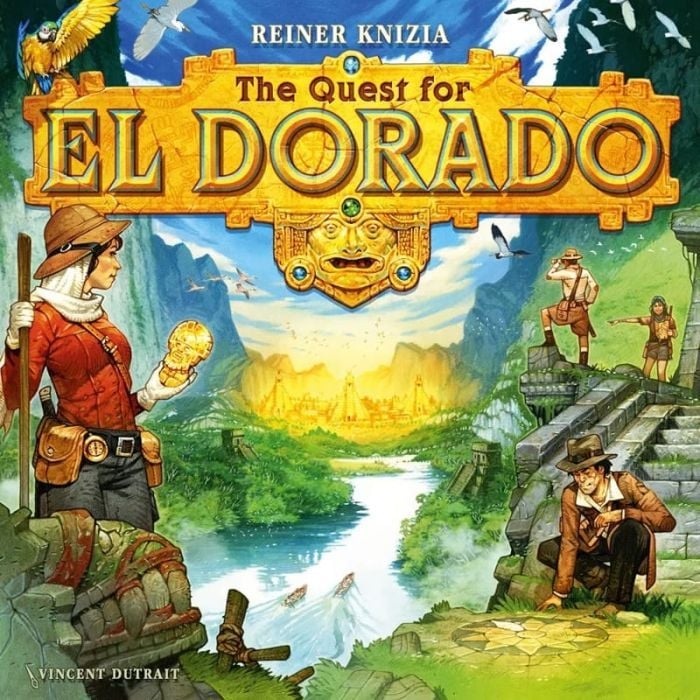
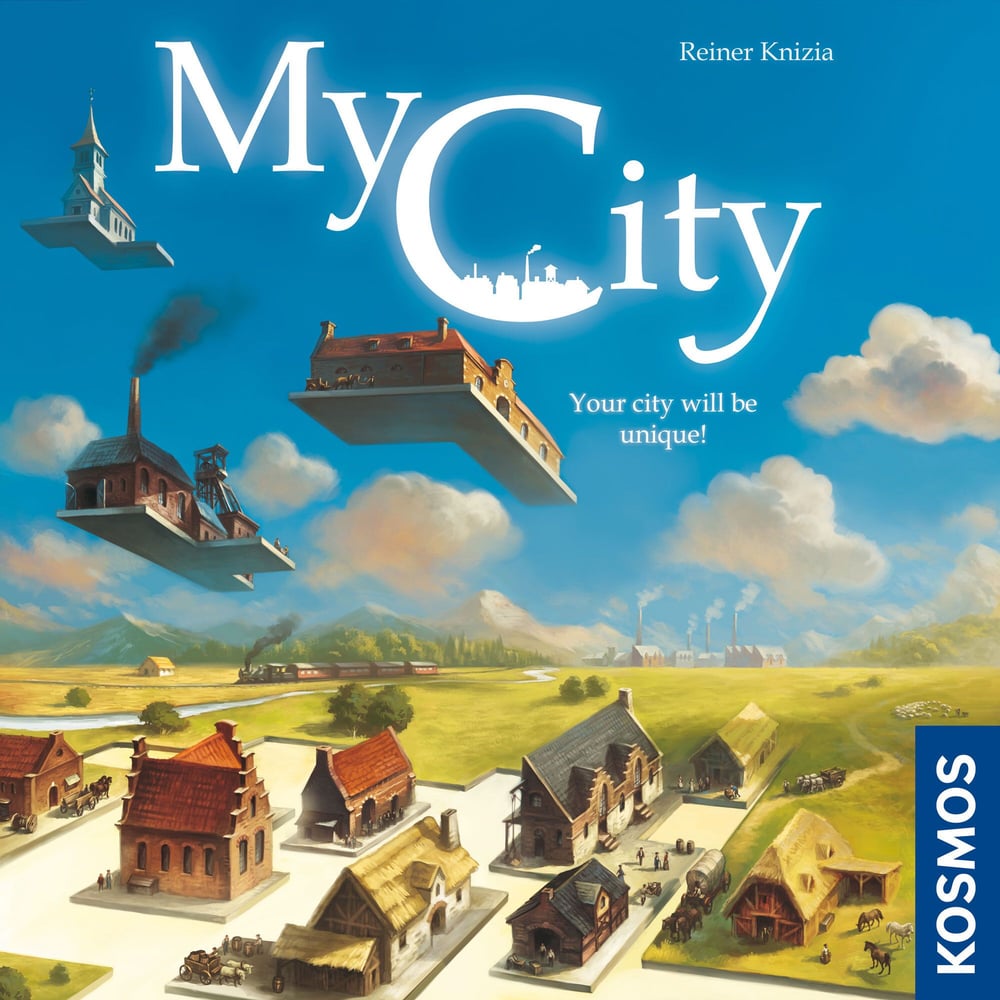
If you like it, try Ra, Rebirth, The Quest for El Dorado and My City, also by Reiner Knizia.
All videos

Creators who cover this

Boardgamesworld
1 video of this game

Your Turn Gaming
1 video of this game
Games like this
2017Reiner Knizia
- Videos
- 81
- Creators
- 61
Mainly reviews
2 - 4 players30 - 60 minLight weight
About Lost Cities: The Board Game
From BoardGameGeek:
Redevelopment of Lost Cities, first published with altered rules as Keltis, and then published by Rio Grande as Lost Cities: The Board Game with Knizia's original rules and theme. Reiner Knizia: "The original version that we developed is exactly what Jay [Tummelson, owner of Rio Grande Games] has now published [LCBG]" Primary differences between Lost Cities: The Board Game and Keltis: 1. In LCBG you play 3 rounds, scoring at the end of all 3 for the monuments you collect. (Normal scoring occurs each round.) In Keltis, you only play 1 round, and score everything each round. This is not just a rule difference, as the scoring is different for the monuments/stones based on the number collected. 2. In Keltis, you may play your cards in either order, descending, high to low, or ascending, low to high. In LCBG, you must play in ascending order. Note: the rules for LCBG have the Keltis rules as variants, and have the board elements necessary for #1 above. Keltis does not have the rules nor board elements to play LCBG. Kosmos (Keltis publisher) changed the card play to ascending and descending order to lower the luck level and add balance to the game. Kosmos changed the theme to fit in with other Kosmos abstract game series. There are more differences, which are non-substantive. Lost Cities: The Board Game has a different-looking board, tiles and figures (meeples) to connect with its predecessor. Card-play in descending order is an optional variant in this edition. The numbers have been multiplied by 5 to strengthen the relation to the card game, and instead of a scoring track you collect your points as golden coins. From the Keltis entry: Players play cards to move their playing pieces along stone paths. There are cards with 5 different colors/symbols, each corresponding to one path; in addition, each card shows a number (0-10, twice each). In each color, each player can play his cards either ascending or descending. Like Lost Cities, it's better to concentrate on a few paths, since the last spaces grants high points, but ending early gives negative ones. The player in turn plays one card (out of a hand of 8), or discards one. He moves the corresponding playing piece on the path. Many of the spaces have a token that grants some bonus - either direct points (counted on the scoring track), an extra move on a path, or wish stones that are needed at game end to avoid negative points. The game ends when a total of 5 playing pieces have reached the 7th space (or more) on their paths. Now, scoring happens: Pieces which only moved 1-3 steps give negative points (-4, -3, -2). Pieces with 4+ steps grant points (1, 2, 3, 6, 7, 10). One piece of each player is higher and scores double. Fewer than two wish stones grants negative points (-3 / -4) 5+ wish stones yield a bonus of 10 points. All this is added to the points scored during the game
Designer
Reiner Knizia
Artist
Annette Nora Kara
Publisher
Rio Grande Games
Categories
Mechanics