2023Kevin McPartland, Jerry Shiles
- Videos
- 18
- Creators
- 17
Mainly unboxings and reviews
1 - 6 players90 - 120 min2.5 weight
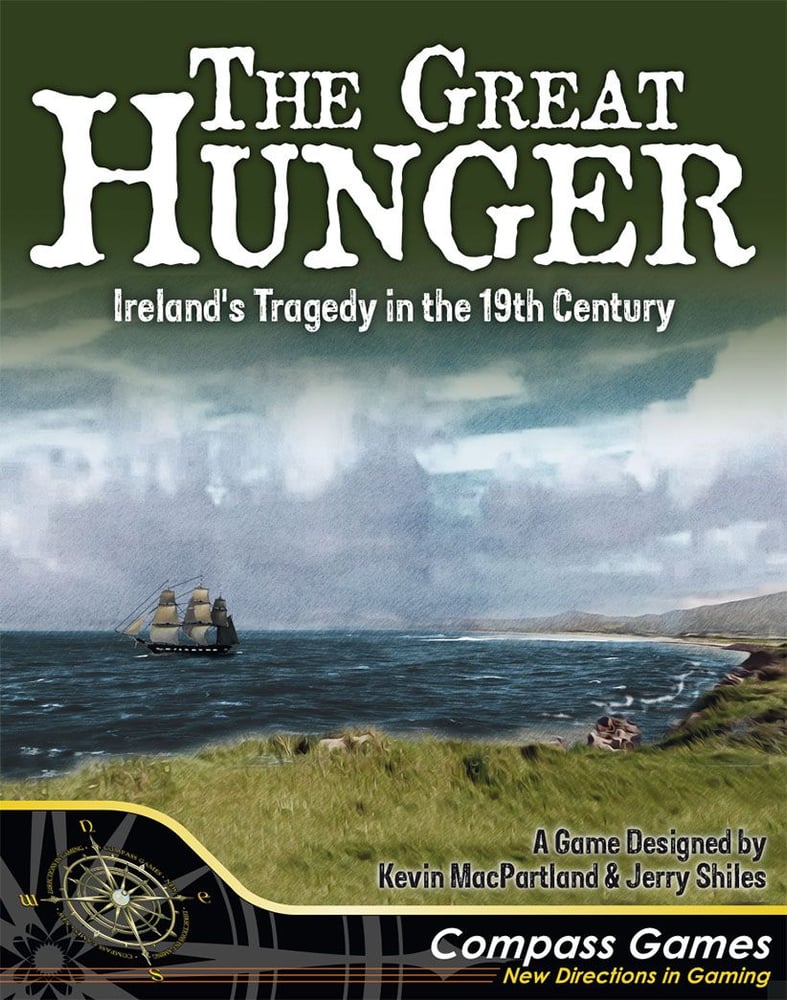
2026Kevin McPartland, Jerry Shiles
From BoardGameGeek
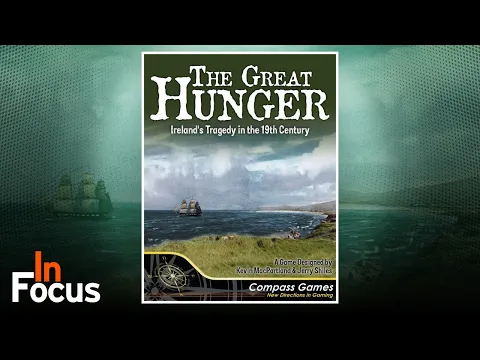
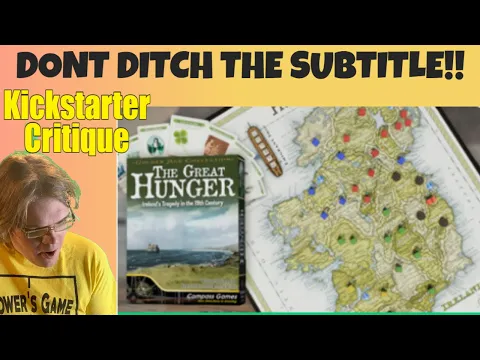
The Great Hunger begins as a game that simulates good times in Ireland at the start of the 19th century, as the Irish population expanded - thanks to the potato. This new crop was a godsend, allowing people to raise enough food for a whole family on a small, rocky plot of land. They became dependent on the prolific tubers. But in 1845 the blight arrived, utterly destroying the potato harvest. Dependence on a single variety and growing on marginal land helped the blight; soon hunger and disease spread through the island. British economic policy discouraged assistance, fearing a collapse of farm prices and a population dependent on public welfare. But assistance did arrive, often from unexpected sources. Some people found work in new industries, or on the expanding English estates. Millions emigrated, booking passage on dangerous “coffin ships”, usually heading to America. The famine was a defining moment in the history of Ireland, as well as the USA and other countries. Today it is remembered by the Irish people as "an Gorta Mór" – The Great Hunger. Players represent families of tenant farmers and itinerant field hands. At first, your people will grow, using the events on the top half of your cards to help add more population cubes to the map. But then the blight arrives, and you use the events on the bottom half: finding aid or employment for your people, scrambling to the emigrant ship, or representing the spread of disease and English estates. The game ends when the "Blight Abates" card is drawn. The player with the most population wins. -description from the designer


2023Kevin McPartland, Jerry Shiles
1 - 6 players90 - 120 min2.5 weight
2022Kevin McPartland, Jerry Shiles
1 - 4 players60 - 90 min2.5 weight
2012Kevin McPartland, Jerry Shiles
2 players150 min3.1 weight
From BoardGameGeek:
Designers
Kevin McPartland, Jerry Shiles
Artist
Knut Grünitz
Categories
Mechanics