Snailed It!
2023Michael Modler
- Videos
- 14
- Creators
- 12
Mostly reviews and how-to-play. Snailed It! is covered on BoardGameVideo.com by 7 reviews, 5 how-to-play guides, and 2 recorded sessions.
3 - 6 players
20 min
Light weight: Learn it in minutes
From BoardGameGeek
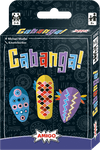
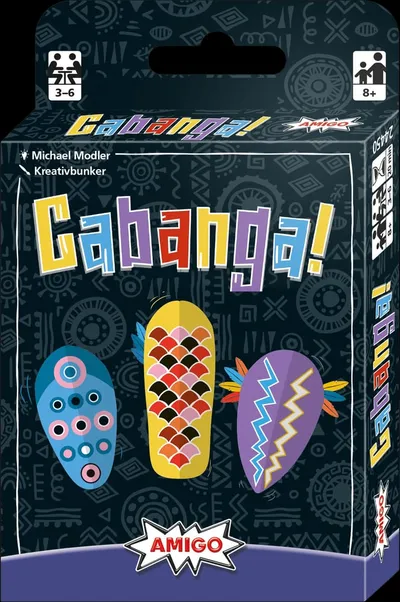
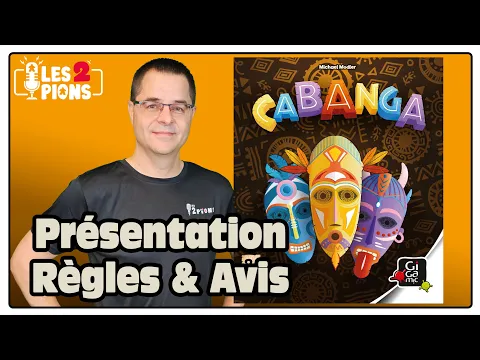
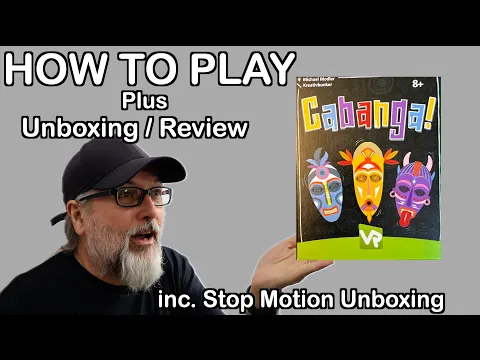
In Cabanga!, players try to get rid of their hand of cards as quickly as possible - but ideally without picking up penalties along the way. After the row cards and starting cards in all four colors have been placed in the middle of the table and players each have a hand of eight cards, the round begins. Players then take turns placing one card next to the matching row card in the middle, ideally with as small a difference as possible because the larger the number gap, the greater the chance that the other players will call out "Cabanga!" and throw cards with the values between the two number cards to the active player. These thrown-in cards are placed on the discard pile, then the active player must draw the same number of cards from the penalty pile. When a player has no more cards in hand, the round ends and all players count the points on their cards. As soon as a player has collected 18 points, the game ends and the player with the fewest points wins!
Watch first

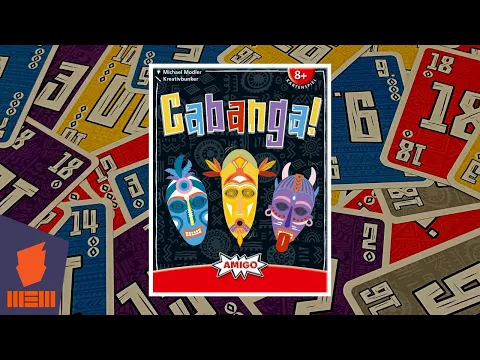

Which Snailed It! video should I watch?
Snailed It! has 14 videos from 12 creators: 7 reviews, 5 how-to-play guides and 2 playthroughs. They date from 2024 to September 2026.
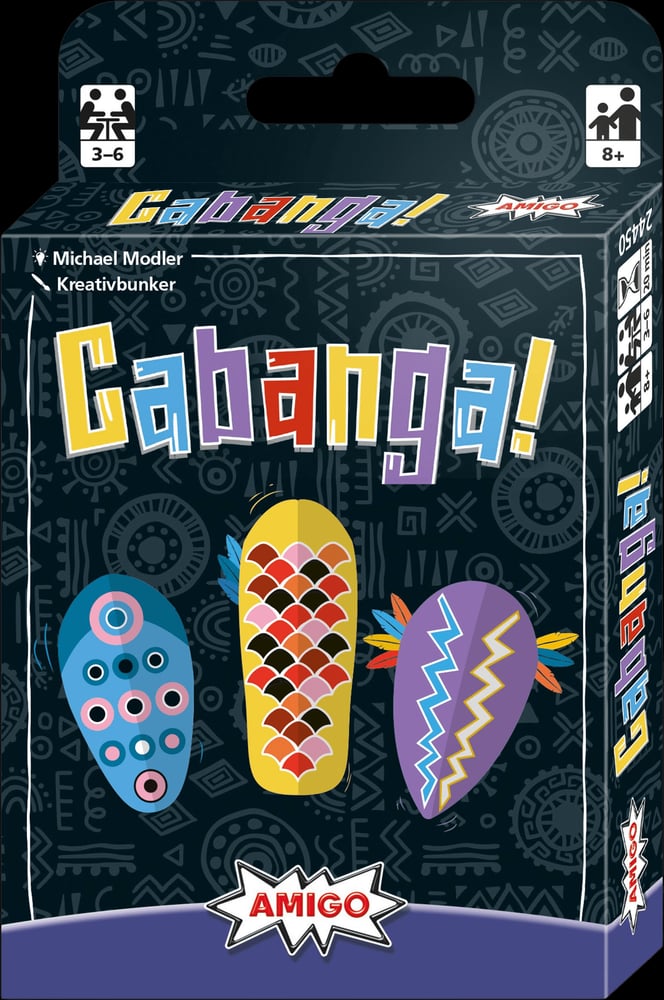
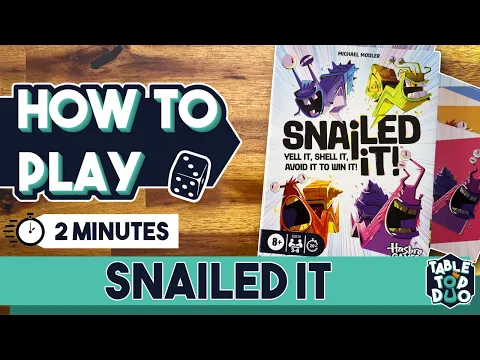
To learn the rules, start with "How To Play Snailed It in 2 minutes" by Tabletop Duo, which runs 2 min.
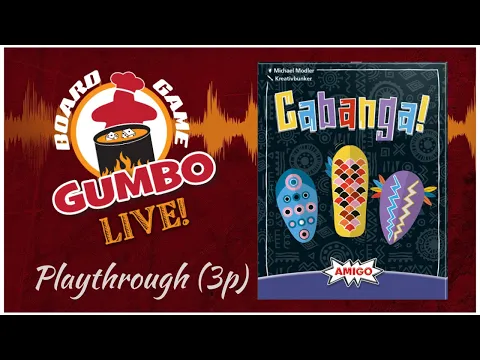
For an opinion before you buy, start with "Game Review: Cabanga!" by BoardGameGeek. 7 creators have reviewed it. To see it played, watch "Cabanga! - GameNight! Se11 Ep52 - How to Play and Playthrough" by BoardGameGeek, one of 2 playthroughs.
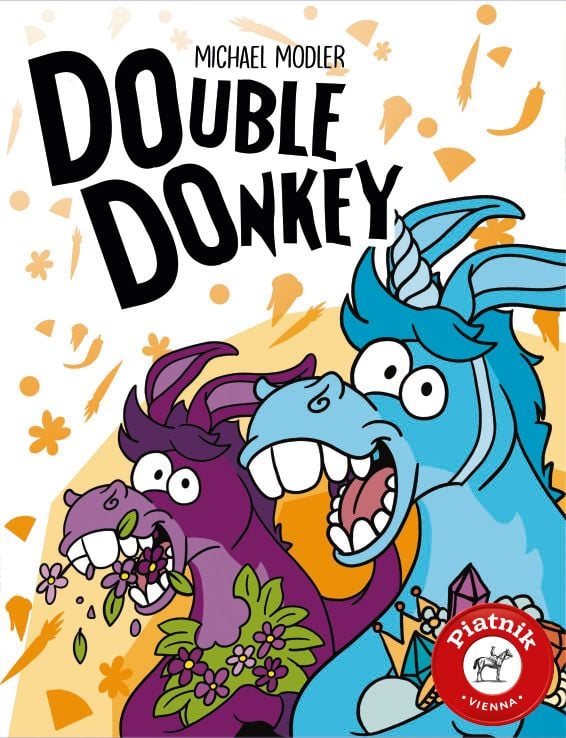
If you like it, try Double Donkey, also by Michael Modler.
All videos
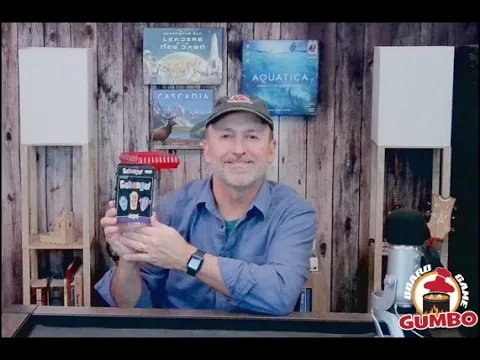
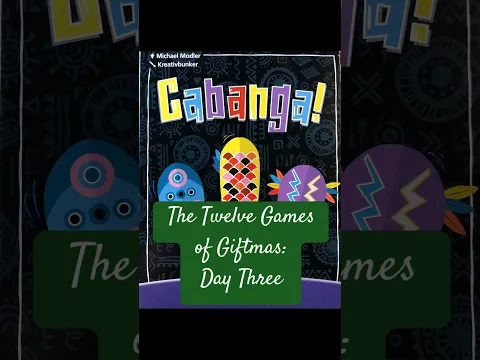

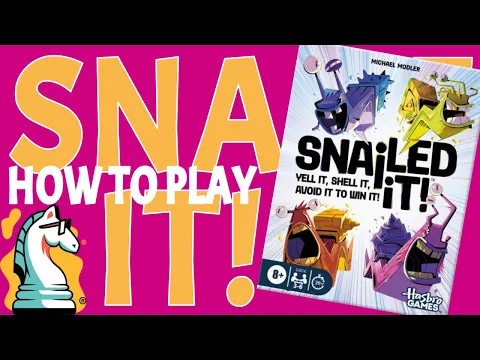



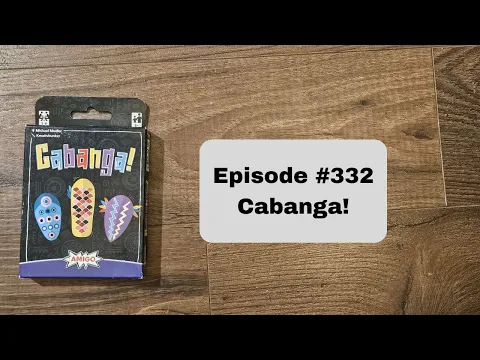
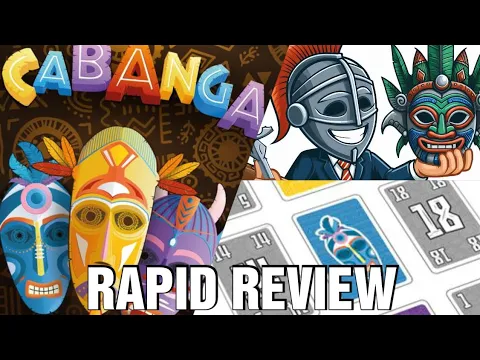
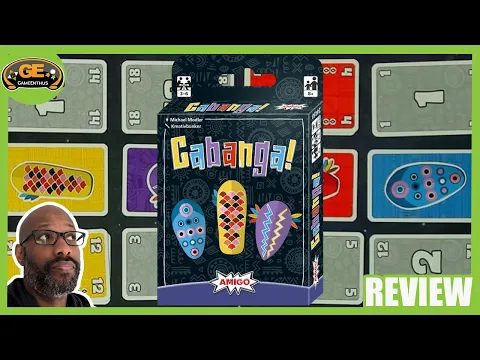
8 of 12
Creators who cover this

BoardGameGeek
2 videos of this game

Board Game Gumbo (Board Game Gumbo)
2 videos of this game

BOARD GAME MAN
1 video of this game

Chairman of the Board
1 video of this game

Fun With Boxes
1 video of this game

GameEnthus
1 video of this game

Game Rules
1 video of this game

Garrett's Games
1 video of this game
Games like this
About Snailed It!
From BoardGameGeek:
In Cabanga!, players try to get rid of their hand of cards as quickly as possible - but ideally without picking up penalties along the way. After the row cards and starting cards in all four colors have been placed in the middle of the table and players each have a hand of eight cards, the round begins. Players then take turns placing one card next to the matching row card in the middle, ideally with as small a difference as possible because the larger the number gap, the greater the chance that the other players will call out "Cabanga!" and throw cards with the values between the two number cards to the active player. These thrown-in cards are placed on the discard pile, then the active player must draw the same number of cards from the penalty pile. When a player has no more cards in hand, the round ends and all players count the points on their cards. As soon as a player has collected 18 points, the game ends and the player with the fewest points wins!