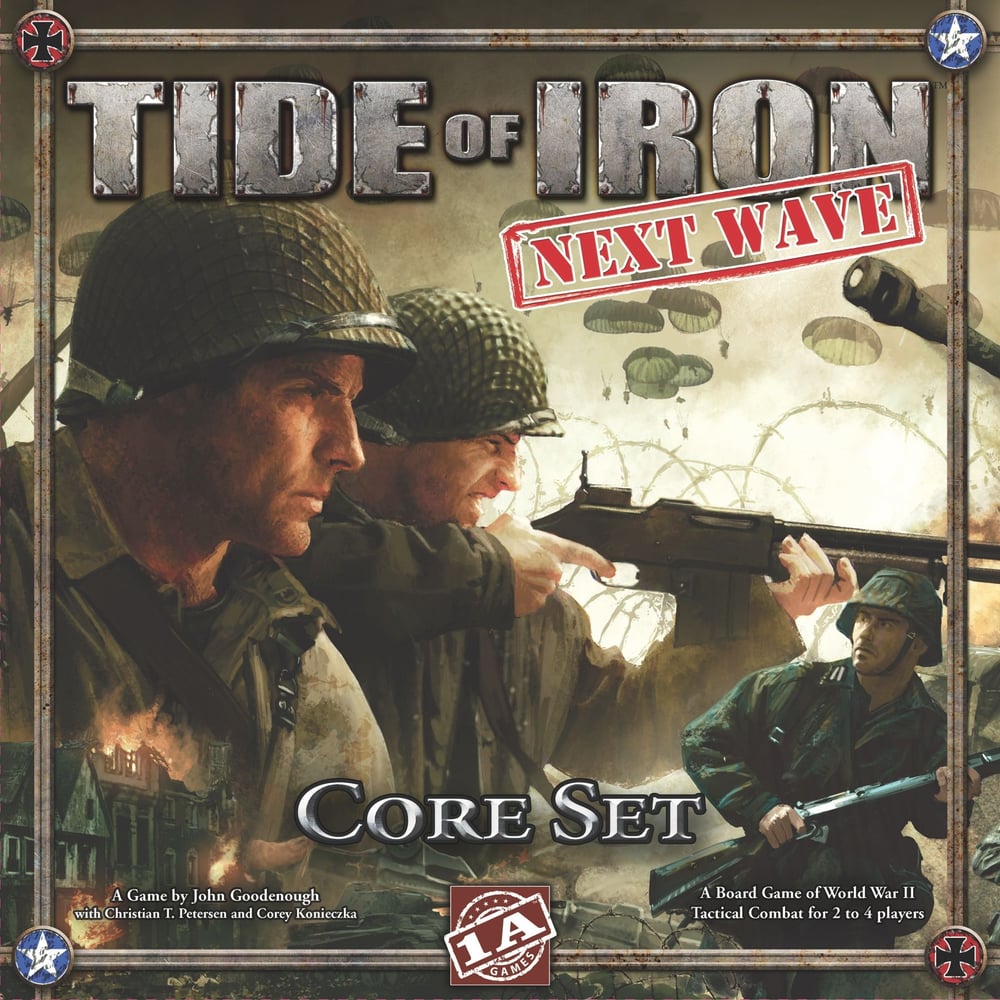
2014John Goodenough, Corey Konieczka, Christian T. Petersen
- Videos
- 65
- Creators
- 2
Playthroughs
2 - 4 players60 - 240 minHeavy weight
2023Gorm Shackelford
From BoardGameGeek
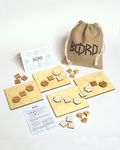
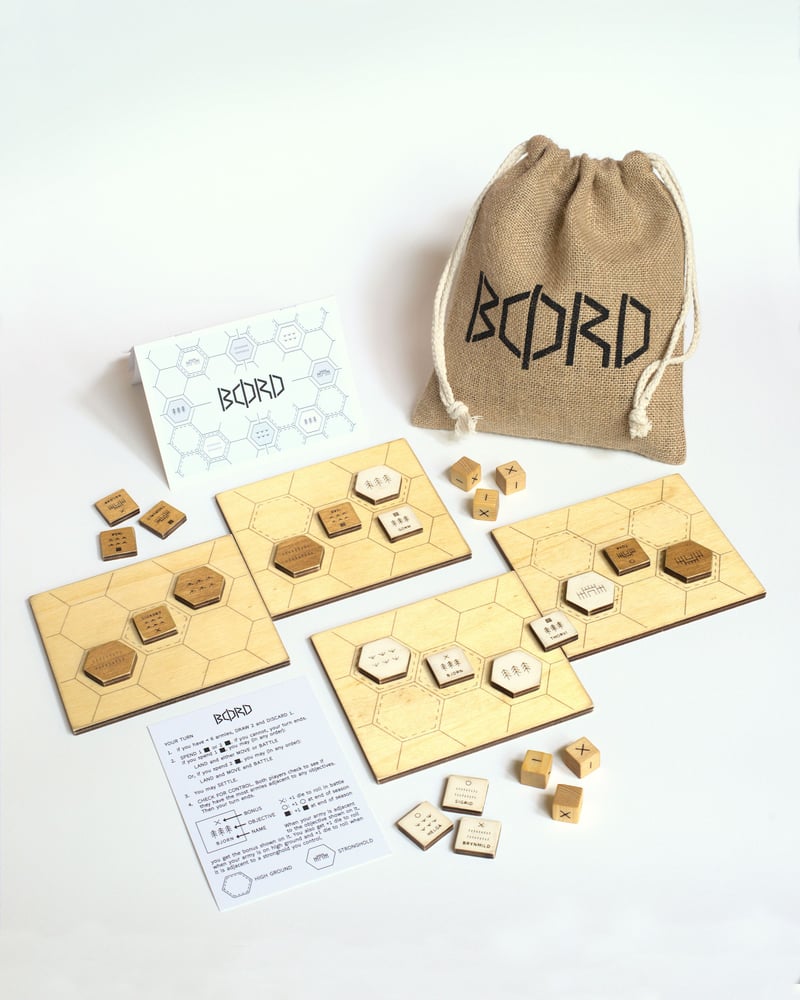
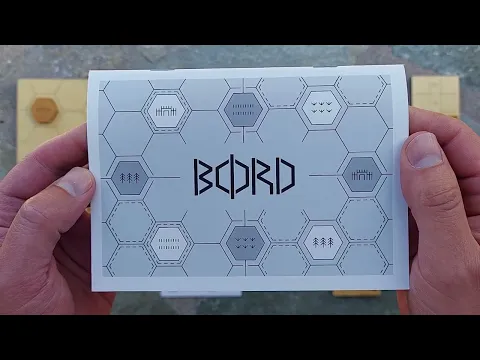
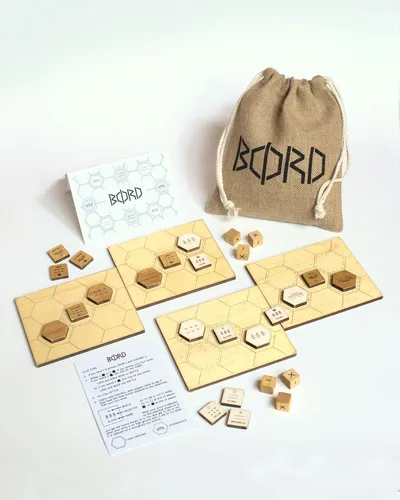
BORD is a two-player game of area control and dice battles between viking armies. BORD is also a viking word that meant "the side of a ship" (as in "starboard") or "a plank of wood" (literally a board, as in "board games"). BORD distills the wargame experience into a short, yet strategic game that takes less than an hour to play. BORD is played on four hex boards. These hex boards have a grid of half-hexes (shores) and whole-hexes (high ground or low ground), and they are used to set up one or more islands (different set-ups for different games). The eight objectives - grassland, marsh, woodland, and stronghold - are then placed on those islands. Each objective has two sides: light or dark. One player is light, and the other is dark. You control an objective when your side (light or dark) is face up. To take control of an objective, you must have the most armies adjacent to it at the end of a turn, after which you flip it so that your side (light or dark) is face up. You score victory points at the end of each season (summer and winter) for each objective that you control. At the end of the second season (winter), the player who has the most victory points wins. Each of your armies has an objective shown on it: grassland, marsh, woodland, or stronghold. If your army is adjacent to that objective, you get the bonus shown on that army: dice, action points, or victory points. Dice are used in battle. Action points are used to land, move, and battle. Victory points are used to win the game. You can choose to settle (discard) an army to earn a victory point. (This represents a viking becoming a farmer.) You get a new army at the beginning of your turn, but only if you have fewer than six armies. Thus, settling an army when you have only six will get you a new army next turn, but you might leave an objective unguarded in the meantime... Battles are won by rolling dice (one die for each army on, or adjacent to, the battleground). You roll additional dice if those armies are on high ground or adjacent to their stronghold. If the attacker gets the highest roll, the defender flees to sea and cannot land again until the next season, but still counts as one of that player's six armies. If the attacker does not get the highest roll, nothing happens, so the risk of attacking is that you might waste your turn. To win the game, you might not need to battle at all, but winning the right battle at the right time might be the difference between winning and losing. -description from the designer
BORD has 3 videos from 2 creators: 1 review, 1 how-to-play guide and 1 unboxing. They date from July to August 2023.
To learn the rules, start with "How to Play BORD" by Turnabout Games, which runs 13 min.
For an opinion before you buy, start with "BORD - review by Board Game Happy" by Board Game Happy.
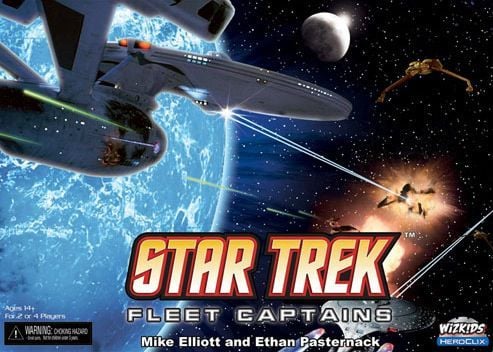
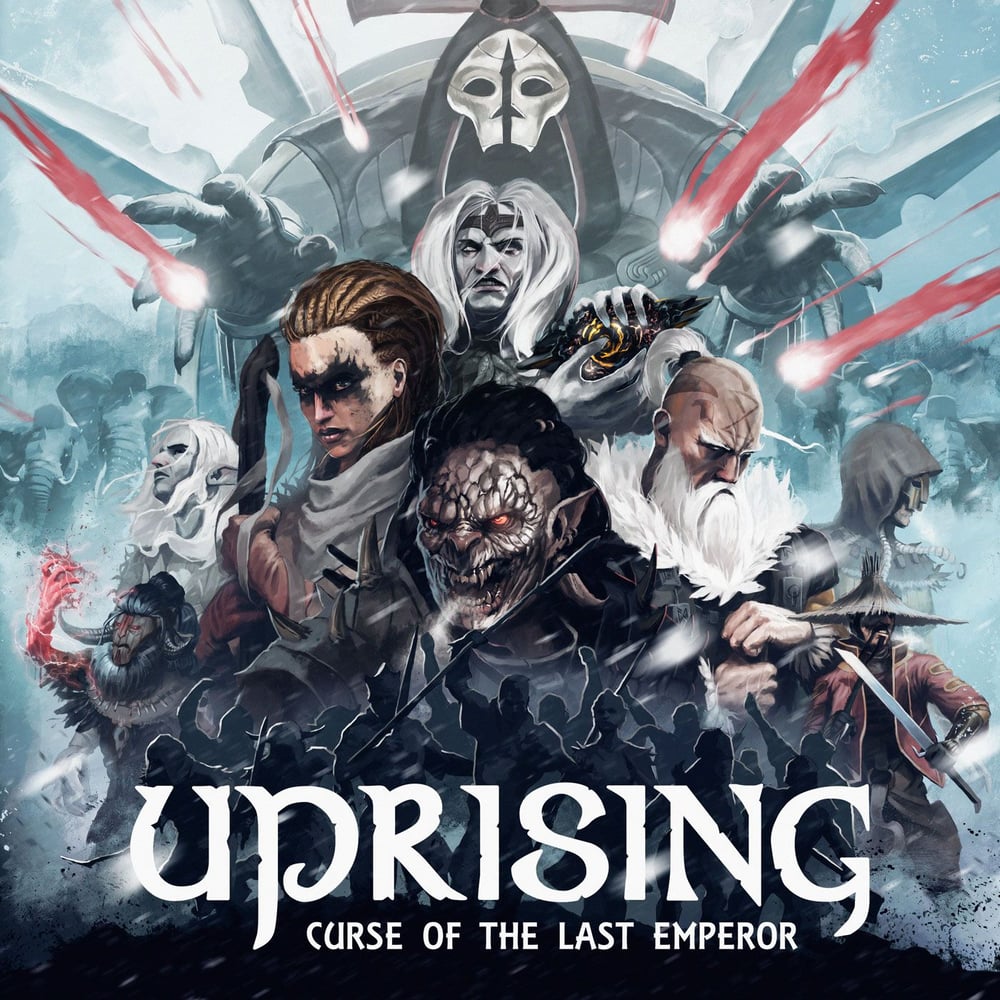
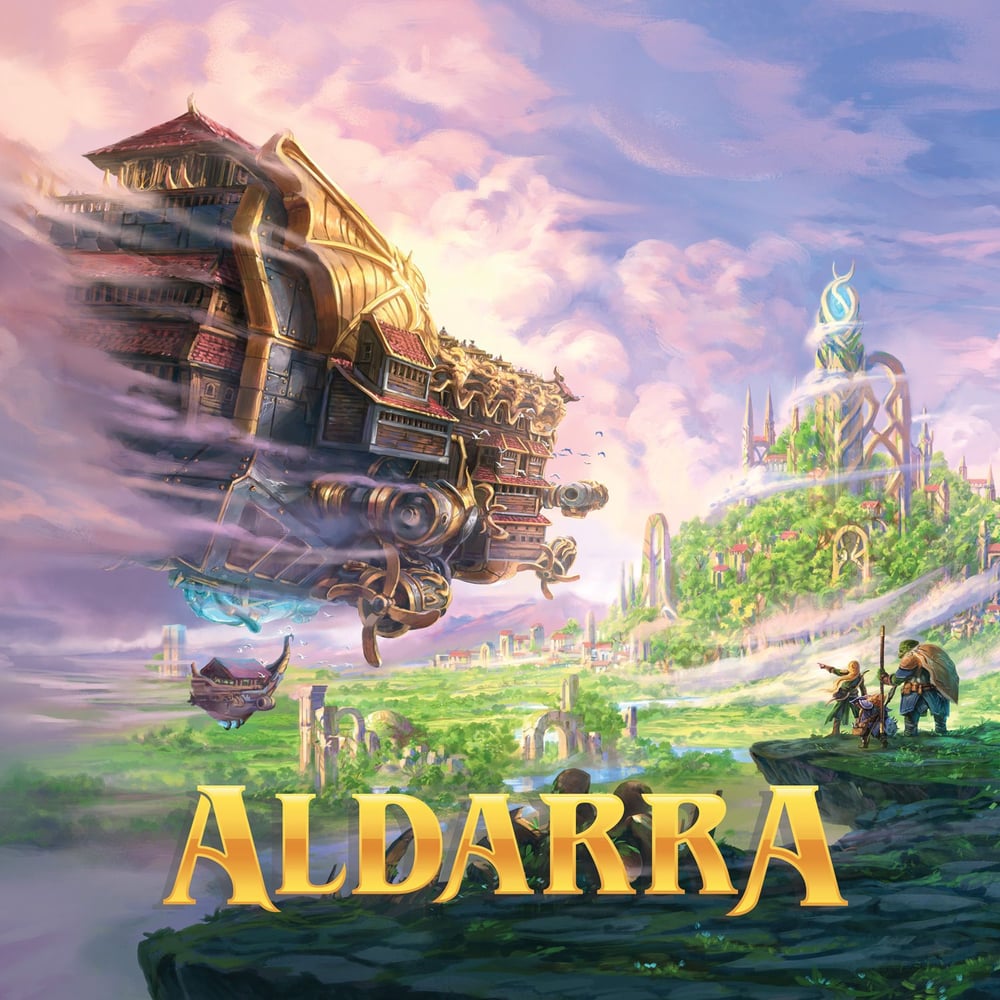
If you like it, try Tide of Iron: Next Wave, Star Trek: Fleet Captains, Uprising: Curse of the Last Emperor or Aldarra, which share several of its mechanics.


2014John Goodenough, Corey Konieczka, Christian T. Petersen
2 - 4 players60 - 240 minHeavy weight
2011Mike Elliott, Bryan Kinsella, Ethan Pasternack
2 - 4 players90 - 120 minHeavy weight
2021Cornelius Cremin, Pawel Mazur, Dirk Sommer
1 - 4 players120 - 240 minHeavy weight
2024Matt Fantastic, Benny McLennan, Andrea Pincumbe
2 - 4 players90 - 180 minMedium weight
From BoardGameGeek:
BORD is a two-player game of area control and dice battles between viking armies. BORD is also a viking word that meant "the side of a ship" (as in "starboard") or "a plank of wood" (literally a board, as in "board games"). BORD distills the wargame experience into a short, yet strategic game that takes less than an hour to play. BORD is played on four hex boards. These hex boards have a grid of half-hexes (shores) and whole-hexes (high ground or low ground), and they are used to set up one or more islands (different set-ups for different games). The eight objectives - grassland, marsh, woodland, and stronghold - are then placed on those islands. Each objective has two sides: light or dark. One player is light, and the other is dark. You control an objective when your side (light or dark) is face up. To take control of an objective, you must have the most armies adjacent to it at the end of a turn, after which you flip it so that your side (light or dark) is face up. You score victory points at the end of each season (summer and winter) for each objective that you control. At the end of the second season (winter), the player who has the most victory points wins. Each of your armies has an objective shown on it: grassland, marsh, woodland, or stronghold. If your army is adjacent to that objective, you get the bonus shown on that army: dice, action points, or victory points. Dice are used in battle. Action points are used to land, move, and battle. Victory points are used to win the game. You can choose to settle (discard) an army to earn a victory point. (This represents a viking becoming a farmer.) You get a new army at the beginning of your turn, but only if you have fewer than six armies. Thus, settling an army when you have only six will get you a new army next turn, but you might leave an objective unguarded in the meantime... Battles are won by rolling dice (one die for each army on, or adjacent to, the battleground). You roll additional dice if those armies are on high ground or adjacent to their stronghold. If the attacker gets the highest roll, the defender flees to sea and cannot land again until the next season, but still counts as one of that player's six armies. If the attacker does not get the highest roll, nothing happens, so the risk of attacking is that you might waste your turn. To win the game, you might not need to battle at all, but winning the right battle at the right time might be the difference between winning and losing. -description from the designer
Designer
Gorm Shackelford
Artist
Gorm Shackelford
Publisher
Turnabout Games
Mechanics