Lata
2023Costa, Rôla
- Videos
- 8
- Creators
- 8
Mainly how-to-play and unboxings. Lata is covered on BoardGameVideo.com by 1 reviews, 3 how-to-play guides, 1 recorded sessions, 2 unboxings, and 1 other video.
1 - 4 players
20 - 45 min
Medium weight: Teach it in one sitting
From BoardGameGeek
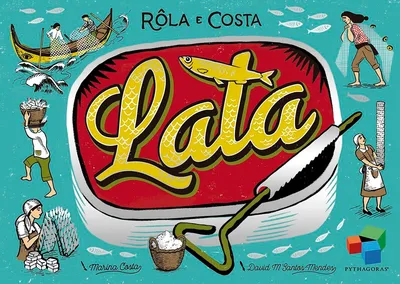
The Portuguese canning industry developed throughout the 20th century, going through periods of great splendor and of extraordinary importance in the social fabric of communities close to fishing centers. After the huge growth due to the immense supply of troops in Europe that World War II brought, the industry went through a period of stability with the consolidation of the quality of the products and the establishment of markets abroad. Lata ("tin can" in English) is the name of the raw material for the containers in which the fish is packed, and it also turned out to be a popular designation for the product. In this game, players manage local canning companies in the 1950s and produce and sell the famous canned sardines or canned mackerel, the two main canned fish in the first decades of the industry, before the appearance of the very popular tuna. The game takes place over six rounds. In each round, players buy a batch of fish, tomato or olive oil, which they then can use in their factory. These preserves will then be sold to markets. This operation will result in money that will be used to buy scorecards and increase the factory's production capacity. The order in which each batch of raw materials is chosen is given by an auction of action points that players secretly make by sliding their disk to the left on the action track of their individual board. Whoever gives up more opportunities for action chooses the best lot, but it is clear that having more possibilities for action is vital to produce more and reach the best markets! The player with the most victory points (VP), which are awarded at the end of the game by the scorecards, wins. Lata is the second game in the "Quinas Collection", following the success of Café, the first game in the line. -description from the designer
Watch first
Learn to play
Which Lata video should I watch?
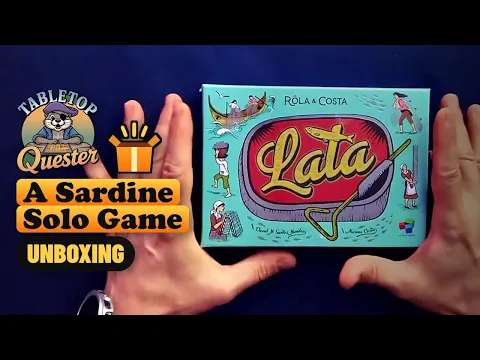
Lata has 8 videos from 8 creators: 1 review, 3 how-to-play guides, 1 playthrough, 2 unboxings and 1 other video. They date from 2023 to September 2026.
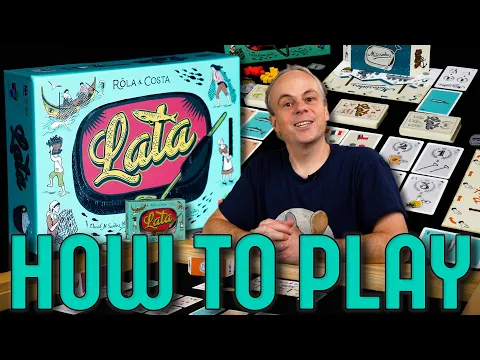
To learn the rules, start with "🇬🇧 // Lata | How to Play" by Meeple of Liberty, which runs 10 min.
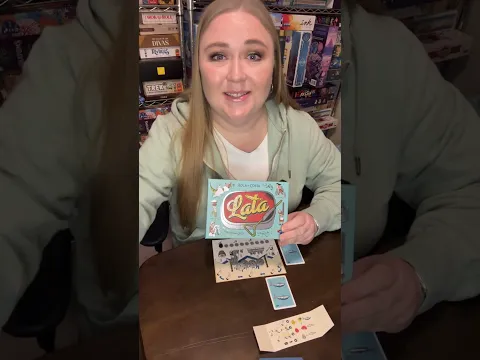
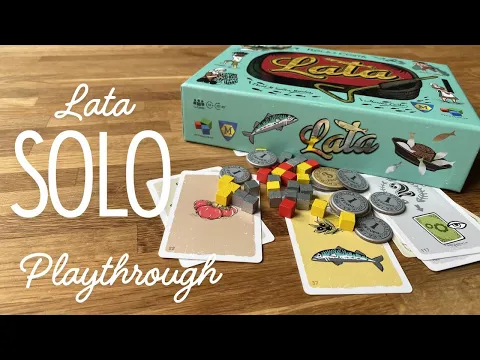
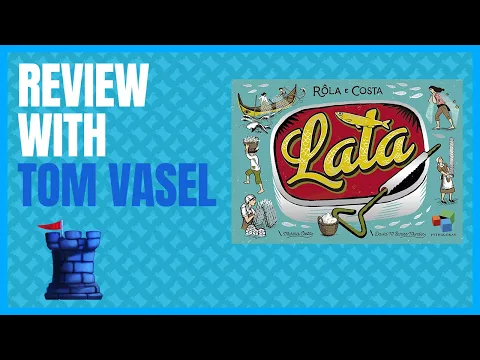
For an opinion before you buy, start with "Lata" by Jamie, Tabletoptiktok. To see it played, watch "Lata - Solo playthrough - a solid beginner solo game" by Green.
If you like it, try Café, Stephens, Moesteiro and Lunaris 45, also by Costa.
All videos

 1:20
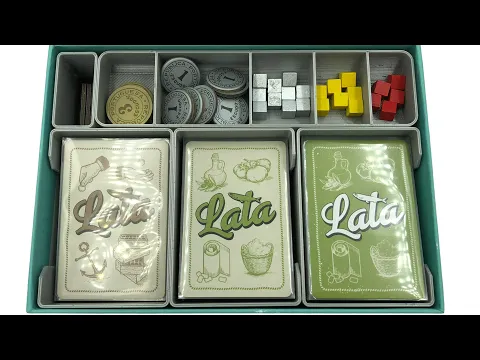
Insert for Lata

Kalkared
7 of 8
Creators who cover this

BoardgameNinja
1 video of this game

Dice Tower Encore
1 video of this game

Green
1 video of this game

Jamie, Tabletoptiktok
1 video of this game

Jogamos?
1 video of this game

Meeple of Liberty
1 video of this game

TabletopQuester
1 video of this game
Games like this
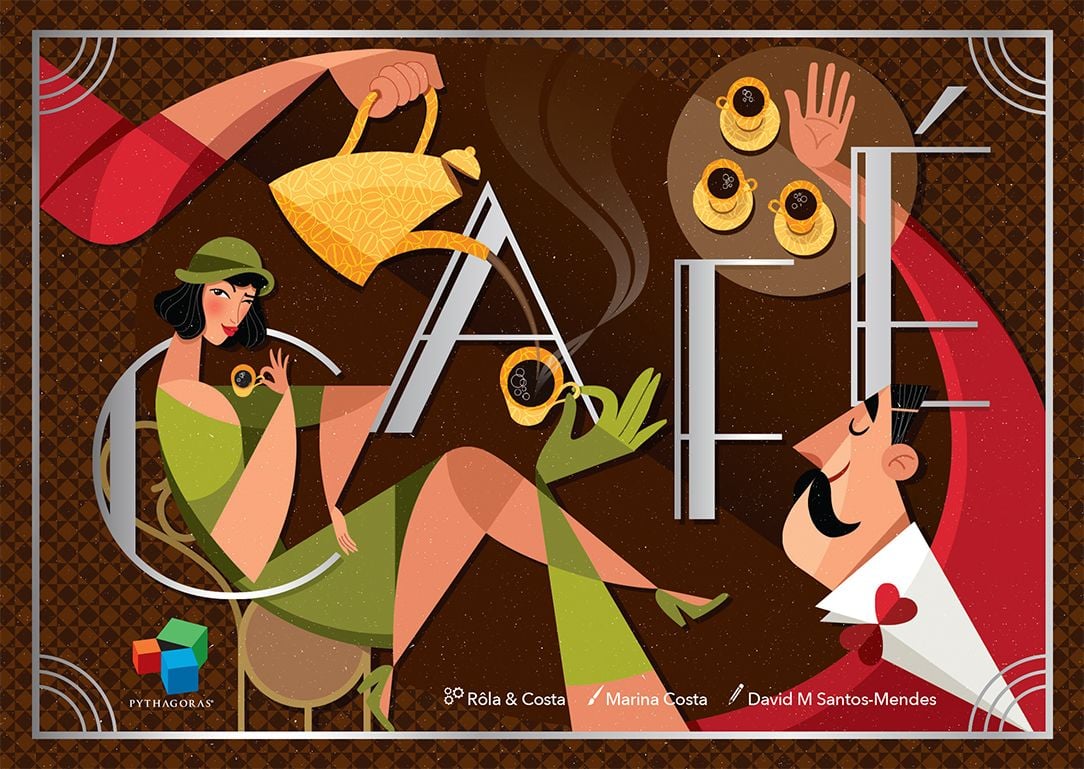
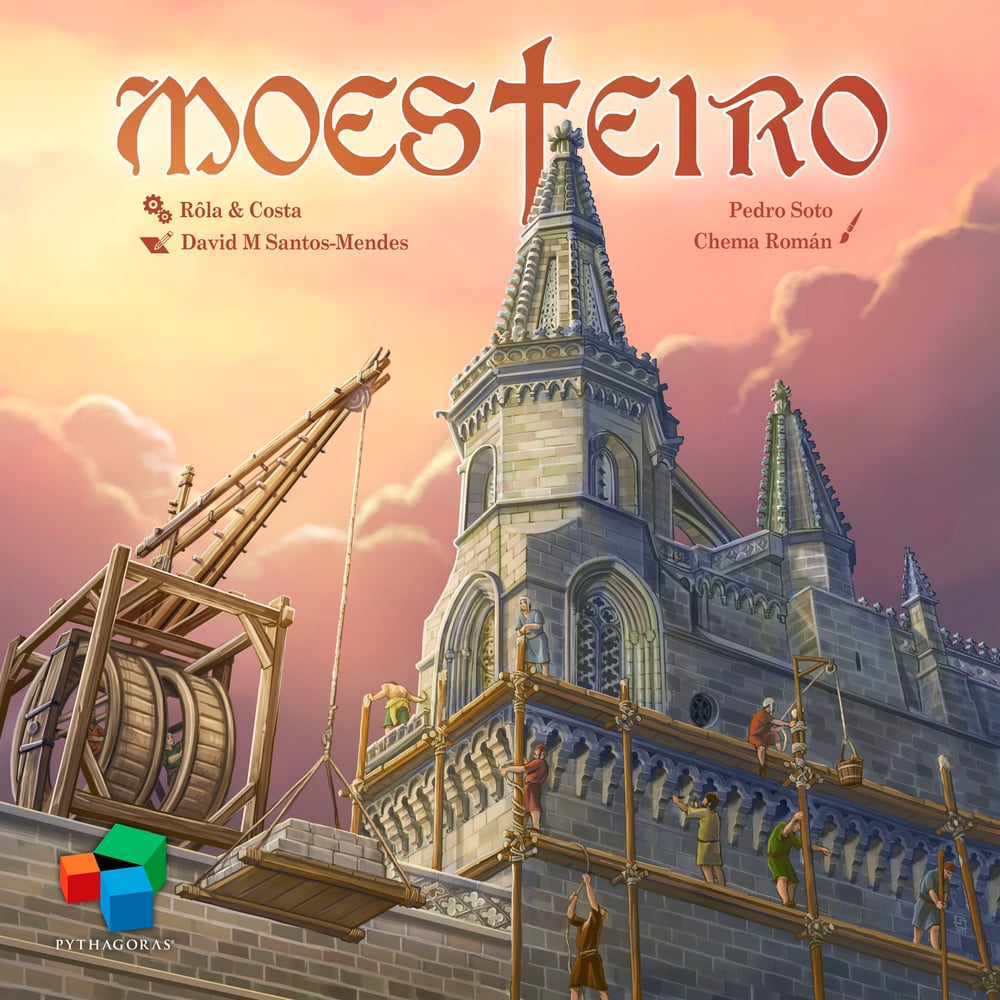
2022Costa, Rôla
- Videos
- 27
- Creators
- 22
Mainly reviews and how-to-play
2 - 4 players30 - 60 minMedium weight

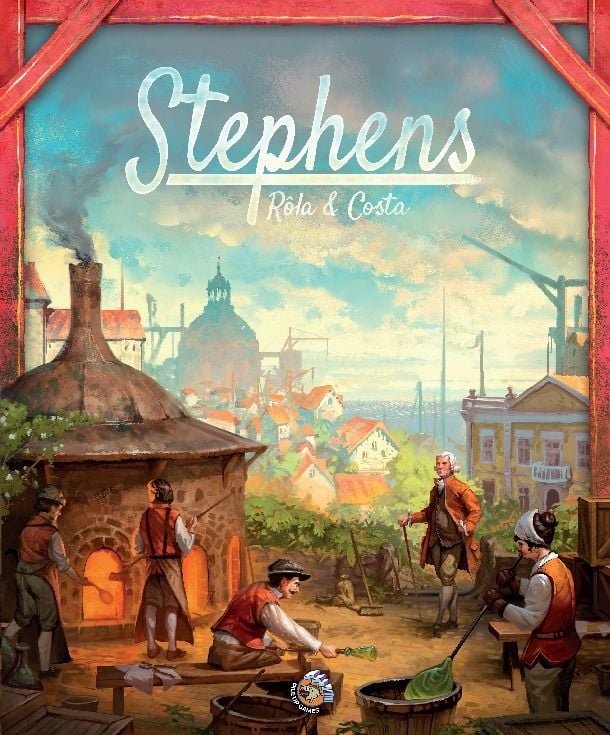
2023Costa, Rôla
- Videos
- 10
- Creators
- 9
Mostly reviews and how-to-play
1 - 4 players25 - 50 minMedium weight
About Lata
From BoardGameGeek:
The Portuguese canning industry developed throughout the 20th century, going through periods of great splendor and of extraordinary importance in the social fabric of communities close to fishing centers. After the huge growth due to the immense supply of troops in Europe that World War II brought, the industry went through a period of stability with the consolidation of the quality of the products and the establishment of markets abroad. Lata ("tin can" in English) is the name of the raw material for the containers in which the fish is packed, and it also turned out to be a popular designation for the product. In this game, players manage local canning companies in the 1950s and produce and sell the famous canned sardines or canned mackerel, the two main canned fish in the first decades of the industry, before the appearance of the very popular tuna. The game takes place over six rounds. In each round, players buy a batch of fish, tomato or olive oil, which they then can use in their factory. These preserves will then be sold to markets. This operation will result in money that will be used to buy scorecards and increase the factory's production capacity. The order in which each batch of raw materials is chosen is given by an auction of action points that players secretly make by sliding their disk to the left on the action track of their individual board. Whoever gives up more opportunities for action chooses the best lot, but it is clear that having more possibilities for action is vital to produce more and reach the best markets! The player with the most victory points (VP), which are awarded at the end of the game by the scorecards, wins. Lata is the second game in the "Quinas Collection", following the success of Café, the first game in the line. -description from the designer
Designers
Costa, Rôla
Artist
Marina Costa
Publisher
PYTHAGORAS
Categories
Card GameIndustry / Manufacturing
Mechanics