

2026Ralph Shelton
- Videos
- 9
- Creators
- 3
Mostly playthroughs
1 - 2 players60 - 240 minHeavy weight
2023Ralph Shelton
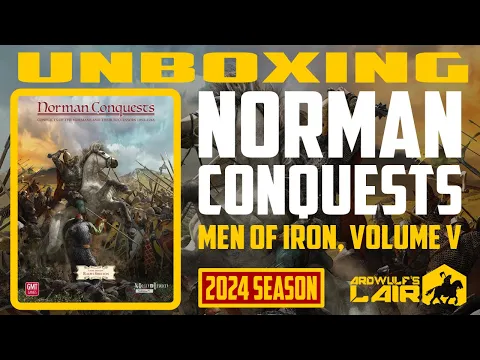
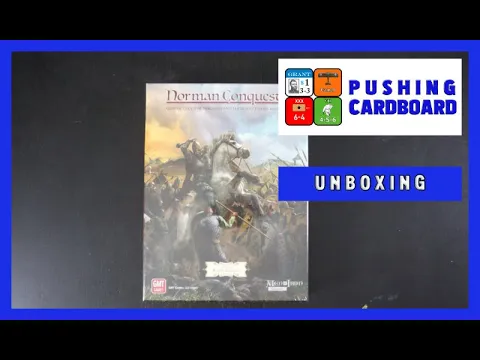
Mostly playthroughs and unboxings. Norman Conquests: Men of Iron Volume V is covered on BoardGameVideo.com by 4 reviews, 9 recorded sessions, and 5 unboxings.
From BoardGameGeek
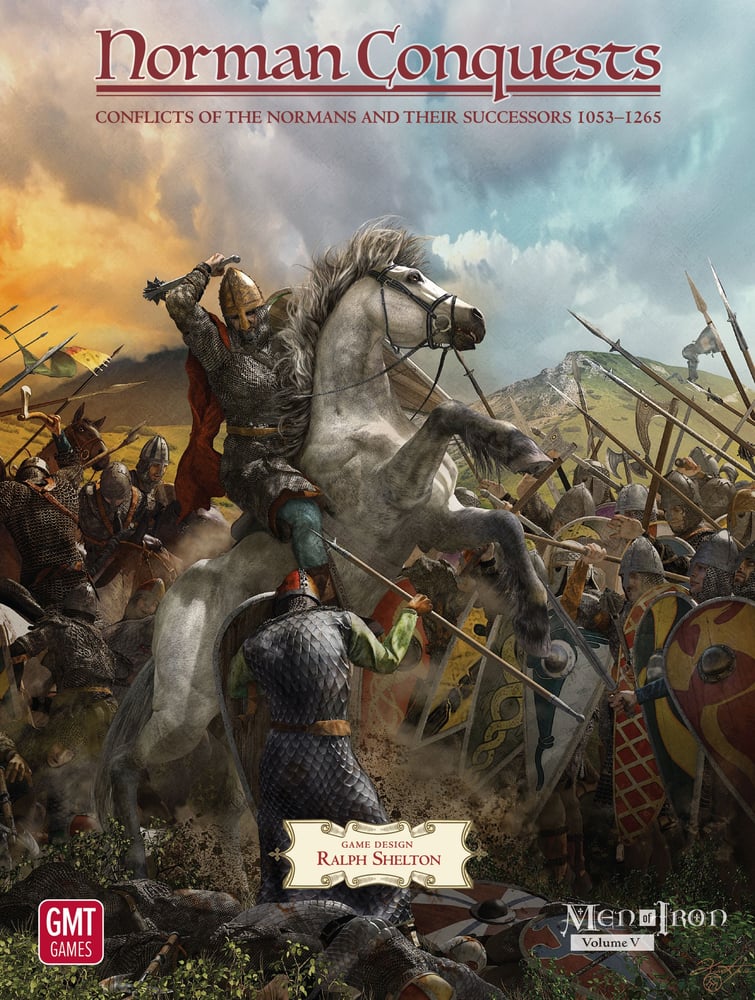
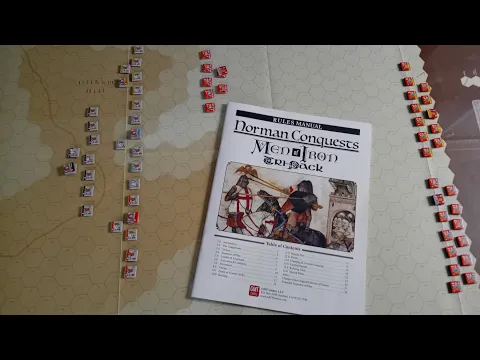
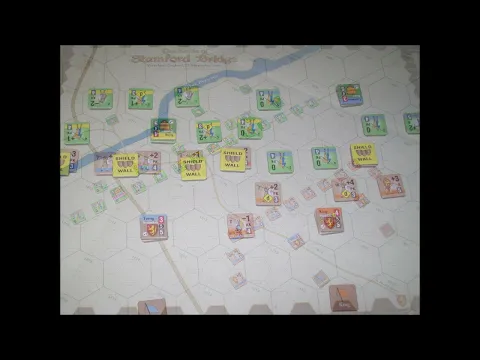
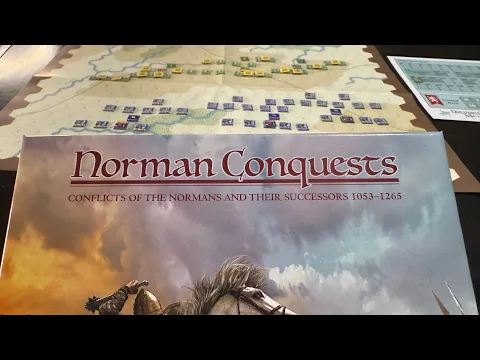
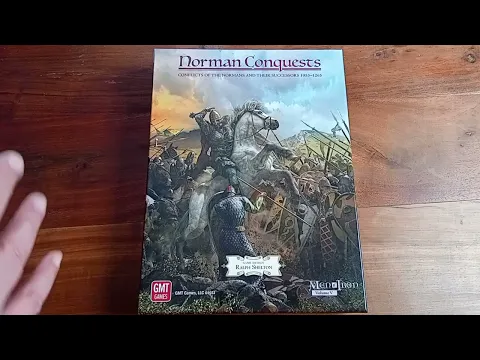
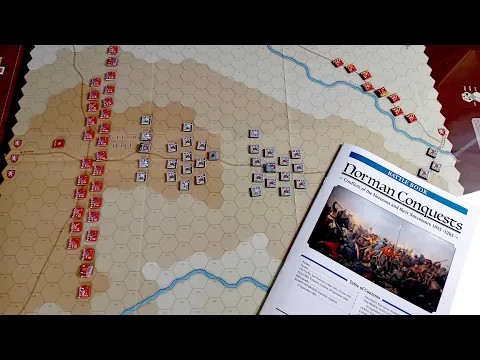
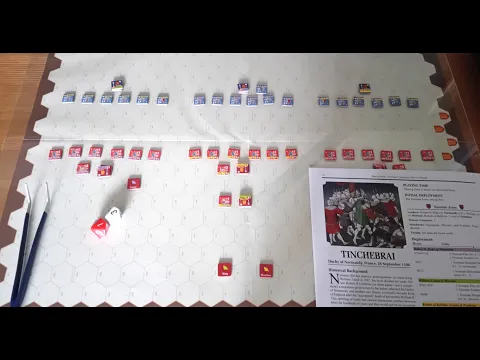
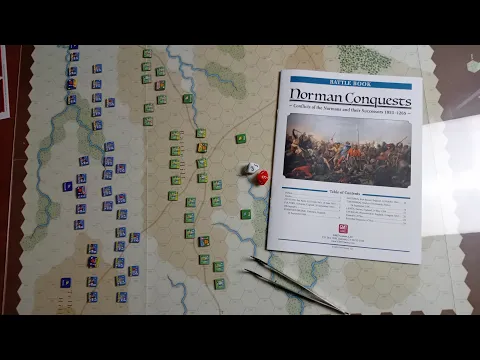
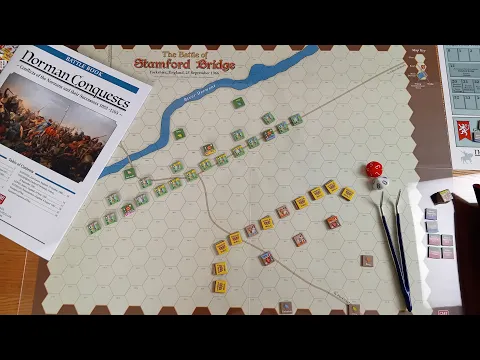
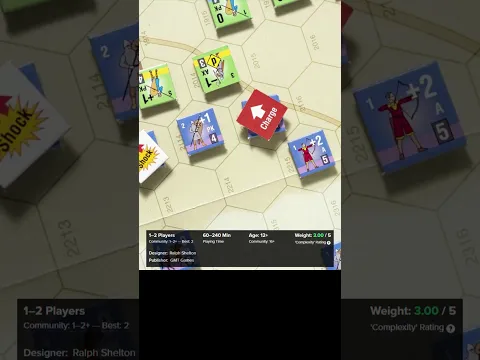
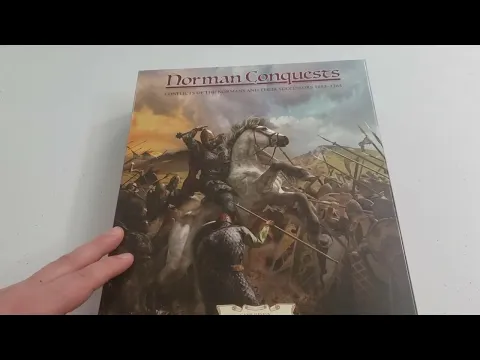
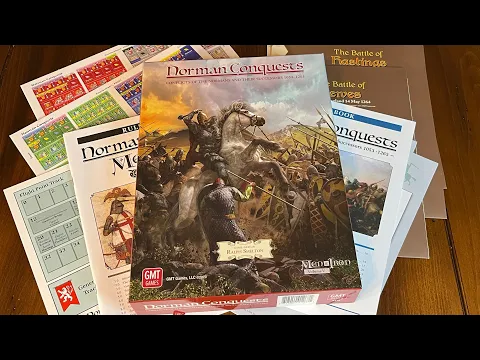
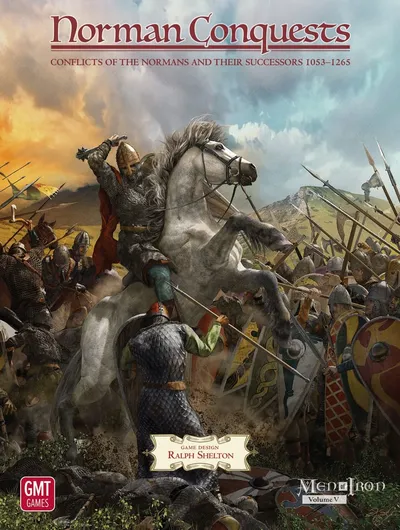
The Normans, and their successors, had a large impact on history. Normans, from Nortmann (northman), were originally Viking raiders that settled in what would now be northern France. Normans gained territory as far away as southern Italy and Sicily, and modern day Syria. They were Crusaders, they were Kings, they were princes, and they were scoundrels. They began as raiders from the north that fought on foot and transformed themselves into Dukes, Kings, and princes that fought from horseback. How many games include a battle with a Papal army? Very few, so Norman Conquests visits Italy and the Norman Count of Apulia fighting with, and capturing, the Pope. Stretching the definition to include the Norwegian King Harald (III) Hardrada (undoubtedly a northman) and his invasion of England allows us to include all three battles for the throne of England in 1066, including the most famous Norman William the Conqueror and his invasion of England. Next we catch up with two sons of William I, the Duke of Normandy and the King of England, feuding over his lands years after his death. We end with the Baron's War between William I's great-great-great-grandson Henry III and his barons who were led by Simon de Montfort. The battles include: Civitate 18 June 1053 – Normans from Sicily and southern Italy clash with the Pope and allies. Fulford 20 September 1066 – Norwegians (Vikings) come to lay claim to the English throne. Saxon nobles raise their levy and give battle in northern England. Stamford Bridge 25 September 1066 – Saxon King Harold II hurries north and catches the Norwegian invaders with their pants down. Hastings 14 October 1066 – Saxon King Harold II hears of the Norman invasion of England and rushes south. Facing off with William, Duke of Normandy, on a hill in the south of England, Harold learns that arrows are pointy. Tinchebrai 28 September 1106 – Lacking primogenitor, two of William's children battle over his legacy. King Henry I of England and Robert, Duke of Normandy, face off in Normandy. Lewes 14 May 1264 – King Henry III, great-great-grandson of Henry I, and a coalition of his Barons clash over Baronial rights. Evesham 4 August 1265 – Edward (later Edward I, the Hammer of the Scots) fights Simon de Monfort to free his father King Henry III. Time Scale: 1 to 5 hours Map Scale: about 110 yards per hex Unit Scale: about 250 men Number of Players: 1-2 COMPONENTS Three 22" x 34" Maps (2 back-printed) Two 1/4 Sheets of 9/16" Counters Three Player Aid Cards One Rules Manual One Battle Book Two 10-sided Dice Designer: Ralph Shelton Developer: Jason Lindsay Counter Art: Mike Lemick and Charlie Kibler Map Art: Charlie Kibler -description from the publisher
Norman Conquests: Men of Iron Volume V has 18 videos from 10 creators: 4 reviews, 9 playthroughs and 5 unboxings. They date from 2024 to March 2026.
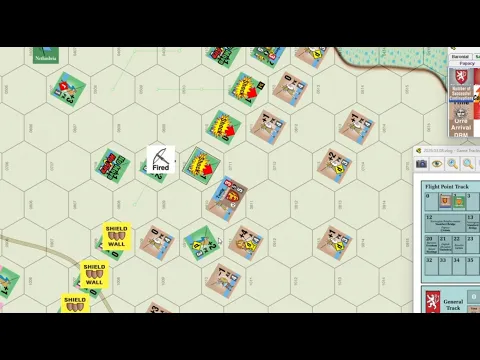
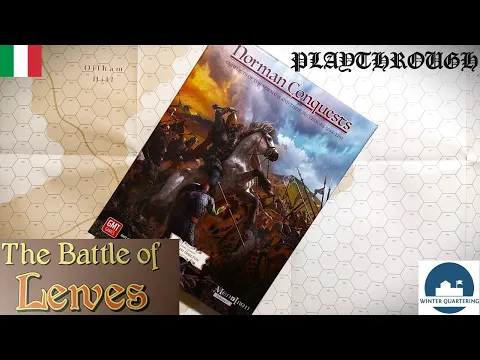
For an opinion before you buy, start with "NORMAN CONQUESTS, Gmt games | Playthrough | Civitate | (eng) | Winter Quartering" by Winter Quartering. 3 creators have reviewed it. To see it played, watch "Norman Conquests - Lewes 1264" by Matt White Wargames, one of 9 playthroughs.
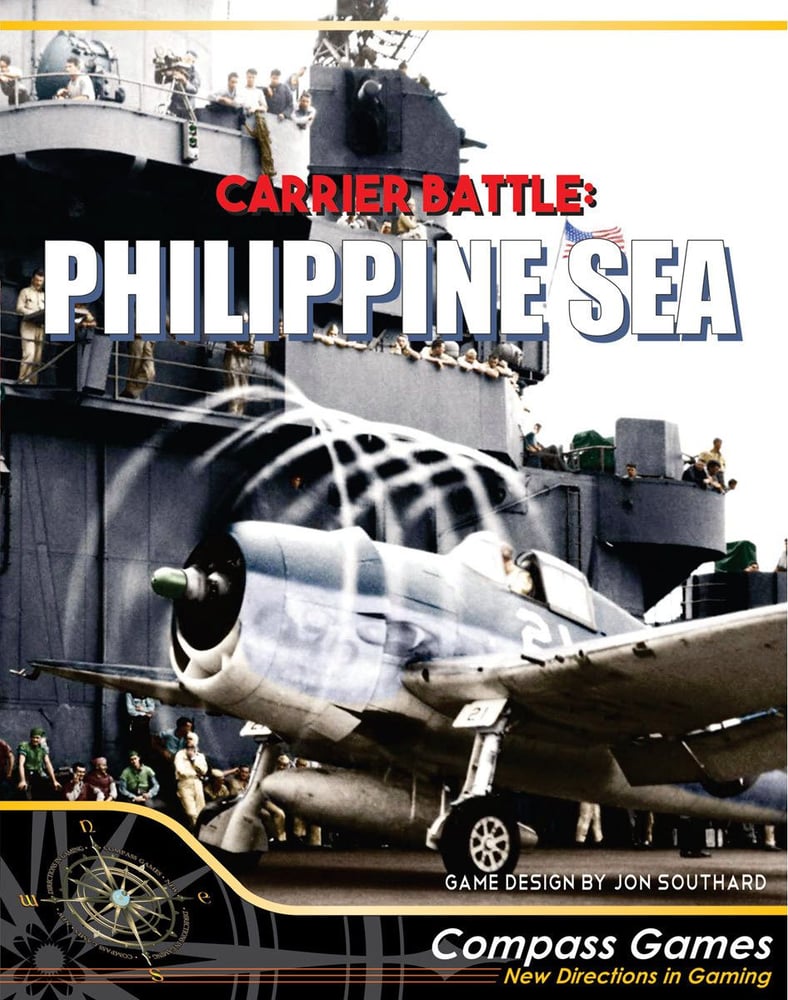
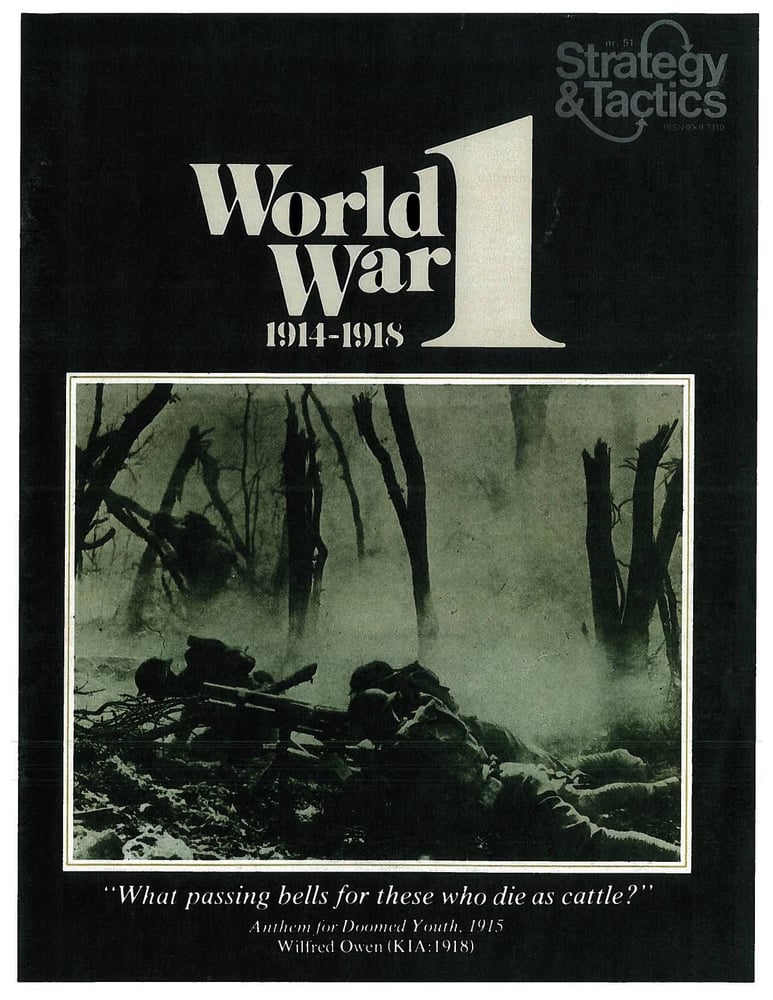
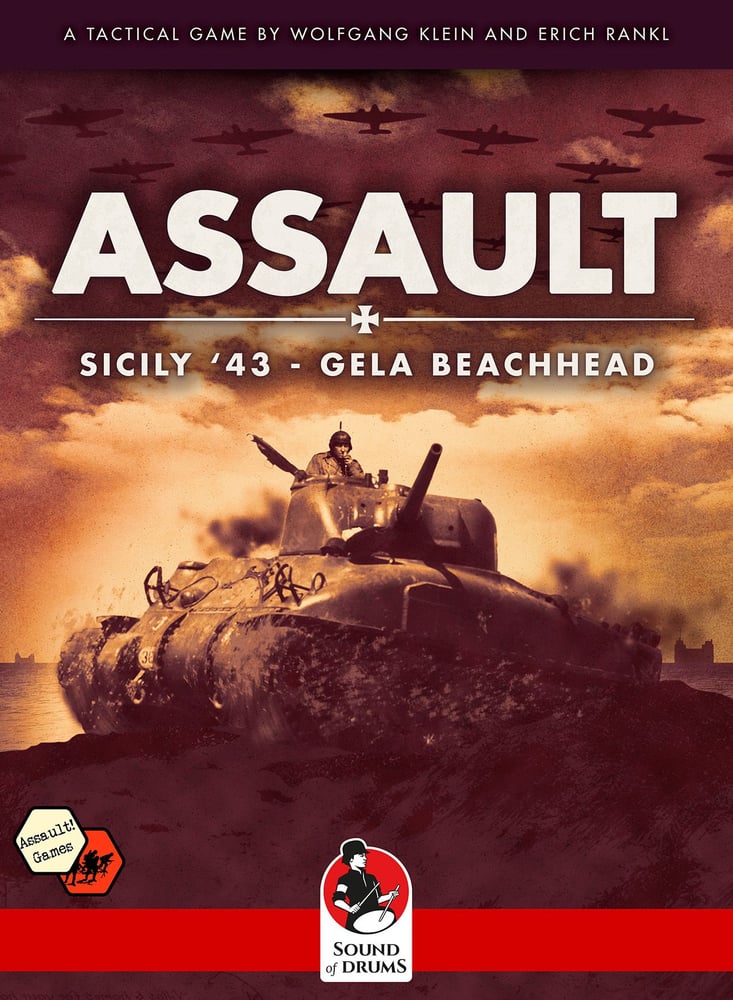
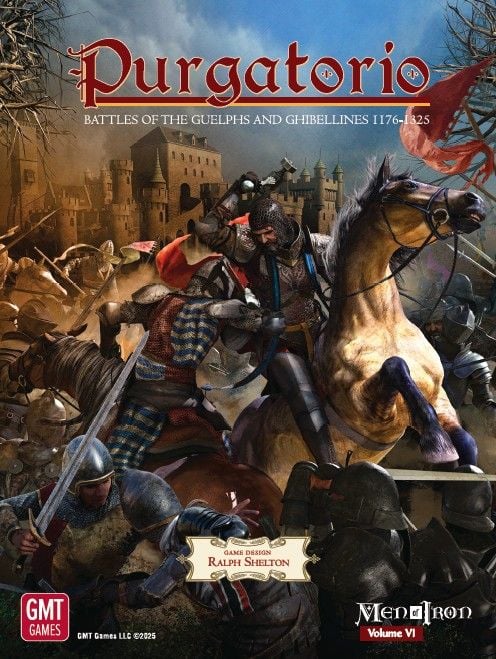
If you like it, try Purgatorio: Men of Iron Volume VI, also by Ralph Shelton, or Carrier Battle: Philippine Sea, World War I: 1914-1918 and Assault: Sicily '43 – Gela Beachhead, which share several of its mechanics.
8 of 10


2026Ralph Shelton
1 - 2 players60 - 240 minHeavy weight
2023Jon Southard
1 players30 - 300 minVery heavy weight
1975Jim Dunnigan, Joseph Miranda
2 players180 minMedium weight
2025Wolfgang Klein, Erich Rankl
2 - 4 players60 - 180 minHeavy weight
From BoardGameGeek:
The Normans, and their successors, had a large impact on history. Normans, from Nortmann (northman), were originally Viking raiders that settled in what would now be northern France. Normans gained territory as far away as southern Italy and Sicily, and modern day Syria. They were Crusaders, they were Kings, they were princes, and they were scoundrels. They began as raiders from the north that fought on foot and transformed themselves into Dukes, Kings, and princes that fought from horseback. How many games include a battle with a Papal army? Very few, so Norman Conquests visits Italy and the Norman Count of Apulia fighting with, and capturing, the Pope. Stretching the definition to include the Norwegian King Harald (III) Hardrada (undoubtedly a northman) and his invasion of England allows us to include all three battles for the throne of England in 1066, including the most famous Norman William the Conqueror and his invasion of England. Next we catch up with two sons of William I, the Duke of Normandy and the King of England, feuding over his lands years after his death. We end with the Baron's War between William I's great-great-great-grandson Henry III and his barons who were led by Simon de Montfort. The battles include: Civitate 18 June 1053 – Normans from Sicily and southern Italy clash with the Pope and allies. Fulford 20 September 1066 – Norwegians (Vikings) come to lay claim to the English throne. Saxon nobles raise their levy and give battle in northern England. Stamford Bridge 25 September 1066 – Saxon King Harold II hurries north and catches the Norwegian invaders with their pants down. Hastings 14 October 1066 – Saxon King Harold II hears of the Norman invasion of England and rushes south. Facing off with William, Duke of Normandy, on a hill in the south of England, Harold learns that arrows are pointy. Tinchebrai 28 September 1106 – Lacking primogenitor, two of William's children battle over his legacy. King Henry I of England and Robert, Duke of Normandy, face off in Normandy. Lewes 14 May 1264 – King Henry III, great-great-grandson of Henry I, and a coalition of his Barons clash over Baronial rights. Evesham 4 August 1265 – Edward (later Edward I, the Hammer of the Scots) fights Simon de Monfort to free his father King Henry III. Time Scale: 1 to 5 hours Map Scale: about 110 yards per hex Unit Scale: about 250 men Number of Players: 1-2 COMPONENTS Three 22" x 34" Maps (2 back-printed) Two 1/4 Sheets of 9/16" Counters Three Player Aid Cards One Rules Manual One Battle Book Two 10-sided Dice Designer: Ralph Shelton Developer: Jason Lindsay Counter Art: Mike Lemick and Charlie Kibler Map Art: Charlie Kibler -description from the publisher
Designer
Ralph Shelton
Artists
Charles Kibler, Mike Lemick, Kurt Miller
Publisher
GMT Games
Categories
Mechanics