Circuitry
2022Jeremy Dawson
1 - 6 players
15 - 30 min
From BoardGameGeek
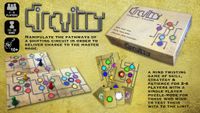
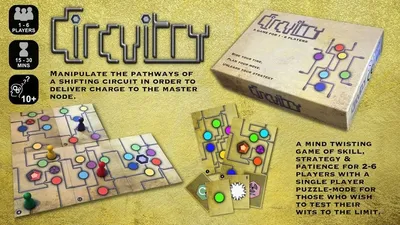
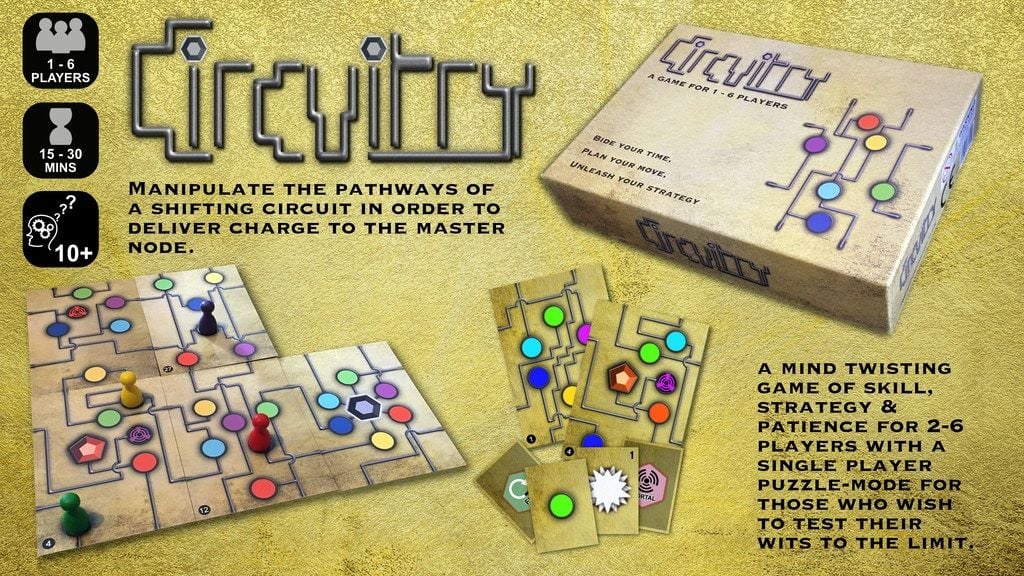
Build the circuit board with the help of 30 double-sided cards. Move strategically your pawn from a CHARGE POINT to the MASTER NODE and collect and play the charge cards. You can change the circuit board's pathways, or force your opponents to move when they don't want to. The goal: build and negotiate the pathways to reach your charge point, before returning to the master node and eliminate other players. Each turn a player selects 2 mini cards of any combination that they wish to take. A player can have as many mini cards in hand as they wish, and may play any amount of mini cards in any order during their turn Each turn a player may also play (but does not have to) a single circuit-board card at any point in their turn, any way up and in any orientation, as long as it connects to a corresponding edge of another card (i.e. longest edge to longest edge, etc - you get the gist).
Which Circuitry video should I watch?
Circuitry has 3 videos from 3 creators: 2 reviews and 1 other video. They date from 2022 to March 2023.
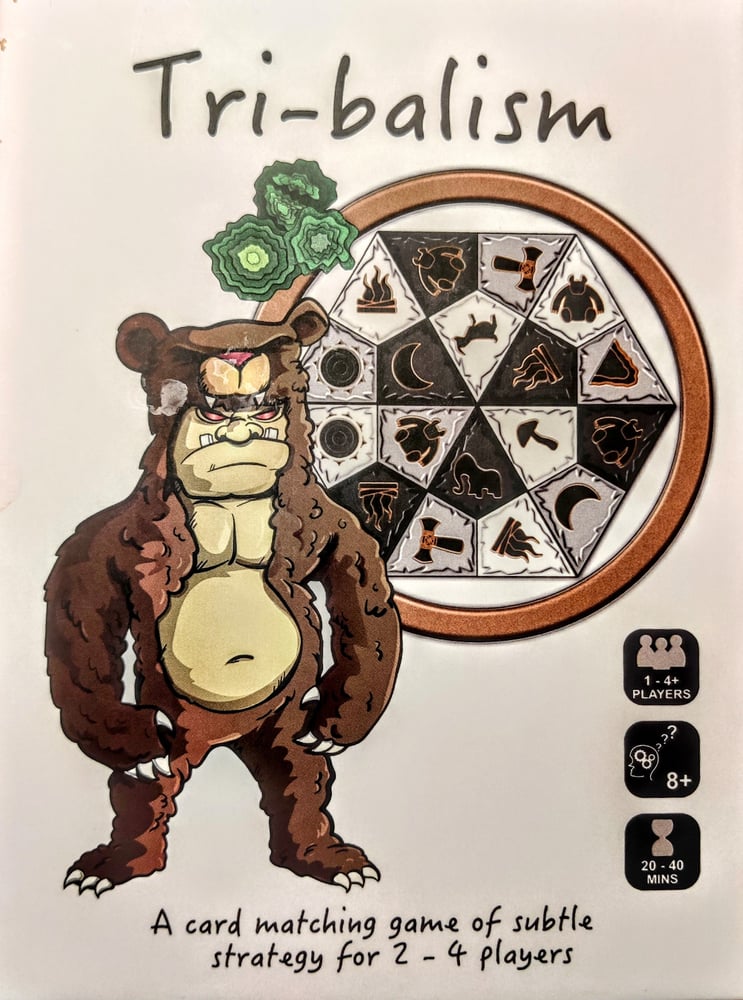
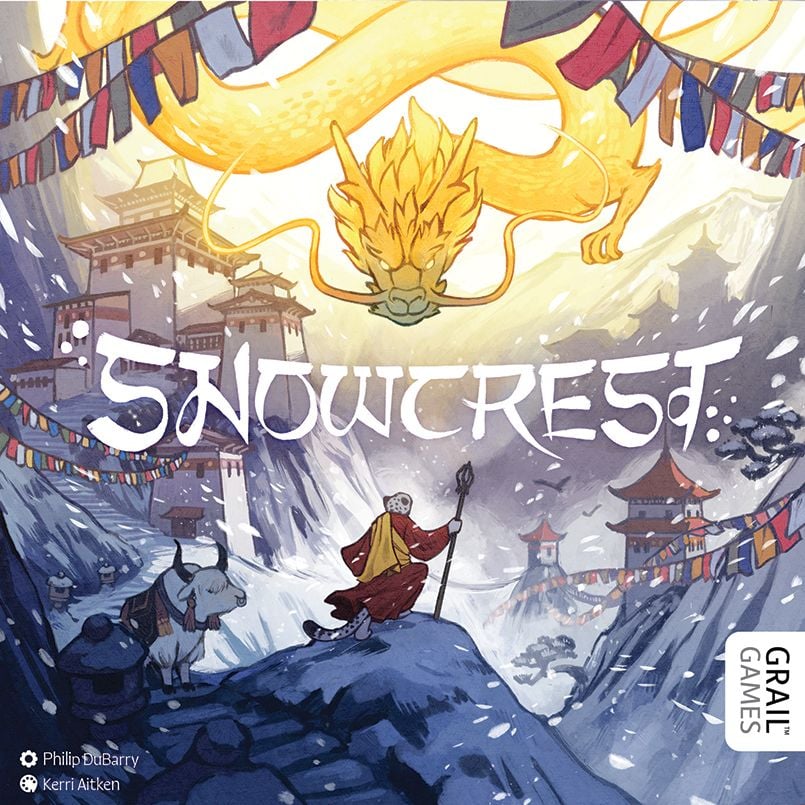
If you like it, try float downstream and Tri-balism, also by Jeremy Dawson, or Food Chain Island and Snowcrest, which share several of its mechanics.
All videos



Creators who cover this
Games like this


2020Scott Almes
- Videos
- 24
- Creators
- 22
Mostly how-to-play and reviews
1 players15 minLight weight
2024Philip duBarry
- Videos
- 23
- Creators
- 18
Mostly reviews and playthroughs
1 - 4 players15 - 60 minMedium weight
About Circuitry
From BoardGameGeek:
Build the circuit board with the help of 30 double-sided cards. Move strategically your pawn from a CHARGE POINT to the MASTER NODE and collect and play the charge cards. You can change the circuit board's pathways, or force your opponents to move when they don't want to. The goal: build and negotiate the pathways to reach your charge point, before returning to the master node and eliminate other players. Each turn a player selects 2 mini cards of any combination that they wish to take. A player can have as many mini cards in hand as they wish, and may play any amount of mini cards in any order during their turn Each turn a player may also play (but does not have to) a single circuit-board card at any point in their turn, any way up and in any orientation, as long as it connects to a corresponding edge of another card (i.e. longest edge to longest edge, etc - you get the gist).
Designer
Jeremy Dawson
Publisher
Self-published
Categories
Mechanics
Grid MovementHand ManagementModular Board & Variable SetupNetwork and Route Building