




2013Stephen Avery, Tom Vasel
- Videos
- 37
- Creators
- 21
Mostly reviews and how-to-play
3 - 5 players120 minMedium weight
2022Stephen Avery, Eugene Bryant
From BoardGameGeek
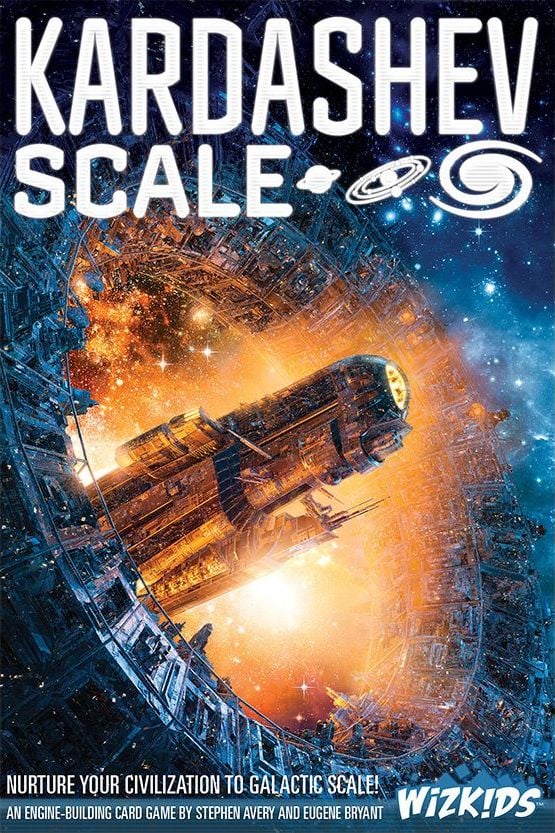
The Kardashev scale is a method of measuring a civilization's level of technological advancement based on the amount of energy it is able to use. A Type I civilization, also called a Planetary civilization - can use and store all of the energy available on its planet. A Type II civilization, also called a Stellar civilization - can use and control energy at the scale of its planetary system. A Type III civilization, also called a Galactic civilization - can use and control energy at the scale of its entire host galaxy. Race your neighboring planets for control of the galaxy by achieving technological and cultural advancements that harness the energy of your people and your planet. Engage in conflict, trade, or research as a means to cultivate your civilization, capture the energy of your home star, and ultimately the energy of the entire galaxy! The most advanced civilization at the end of the game wins! Each round, you'll choose one of four actions to perform at a Summit: collecting one of 3 types of resources or purchasing Advancements. In a rock-paper-scissors fashion, you will compare your chosen action to the actions chosen by your left and right neighbors. Win against one or both of them, and you'll collect 2 of your chosen resources. Tie and you'll gain 1. Lose, and you gain nothing. If you chose instead to Advance, you won't get any resources (and your neighbors will each gain 2 of their chosen resource), you will be able to purchase an Advancement card which will give you VPs and allow you to start building your engine. The game ends once one player reaches 25 or more VPs, and the player with the most points is the winner! -description from the publisher
Kardashev Scale has 4 videos from 4 creators: 1 review, 1 how-to-play guide and 2 unboxings. They date from March to June 2022.
To learn the rules, start with "Kardashev Scale - LIVE Playthrough Board Game & Giveaway USA" by Meeple University, which runs 59 min.
For an opinion before you buy, start with "The Discriminating Gamer: Kardashev Scale" by The Discriminating Gamer.
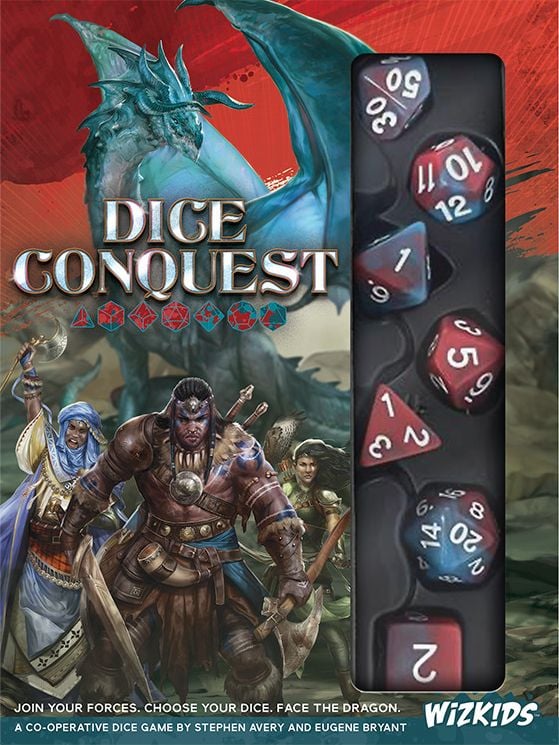
If you like it, try Nothing Personal, Dice Conquest, Pathfinder Dice Conquest and Wyld, also by Stephen Avery.


2013Stephen Avery, Tom Vasel
3 - 5 players120 minMedium weight
2022Stephen Avery, Eugene Bryant
1 - 4 players30 minLight weight
2025Stephen Avery, Eugene Bryant
1 - 4 players30 minMedium weight
2024Stephen Avery, Eugene Bryant, Kyle Rowan
2 - 5 players10 - 20 minLight weight
From BoardGameGeek:
The Kardashev scale is a method of measuring a civilization's level of technological advancement based on the amount of energy it is able to use. A Type I civilization, also called a Planetary civilization - can use and store all of the energy available on its planet. A Type II civilization, also called a Stellar civilization - can use and control energy at the scale of its planetary system. A Type III civilization, also called a Galactic civilization - can use and control energy at the scale of its entire host galaxy. Race your neighboring planets for control of the galaxy by achieving technological and cultural advancements that harness the energy of your people and your planet. Engage in conflict, trade, or research as a means to cultivate your civilization, capture the energy of your home star, and ultimately the energy of the entire galaxy! The most advanced civilization at the end of the game wins! Each round, you'll choose one of four actions to perform at a Summit: collecting one of 3 types of resources or purchasing Advancements. In a rock-paper-scissors fashion, you will compare your chosen action to the actions chosen by your left and right neighbors. Win against one or both of them, and you'll collect 2 of your chosen resources. Tie and you'll gain 1. Lose, and you gain nothing. If you chose instead to Advance, you won't get any resources (and your neighbors will each gain 2 of their chosen resource), you will be able to purchase an Advancement card which will give you VPs and allow you to start building your engine. The game ends once one player reaches 25 or more VPs, and the player with the most points is the winner! -description from the publisher
Designers
Stephen Avery, Eugene Bryant
Publisher
WizKids (I)
Categories
Mechanics