


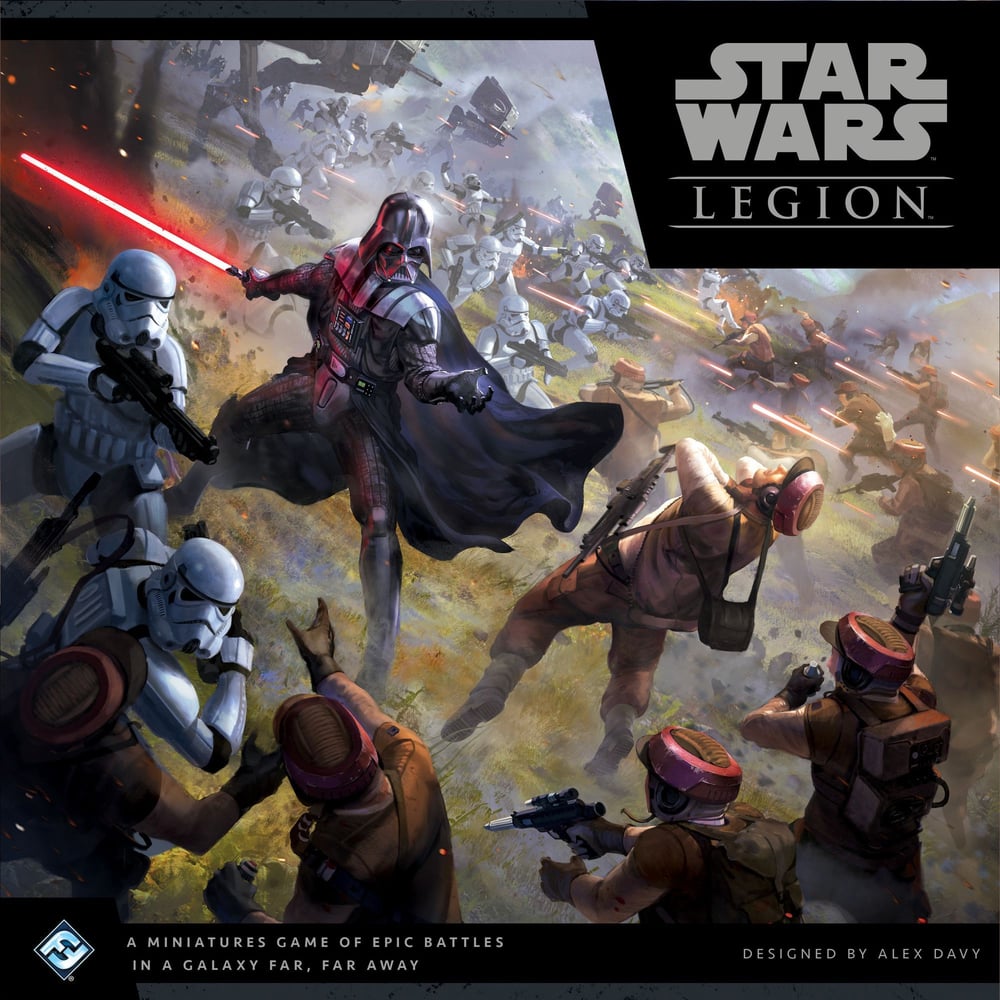
2018Alex Davy, Luke Eddy
- Videos
- 76
- Creators
- 29
Mostly how-to-play and reviews
2 players120 - 180 minHeavy weight
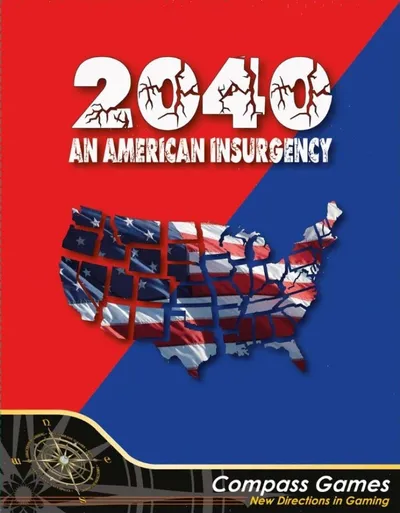
2023Edward Castronova
From BoardGameGeek
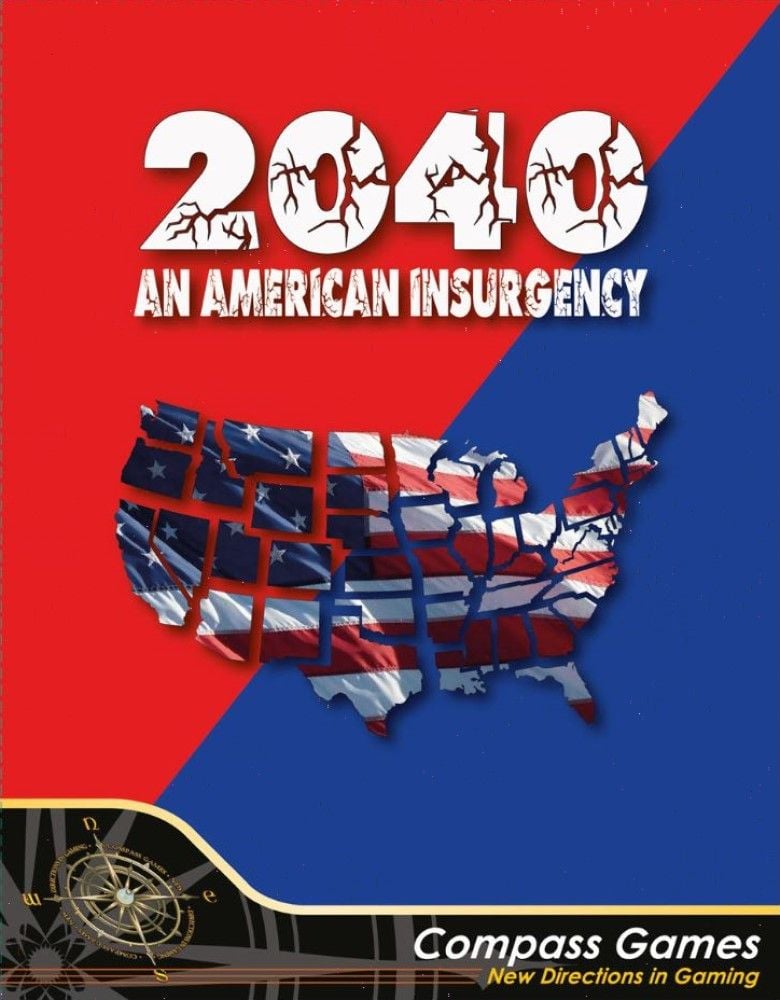
2040: An American Insurgency simulates a US civil war in the 21st century. In this 2-player, 3-hour game, the blue team is the Federals, agents of the government in Washington. The red team is the Rebels, militia groups trying to seize control of states, highways, and cities. The conflict spreads across the entire continental US, from Miami to Seattle and from Los Angeles to New York. Two scenarios are presented. One depicts a rebellion that emerges from rural areas in the Midwest and South. The other puts the rebellion in urban areas along the coasts. As such, the game is open to multiple interpretations of future politics in the US. The game was designed not to make political statements of one kind or another, but rather to accurately model counter-insurgency operations in the continental US, regardless of who the rebels happen to be. Many of the game mechanics are familiar from the existing body counter-insurgency sims. The resources and operations available to the two players are different; the insurgency is depicted as an asymmetric conflict. Gameplay is card-driven, however with events depicting situations that may arise in the US context. For example, if a civil war to occur, the Supreme Court is likely to make rulings that affect the conflict. Therefore, there are SCOTUS cards involving the Second Amendment and the government's ability to make arrests. Other uniquely American features include truck stops as information networks, police brutality events, and the sports-entertainment complex. While some of the game's mechanics are familiar, 2040 brings many new mechanics to the table. For example, there is a fully fleshed-out social media system that affects the power of the rebellion. The Rebel player does his recruiting and fundraising through the internet, so that Federal online control measures can dramatically reduce the Rebel's money and troop levels. This net-based conflict adds a third dimension to the insurgency, one that has not been extensively modeled in previous commercially-available simulations. Another noteworthy feature, unique to the US, is that the suburbs and central cities of an urban area can be at diametrically opposite poles of the revolution. This creates a difficult strategic problem, in that operations that pass between two urban cores must necessarily go through the suburbs of both cities along the way. If those suburbs are enemy-controlled, the transit may be blocked. Forces inside cities can effectively be trapped by hostile suburban forces. Thus, the suburban / urban political conflict in the US has important implications for operational effectiveness. The game components include a 22” x 34” map of the continental US, broken down by regions, cities, suburbs, and highways. Wooden pieces represent Militias (red) and Federal Security Agents (blue). Counters are used to indicate the status of a given space, from Order (pro-Federal) to Revolt (pro-Rebel). Each player has a Player Aid that summarizes the possible actions of both players. Product Information: Complexity: 4 out of 10 Solitaire suitability: 8 out of 10 (similar to games like Twilight Struggle) Time scale: Not specified, but approximately one year per turn, covering a 4 to 5 year conflict Unit scale: one unit = paramilitary cell Players: one to two, best with two Playing time: 2-3 hours -description from the publisher
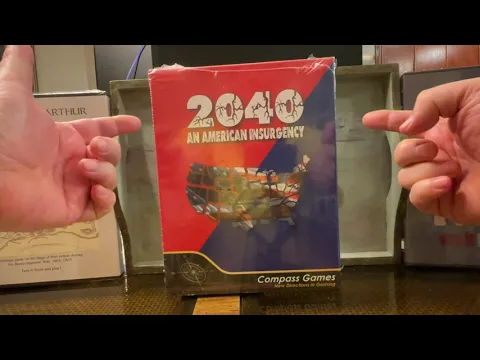
2040: An American Insurgency has 4 videos from 3 creators: 1 review, 1 how-to-play guide and 2 unboxings. They date from March to June 2023.
To learn the rules, start with "Compass Games Learn to Play 23: 2040: An American Insurgency" by Moe's Game Table, which runs 49 min.
For an opinion before you buy, start with "2040: An American Insurgency - Solo Preview - A Prophetic Game?" by Tabletop For One.
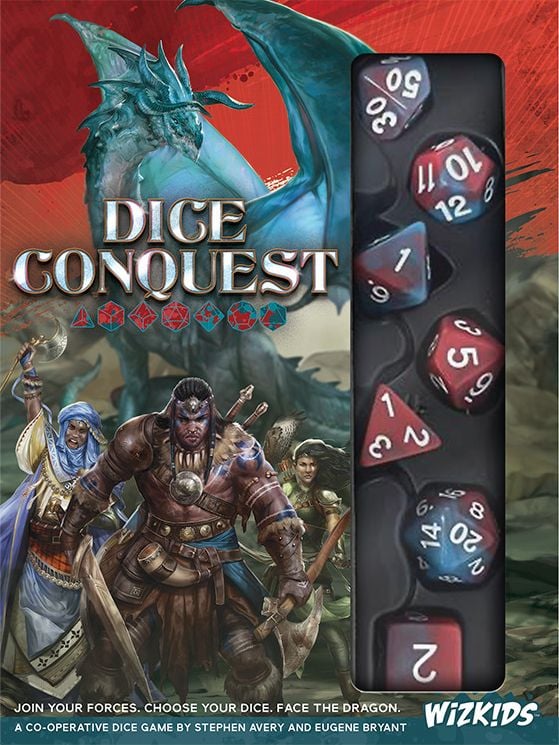
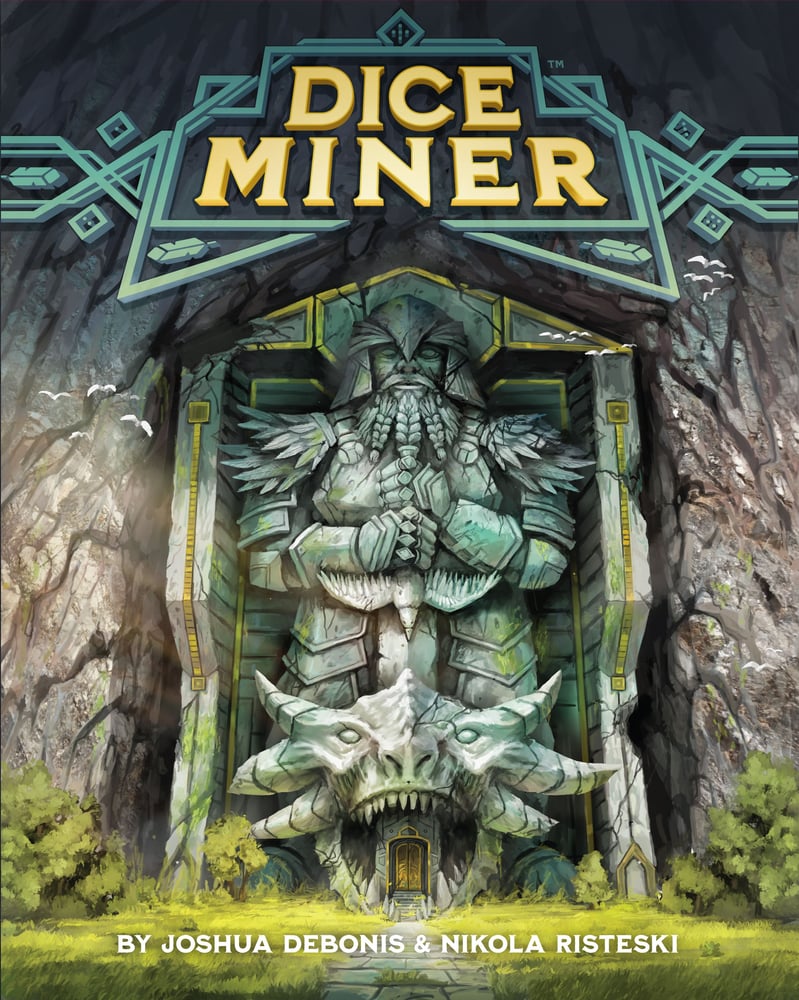
If you like it, try Star Wars: Legion, Dice Conquest, Dice Miner or Dice Throne: Santa v. Krampus, which share several of its mechanics.


2018Alex Davy, Luke Eddy
2 players120 - 180 minHeavy weight
2022Stephen Avery, Eugene Bryant
1 - 4 players30 minLight weight
2021Joshua DeBonis, Nikola Risteski
1 - 4 players20 - 30 minLight weight
2022Gavan Brown, Nate Chatellier, Manny Trembley
2 - 6 players20 - 40 minMedium weight
From BoardGameGeek:
2040: An American Insurgency simulates a US civil war in the 21st century. In this 2-player, 3-hour game, the blue team is the Federals, agents of the government in Washington. The red team is the Rebels, militia groups trying to seize control of states, highways, and cities. The conflict spreads across the entire continental US, from Miami to Seattle and from Los Angeles to New York. Two scenarios are presented. One depicts a rebellion that emerges from rural areas in the Midwest and South. The other puts the rebellion in urban areas along the coasts. As such, the game is open to multiple interpretations of future politics in the US. The game was designed not to make political statements of one kind or another, but rather to accurately model counter-insurgency operations in the continental US, regardless of who the rebels happen to be. Many of the game mechanics are familiar from the existing body counter-insurgency sims. The resources and operations available to the two players are different; the insurgency is depicted as an asymmetric conflict. Gameplay is card-driven, however with events depicting situations that may arise in the US context. For example, if a civil war to occur, the Supreme Court is likely to make rulings that affect the conflict. Therefore, there are SCOTUS cards involving the Second Amendment and the government's ability to make arrests. Other uniquely American features include truck stops as information networks, police brutality events, and the sports-entertainment complex. While some of the game's mechanics are familiar, 2040 brings many new mechanics to the table. For example, there is a fully fleshed-out social media system that affects the power of the rebellion. The Rebel player does his recruiting and fundraising through the internet, so that Federal online control measures can dramatically reduce the Rebel's money and troop levels. This net-based conflict adds a third dimension to the insurgency, one that has not been extensively modeled in previous commercially-available simulations. Another noteworthy feature, unique to the US, is that the suburbs and central cities of an urban area can be at diametrically opposite poles of the revolution. This creates a difficult strategic problem, in that operations that pass between two urban cores must necessarily go through the suburbs of both cities along the way. If those suburbs are enemy-controlled, the transit may be blocked. Forces inside cities can effectively be trapped by hostile suburban forces. Thus, the suburban / urban political conflict in the US has important implications for operational effectiveness. The game components include a 22” x 34” map of the continental US, broken down by regions, cities, suburbs, and highways. Wooden pieces represent Militias (red) and Federal Security Agents (blue). Counters are used to indicate the status of a given space, from Order (pro-Federal) to Revolt (pro-Rebel). Each player has a Player Aid that summarizes the possible actions of both players. Product Information: Complexity: 4 out of 10 Solitaire suitability: 8 out of 10 (similar to games like Twilight Struggle) Time scale: Not specified, but approximately one year per turn, covering a 4 to 5 year conflict Unit scale: one unit = paramilitary cell Players: one to two, best with two Playing time: 2-3 hours -description from the publisher
Designer
Edward Castronova
Artist
Ilya Kudriashov
Publisher
Compass Games
Categories
Mechanics