P'achakuna
2021Stefan Kraft, Moreno Vogel
2 players
30 - 60 min
Light weight: Learn it in minutes
From BoardGameGeek
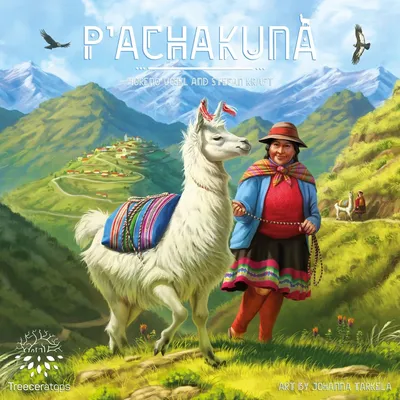
P'achakuna takes you on a journey in the heart of the Andes together with your most loyal friend - your llama. The game includes both black and white llamas, with you controlling one color and your opponent the other. White llamas move only through the green valleys, while black llamas scale the barren mountains. Whatever the color, however, you want to visit mountain villages to deliver the dye that they desire, ideally collecting dye for yourself along the way. In P'achakuna, each player starts with one llama of their color in the center of the board in the white village, with a white dye loaded on its back. The board is composed of hexagonal tiles that are either half valley/half mountain, two-thirds valley/one-third mountain, or vice versa. The tiles are extremely thick so that you can grab the mountain section of the tile and pluck it from the board. Six villages sit on the perimeter of the game board, each corresponding to one of the primary or secondary colors. Each village has a random demand tile in it that shows two colors, one in high demand and one in low demand; neither of these colors can match the color of the village. On a turn, you may first rotate one unoccupied tile; by paying two dye resources from your personal supply, you can rotate a second tile. You then must move each of your llamas at least one space, but you can move them further if you desire and if the terrain allows them to do this. You rotate tiles to create long paths of valley or mountain so that ideally your llamas can travel far with each move. If you move a llama into a village, you trade the dye on that llama. If the dye you carry isn't in demand in that village, you simply trade that dye for the dye from the village, say, green for yellow. If the dye is in demand, then you add 1-2 dye of that delivered color to your personal supply (depending on whether the demand is low or high), then you place a dye matching the color of that village on your llama. If you collect a color in your personal supply and don't have it in your scoring track, you can place it in your scoring track. No matter what, you replace the demand tile in that village, making sure the color of that village isn't on the demand tile. During a turn in a village, you can hand in four dye from your personal supply to acquire a new llama that is then placed in that village with a dye from that village on its back. Each llama moves on your turn, and you can have at most three llamas. As soon as you have one dye of each of the seven colors on your scoring track, you win. To hold the demand tiles, the game includes a handmade fabric bag from Bolivia and Peru, which supports the local community.
Which P'achakuna video should I watch?
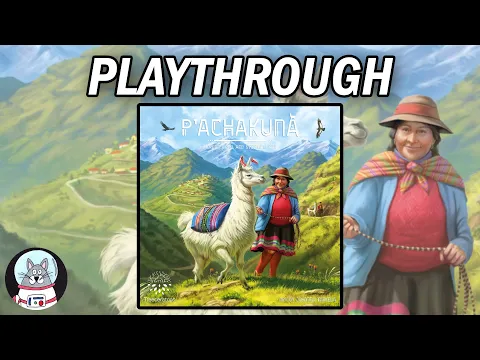
P'achakuna has 3 videos from 3 creators: 2 reviews and 1 unboxing. They date from March to June 2022.
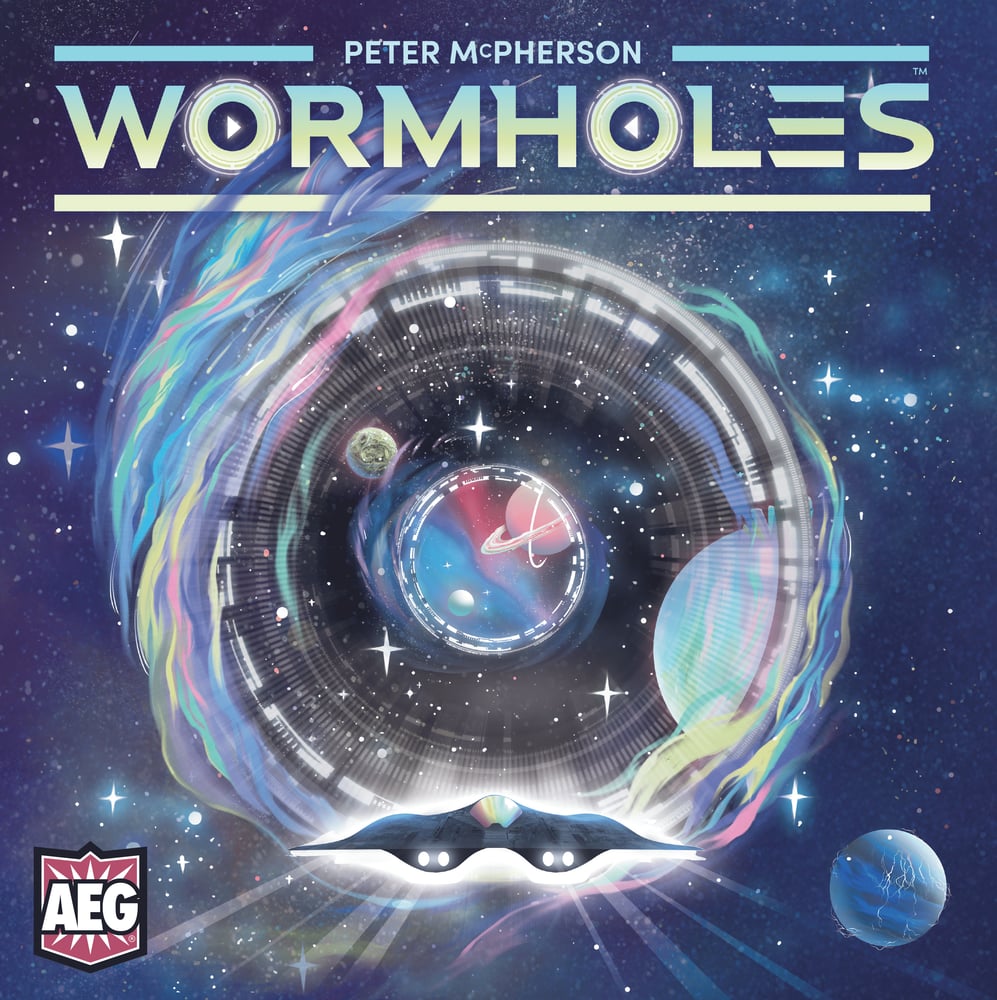
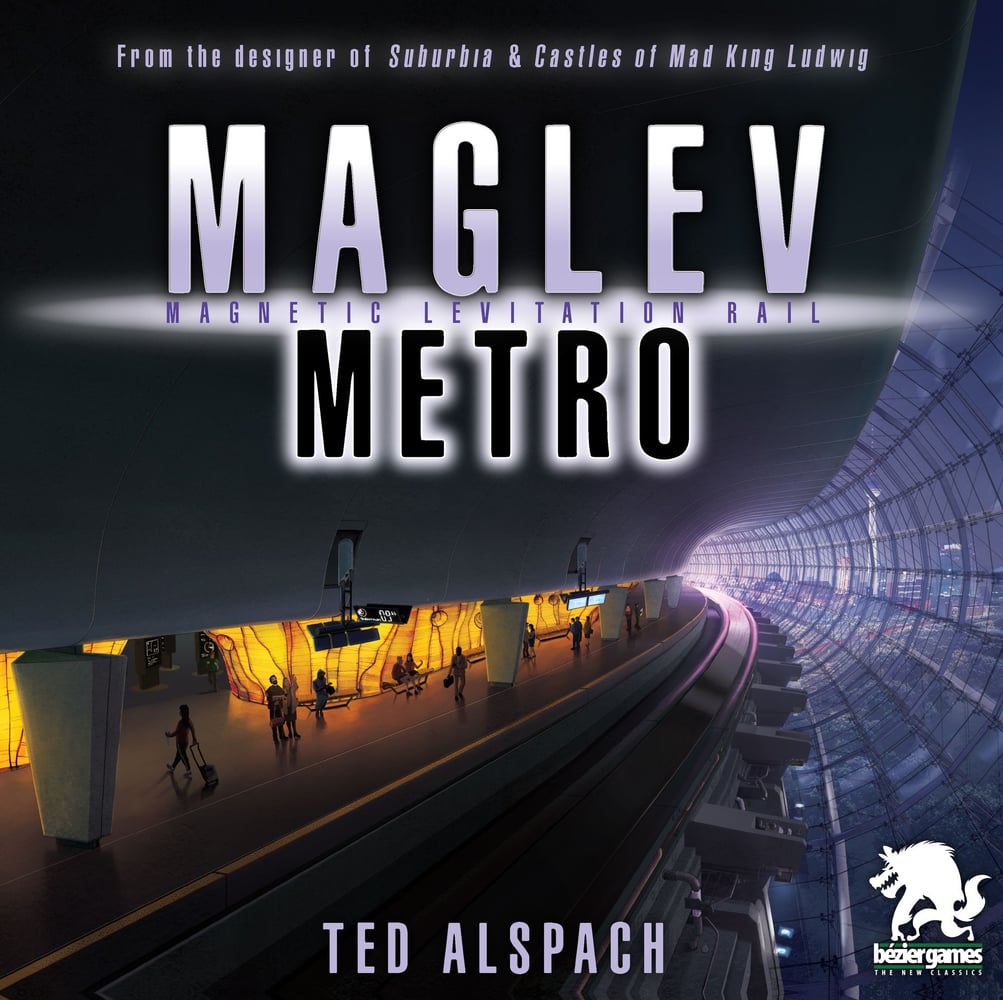
If you like it, try Wormholes, Maglev Metro, Steam Power or Resafa, which share several of its mechanics.
All videos
Creators who cover this

slickerdrips
1 video of this game

ThinkerThemer
1 video of this game
Games like this
2024Vladimír Suchý
- Videos
- 35
- Creators
- 28
Mostly reviews and unboxings
1 - 4 players60 - 150 minHeavy weight
About P'achakuna
From BoardGameGeek:
P'achakuna takes you on a journey in the heart of the Andes together with your most loyal friend - your llama. The game includes both black and white llamas, with you controlling one color and your opponent the other. White llamas move only through the green valleys, while black llamas scale the barren mountains. Whatever the color, however, you want to visit mountain villages to deliver the dye that they desire, ideally collecting dye for yourself along the way. In P'achakuna, each player starts with one llama of their color in the center of the board in the white village, with a white dye loaded on its back. The board is composed of hexagonal tiles that are either half valley/half mountain, two-thirds valley/one-third mountain, or vice versa. The tiles are extremely thick so that you can grab the mountain section of the tile and pluck it from the board. Six villages sit on the perimeter of the game board, each corresponding to one of the primary or secondary colors. Each village has a random demand tile in it that shows two colors, one in high demand and one in low demand; neither of these colors can match the color of the village. On a turn, you may first rotate one unoccupied tile; by paying two dye resources from your personal supply, you can rotate a second tile. You then must move each of your llamas at least one space, but you can move them further if you desire and if the terrain allows them to do this. You rotate tiles to create long paths of valley or mountain so that ideally your llamas can travel far with each move. If you move a llama into a village, you trade the dye on that llama. If the dye you carry isn't in demand in that village, you simply trade that dye for the dye from the village, say, green for yellow. If the dye is in demand, then you add 1-2 dye of that delivered color to your personal supply (depending on whether the demand is low or high), then you place a dye matching the color of that village on your llama. If you collect a color in your personal supply and don't have it in your scoring track, you can place it in your scoring track. No matter what, you replace the demand tile in that village, making sure the color of that village isn't on the demand tile. During a turn in a village, you can hand in four dye from your personal supply to acquire a new llama that is then placed in that village with a dye from that village on its back. Each llama moves on your turn, and you can have at most three llamas. As soon as you have one dye of each of the seven colors on your scoring track, you win. To hold the demand tiles, the game includes a handmade fabric bag from Bolivia and Peru, which supports the local community.
Designers
Stefan Kraft, Moreno Vogel
Artist
Johanna Tarkela
Publisher
Treecer (Treeceratops)
Categories
Mechanics
Hex GridModular Board & Variable SetupNetwork and Route BuildingPick-up and Deliver