Codex Naturalis
2021Thomas Dupont
- Videos
- 47
- Creators
- 39
Mostly how-to-play and reviews. Codex Naturalis is covered on BoardGameVideo.com by 15 reviews, 18 how-to-play guides, 5 recorded sessions, and 9 unboxings.
1 - 4 players
20 - 30 min
Light weight: Learn it in minutes
From BoardGameGeek
In Codex Naturalis, you must continue the work of the illuminating monk Tybor Kwelein, assembling the pages of a manuscript that lists the living species in primary forests. Can you put the pages together in the best order possible? And are you prepared to sacrifice a species to develop your manuscript? In the game, each player starts with a single card on the table, a card that shows some combination of the four possible resources in the middle of the card, in the corners of the card, or both. Players also have two resource cards and one gold card in hand, while two of each type of card are visible on the table. On a turn, you place a card from your hand overlapping the corners of one or more cards you already have in play. Your starting card has four overlappable corners, while resource and gold cards have only three. Resource cards have no cost to be played, and they often depict resource symbols in their corners. Gold cards deliver points when played, but they often have a resource requirement, e.g., three fungi or two plant/one animal/one insect, and you must have those resources visible in your manuscript at the time you play the gold card. You score points from this card immediately, with some cards having a fixed value and others a variable one depending on how many of a certain symbol are showing or how many corners you covered this turn. If you wish, you can play a card from your hand face down; such a card has four corners and one resource, but provides no points. After you play, draw a face-up card or the top card of either deck to refill your hand. When a player reaches 20 points, you complete the round, and each player takes one additional turn. Players then score points based on how well they matched two public objective cards and one secret objective card, after which the player with the most points wins.
Watch first
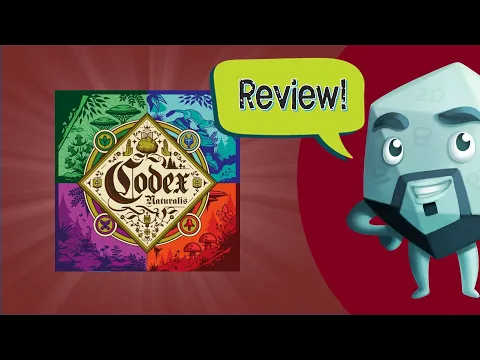


Which Codex Naturalis video should I watch?
Codex Naturalis has 47 videos from 39 creators: 15 reviews, 18 how-to-play guides, 5 playthroughs and 9 unboxings. They date from 2020 to June 2025.
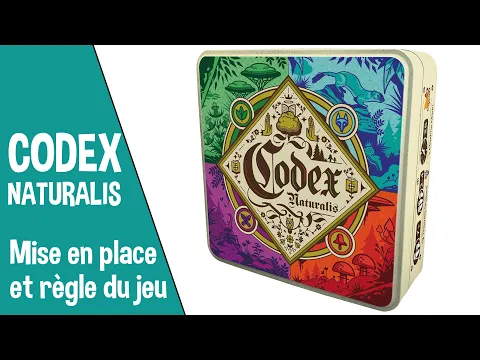
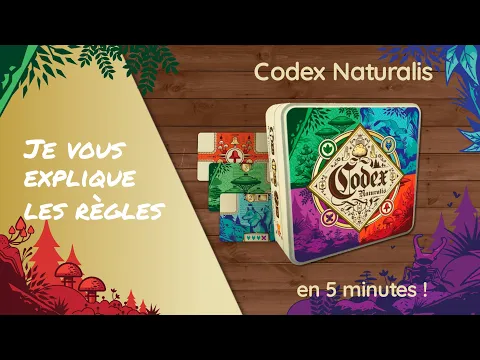
To learn the rules, start with "Rules explanations in a few minutes" by Bombyx Éditions, which runs 5 min.
For an opinion before you buy, start with "Codex Naturalis Zee Garcia Dice tower" by The Dice Tower. 14 creators have reviewed it. To see it played, watch "Codex Naturalis, partita completa al luccicoso gioco da tavolo di Cranio Creations" by Gioca Giullari, one of 5 playthroughs.
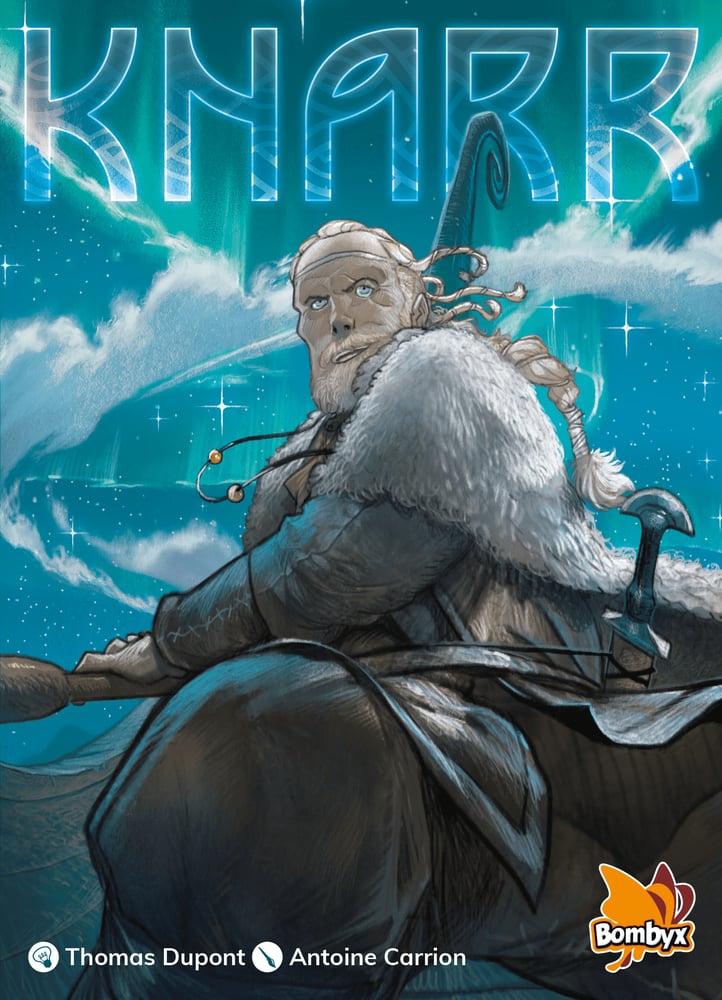
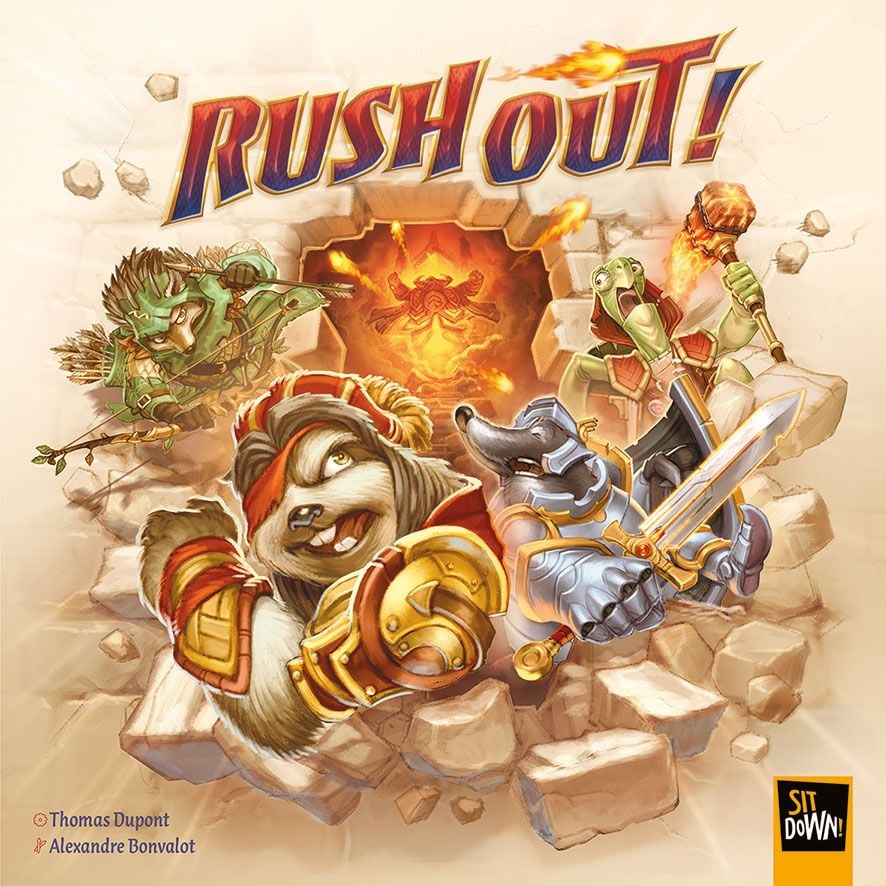
If you like it, try Knarr, Rush Out!, Mech A Dream and Knarr: Skali, also by Thomas Dupont.
All videos







































8 of 39
Creators who cover this

Playing Season
3 videos of this game

Bombyx Éditions
2 videos of this game

Cris Barros Souza
2 videos of this game

Diluvio Lúdico
2 videos of this game

Nacho Average TableTop
2 videos of this game

Rewind Masters
2 videos of this game

The Dice Tower
2 videos of this game

보드마스터박쌤
1 video of this game
Games like this
2021Thomas Dupont
- Videos
- 8
- Creators
- 7
Mainly reviews and how-to-play
3 - 5 players20 - 30 minLight weight

2023Thomas Dupont, Antoni Guillen
- Videos
- 7
- Creators
- 7
Mainly reviews
2 - 4 players45 minMedium weight
About Codex Naturalis
From BoardGameGeek:
In Codex Naturalis, you must continue the work of the illuminating monk Tybor Kwelein, assembling the pages of a manuscript that lists the living species in primary forests. Can you put the pages together in the best order possible? And are you prepared to sacrifice a species to develop your manuscript? In the game, each player starts with a single card on the table, a card that shows some combination of the four possible resources in the middle of the card, in the corners of the card, or both. Players also have two resource cards and one gold card in hand, while two of each type of card are visible on the table. On a turn, you place a card from your hand overlapping the corners of one or more cards you already have in play. Your starting card has four overlappable corners, while resource and gold cards have only three. Resource cards have no cost to be played, and they often depict resource symbols in their corners. Gold cards deliver points when played, but they often have a resource requirement, e.g., three fungi or two plant/one animal/one insect, and you must have those resources visible in your manuscript at the time you play the gold card. You score points from this card immediately, with some cards having a fixed value and others a variable one depending on how many of a certain symbol are showing or how many corners you covered this turn. If you wish, you can play a card from your hand face down; such a card has four corners and one resource, but provides no points. After you play, draw a face-up card or the top card of either deck to refill your hand. When a player reaches 20 points, you complete the round, and each player takes one additional turn. Players then score points based on how well they matched two public objective cards and one secret objective card, after which the player with the most points wins.