The Ming Voyages
2020David J. Mortimer, Alan Paull
- Videos
- 5
- Creators
- 2
Mostly reviews and unboxings. The Ming Voyages is covered on BoardGameVideo.com by 2 reviews, 1 recorded sessions, and 2 unboxings.
1 - 2 players
30 min
Medium weight: Teach it in one sitting
From BoardGameGeek
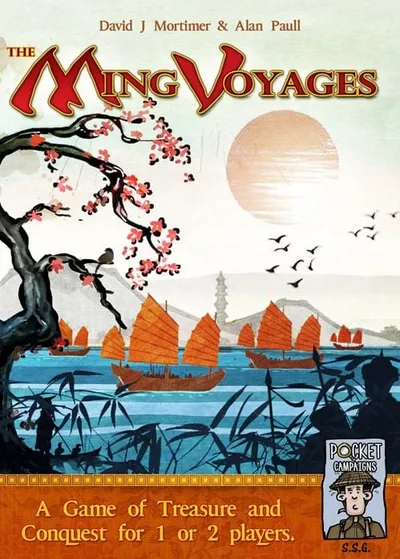
"The Ming Voyages" are the seven journeys made by the Chinese treasure fleet of oceanic junks between 1405 and 1433. The Yongle Emperor constructed the fleet during a period of outward-looking expansion of Chinese influence overseas, and its commander was Admiral Zheng He. The maritime power of the Ming Empire was used for political purposes, not just for trade. The immense fleet was technologically far in advance of European counterparts until at least the 18th century. While it is purported by some that the fleet circumnavigated the world and discovered all its continents save Europe, the voyages certainly reached Calicut in India and Hormuz in the Persian Gulf, while making landfalls in the Arabian Peninsula and East Africa - but on the landward side of the Empire, border troubles were always brewing. In The Ming Voyages, one player will be the Ming Emperor who is trying to complete all seven treasure voyages, in addition to protecting the Chinese borderlands from invading barbarians. The other player controls the three disparate barbarian factions who are trying to settle on the borderlands with China. Battles can occur in these borderlands, with players use their three dice to roll for triples, doubles, and singles that are better than their opponent's rolls. Reserved cards can be used for re-rolls. The game uses multi-function cards (as in The Cousins' War) to provide actions for players to reinforce their armies and attack the enemy and for the Emperor to complete voyages. Play of a card may provide an out-of-turn action for the opponent, so players must be careful of timing. Only the Emperor draws new cards. Players swap hands at the end of each turn, so the Emperor always knows what the Barbarian Overlord holds, and each player tries to exploit the out-of-turn actions. -description from designer
Watch first
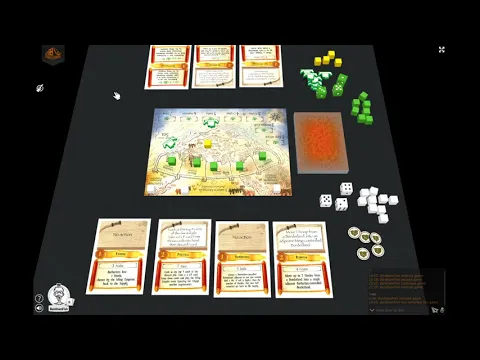
Which video should I watch for The Ming Voyages?
The Ming Voyages has 5 videos from 2 creators: 2 reviews, 1 playthrough and 2 unboxings. They date from 2020 to May 2024.
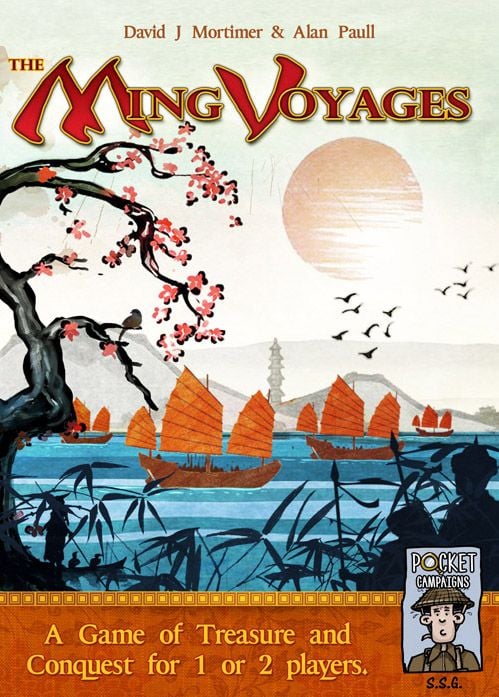
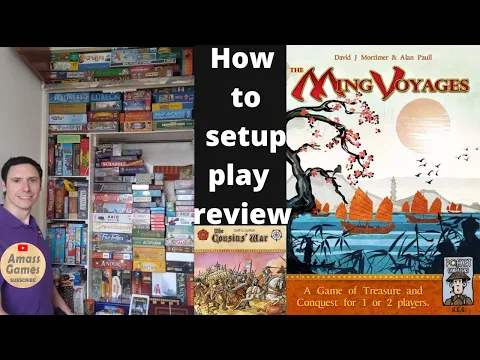
For an opinion before you buy, start with "How to setup play review The Ming Voyages Asymmetric board game Pocket Campaign AmassGames #war 2p" by AmassGames. To see it played, watch "The Ming Voyages 2-player from Virtually Expo live stream, by Alan Paull" by Surprised Stare Games.
If you like it, try Siege, The March of Progress and Snowdonia: Deluxe Master Set, also by Alan Paull, or War of the 3 Sanchos 1065-67, also by David J. Mortimer.
All videos
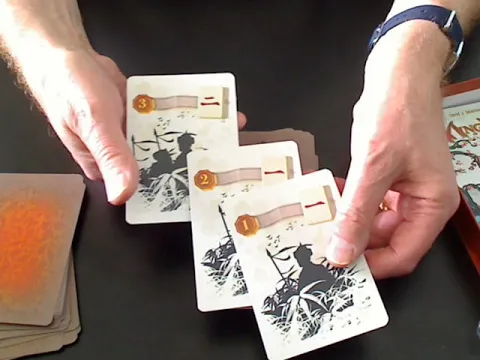
Creators who cover this

AmassGames
3 videos of this game

Surprised Stare Games
2 videos of this game
Games like this
2024David J. Mortimer
- Videos
- 5
- Creators
- 5
Mainly reviews and how-to-play
1 - 3 players30 - 45 minMedium weight

2019Sebastian Bleasdale, Tony Boydell, David Brain, Matthew Dunstan, Hisashi Hayashi, Błażej Kubacki, David J. Mortimer, Alan Paull
- Videos
- 2
- Creators
- 2
Reviews and unboxings
1 - 5 players30 - 90 minHeavy weight
About The Ming Voyages
From BoardGameGeek:
"The Ming Voyages" are the seven journeys made by the Chinese treasure fleet of oceanic junks between 1405 and 1433. The Yongle Emperor constructed the fleet during a period of outward-looking expansion of Chinese influence overseas, and its commander was Admiral Zheng He. The maritime power of the Ming Empire was used for political purposes, not just for trade. The immense fleet was technologically far in advance of European counterparts until at least the 18th century. While it is purported by some that the fleet circumnavigated the world and discovered all its continents save Europe, the voyages certainly reached Calicut in India and Hormuz in the Persian Gulf, while making landfalls in the Arabian Peninsula and East Africa - but on the landward side of the Empire, border troubles were always brewing. In The Ming Voyages, one player will be the Ming Emperor who is trying to complete all seven treasure voyages, in addition to protecting the Chinese borderlands from invading barbarians. The other player controls the three disparate barbarian factions who are trying to settle on the borderlands with China. Battles can occur in these borderlands, with players use their three dice to roll for triples, doubles, and singles that are better than their opponent's rolls. Reserved cards can be used for re-rolls. The game uses multi-function cards (as in The Cousins' War) to provide actions for players to reinforce their armies and attack the enemy and for the Emperor to complete voyages. Play of a card may provide an out-of-turn action for the opponent, so players must be careful of timing. Only the Emperor draws new cards. Players swap hands at the end of each turn, so the Emperor always knows what the Barbarian Overlord holds, and each player tries to exploit the out-of-turn actions. -description from designer
Designers
David J. Mortimer, Alan Paull
Artist
Klemens Franz
Publisher
Surprised Stare Games Ltd
Mechanics