Samurai
1998Reiner Knizia
- Videos
- 8
- Creators
- 8
Mainly reviews. Samurai is covered on BoardGameVideo.com by 4 reviews, 1 how-to-play guides, 1 unboxings, and 2 other videos.
2 - 4 players
30 - 60 min
Medium weight: Teach it in one sitting
From BoardGameGeek
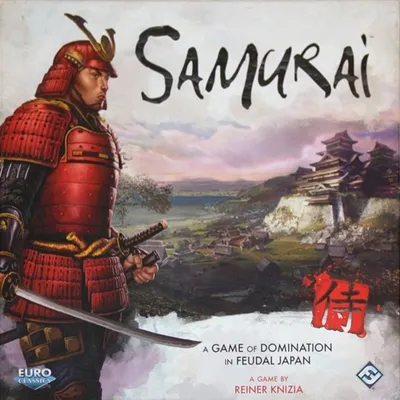
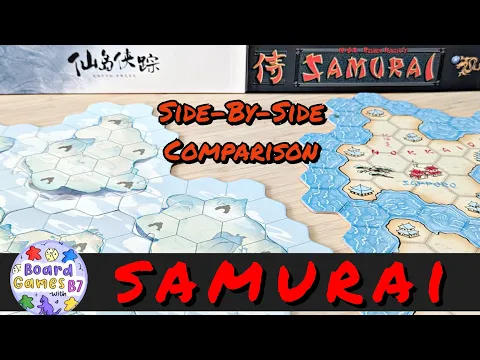
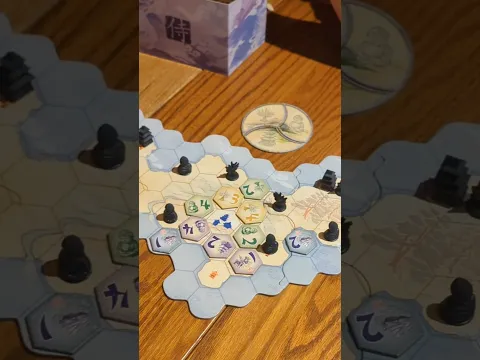
Samurai is set in medieval Japan. Players compete to gain the favor of three factions: samurai, peasants, and priests, which are represented by helmet, rice paddy, and Buddha figures scattered about the board, which features the islands of Japan. The competition is waged through the use of hexagonal tiles, each of which help curry favor of one of the three factions - or all three at once! Players can make lightning-quick strikes with horseback ronin and ships or approach their conquests more methodically. As each figure (helmets, rice paddies, and Buddhas) is surrounded, it is awarded to the player who has gained the most favor with the corresponding group. Gameplay continues until all the symbols of one type have been removed from the board or four figures have been removed from play due to a tie for influence. At the end of the game, players compare captured symbols of each type, competing for majorities in each of the three types. Ties are not uncommon and are broken based on the number of other, "non-majority" symbols each player has collected. The game is part of what is sometimes called the Knizia tile-laying trilogy.
Watch first

Which Samurai video should I watch?
Samurai has 8 videos from 8 creators: 4 reviews, 1 how-to-play guide, 1 unboxing and 2 other videos. They date from 2022 to February 2026.
To learn the rules, start with "NewViews: A game about observing nature's wonders in the Northwest, and careful "journaling" too." by NewVenture Games, which runs 13 min.
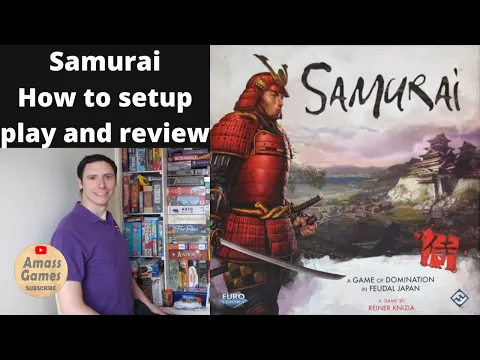
For an opinion before you buy, start with "Samurai - how to setup play and review Reiner Knizia area control FFG edition board game AmassGames" by AmassGames. 4 creators have reviewed it.
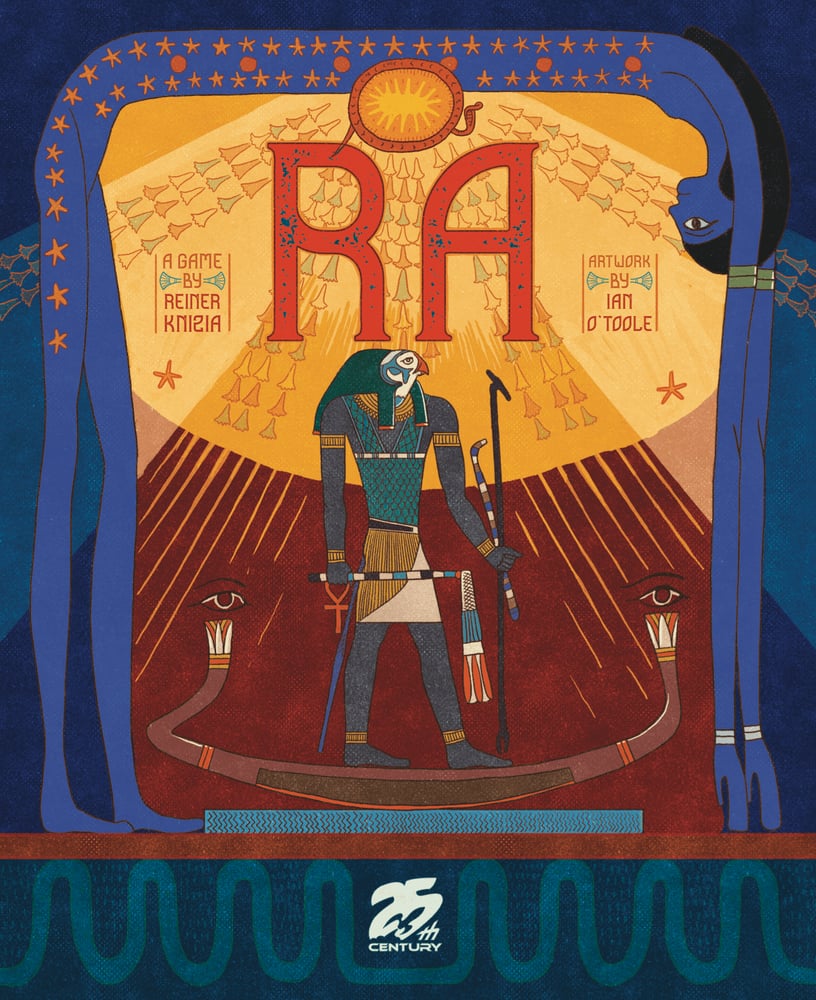
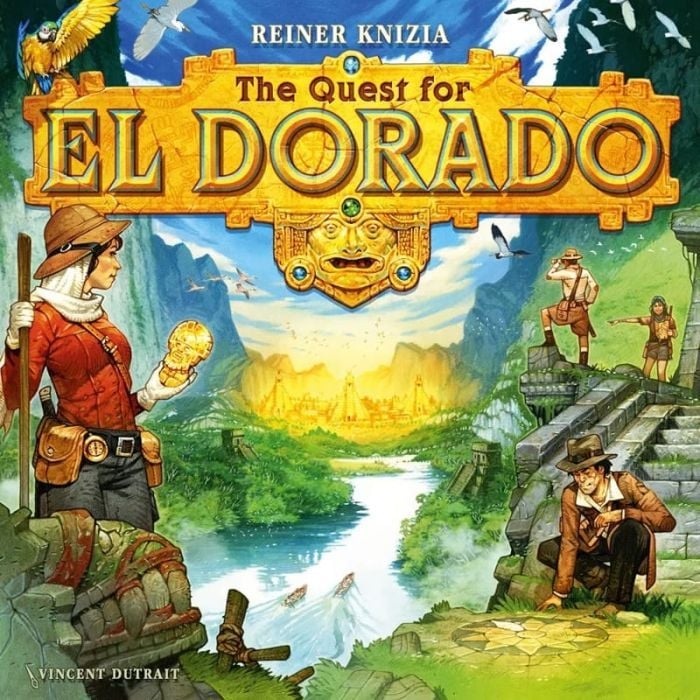
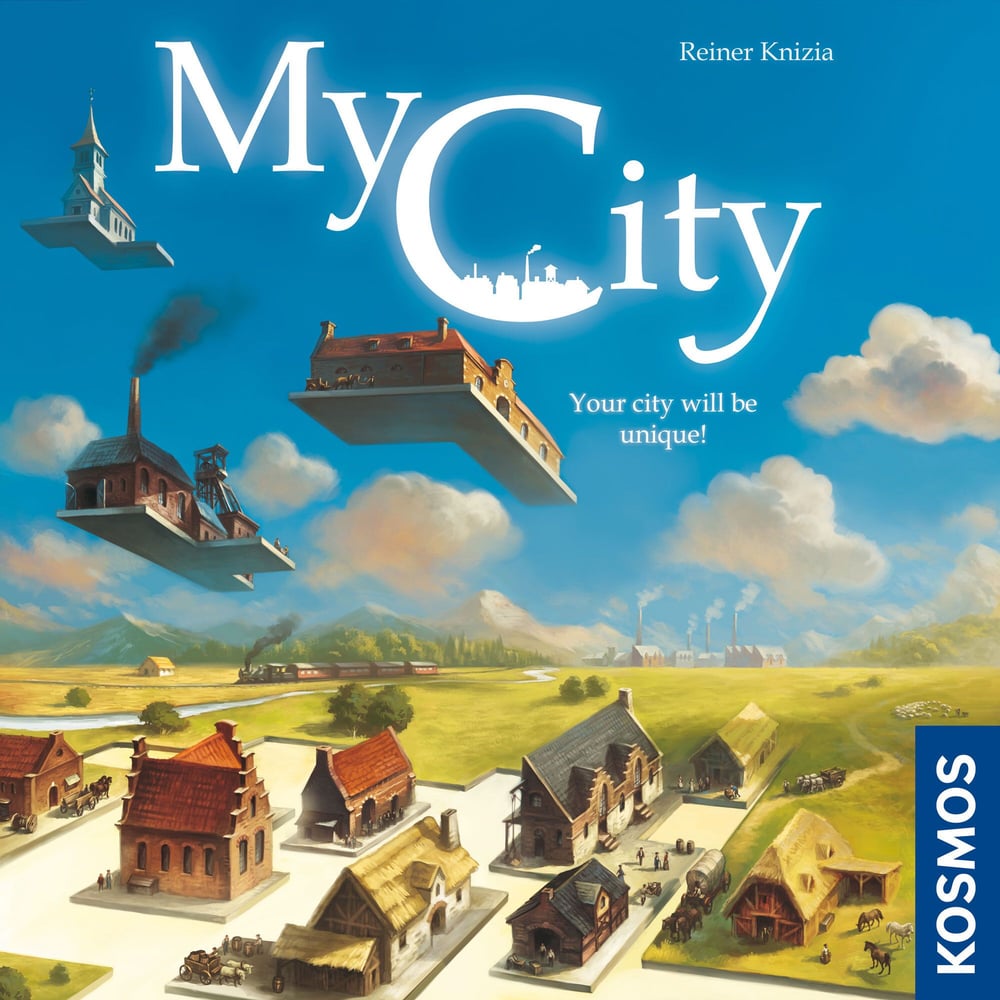
If you like it, try Ra, Rebirth, The Quest for El Dorado and My City, also by Reiner Knizia.
All videos


Creators who cover this

AmassGames
1 video of this game

Board Games With B7
1 video of this game

Doug Adams
1 video of this game

Heavy Cardboard
1 video of this game

NewVenture Games
1 video of this game

The Broken Seal
1 video of this game

Undiscovered Games
1 video of this game

給肥龍一盒桌遊
1 video of this game
Games like this

2017Reiner Knizia
- Videos
- 81
- Creators
- 61
Mainly reviews
2 - 4 players30 - 60 minLight weight
About Samurai
From BoardGameGeek:
Samurai is set in medieval Japan. Players compete to gain the favor of three factions: samurai, peasants, and priests, which are represented by helmet, rice paddy, and Buddha figures scattered about the board, which features the islands of Japan. The competition is waged through the use of hexagonal tiles, each of which help curry favor of one of the three factions - or all three at once! Players can make lightning-quick strikes with horseback ronin and ships or approach their conquests more methodically. As each figure (helmets, rice paddies, and Buddhas) is surrounded, it is awarded to the player who has gained the most favor with the corresponding group. Gameplay continues until all the symbols of one type have been removed from the board or four figures have been removed from play due to a tie for influence. At the end of the game, players compare captured symbols of each type, competing for majorities in each of the three types. Ties are not uncommon and are broken based on the number of other, "non-majority" symbols each player has collected. The game is part of what is sometimes called the Knizia tile-laying trilogy.
Designer
Reiner Knizia
Artists
Miguel Valenzuela Beltrán, Franz Vohwinkel, 徐昀享 (Xu Yunxiang), 李小娜 (LI Xiaona), 杨静雯 (Yang Jingwen), 谢有鑫 (Xie Youxin), 郭紫颖 (Guo Ziying), 陈杰 (Chen Jie)
Publisher
Fantasy Flight Games
Categories
Abstract StrategyMedieval
Mechanics