


































































2023Randy Flynn, Molly Johnson, Robert Melvin, Shawn Stankewich
- Videos
- 55
- Creators
- 43
Mostly unboxings and reviews
1 - 6 players30 - 45 minMedium weight
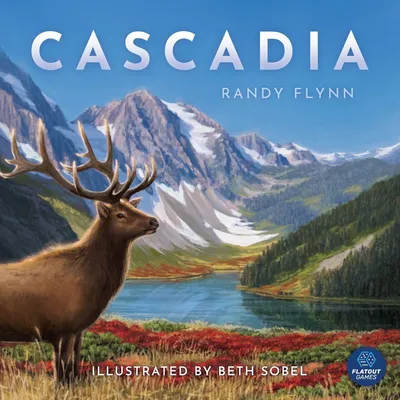
2021Randy Flynn
Mainly reviews and playthroughs. Cascadia is covered on BoardGameVideo.com by 121 reviews, 62 how-to-play guides, 72 recorded sessions, 46 unboxings, and 15 other videos.
From BoardGameGeek
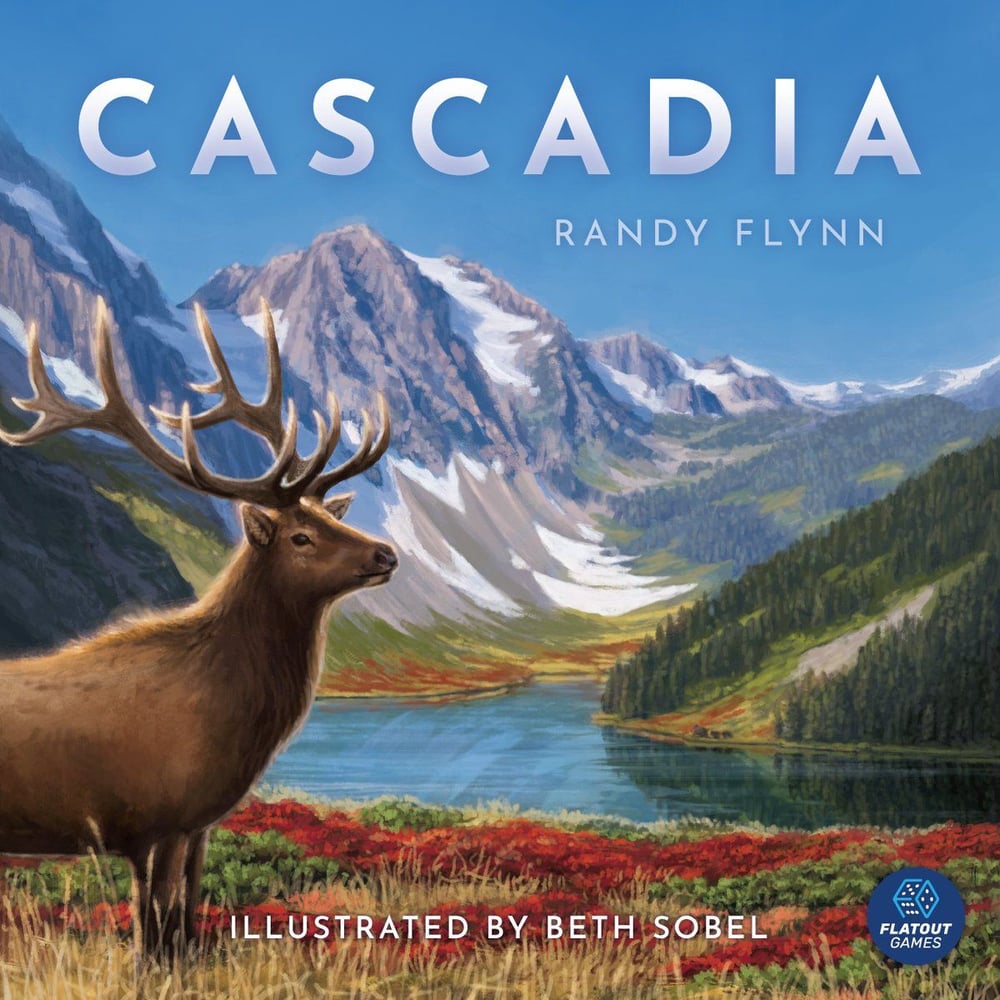
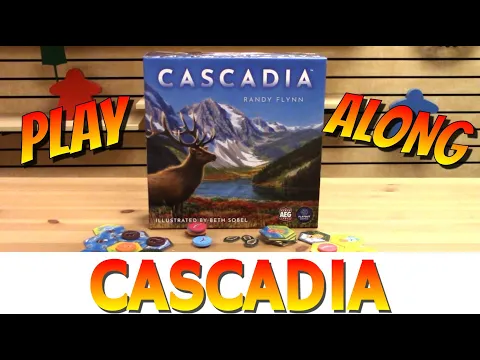
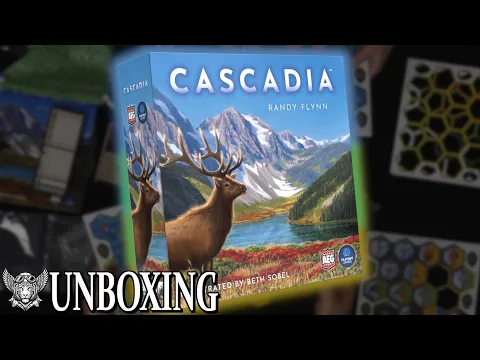
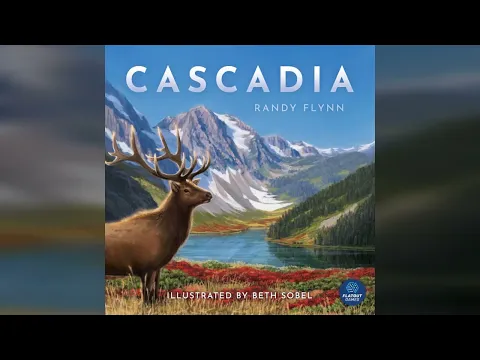
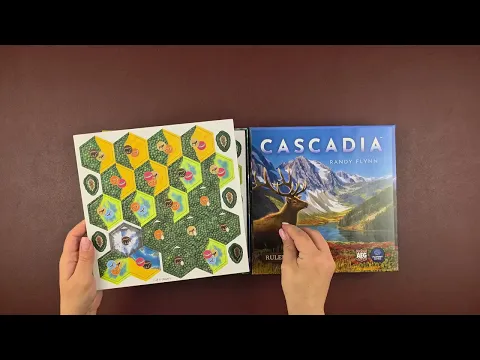
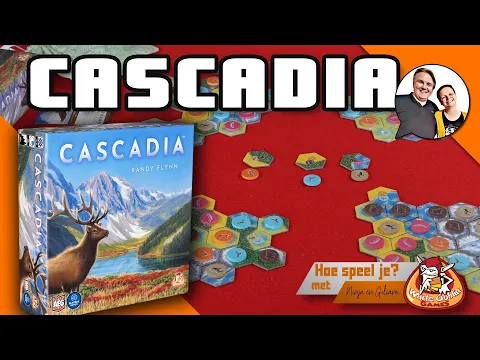
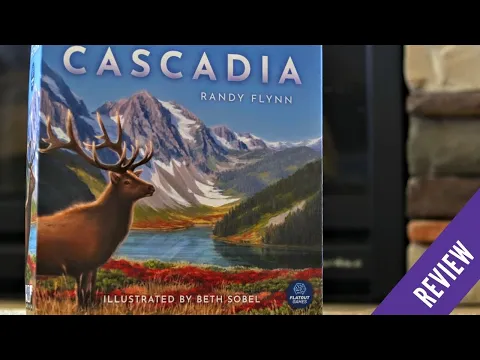
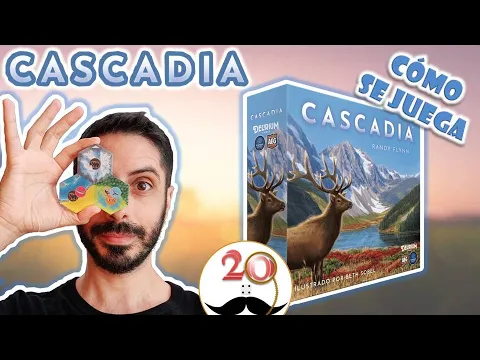
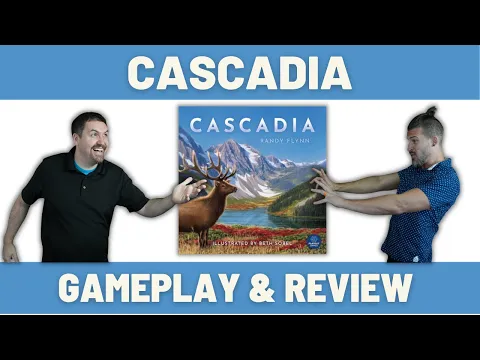
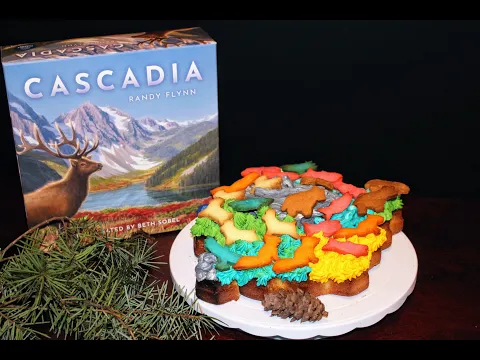
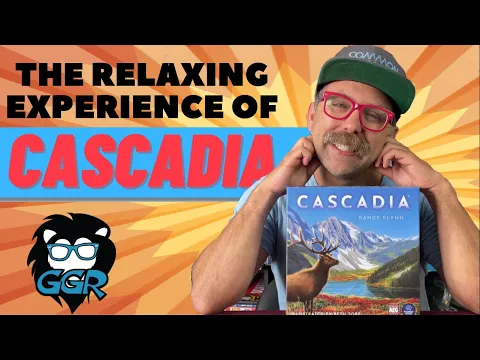
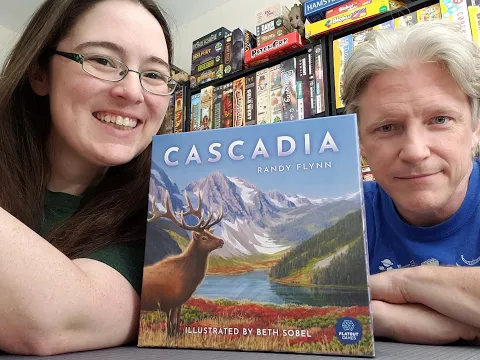
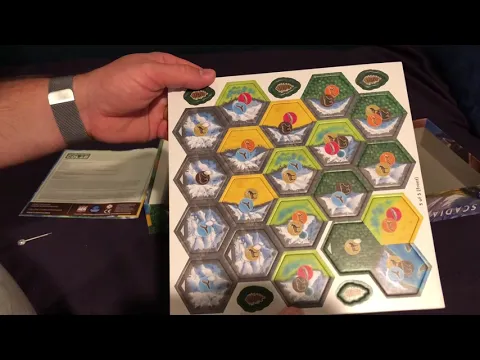
Cascadia is a puzzly tile-laying and token-drafting game featuring the habitats and wildlife of the Pacific Northwest. In the game, you take turns building out your own terrain area and populating it with wildlife. You start with three hexagonal habitat tiles (with the five types of habitat in the game), and on a turn you choose a new habitat tile that's paired with a wildlife token, then place that tile next to your other ones and place the wildlife token on an appropriate habitat. (Each tile depicts 1-3 types of wildlife from the five types in the game, and you can place at most one token on a habitat.) Four tiles are on display, with each tile being paired at random with a wildlife token, so you must make the best of what's available - unless you have a nature token to spend so that you can pick your choice of each item. Ideally you can place habitat tiles to create matching terrain that reduces fragmentation and creates wildlife corridors, mostly because you score for the largest area of each type of habitat at game's end, with a bonus if your group is larger than each other player's. At the same time, you want to place wildlife tokens so that you can maximize the number of points scored by them, with the wildlife goals being determined at random by one of the four scoring cards for each type of wildlife. Maybe hawks want to be separate from other hawks, while foxes want lots of different animals surrounding them and bears want to be in pairs. Can you make it happen?
Cascadia has 316 videos from 245 creators: 121 reviews, 62 how-to-play guides, 72 playthroughs, 46 unboxings and 15 other videos. They date from 2020 to September 2026.
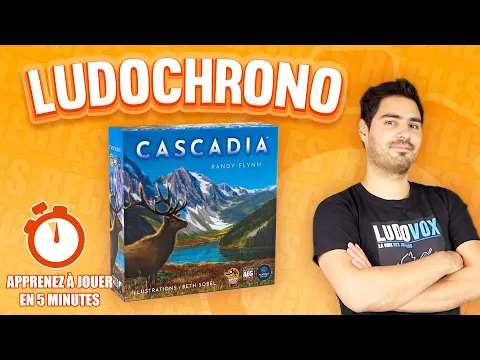
To learn the rules, start with "Cascadia Play-Along Tutorial" by BoardGameBarrister, which runs 11 min.
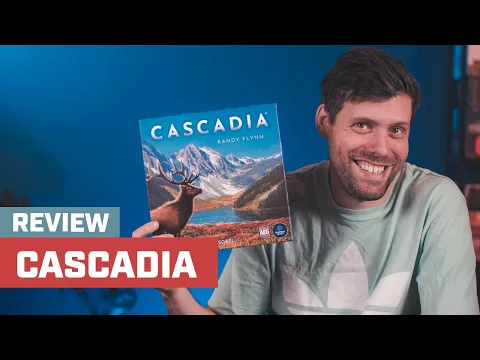
For an opinion before you buy, start with "Cascadia Review | The Beauty of Randomness" by All You Can Board. 114 creators have reviewed it. To see it played, watch "Cascadia scenario 14 - Solo Playthrough" by Crimsonboardgames, one of 72 playthroughs.
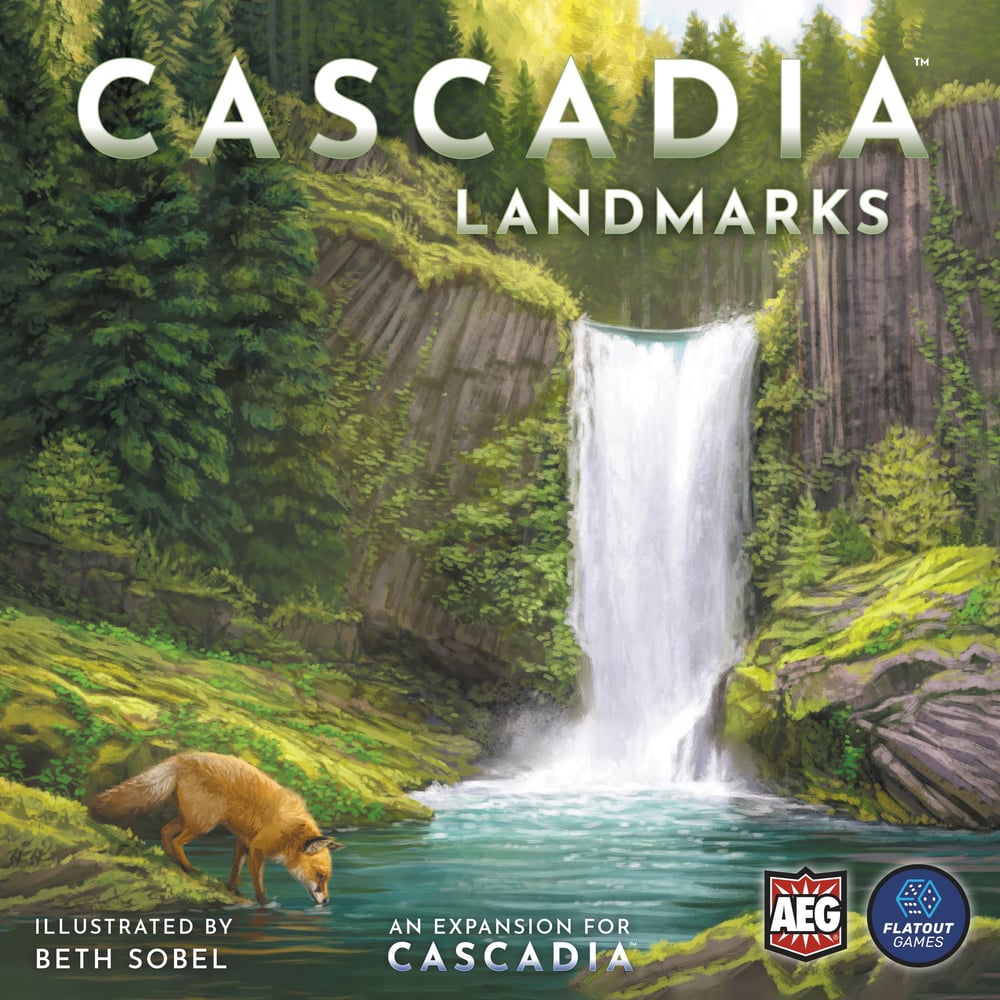
If you like it, try Cascadia: Landmarks, Cascadia: Alpine Lakes, Cascadia: Rolling Rivers and Cascadia: Rolling Hills, also by Randy Flynn. It appears in convention videos from Spiel Essen 2021.
8 of 245


2023Randy Flynn, Molly Johnson, Robert Melvin, Shawn Stankewich
1 - 6 players30 - 45 minMedium weight
2026Randy Flynn
1 - 4 players30 - 45 minMedium weight
2024Randy Flynn
1 - 4 players15 - 30 minMedium weight
2024Randy Flynn
1 - 4 players15 - 30 minMedium weight
From BoardGameGeek:
Cascadia is a puzzly tile-laying and token-drafting game featuring the habitats and wildlife of the Pacific Northwest. In the game, you take turns building out your own terrain area and populating it with wildlife. You start with three hexagonal habitat tiles (with the five types of habitat in the game), and on a turn you choose a new habitat tile that's paired with a wildlife token, then place that tile next to your other ones and place the wildlife token on an appropriate habitat. (Each tile depicts 1-3 types of wildlife from the five types in the game, and you can place at most one token on a habitat.) Four tiles are on display, with each tile being paired at random with a wildlife token, so you must make the best of what's available - unless you have a nature token to spend so that you can pick your choice of each item. Ideally you can place habitat tiles to create matching terrain that reduces fragmentation and creates wildlife corridors, mostly because you score for the largest area of each type of habitat at game's end, with a bonus if your group is larger than each other player's. At the same time, you want to place wildlife tokens so that you can maximize the number of points scored by them, with the wildlife goals being determined at random by one of the four scoring cards for each type of wildlife. Maybe hawks want to be separate from other hawks, while foxes want lots of different animals surrounding them and bears want to be in pairs. Can you make it happen?
Designer
Randy Flynn
Artists
Beth Sobel, Ferd Torres
Publisher
Flatout Games
Categories
Mechanics