

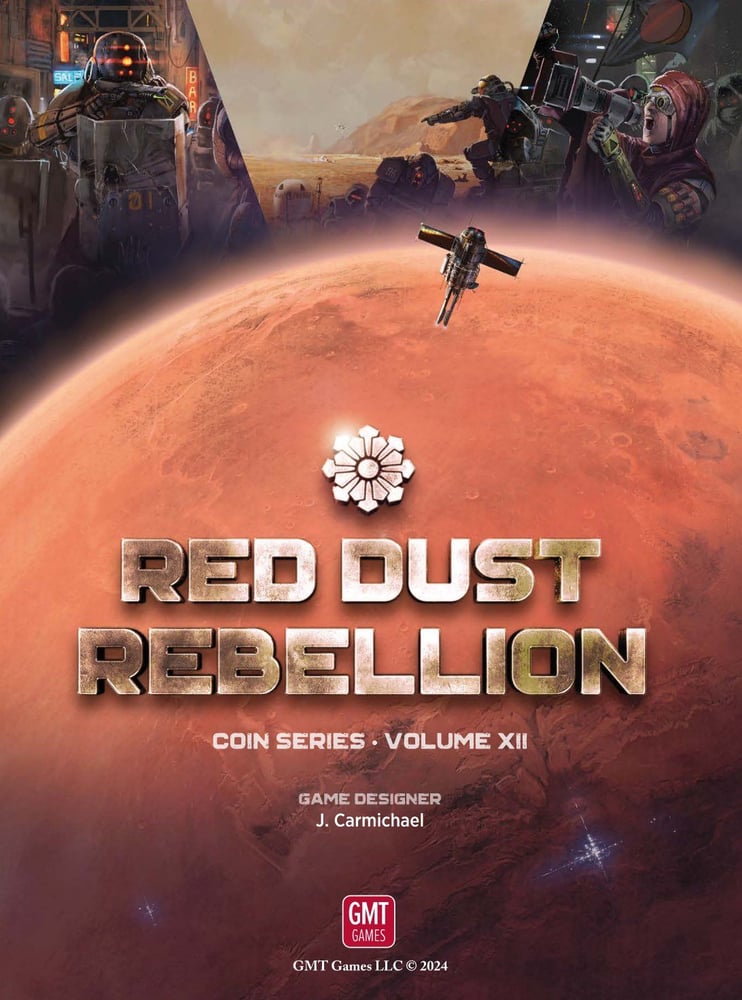
2024Jarrod Carmichael
- Videos
- 31
- Creators
- 17
Mainly how-to-play and unboxings
1 - 4 players120 - 240 minVery heavy weight
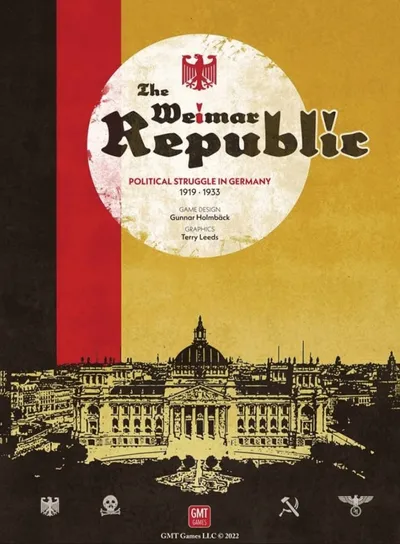
2026Gunnar Holmbäck
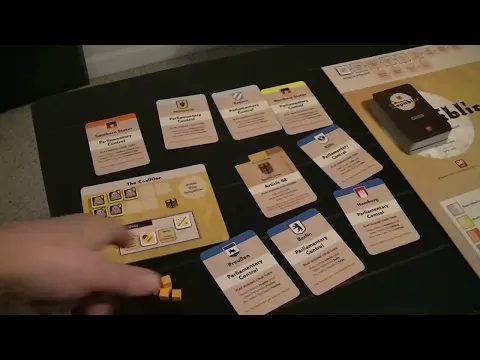
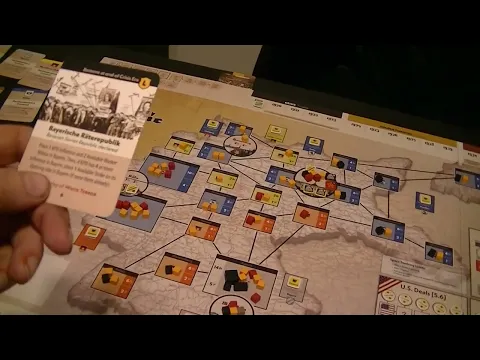
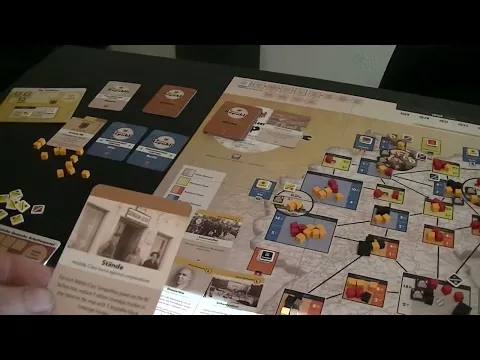
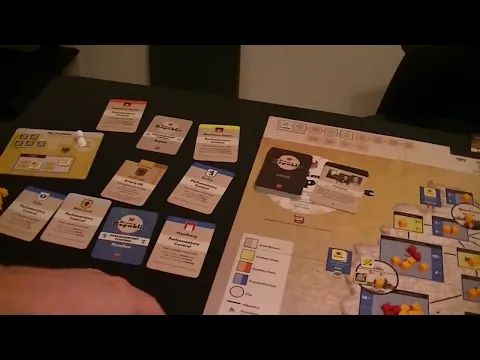
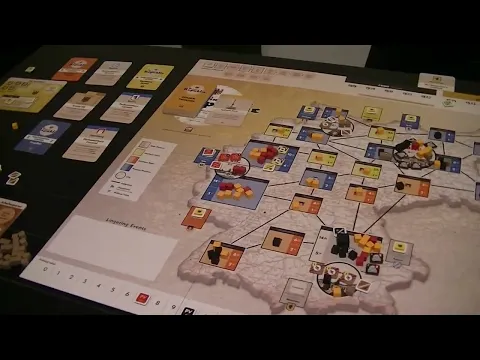
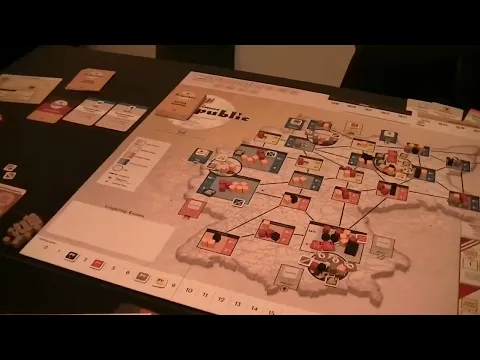
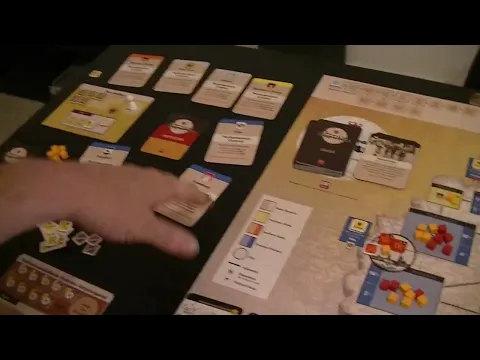
Mainly playthroughs. The Weimar Republic: Political Struggle in Germany, 1919-1933 is covered on BoardGameVideo.com by 1 reviews, 1 how-to-play guides, 6 recorded sessions, and 2 unboxings.
From BoardGameGeek
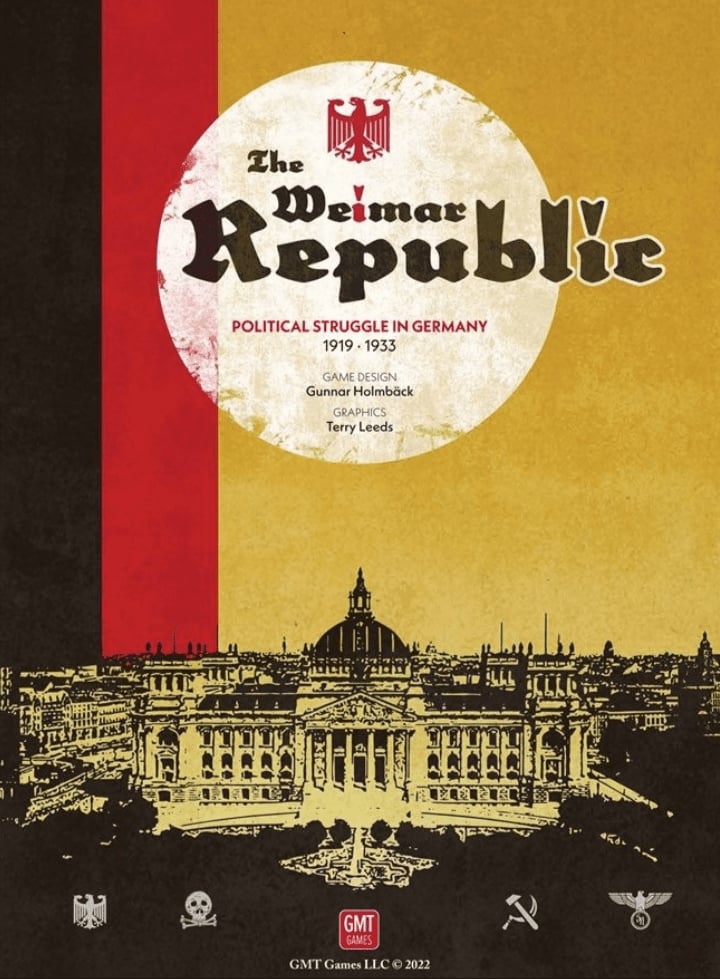
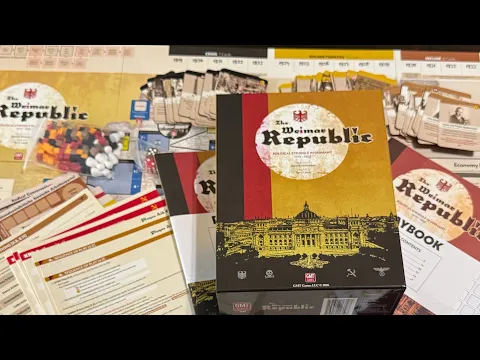
January 19, 1919. The Great War is over, the Kaiser has abdicated, and Germany is on its knees. After suffering a humiliating loss at the hands of the Allied nations, the former Great Power is now confronted not only with the death of millions of its citizens, but also with a severe economic crisis and a political turmoil that threatens to plunge the entire nation into civil war. The November Revolution of 1918 ushered in a new era of liberal democracy in a country traditionally ruled by noblemen warriors. The first democratic election has now been held, but democracy's enemies are numerous, and the future of the fledgling Republic appears grim. No one can tell whether the democratic Coalition will prevail or whether any of the extremist factions will rise out of the chaos and seize power. One thing is perfectly clear, however: the coming years will not be remembered for their peace and stability. The Weimar Republic is a Card Driven Game of political struggle in interwar Germany. Four factions compete for dominance: the democratic Coalition, the Soviet-backed Communist Party, Hitler's National Socialists, and the far-right Radical Conservatives. The game follows a timeline of 15 years (1919-1933) with two rounds in each year. During a round, players take turns using their faction-specific abilities to increase their influence in Germany's regions and major cities, to maneuver the political landscape of the Republic, and to dominate through a combination of propaganda, parliamentary elections, street violence, economic influence, and ideological zeal. Typical actions include agitation, reforms, recruitment and deployment of fighting men, strikes, uprisings, assassinations, and coups. General and regional elections are held at irregular intervals throughout the game, potentially shifting local power balances in sometimes radical ways. The timeline moves through three distinct eras, each with its own deck of event cards. There are also several special cards like Elections and Parliamentary Control Cards. Gameplay is fast-paced; initiative flows back and forth, and the direction of the game may change rapidly and unexpectedly. Although competition between the factions is fierce, some of the faction-specific mechanics overlap, and players can often take advantage of each other--including the making and unmaking of alliances. The Weimar Republic includes scenarios ranging in length from 3 to 8 hours and a special tutorial scenario that can be played by new players in only 90 minutes. Victory is absolute and generally achieved through “sudden death”; there is no final scoring or adding up of different objectives. Each faction can be replaced by a "bot" player, allowing 1-4 players to play with any combination of factions.
Learn to play
Watch it played
The Weimar Republic: Political Struggle in Germany, 1919-1933 has 10 videos from 3 creators: 1 review, 1 how-to-play guide, 6 playthroughs and 2 unboxings. They date from August to September 2026.
To learn the rules, start with "Weimar Republic intro" by calandale, which runs 3 h 19 min.
For an opinion before you buy, start with "Weimar Republic review" by calandale. To see it played, watch "Weimar Republic (errors) 19" by calandale, one of 6 playthroughs.
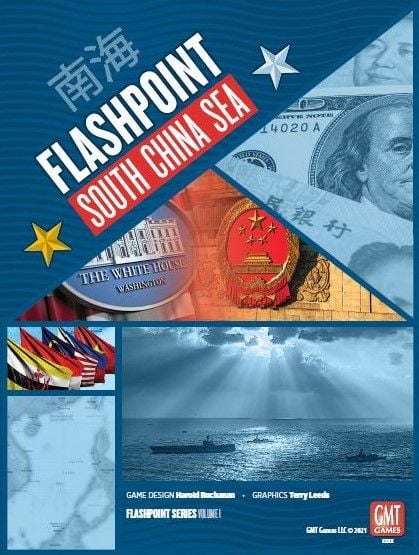
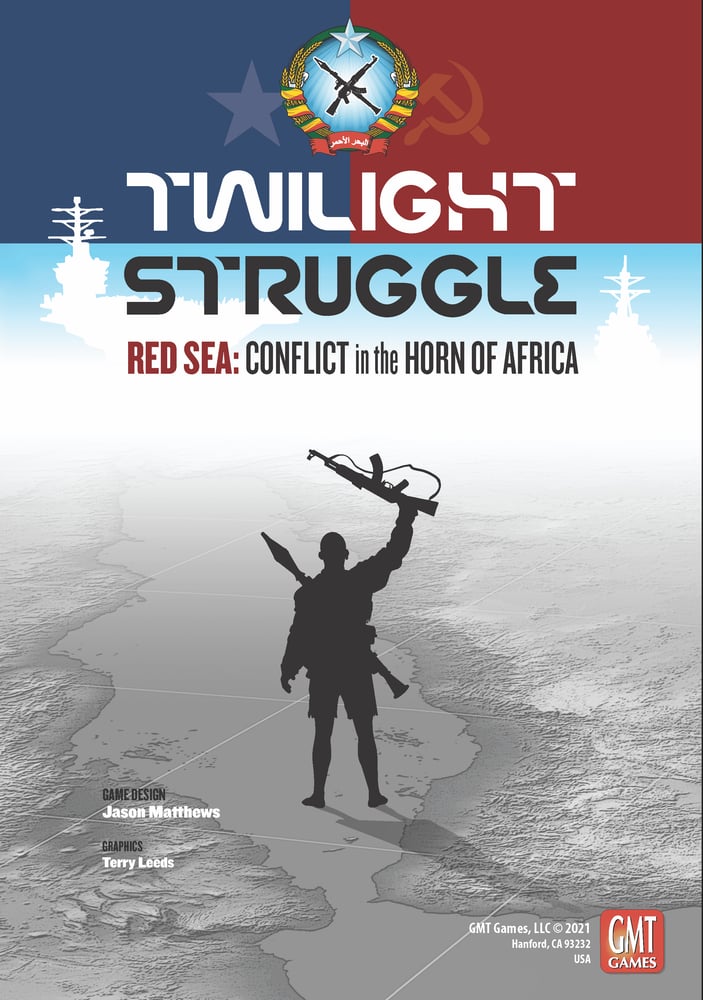
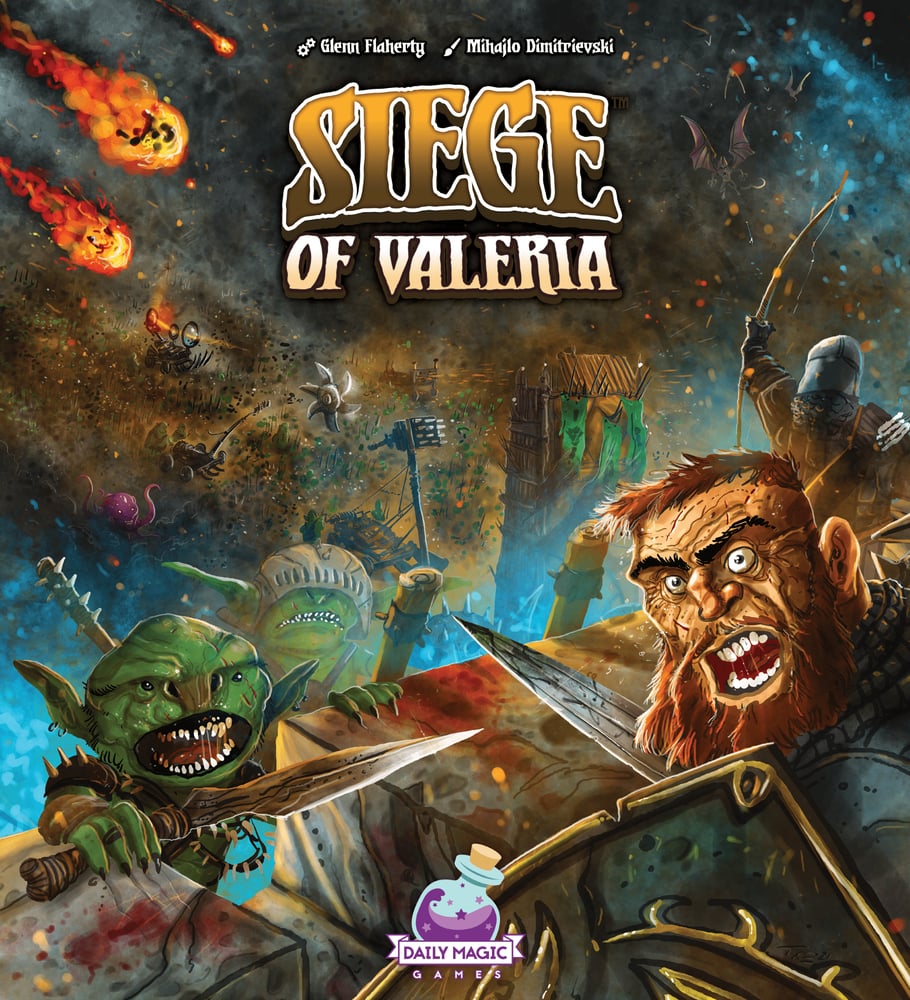
If you like it, try Red Dust Rebellion, Flashpoint: South China Sea, Twilight Struggle: Red Sea – Conflict in the Horn of Africa or Siege of Valeria, which share several of its mechanics.


2024Jarrod Carmichael
1 - 4 players120 - 240 minVery heavy weight
2022Harold Buchanan
1 - 2 players30 - 60 minMedium weight
2022Jason Matthews
1 - 2 players35 minHeavy weight
From BoardGameGeek:
January 19, 1919. The Great War is over, the Kaiser has abdicated, and Germany is on its knees. After suffering a humiliating loss at the hands of the Allied nations, the former Great Power is now confronted not only with the death of millions of its citizens, but also with a severe economic crisis and a political turmoil that threatens to plunge the entire nation into civil war. The November Revolution of 1918 ushered in a new era of liberal democracy in a country traditionally ruled by noblemen warriors. The first democratic election has now been held, but democracy's enemies are numerous, and the future of the fledgling Republic appears grim. No one can tell whether the democratic Coalition will prevail or whether any of the extremist factions will rise out of the chaos and seize power. One thing is perfectly clear, however: the coming years will not be remembered for their peace and stability. The Weimar Republic is a Card Driven Game of political struggle in interwar Germany. Four factions compete for dominance: the democratic Coalition, the Soviet-backed Communist Party, Hitler's National Socialists, and the far-right Radical Conservatives. The game follows a timeline of 15 years (1919-1933) with two rounds in each year. During a round, players take turns using their faction-specific abilities to increase their influence in Germany's regions and major cities, to maneuver the political landscape of the Republic, and to dominate through a combination of propaganda, parliamentary elections, street violence, economic influence, and ideological zeal. Typical actions include agitation, reforms, recruitment and deployment of fighting men, strikes, uprisings, assassinations, and coups. General and regional elections are held at irregular intervals throughout the game, potentially shifting local power balances in sometimes radical ways. The timeline moves through three distinct eras, each with its own deck of event cards. There are also several special cards like Elections and Parliamentary Control Cards. Gameplay is fast-paced; initiative flows back and forth, and the direction of the game may change rapidly and unexpectedly. Although competition between the factions is fierce, some of the faction-specific mechanics overlap, and players can often take advantage of each other--including the making and unmaking of alliances. The Weimar Republic includes scenarios ranging in length from 3 to 8 hours and a special tutorial scenario that can be played by new players in only 90 minutes. Victory is absolute and generally achieved through “sudden death”; there is no final scoring or adding up of different objectives. Each faction can be replaced by a "bot" player, allowing 1-4 players to play with any combination of factions.