

2021Richard H. Berg, Mark Simonitch
- Videos
- 29
- Creators
- 19
Mostly how-to-play and unboxings
2 - 5 players300 minVery heavy weight

2019
From BoardGameGeek
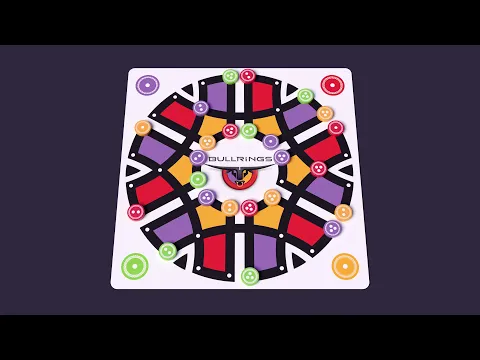
Bullrings has a different approach and feel in the way that a game is played. Your opponent places your six pieces on the board in any configuration they want. Each piece is placed on a white dot. Your task is to reunite your pieces into one stack. The first one to do so wins. Players start out with six numbered pieces; one (1), two (2), and three (3). The numbers on the pieces indicate the number of spaces (dots) a piece can travel. Pieces can pass over their own or their opponent's pieces, but cannot land on a dot occupied by an opponent, only their own. When a player lands on their own piece it is combined into a stack with the top piece number representing the number of moves that stack can travel. Players can have multiple stacks that they create as they are striving for their single stack. This simple and easy to learn game will surprise you on how fun it is to discover the complexity of moves and strategies that will keep this game fresh and challenging. -description from the publisher
Learn to play
Bullrings has 2 videos from 2 creators: 1 review and 1 how-to-play guide. They date from 2024 to February 2026.
To learn the rules, start with "How to Play Bullrings" by Binary Cocoa, which runs 2 min.
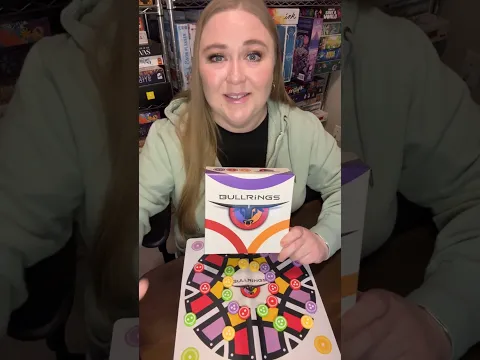
For an opinion before you buy, start with "Bullrings" by Jamie, Tabletoptiktok.
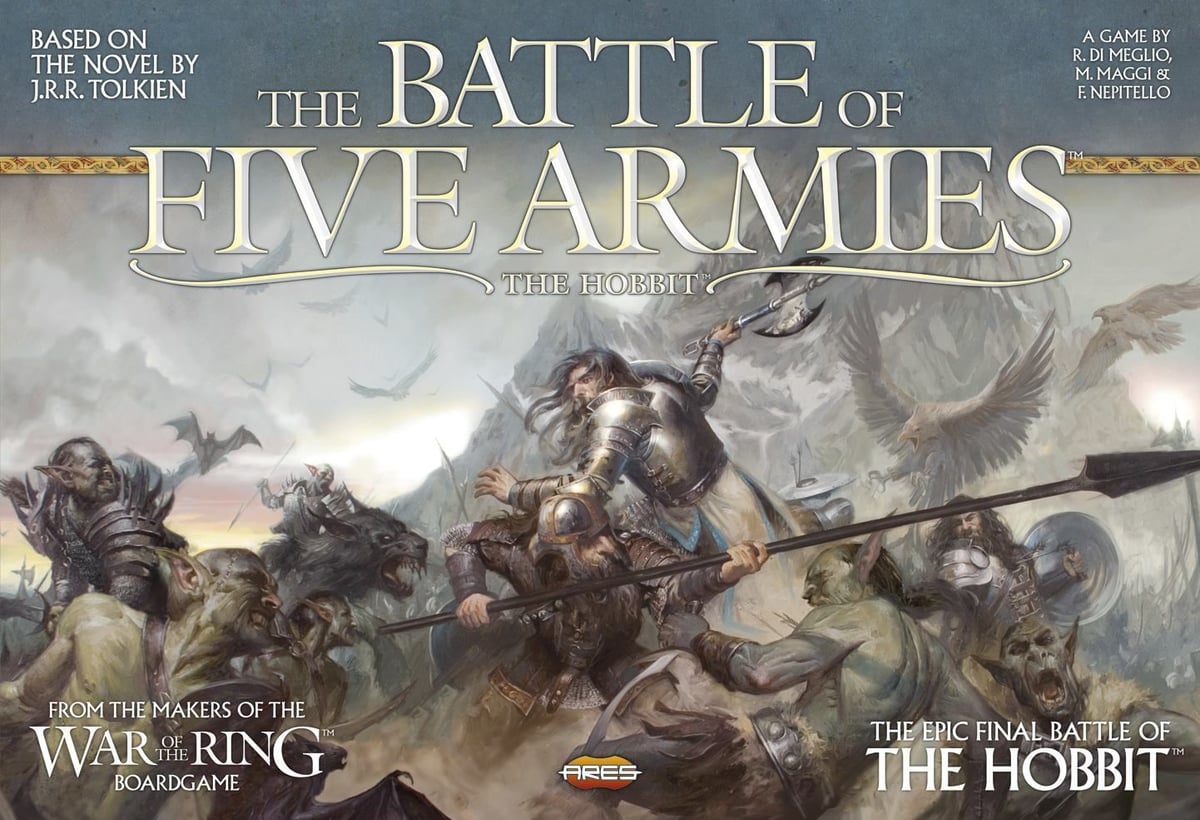
If you like it, try Successors (Fourth Edition), Speakeasy, Panamax or The Battle of Five Armies, which share several of its mechanics.


2021Richard H. Berg, Mark Simonitch
2 - 5 players300 minVery heavy weight
2025Vital Lacerda
1 - 4 players50 - 180 minVery heavy weight
2014Gil d'Orey, Nuno Bizarro Sentieiro, Paulo Soledade
2 - 4 players90 - 120 minHeavy weight
2014Roberto Di Meglio, Marco Maggi, Francesco Nepitello
2 players90 - 240 minHeavy weight
From BoardGameGeek:
Bullrings has a different approach and feel in the way that a game is played. Your opponent places your six pieces on the board in any configuration they want. Each piece is placed on a white dot. Your task is to reunite your pieces into one stack. The first one to do so wins. Players start out with six numbered pieces; one (1), two (2), and three (3). The numbers on the pieces indicate the number of spaces (dots) a piece can travel. Pieces can pass over their own or their opponent's pieces, but cannot land on a dot occupied by an opponent, only their own. When a player lands on their own piece it is combined into a stack with the top piece number representing the number of moves that stack can travel. Players can have multiple stacks that they create as they are striving for their single stack. This simple and easy to learn game will surprise you on how fun it is to discover the complexity of moves and strategies that will keep this game fresh and challenging. -description from the publisher