


















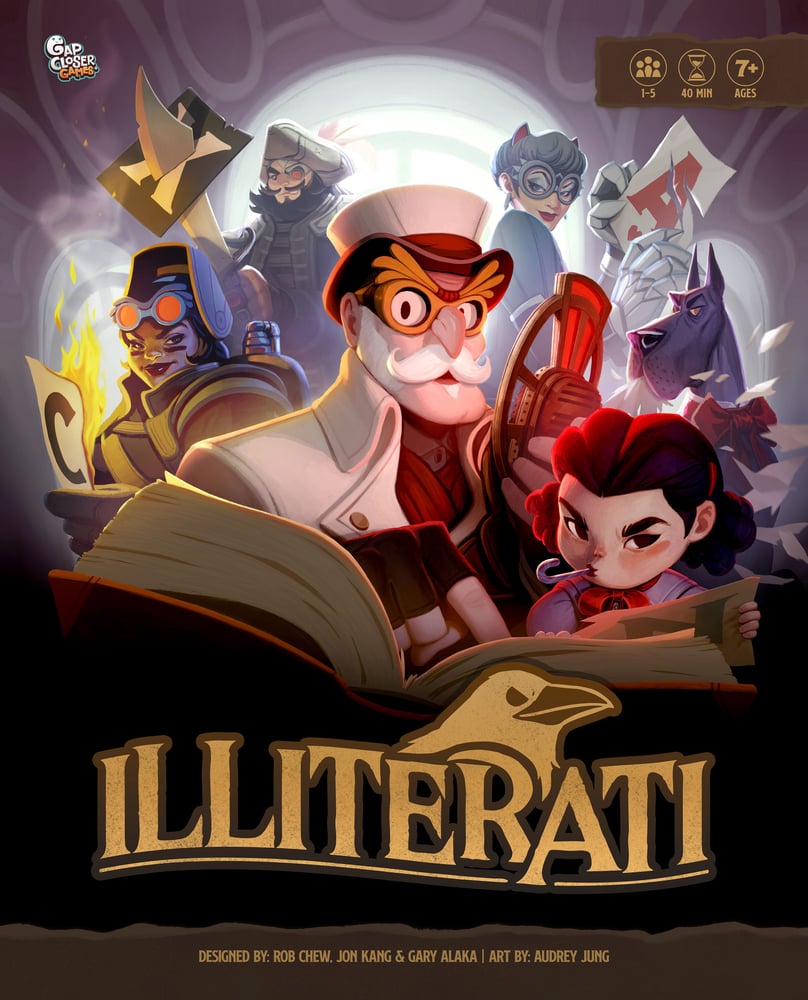
2023Gary Alaka, Rob Chew, Jon Kang
- Videos
- 42
- Creators
- 35
Mainly reviews
1 - 5 players30 minMedium weight
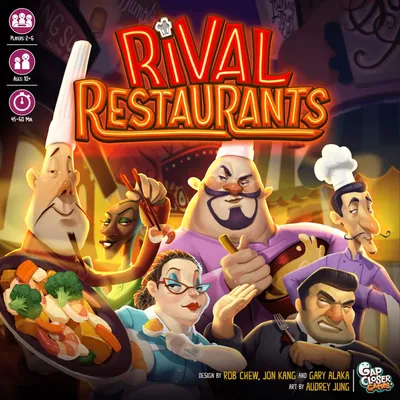
2019Gary Alaka, Rob Chew, Jon Kang
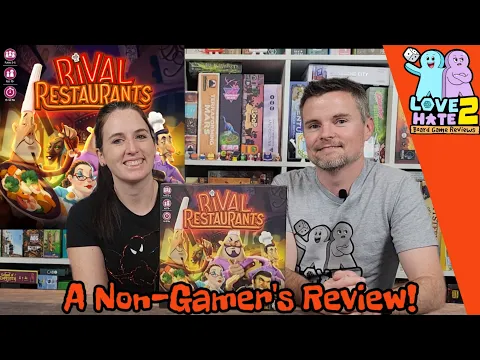
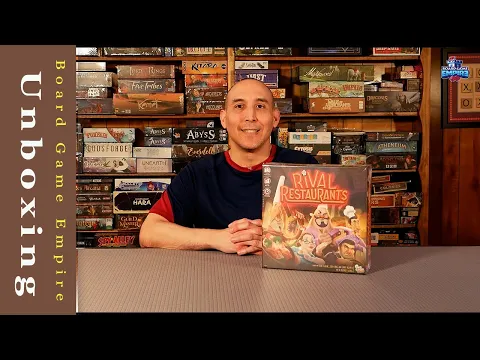
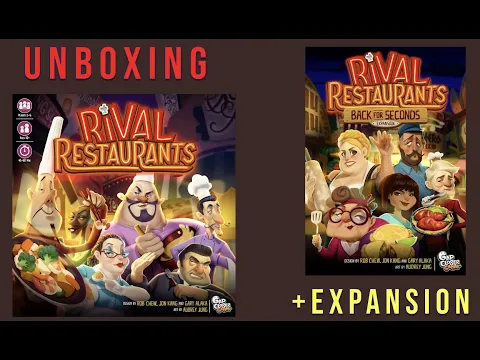
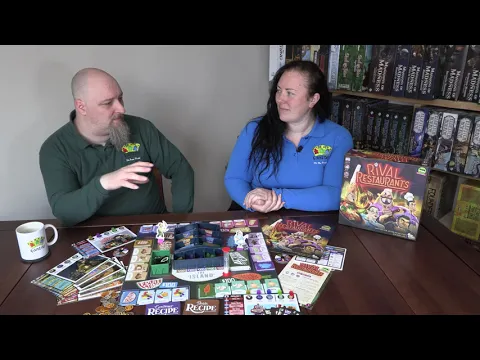
Mostly reviews and how-to-play. Rival Restaurants is covered on BoardGameVideo.com by 12 reviews, 7 how-to-play guides, 3 recorded sessions, 4 unboxings, and 1 other video.
From BoardGameGeek
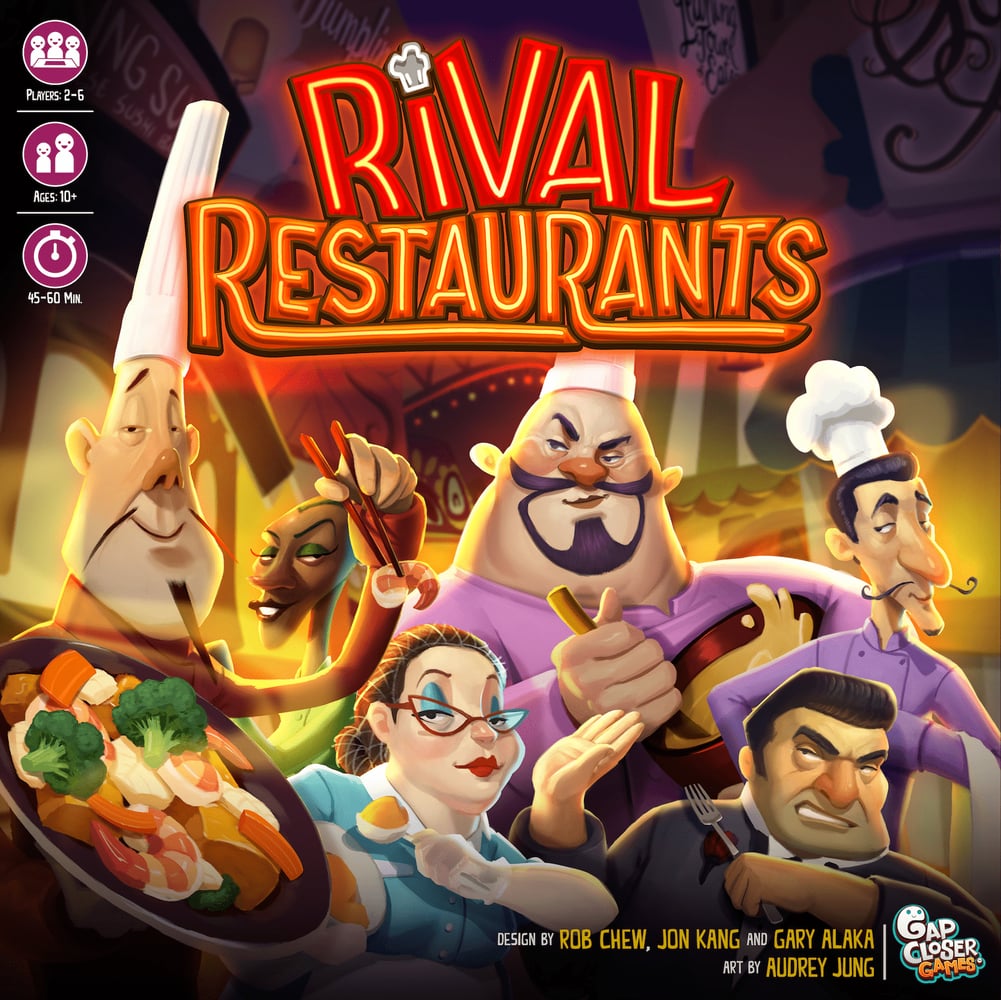
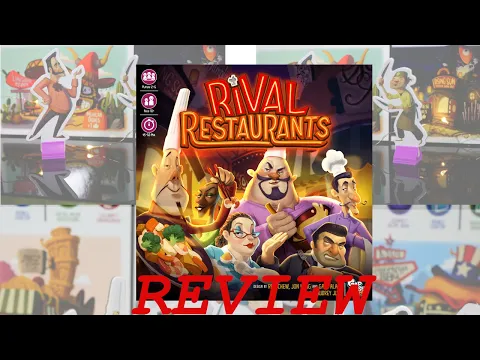
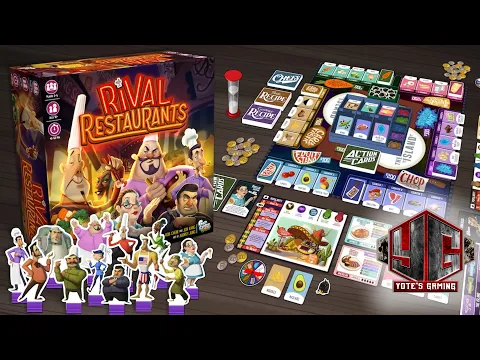
Your goal in Rival Restaurants is to be the first restaurant to get 20 popularity points and be crowned "The Wiener!" Players earn popularity points by buying and trading for ingredients and using them to "cook" (complete) recipes. The more advanced the recipe, the more points it's worth. Each day, players move through three phases: 1. MONEY and MOVE: Players collect their income for the day and decide where they want to move. Turn economy is crucial as players are not permitted to move for the rest of the day once their location has been chosen. 2) BUY and BARTER: Players have one minute to buy as much as they want but only from the location they're in. Players can also barter/trade with anyone in the game, not just the people in their location. 3) COOK and COUNTER. Any player who has all the ingredients required for their recipe can cook it and collect popularity points. In addition, each player controls a chef equipped with their own "chef power". Chef powers are asymmetrical and allow players to bend the rules in their favor. The base game of Rival Restaurants has twelve chefs, and additionally, at the beginning of the game, each player must choose a restaurant to play, with each restaurant having a unique level-up structure with rewards for reaching 3, 7, and 12 popularity points. Lastly, players can also choose to buy "action cards", that is, development cards that are typically for one-time use.
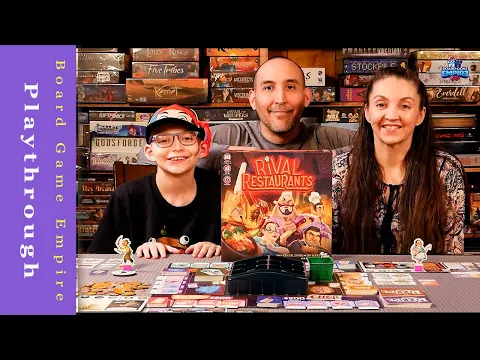
Rival Restaurants has 27 videos from 24 creators: 12 reviews, 7 how-to-play guides, 3 playthroughs, 4 unboxings and 1 other video. They date from 2018 to May 2022.
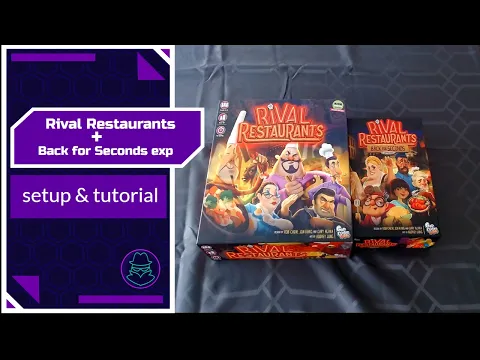
To learn the rules, start with "Rival Restaurants "How To Play" Instructional Video" by Gap Closer Games, which runs 6 min.
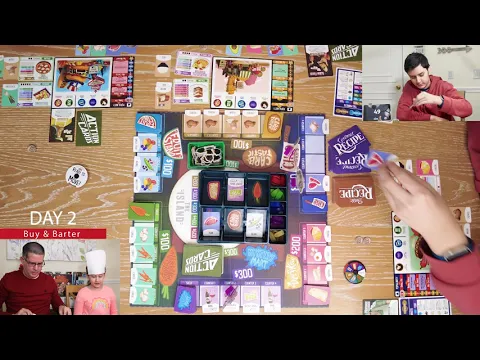
For an opinion before you buy, start with "Rival Restaurants Review - with Tom Vasel" by The Dice Tower. 12 creators have reviewed it. To see it played, watch "Rival Restaurants - Playthrough" by The Board Dad, one of 3 playthroughs.
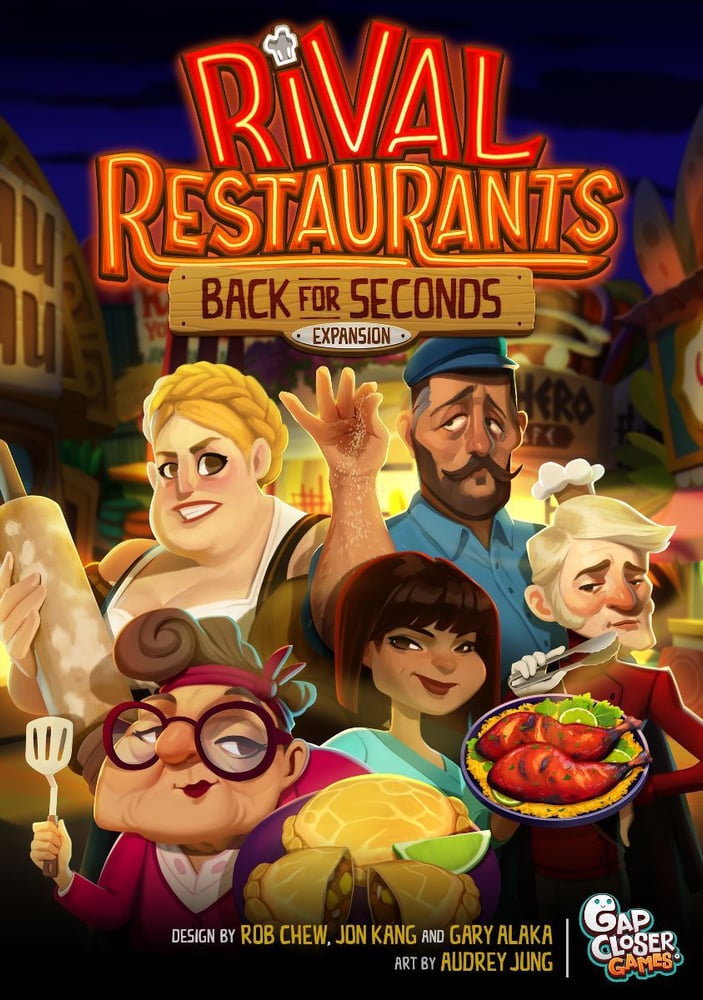
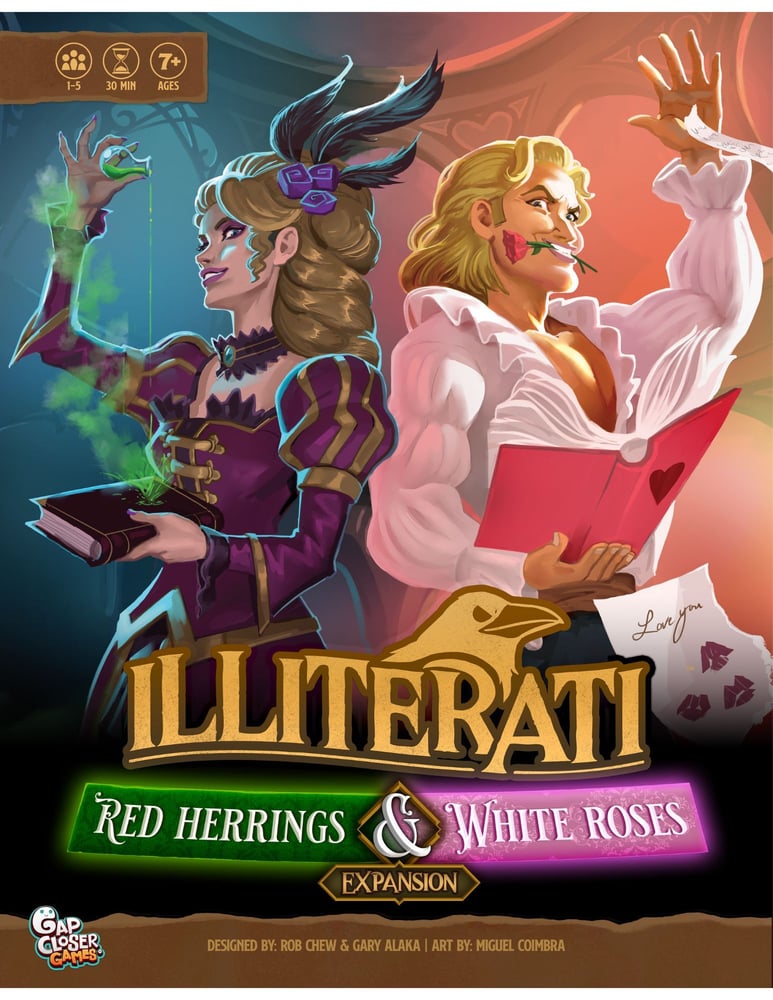
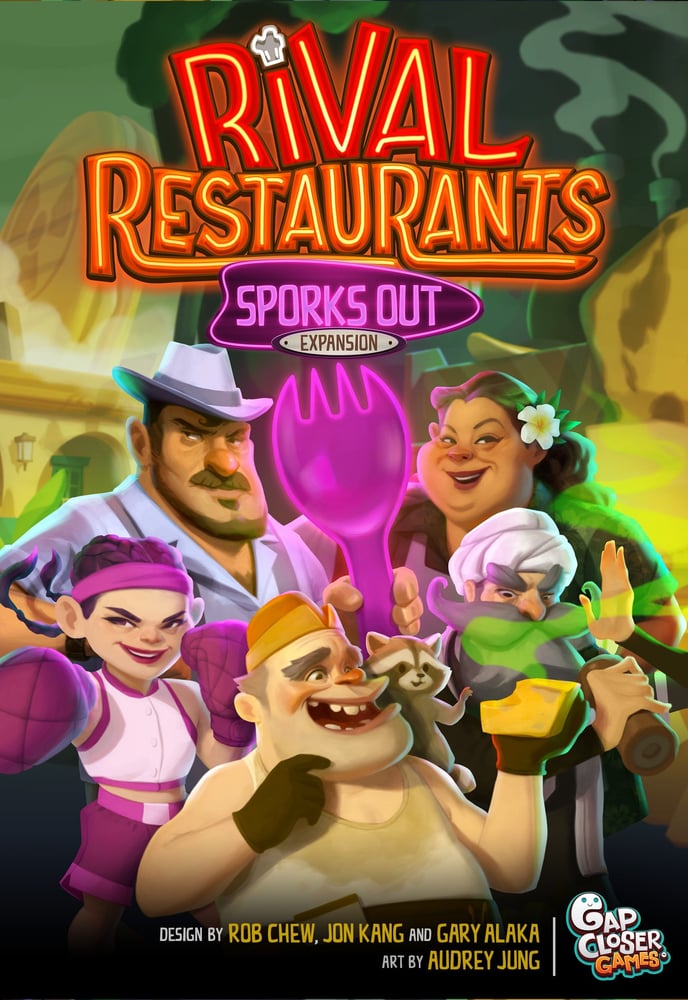
If you like it, try Illiterati, Rival Restaurants: Back for Seconds, Illiterati: Red Herrings and White Roses and Rival Restaurants: SPORKS Out, also by Gary Alaka.
8 of 24


2023Gary Alaka, Rob Chew, Jon Kang
1 - 5 players30 minMedium weight
2020Gary Alaka, Rob Chew, Jon Kang
2 - 6 players45 - 60 minMedium weight
2026Gary Alaka, Rob Chew
1 - 5 players30 min
2025Gary Alaka, Rob Chew, Jon Kang
2 - 6 players45 - 60 min
From BoardGameGeek:
Your goal in Rival Restaurants is to be the first restaurant to get 20 popularity points and be crowned "The Wiener!" Players earn popularity points by buying and trading for ingredients and using them to "cook" (complete) recipes. The more advanced the recipe, the more points it's worth. Each day, players move through three phases: 1. MONEY and MOVE: Players collect their income for the day and decide where they want to move. Turn economy is crucial as players are not permitted to move for the rest of the day once their location has been chosen. 2) BUY and BARTER: Players have one minute to buy as much as they want but only from the location they're in. Players can also barter/trade with anyone in the game, not just the people in their location. 3) COOK and COUNTER. Any player who has all the ingredients required for their recipe can cook it and collect popularity points. In addition, each player controls a chef equipped with their own "chef power". Chef powers are asymmetrical and allow players to bend the rules in their favor. The base game of Rival Restaurants has twelve chefs, and additionally, at the beginning of the game, each player must choose a restaurant to play, with each restaurant having a unique level-up structure with rewards for reaching 3, 7, and 12 popularity points. Lastly, players can also choose to buy "action cards", that is, development cards that are typically for one-time use.
Designers
Gary Alaka, Rob Chew, Jon Kang
Artist
Audrey Jung
Publisher
Gap Closer Games
Categories
Mechanics