Gùgōng
2018Andreas Steding
- Videos
- 58
- Creators
- 49
Mainly reviews. Gùgōng is covered on BoardGameVideo.com by 31 reviews, 11 how-to-play guides, 7 recorded sessions, 6 unboxings, and 3 other videos.
1 - 5 players
60 - 90 min
Heavy weight: Expect a long teach
From BoardGameGeek
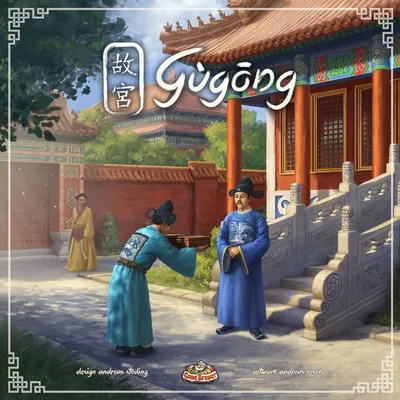
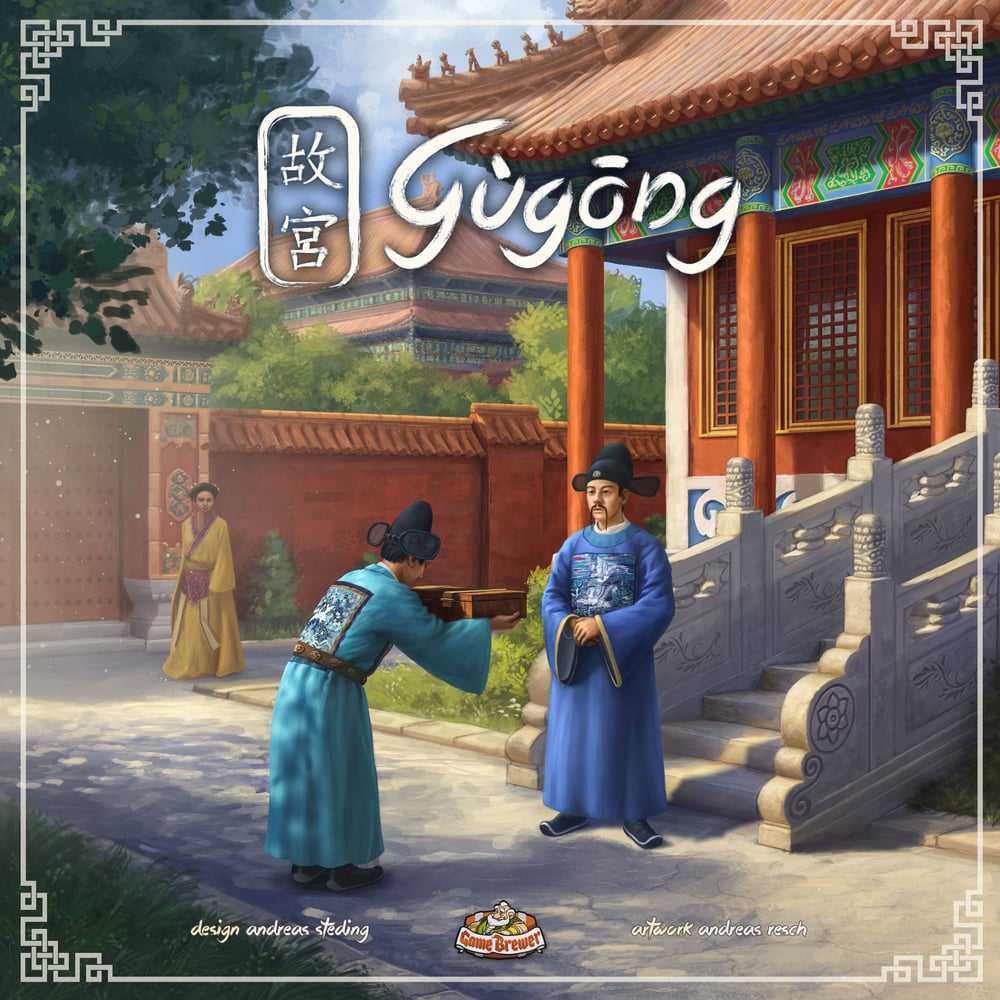
China, 1570. China is under the reign of the Longqing Emperor, of the Ming Dynasty. He inherited a country in disarray after years of mismanagement and corruption. He resided in the Forbidden city, which was the seat of many emperors under the Ming Dynasty. Constructed from 1406 to 1420, the complex consists of 980 buildings and covers 72 ha (over 180 acres). It is also under the Ming Dynasty that the Great Wall of China was rebuilt, fortified, and expanded. Around this period, China was under heavy attack from the Mongols, so maintaining the Great Wall was essential. Most of what we now have left of the Great Wall, we owe to the Ming dynasty. The country was already famous for its very intricate bureaucracy, but this also led to a lot of corruption. Even though the penalties for corruption were very high, the highest Officials of the Forbidden City would pretend to uphold the ban on corruption, by accepting gifts of petitioners, and returning one of seemingly lower value. Gùgōng uses this extraordinary custom as its basis. Players take on the role of powerful Chinese families trying to gain influence and power by exchanging gifts with Officials. The gift cards you offer as a player have to be of a higher value than the one you receive, forcing you to make strategic choices regarding which actions you want to take each turn. You will travel around China, sail down the Grand Canal, purchase precious jade, help construct the Great Wall, secure advantages through decrees, influence the game through intrigue, and ultimately, receive an audience with the emperor. If only 1 player succeeds in doing so, he wins. If several players succeed, the player with the most VPs among those players wins the game. -description from the publisher
Watch first


Which Gùgōng video should I watch?
Gùgōng has 58 videos from 49 creators: 31 reviews, 11 how-to-play guides, 7 playthroughs, 6 unboxings and 3 other videos. They date from 2018 to March 2025.
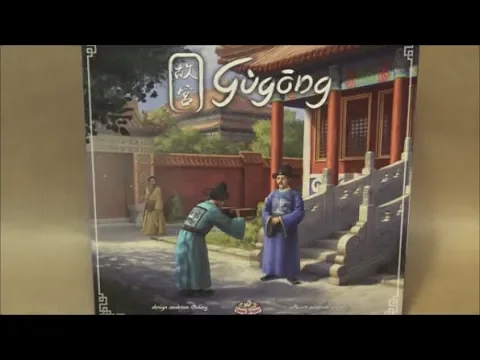
To learn the rules, start with "Game in a Nutshell - Gugong (how to play)" by Nithrania - Game in a Nutshell, which runs 26 min. For a quicker teach, "Pit Stop: Gugong" by The Game Pit (The Game Pit) runs 6 min.
For an opinion before you buy, start with "Gùgōng Review - with Tom Vasel" by The Dice Tower. 27 creators have reviewed it. To see it played, watch "Gùgōng (The Forbidden City) 4p Play-through, Teaching, & Roundtable discussion by Heavy Cardboard" by Heavy Cardboard, one of 7 playthroughs.
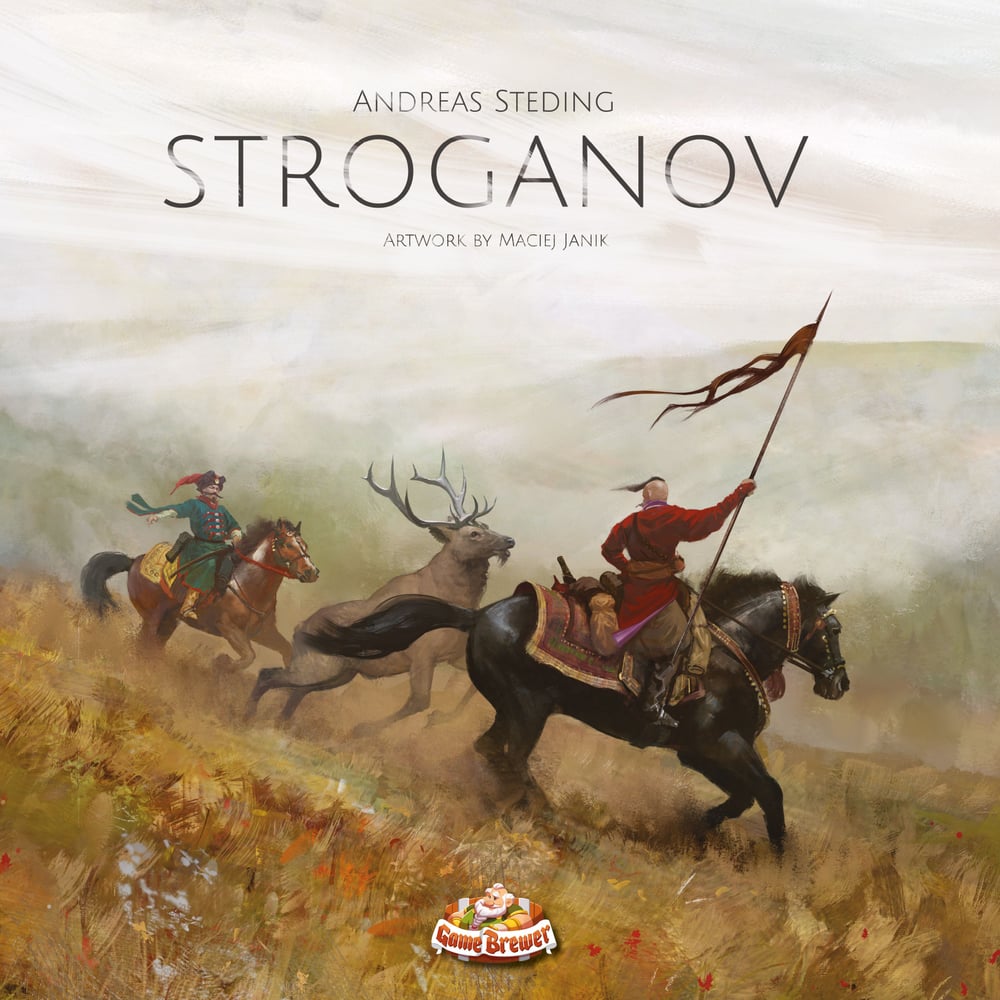
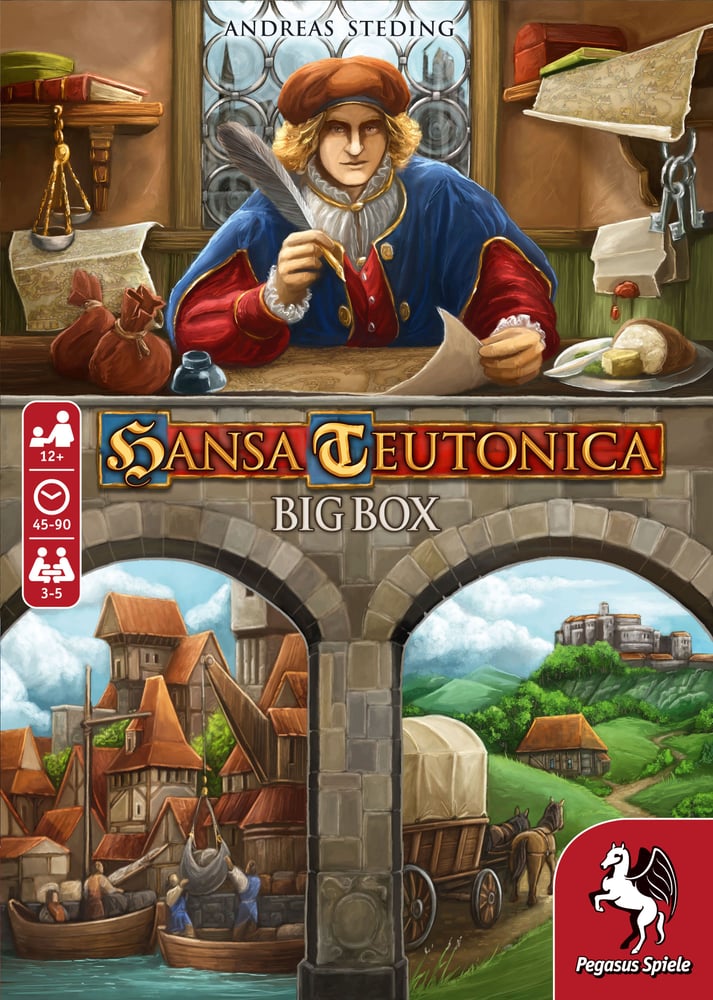
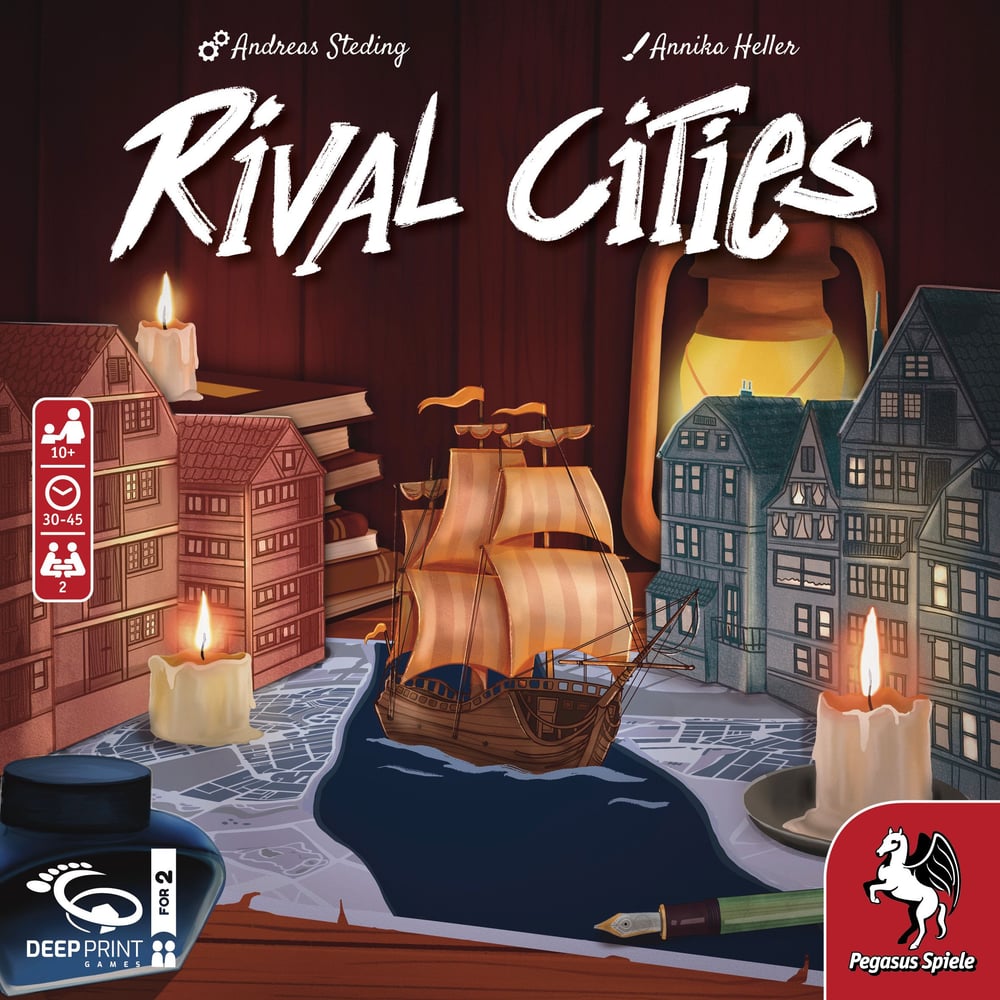
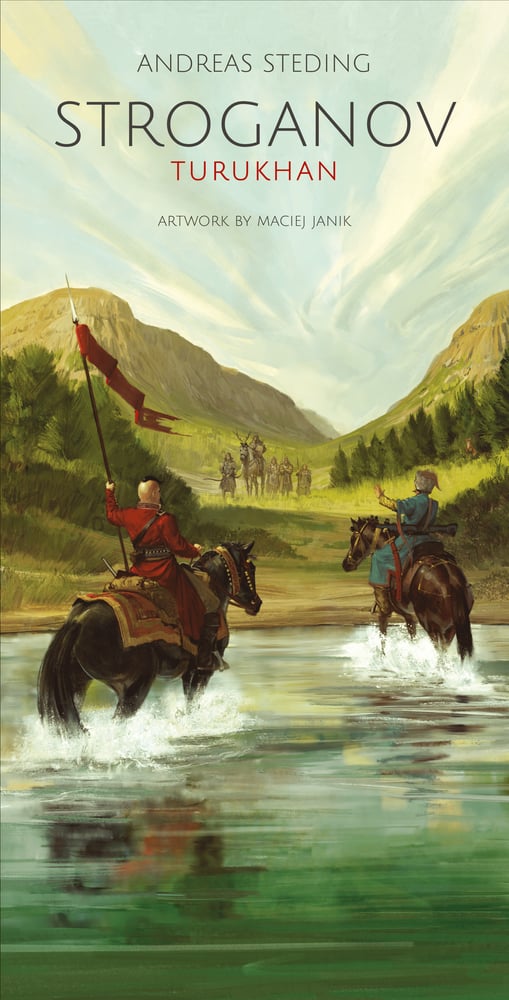
If you like it, try Stroganov, Hansa Teutonica: Big Box, Rival Cities and Stroganov: Turukhan, also by Andreas Steding.
All videos










































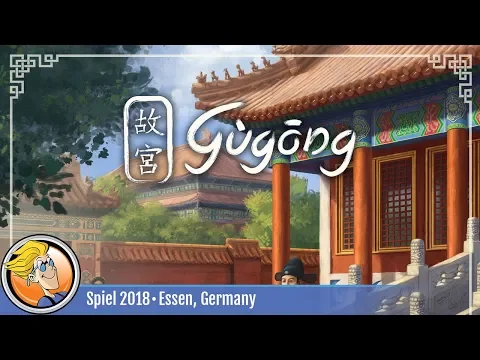
8 of 49
Creators who cover this

Nerds of the West
3 videos of this game

Brettspielblog - Die besten Brettspiele im Test
2 videos of this game

Family Meeple
2 videos of this game

Meeple University
2 videos of this game

The Dice Tower
2 videos of this game

Tom Teaches
2 videos of this game

Ant Lab Games
1 video of this game

BoardGameGeek
1 video of this game
Games like this
2020Andreas Steding
- Videos
- 46
- Creators
- 33
Mainly reviews and how-to-play
3 - 5 players45 - 90 minMedium weight
2025Andreas Steding
- Videos
- 25
- Creators
- 24
Mostly reviews and how-to-play
2 players30 - 45 minMedium weight
2024Andreas Steding
- Videos
- 6
- Creators
- 5
Mostly reviews and how-to-play
1 - 4 players60 - 120 minHeavy weight
About Gùgōng
From BoardGameGeek:
China, 1570. China is under the reign of the Longqing Emperor, of the Ming Dynasty. He inherited a country in disarray after years of mismanagement and corruption. He resided in the Forbidden city, which was the seat of many emperors under the Ming Dynasty. Constructed from 1406 to 1420, the complex consists of 980 buildings and covers 72 ha (over 180 acres). It is also under the Ming Dynasty that the Great Wall of China was rebuilt, fortified, and expanded. Around this period, China was under heavy attack from the Mongols, so maintaining the Great Wall was essential. Most of what we now have left of the Great Wall, we owe to the Ming dynasty. The country was already famous for its very intricate bureaucracy, but this also led to a lot of corruption. Even though the penalties for corruption were very high, the highest Officials of the Forbidden City would pretend to uphold the ban on corruption, by accepting gifts of petitioners, and returning one of seemingly lower value. Gùgōng uses this extraordinary custom as its basis. Players take on the role of powerful Chinese families trying to gain influence and power by exchanging gifts with Officials. The gift cards you offer as a player have to be of a higher value than the one you receive, forcing you to make strategic choices regarding which actions you want to take each turn. You will travel around China, sail down the Grand Canal, purchase precious jade, help construct the Great Wall, secure advantages through decrees, influence the game through intrigue, and ultimately, receive an audience with the emperor. If only 1 player succeeds in doing so, he wins. If several players succeed, the player with the most VPs among those players wins the game. -description from the publisher
Designer
Andreas Steding
Artists
Andreas Resch, Noah Adelman
Publisher
Game Brewer
Categories
MedievalTravel
Mechanics