









2022Mike Denson
- Videos
- 10
- Creators
- 3
Mostly unboxings
2 players0 minHeavy weight
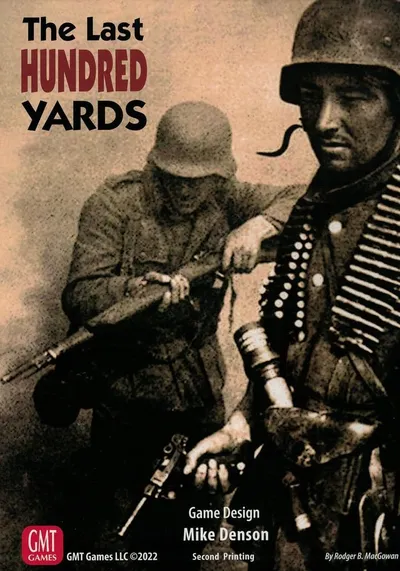
2019Mike Denson
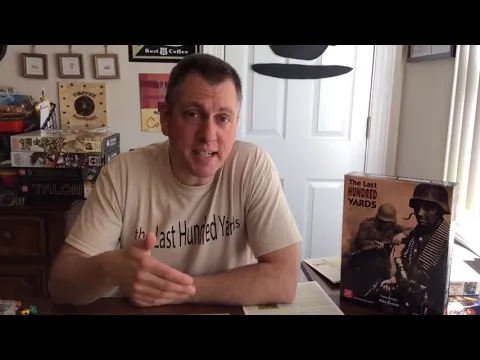
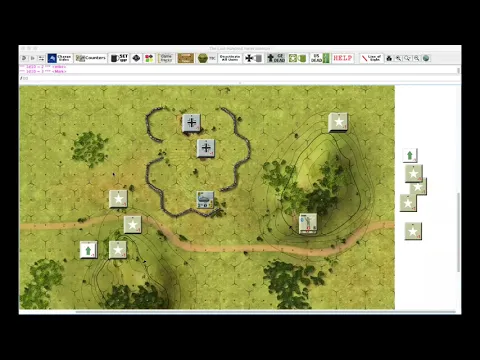
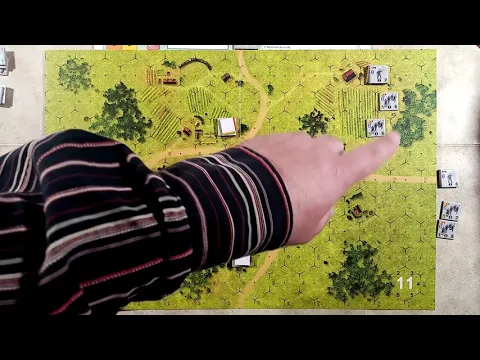
Mainly playthroughs and how-to-play. The Last Hundred Yards is covered on BoardGameVideo.com by 5 reviews, 10 how-to-play guides, 18 recorded sessions, 9 unboxings, and 16 other videos.
From BoardGameGeek
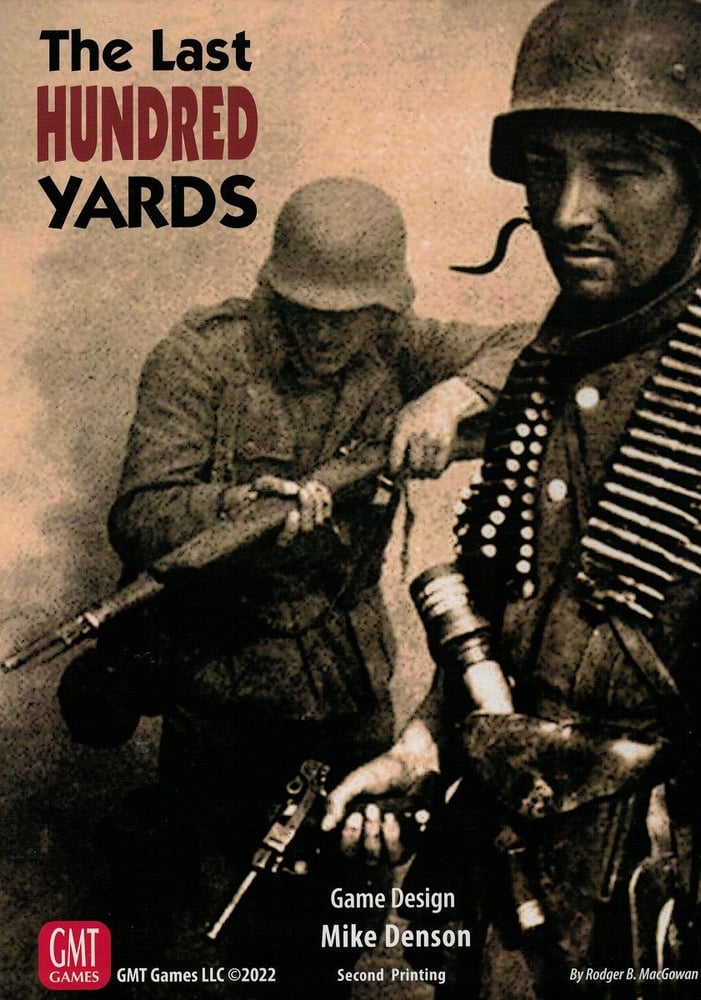
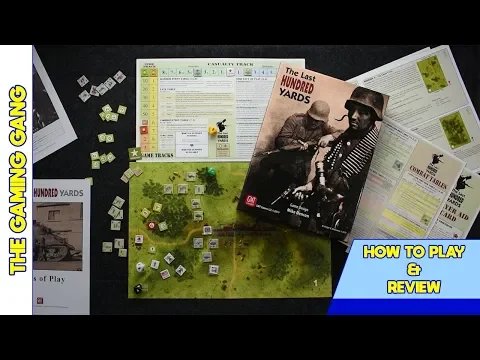
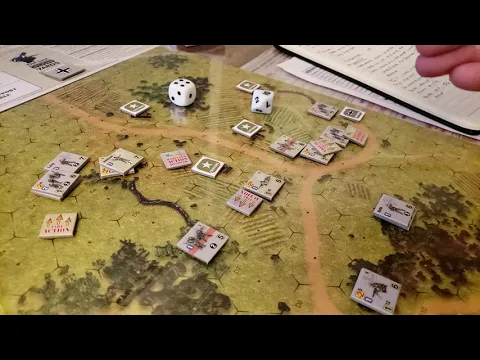
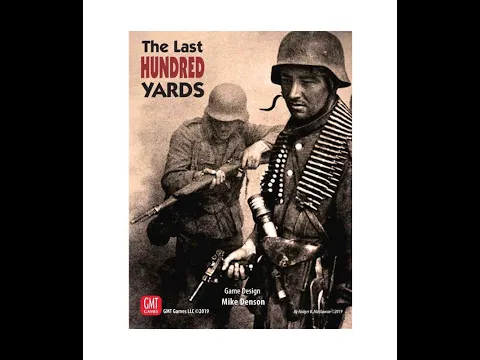
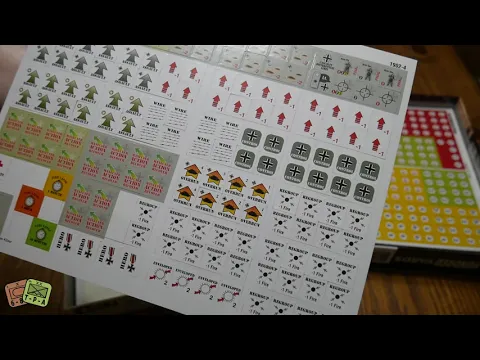
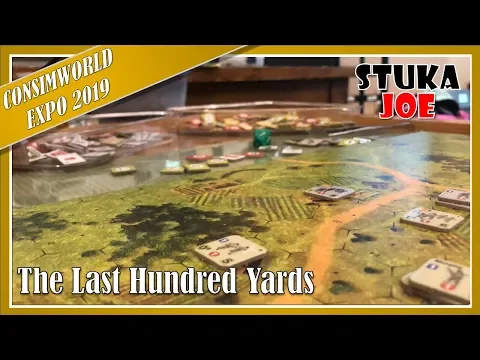
The Last Hundred Yards introduces innovative systems intended to model Small Unit Behavior in Combat during WW2. It is fast-paced, and provides a very good simulation of what it was like to command combat units at the platoon or company level. The game is purposely designed to deliver a brisk yet intensive gaming experience that forces many decisions upon you as you take command of an infantry company in Western Europe after the D-Day landings. In The Last Hundred Yards only the player winning the initiative has a proactive game turn; his opponent is limited to reaction only. Generally, the attacker has the initiative or momentum at the beginning of a small unit combat as the result of plans and preparation, so he generally dictates the action. The defender will generally react to the attacker's actions, hoping at some point to blunt or take away the attacker's momentum. This is represented in The Last Hundred Yards by player advantage and the importance of winning the initiative. Simultaneous movement and opportunity fire are modeled primarily through the Action/Reaction Cycle and Fire Mechanics. Fire is focused on a specific enemy unit as it fires or maneuvers. To reflect this, DRM markers are used to represent the enemy unit or units under fire and the amount of fire power placed on them. A different color DRM marker is used for each type of fire (green for small arms fire, yellow for anti-tank fire and red for indirect fire). Neither player will see the results of his fire until the Fire Resolution Phase. The traditional Tank defensive fire concept has been replaced with a reaction sequence that might allow the target vehicle to escape its hunter, and, in some cases, turn the hunted into the hunter. -from the publisher
The Last Hundred Yards has 58 videos from 19 creators: 5 reviews, 10 how-to-play guides, 18 playthroughs, 9 unboxings and 16 other videos. They date from 2019 to July 2025.
To learn the rules, start with "Intro to The Last Hundred Yards" by Mark Buetow, which runs 1 h. For a quicker teach, "Rules Breakdown: The Last Hundred Yards - Part 2 - Revised" by Harsh Rules runs 16 min.
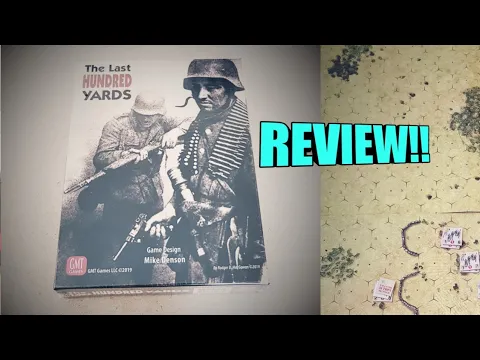
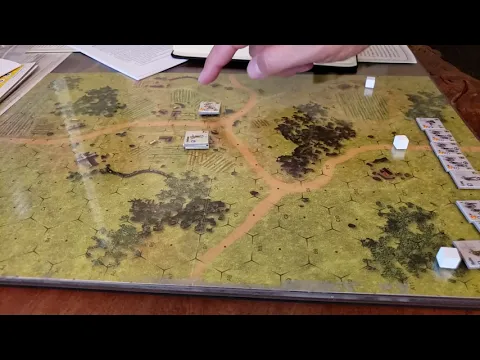
For an opinion before you buy, start with "Last Hundred Yards, Review" by JK WARGAMES. 5 creators have reviewed it. To see it played, watch "LAST HUNDRED YARD game plan mission 1." by Big Board Gaming, one of 18 playthroughs.
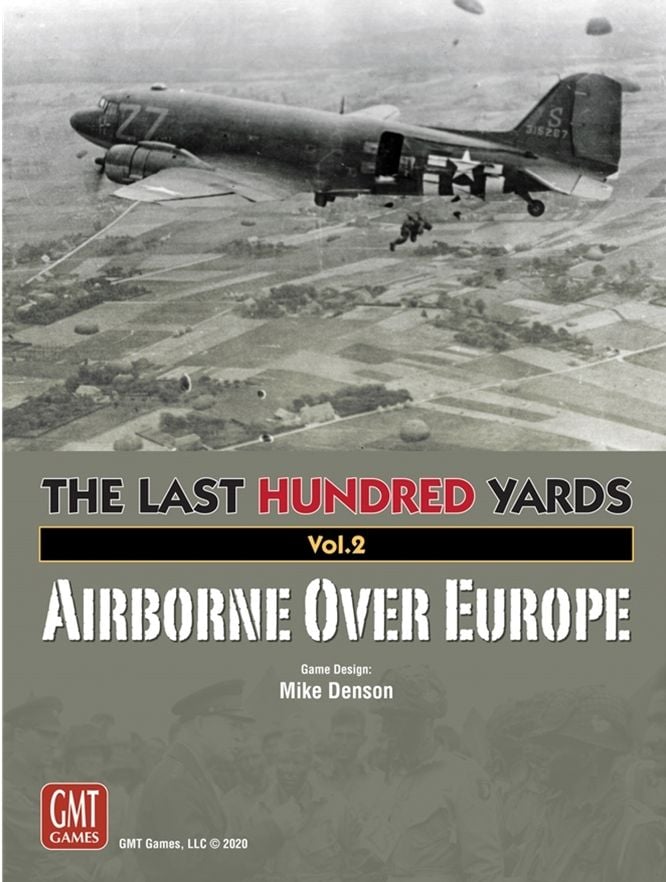
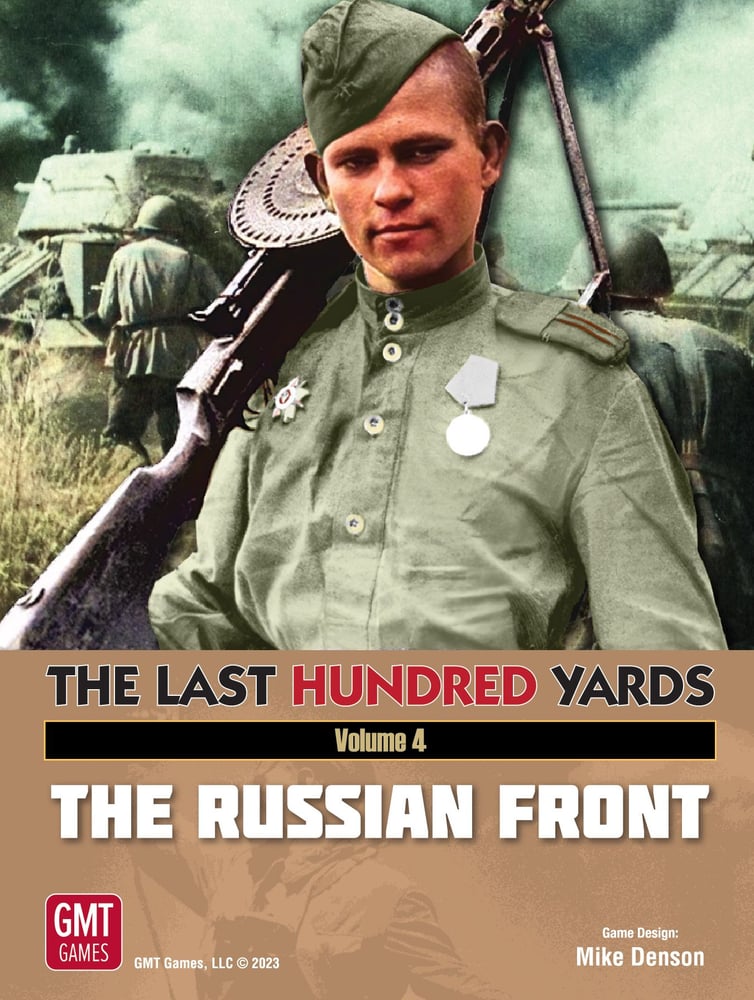
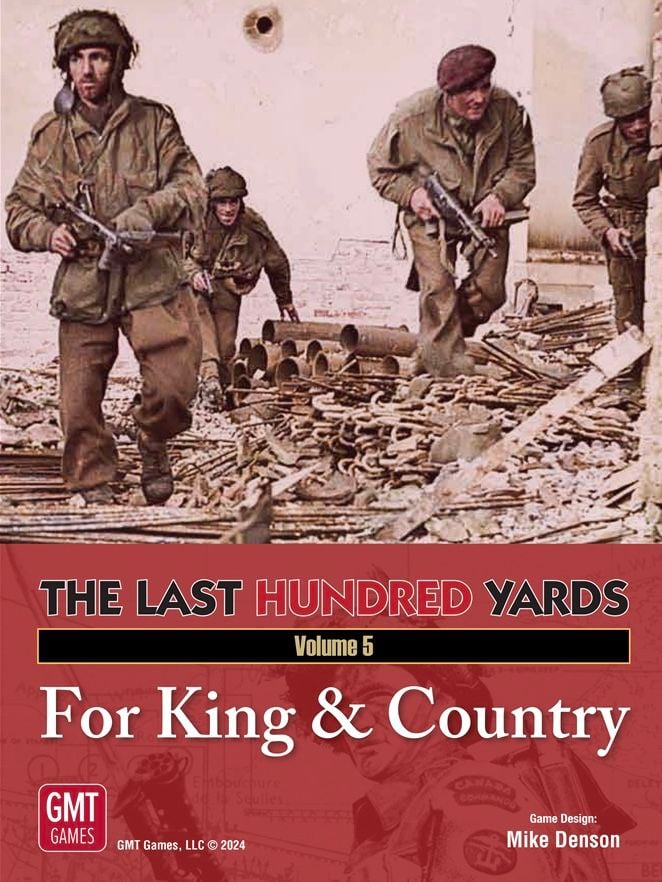
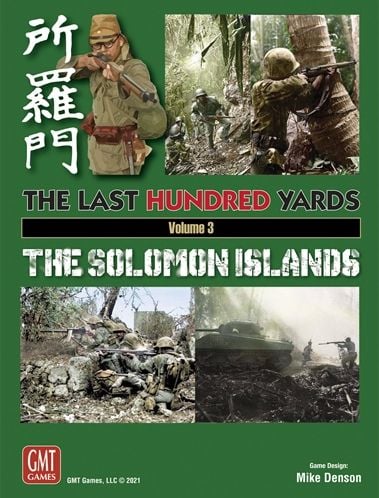
If you like it, try The Last Hundred Yards: Volume 3 – The Solomon Islands, The Last Hundred Yards: Volume 2 – Airborne Over Europe, The Last Hundred Yards: Volume 4 – The Russian Front and The Last Hundred Yards: Volume 5 – For King & Country, also by Mike Denson.
8 of 19


2022Mike Denson
2 players0 minHeavy weight
2020Mike Denson
1 - 2 players120 - 240 minHeavy weight
2023Mike Denson
1 - 2 players60 - 240 minVery heavy weight
2025Mike Denson
1 - 2 players60 - 180 minHeavy weight
From BoardGameGeek:
The Last Hundred Yards introduces innovative systems intended to model Small Unit Behavior in Combat during WW2. It is fast-paced, and provides a very good simulation of what it was like to command combat units at the platoon or company level. The game is purposely designed to deliver a brisk yet intensive gaming experience that forces many decisions upon you as you take command of an infantry company in Western Europe after the D-Day landings. In The Last Hundred Yards only the player winning the initiative has a proactive game turn; his opponent is limited to reaction only. Generally, the attacker has the initiative or momentum at the beginning of a small unit combat as the result of plans and preparation, so he generally dictates the action. The defender will generally react to the attacker's actions, hoping at some point to blunt or take away the attacker's momentum. This is represented in The Last Hundred Yards by player advantage and the importance of winning the initiative. Simultaneous movement and opportunity fire are modeled primarily through the Action/Reaction Cycle and Fire Mechanics. Fire is focused on a specific enemy unit as it fires or maneuvers. To reflect this, DRM markers are used to represent the enemy unit or units under fire and the amount of fire power placed on them. A different color DRM marker is used for each type of fire (green for small arms fire, yellow for anti-tank fire and red for indirect fire). Neither player will see the results of his fire until the Fire Resolution Phase. The traditional Tank defensive fire concept has been replaced with a reaction sequence that might allow the target vehicle to escape its hunter, and, in some cases, turn the hunted into the hunter. -from the publisher
Designer
Mike Denson
Artists
Dariusz Buraczewski, Charles Kibler, Rodger B. MacGowan, Liz Stephanoff
Publisher
GMT Games
Categories
Mechanics