Qwinto
2015Bernhard Lach, Uwe Rapp
2 - 6 players
15 min
Light weight: Learn it in minutes
From BoardGameGeek
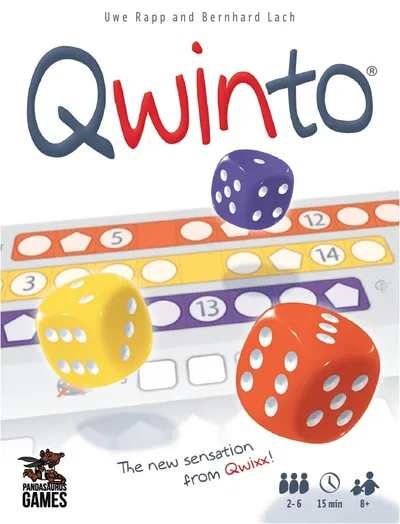
Players in Qwinto all play at the same time, with everyone trying to fill the rows on their scoresheets with numbers as quickly - and as highly - as possible in order to score the most points. To set up, each player receives a scoresheet that contains three colored rows of shapes (mostly circles with a few pentagons); the rows don't completely overlap, but they do overlap enough to create five vertical columns of three shapes, with one pentagon being in each vertical row. On a turn, a player rolls 1–3 dice, with the dice being the same colors as the rows: orange, yellow, purple. Each player can place whatever sum is rolled into an empty shape in a row that matches the color of one of the dice. Two rules must be followed when placing a sum in a row: All numbers in a row must increase from left to right. No number can be repeated in a vertical column. A player does not have to enter the number in a row, but if the active player, the one who rolled the dice, doesn't do so, then they must mark a misthrow box on their scoresheet. The game continues until someone has filled two rows on their scoresheet or someone has tallied four misthrows. Players then tally their points: For each completed column on their scoresheet, a player scores points equal to the number in that column's pentagon. For each completed row on their scoresheet, a player scores points equal to the rightmost number in that row. For each incomplete row on their scoresheet, a player scores one point per number in that row. For each misthrow, a player loses five points. Whoever has the highest sum wins!
Watch first
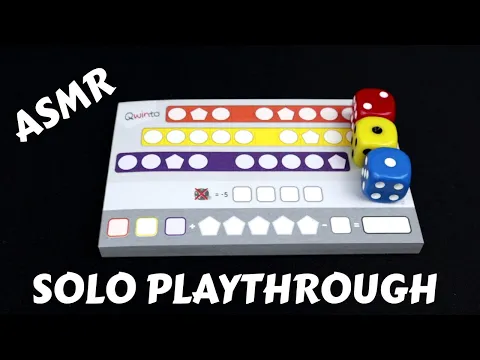
Which Qwinto video should I watch?
Qwinto has 2 videos from 2 creators: 1 how-to-play guide and 1 playthrough. They date from 2022 to October 2025.
To learn the rules, start with "New to BGA: Qwinto How to Play and Review" by Digital Board Gamer, which runs 3 min.
To see it played, watch "ASMR Solo Board Game Playthrough - QWINTO" by StanS ASMR.
If you like it, try Drop It, Qwords and Qwinto: Das Kartenspiel, also by Bernhard Lach, or Joan of Arc: Orléans Draw & Write, which shares several of its mechanics.
All videos
Creators who cover this

Digital Board Gamer
1 video of this game

StanS ASMR
1 video of this game
Games like this
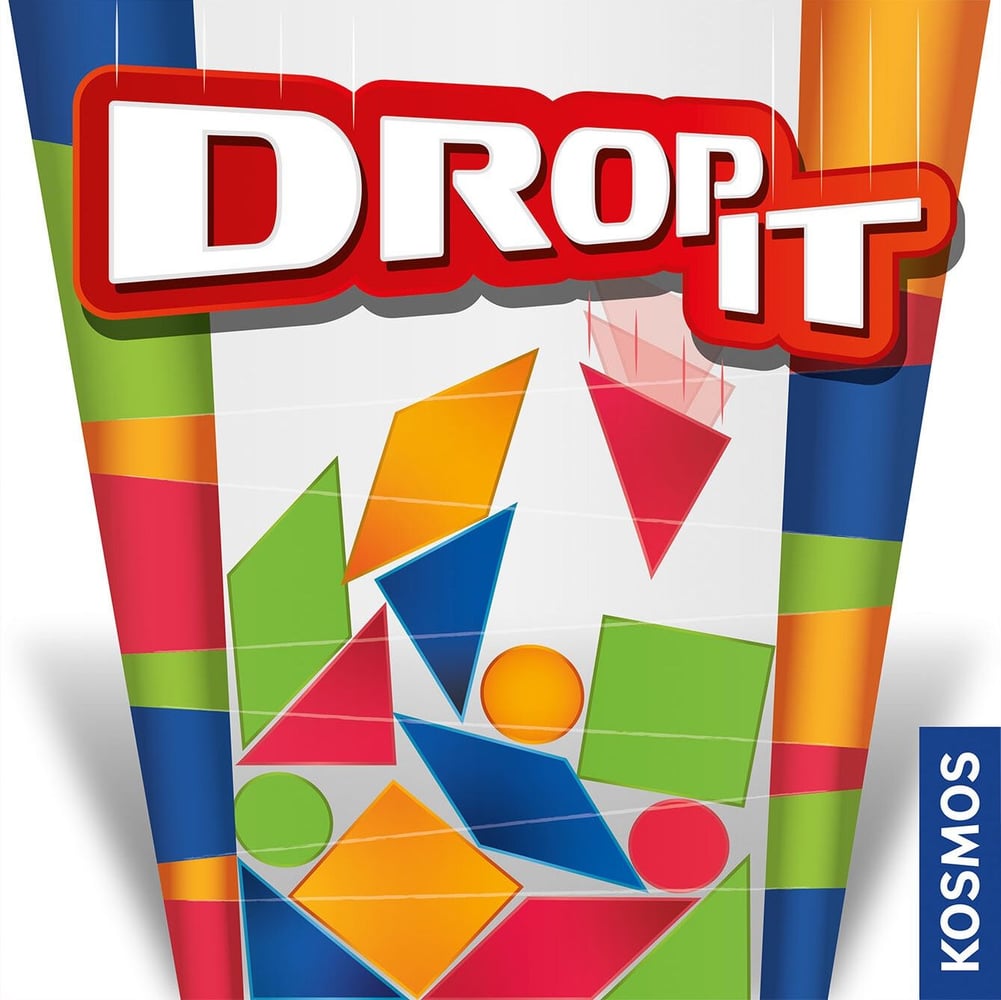
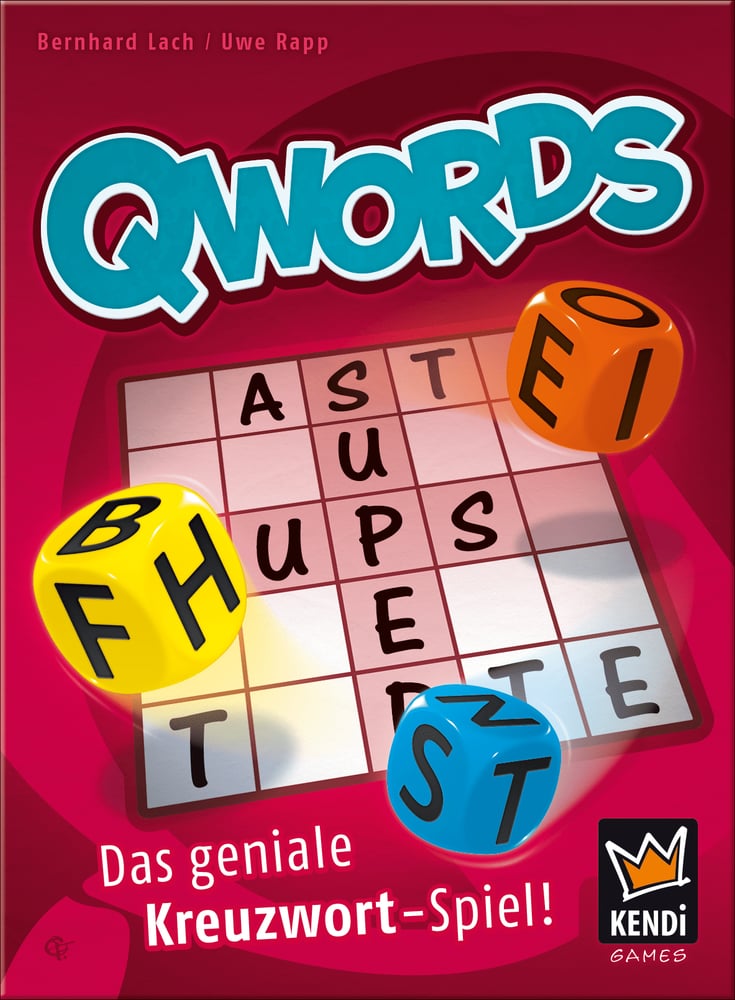
2013Bernhard Lach, Uwe Rapp
- Videos
- 2
- Creators
- 2
Reviews and unboxings
1 - 15 players20 minLight weight
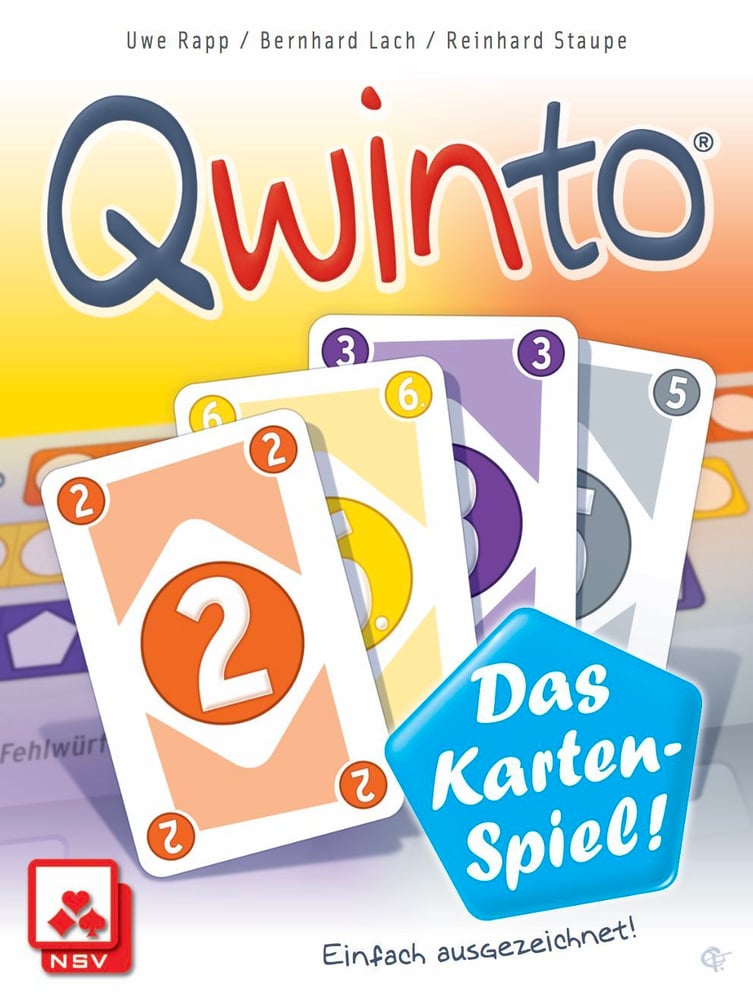
2017Bernhard Lach, Uwe Rapp, Reinhard Staupe
- Videos
- 1
- Creators
- 1
Playthroughs
1 - 4 players20 minLight weight
2022Ryan Hendrickson, Reiner Stockhausen
- Videos
- 31
- Creators
- 28
Mainly reviews
1 - 5 players30 - 45 minMedium weight
About Qwinto
From BoardGameGeek:
Players in Qwinto all play at the same time, with everyone trying to fill the rows on their scoresheets with numbers as quickly - and as highly - as possible in order to score the most points. To set up, each player receives a scoresheet that contains three colored rows of shapes (mostly circles with a few pentagons); the rows don't completely overlap, but they do overlap enough to create five vertical columns of three shapes, with one pentagon being in each vertical row. On a turn, a player rolls 1–3 dice, with the dice being the same colors as the rows: orange, yellow, purple. Each player can place whatever sum is rolled into an empty shape in a row that matches the color of one of the dice. Two rules must be followed when placing a sum in a row: All numbers in a row must increase from left to right. No number can be repeated in a vertical column. A player does not have to enter the number in a row, but if the active player, the one who rolled the dice, doesn't do so, then they must mark a misthrow box on their scoresheet. The game continues until someone has filled two rows on their scoresheet or someone has tallied four misthrows. Players then tally their points: For each completed column on their scoresheet, a player scores points equal to the number in that column's pentagon. For each completed row on their scoresheet, a player scores points equal to the rightmost number in that row. For each incomplete row on their scoresheet, a player scores one point per number in that row. For each misthrow, a player loses five points. Whoever has the highest sum wins!
Designers
Bernhard Lach, Uwe Rapp
Artist
Oliver Freudenreich
Publisher
Nürnberger-Spielkarten-Verlag
Categories
DiceMath & Numbers
Mechanics
Dice RollingAction SelectionRoll & Write / Paper-and-PencilPattern Building