



































2024Luke Laurie, Maximus Laurie
- Videos
- 131
- Creators
- 99
Some reviews
2 - 4 players80 - 160 minHeavy weight
2016Tom Jolly, Luke Laurie
Mainly reviews. The Manhattan Project: Energy Empire is covered on BoardGameVideo.com by 36 reviews, 8 how-to-play guides, 7 recorded sessions, 1 unboxings, and 4 other videos.
From BoardGameGeek
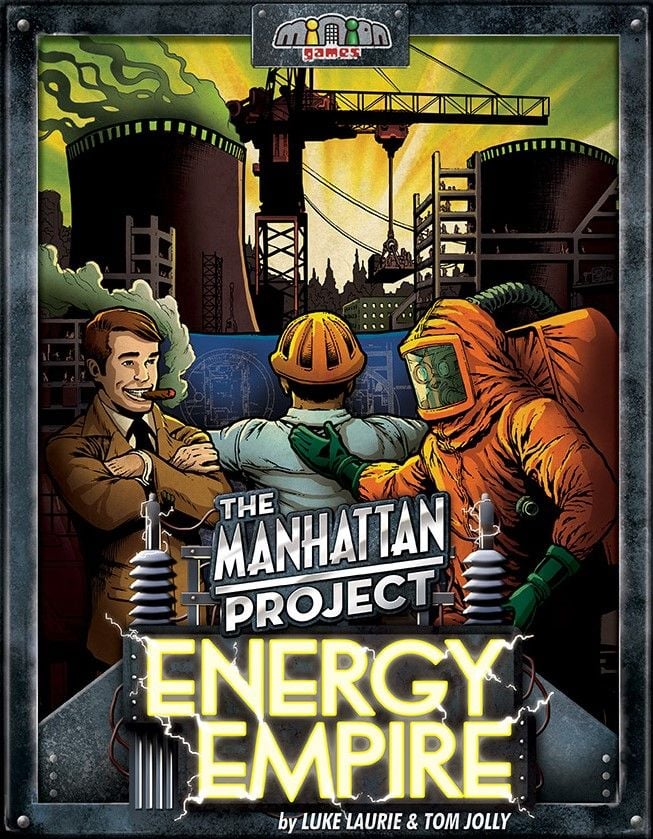
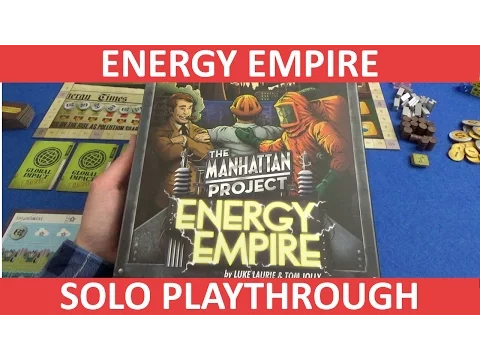
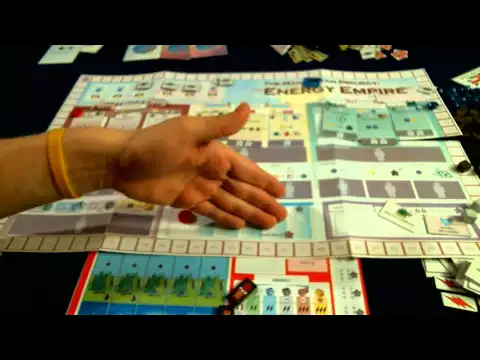
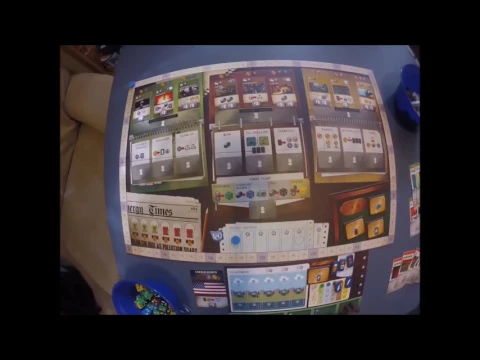
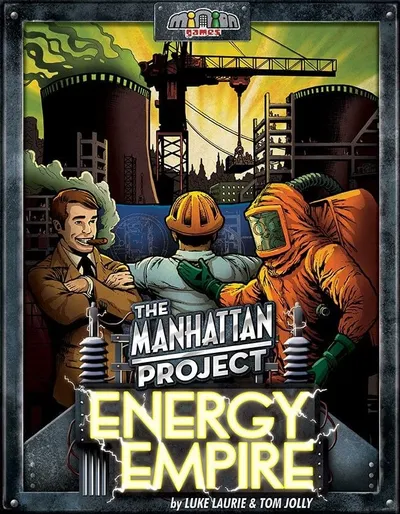
From the ashes of war, nations rise to power in the atomic age. Each player takes control of a nation struggling for power in the latter part of the 20th century. They build up their nation's industry, commerce, and government by acquiring resources, building structures, and tapping sources of energy. The price of oil is going up, and nuclear energy is the wave of the future. The Manhattan Project: Energy Empire is set in the same "universe" as The Manhattan Project, but it's a standalone game, not an expansion. The major threat in Energy Empire is not war, but uncertain global impacts, that result from side effects of industrialization and pollution. Many actions come with a cost. So, as nations become more industrious, they also increase the amount of pollution in the environment. Careful use of science can mitigate the harmful effects of industry, and can also help avert global crises. Energy Empire uses worker placement, tableau-building, and resource management mechanics. On each turn, a player can choose to either work or generate. On a work turn, a player plays a single worker on the main board, then uses workers and energy to activate cards in their tableau. Players may spend energy to use an occupied space on the main board, so no spaces are ever completely blocked. On a generate turn, players get to renew their supply of energy by rolling "energy dice" that represent nuclear, coal, oil, solar, and other forms of energy.
The Manhattan Project: Energy Empire has 56 videos from 44 creators: 36 reviews, 8 how-to-play guides, 7 playthroughs, 1 unboxing and 4 other videos. They date from 2015 to March 2025.
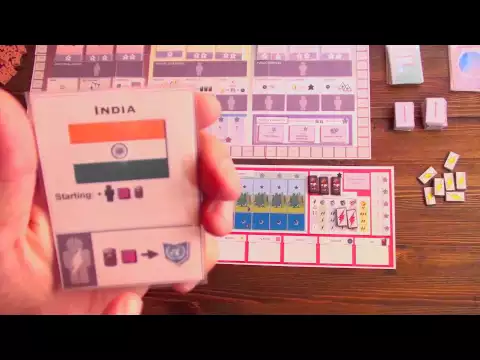
To learn the rules, start with "How to Play MP: Energy Empire board game" by James Mathe, which runs 36 min. For a quicker teach, "Energy Empire - Part 2 - Strategy" by Game Mechanics runs 12 min.
For an opinion before you buy, start with "The Manhattan Project: Energy Empire Gameplay Runthrough" by Rahdo Runs Through. 30 creators have reviewed it. To see it played, watch "Steve & Tiffany Learn & Play: Manhattan Project: Energy Empire" by TheOneTAR, one of 7 playthroughs.
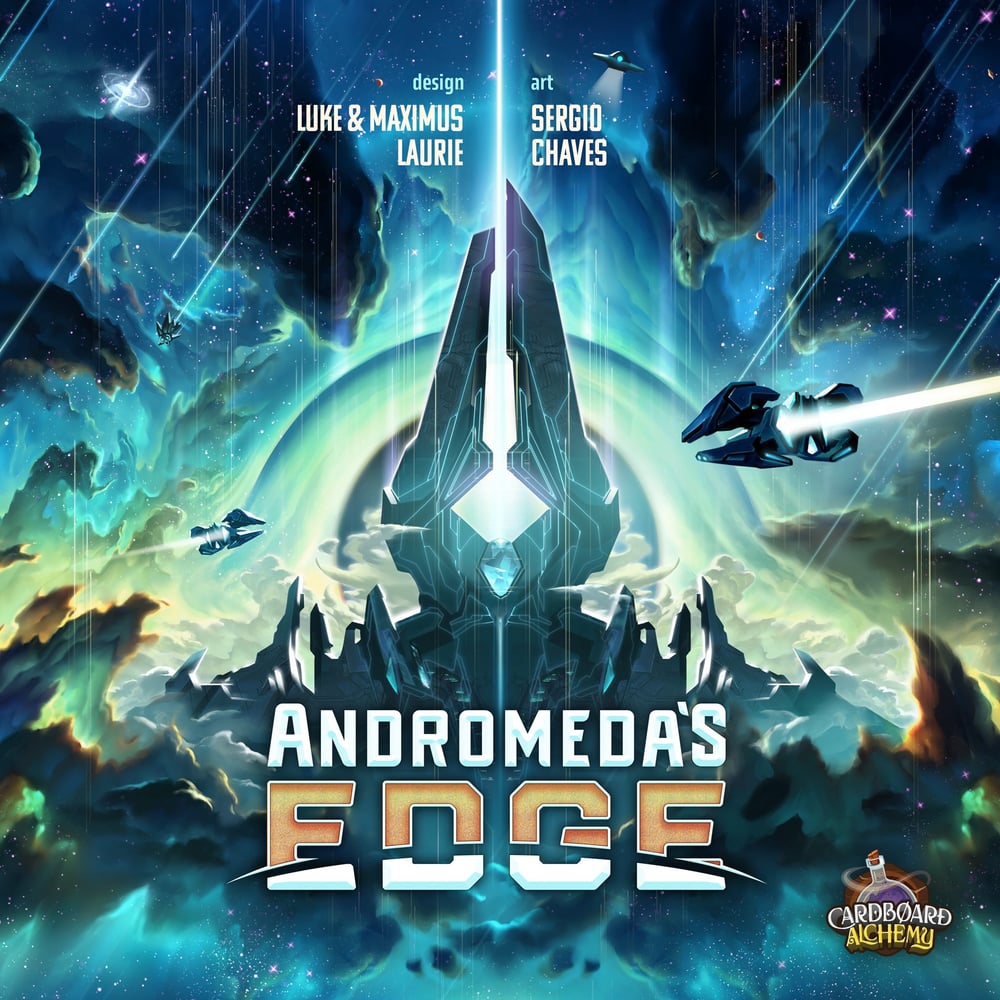
If you like it, try Andromeda's Edge, Dwellings of Eldervale and Whistle Mountain, also by Luke Laurie, or Light Speed: Arena, also by Tom Jolly.
8 of 44


2024Luke Laurie, Maximus Laurie
2 - 4 players80 - 160 minHeavy weight
2020Luke Laurie
1 - 5 players60 - 150 minHeavy weight
2020Scott Caputo, Luke Laurie
2 - 4 players60 - 90 minHeavy weight
2025Leonardo Alese, James Ernest, Tom Jolly, Emanuele Santellani
1 - 4 players5 - 15 minLight weight
From BoardGameGeek:
From the ashes of war, nations rise to power in the atomic age. Each player takes control of a nation struggling for power in the latter part of the 20th century. They build up their nation's industry, commerce, and government by acquiring resources, building structures, and tapping sources of energy. The price of oil is going up, and nuclear energy is the wave of the future. The Manhattan Project: Energy Empire is set in the same "universe" as The Manhattan Project, but it's a standalone game, not an expansion. The major threat in Energy Empire is not war, but uncertain global impacts, that result from side effects of industrialization and pollution. Many actions come with a cost. So, as nations become more industrious, they also increase the amount of pollution in the environment. Careful use of science can mitigate the harmful effects of industry, and can also help avert global crises. Energy Empire uses worker placement, tableau-building, and resource management mechanics. On each turn, a player can choose to either work or generate. On a work turn, a player plays a single worker on the main board, then uses workers and energy to activate cards in their tableau. Players may spend energy to use an occupied space on the main board, so no spaces are ever completely blocked. On a generate turn, players get to renew their supply of energy by rolling "energy dice" that represent nuclear, coal, oil, solar, and other forms of energy.
Designers
Tom Jolly, Luke Laurie
Artists
Josh Cappel, Jeffrey Edwards
Publisher
Minion Games
Mechanics